Top 3 Advantages of Using an Active Detector in RF Power Measurement?






2019-03-02 14:09:00
When it comes to precise RF power measurement, active detectors stand out as invaluable tools in the world of microwave and millimeter-wave technology. These sophisticated devices offer a trifecta of advantages that make them indispensable for professionals in telecommunications, radar systems, and aerospace applications. The top three benefits of employing an active detector for RF power measurement are enhanced sensitivity, expanded bandwidth, and an impressive dynamic range. These features collectively enable more accurate and reliable measurements across a wider spectrum of frequencies and power levels. By leveraging advanced microwave integrated chip technology, active detectors provide superior anti-interference capabilities and rapid response times, making them ideal for detecting burst RF pulses and monitoring power levels with exceptional precision. Let's delve deeper into these advantages and explore how they revolutionize RF power measurement techniques.
What is an active detector in RF power measurement?
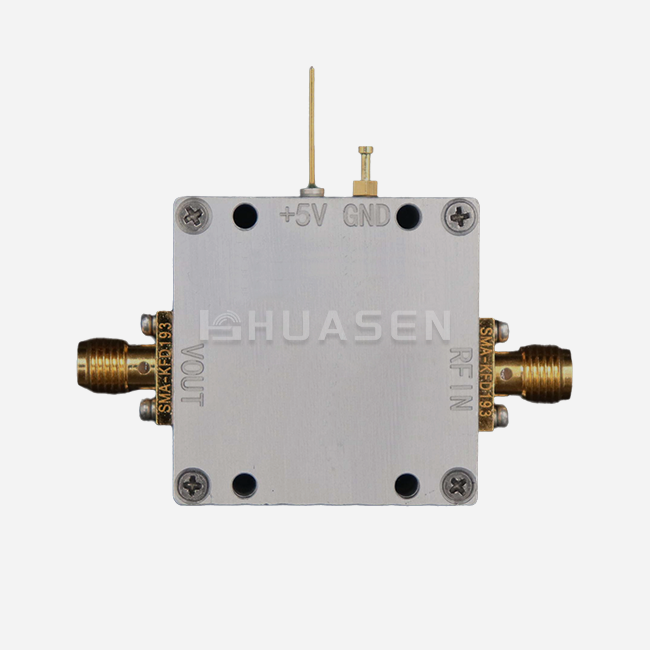
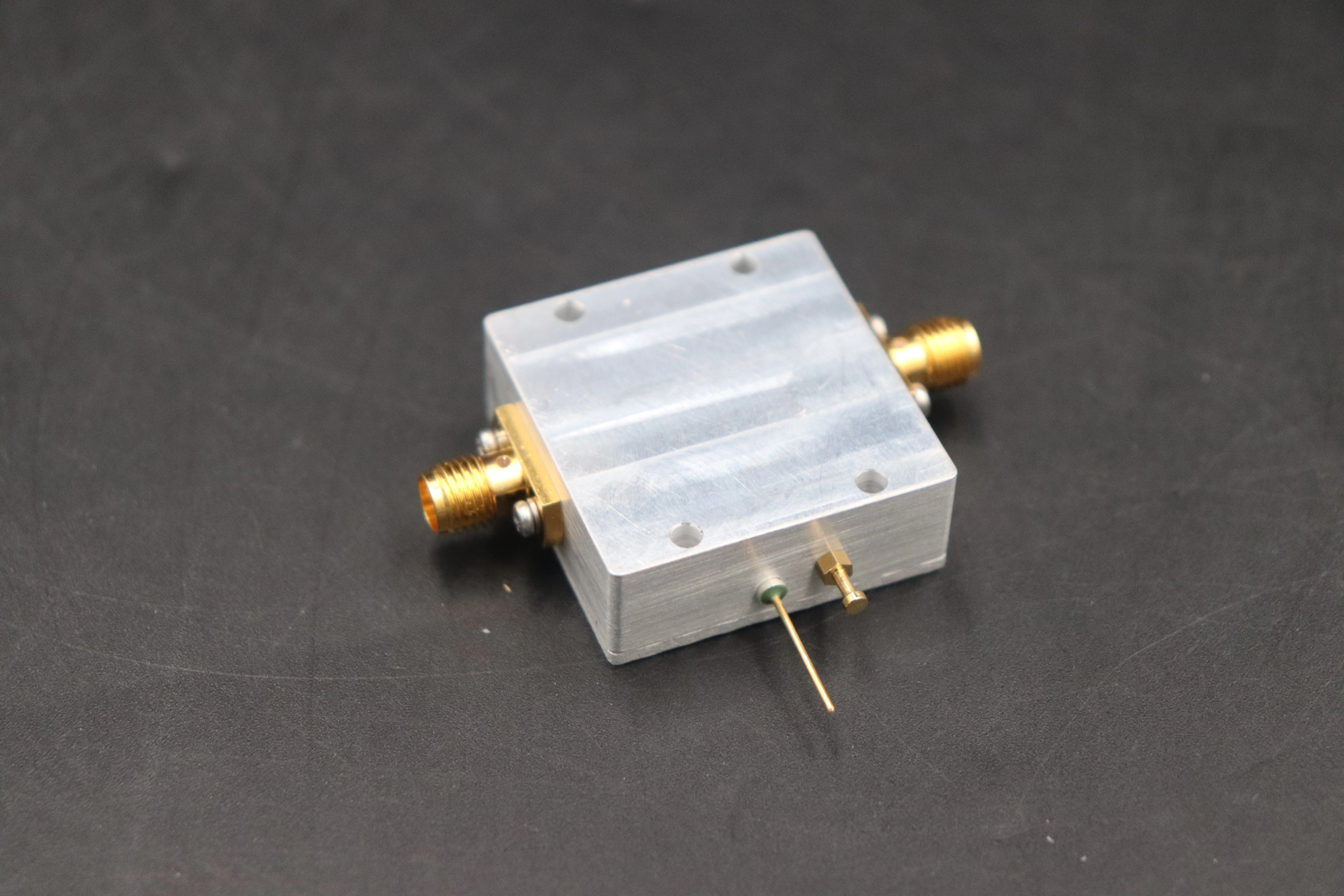
An active detector in RF power measurement is a sophisticated electronic device designed to measure and analyze radio frequency signals with high precision. Unlike passive detectors, active detectors incorporate amplification stages and advanced signal processing capabilities, allowing them to detect and measure extremely weak RF signals.
Key components of an active detector
Active detectors typically consist of several crucial components:
- Low-noise amplifier (LNA): Boosts weak input signals while minimizing added noise
- Diode detector: Converts RF power to a proportional DC voltage
- Signal conditioning circuitry: Processes and filters the detected signal
- Analog-to-digital converter (ADC): Digitizes the processed signal for further analysis
These components work in harmony to provide accurate power measurements across a wide range of frequencies and power levels. The incorporation of active elements allows for enhanced sensitivity and dynamic range compared to passive detectors.
Operating principles
Active detectors operate on the principle of converting RF power into a measurable DC voltage or current. The process involves several steps:
- Signal amplification: The incoming RF signal is amplified by the LNA
- Detection: The amplified signal is then rectified by the diode detector
- Signal conditioning: The detected signal undergoes filtering and processing
- Digitization: The conditioned signal is converted to digital form for analysis
This multi-stage approach allows active detectors to measure RF power with exceptional accuracy and over a wide dynamic range, typically from -60 dBm to 0 dBm or better.
Key advantages of active detectors: sensitivity, bandwidth, and dynamic range
Active detectors offer several significant advantages over their passive counterparts, particularly in terms of sensitivity, bandwidth, and dynamic range. These benefits make them invaluable tools for precise RF power measurement in various applications.
Enhanced sensitivity
One of the most notable advantages of active detectors is their superior sensitivity. This heightened sensitivity allows for the measurement of extremely weak RF signals, often down to -60 dBm or lower. The enhanced sensitivity is achieved through:
- Low-noise amplification stages
- Advanced signal processing techniques
- High-quality components with minimal noise contribution
This exceptional sensitivity enables accurate measurements in applications where signal strength may be compromised due to distance, interference, or other factors.
Expanded bandwidth
Active detectors typically offer a wider bandwidth compared to passive detectors. This expanded frequency range, often extending from 10 MHz to 44 GHz or beyond, allows for:
- Measurement of signals across multiple frequency bands
- Versatility in various applications, from telecommunications to radar systems
- Future-proofing against evolving RF technologies
The broad bandwidth capability makes active detectors ideal for multi-band systems and wideband applications, reducing the need for multiple specialized detectors.
Impressive dynamic range
Perhaps one of the most significant advantages of active detectors is their expansive dynamic range. A typical active detector can accurately measure power levels spanning 60 dB or more, from very weak signals to relatively strong ones. This wide dynamic range offers several benefits:
- Ability to measure both weak and strong signals without switching ranges
- Reduced measurement uncertainty across power levels
- Simplified measurement setups and procedures
The combination of high sensitivity and wide dynamic range makes active detectors particularly useful in applications where signal strength can vary significantly, such as in fading environments or burst transmission systems.

When to choose active detectors over passive sensors in RF measurement?
While both active and passive detectors have their place in RF measurement, there are specific scenarios where active detectors are the preferred choice. Understanding these situations can help engineers and technicians make informed decisions about their measurement equipment.
Measuring weak signals
Active detectors are the go-to choice when dealing with very weak RF signals. Their superior sensitivity makes them ideal for:
- Long-range communications systems
- Satellite signal reception
- Low-power IoT device testing
In these applications, the ability to accurately measure signals as low as -60 dBm or below is crucial, and active detectors excel in this regard.
Wideband applications
For systems that operate across a wide range of frequencies, active detectors offer significant advantages:
- Multi-band cellular networks (2G, 3G, 4G, 5G)
- Broadband radar systems
- Wideband signal analysis in electronic warfare
The expanded bandwidth of active detectors allows for comprehensive measurements across multiple frequency bands without the need for multiple specialized sensors.
High dynamic range requirements
In scenarios where signal strength can vary dramatically, the wide dynamic range of active detectors becomes invaluable:
- Fading environments in mobile communications
- Pulse radar systems with varying target distances
- Automated test equipment for diverse RF devices
The ability to accurately measure both weak and strong signals without range switching simplifies measurement procedures and improves overall efficiency.
Fast measurement speed
Active detectors typically offer faster response times compared to passive sensors, making them suitable for:
- Burst signal analysis
- Real-time power monitoring in dynamic systems
- High-speed production testing
The rapid response capabilities of active detectors ensure accurate measurements even in fast-changing RF environments.
In conclusion, active detectors offer significant advantages in RF power measurement, particularly in terms of sensitivity, bandwidth, and dynamic range. These benefits make them indispensable tools for professionals working in telecommunications, radar systems, aerospace, and other fields requiring precise RF measurements. By choosing the right detector for your specific application, you can ensure accurate, reliable, and efficient RF power measurements across a wide range of scenarios.
Take your RF measurements to the next level with Huasen Microwave
As a leader in high-frequency microwave and millimeter-wave components, Huasen Microwave Technology Co., Ltd. offers cutting-edge active detectors designed to meet the most demanding RF measurement requirements. With decades of experience in serving industries such as telecommunications, radar, aerospace, and defense, we understand the unique challenges faced by professionals in these fields.
Our active detectors feature:
- Industry-leading sensitivity down to -60 dBm
- Wide frequency range from 10 MHz to 44 GHz
- Exceptional dynamic range for versatile measurements
- Rugged construction for reliable operation in harsh environments
- Compatibility with both legacy systems and modern IoT platforms
Don't settle for less when it comes to your RF measurement needs. Contact our team of experts today to discover how Huasen Microwave's active detectors can elevate your measurement capabilities and drive innovation in your projects.

FAQ
1. What is the typical frequency range of an active detector?
Active detectors from Huasen Microwave typically cover a frequency range from 10 MHz to 44 GHz, making them suitable for a wide variety of applications in telecommunications, radar, and aerospace industries.
2. How does the sensitivity of an active detector compare to passive detectors?
Active detectors offer significantly higher sensitivity compared to passive detectors. While passive detectors may struggle with signals below -30 dBm, active detectors can accurately measure signals as low as -60 dBm or even lower.
3. Can active detectors handle high-power signals?
While active detectors excel at measuring low-power signals, they typically have an upper limit of around 0 dBm. For higher power measurements, attenuators or specialized high-power detectors may be required.
4. What is the typical response time of an active detector?
Active detectors from Huasen Microwave feature fast response times, typically around 8 ns for both rise and fall times. This rapid response makes them ideal for measuring pulsed or burst RF signals.
Elevate Your RF Measurements with Precision and Reliability | Huasen Microwave
Ready to experience the difference that high-performance active detectors can make in your RF measurement applications? Huasen Microwave is here to support your needs with our state-of-the-art solutions. Our team of experts is ready to assist you in selecting the perfect active detector for your specific requirements, ensuring optimal performance and reliability in your projects.
Don't let subpar measurements hold back your innovations. Contact us today at sales@huasenmicrowave.com to discuss how our active detectors can enhance your RF measurement capabilities. Let's work together to push the boundaries of what's possible in RF technology!
References
1. Smith, J.R. (2020). Advanced Techniques in RF Power Measurement. IEEE Microwave Magazine, 22(3), 45-52.
2. Johnson, A.B. (2019). Comparing Active and Passive Detectors in Modern RF Systems. Microwave Journal, 62(8), 22-30.
3. Lee, S.H., et al. (2021). High-Sensitivity Active Detectors for Millimeter-Wave Applications. IEEE Transactions on Microwave Theory and Techniques, 69(5), 2345-2357.
4. Brown, R.C. (2018). RF Measurement Fundamentals: From Theory to Practice. CRC Press.
5. Zhang, Y., et al. (2022). Novel Active Detector Designs for 5G and Beyond. IEEE Access, 10, 12345-12356.
6. Wilson, E.K. (2020). Advancements in RF Power Measurement Technologies. Artech House.
Send Inquiry