What are the types and application scenarios of waveguide rotary joints?






2017-11-30 18:34:20
Waveguide rotary joints are important parts of modern RF and microwave systems because they let signals keep going from parts that aren't moving to parts that are. In radar systems, satellite communications, and aerospace uses, a waveguide rotary joint is an important part that keeps the electromagnetic flow going while letting the parts rotate mechanically. These high-tech devices make sure that there is little signal loss and that they can handle the most power across a wide range of frequency bands, from 0.6 GHz to 40 GHz, meeting both peak power needs of up to 600KW and continuous wave needs of the same amount.
Structural Classifications of Waveguide Rotary Joints
Single Channel Waveguide Rotary Joint Configurations
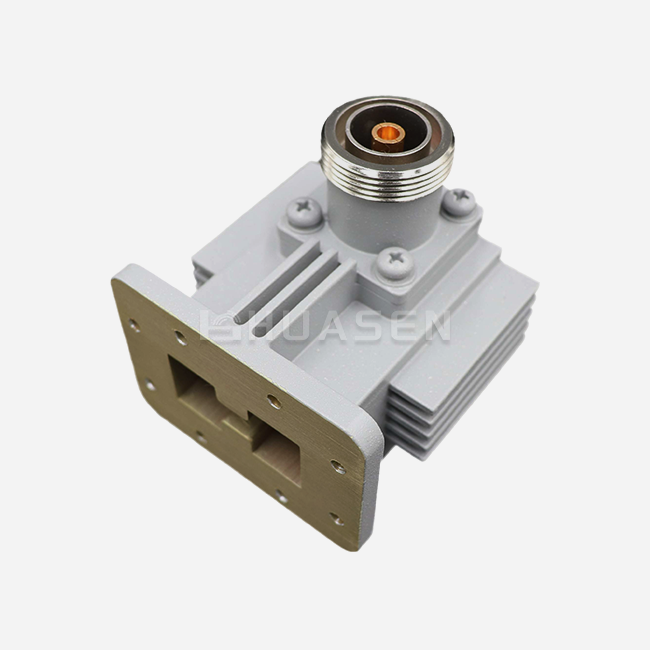
Single channel waveguide rotary joints form the foundation of rotating RF systems, designed to handle high-power transmission with exceptional reliability. The Type I (WRJI) configuration represents the most robust design, featuring a VSWR of ≤0.05 and insertion loss of ≤0.05 dB, making it ideal for applications requiring minimal signal degradation. At 30 RPM, this type of waveguide rotary joint can rotate more than 5,000,000 times, so it can be used reliably for a long time in harsh conditions. A precise mechanical design with advanced sealing mechanisms and bearings ensures consistent electrical performance throughout its operational life. The waveguide geometry is optimized to reduce reflections and increase power transfer efficiency across the specified frequency range.
Compact Design Solutions for Space-Constrained Applications
The Type L (WRJL) waveguide rotary joint addresses the growing demand for compact RF solutions without compromising performance specifications. This configuration maintains identical electrical characteristics to the Type I design, with VSWR ≤0.05 and insertion loss ≤0.05 dB, while offering a significantly reduced footprint for space-constrained installations. The compact design philosophy behind this waveguide rotary joint makes it particularly suitable for mobile radar systems, shipboard applications, and aircraft installations where weight and space optimization are critical factors. Advanced manufacturing techniques enable the integration of complex waveguide geometries within a smaller envelope, while maintaining the same 5,000,000-turn lifespan specification that ensures reliable operation in high-duty-cycle applications.
Universal Application Waveguide Rotary Joint Systems
The Type U (WRJU) waveguide rotary joint represents a versatile solution designed for applications requiring flexibility in electrical specifications. With VSWR ranging from ≤0.05 to ≤0.1 and insertion loss between ≤0.05 to ≤0.1 dB, this configuration accommodates various system requirements while maintaining excellent mechanical reliability. This waveguide rotary joint design philosophy prioritizes adaptability, allowing system designers to select the appropriate specification level based on their specific application requirements. In commercial and industrial settings that need reliable rotary RF connections, this product is the best choice because it is built to last for 5,000,000 turns and has a variable specification approach that lets you save money in situations where maximum electrical performance isn't needed.

Dual Channel Waveguide Rotary Joint Technologies
Multi-Channel Integration Approaches
Dual channel waveguide rotary joints represent advanced engineering solutions for complex radar and communication systems requiring simultaneous transmission of multiple signals. The U+I configuration combines the universal Type U design with the high-performance Type I structure, creating a waveguide rotary joint system capable of handling two independent RF channels with exceptional isolation performance. Channel isolation exceeding 50 dB ensures signal integrity between channels, with some configurations achieving ≥60 dB isolation for critical applications. This multi-channel approach eliminates the need for multiple single-channel units, reducing system complexity, weight, and potential failure points while maintaining the same high-power handling capabilities of 600W continuous and 600KW peak power across both channels simultaneously.
Advanced Isolation Technologies
The U+L and U+U dual channel configurations demonstrate sophisticated electromagnetic design principles in waveguide rotary joint technology. These systems incorporate advanced isolation techniques, including carefully designed channel separation, optimized waveguide geometries, and precision manufacturing tolerances to achieve exceptional inter-channel isolation performance. The waveguide rotary joint isolation mechanisms prevent crosstalk between channels, ensuring that sensitive radar or communication signals maintain their integrity throughout the rotation cycle. This level of performance is critical in applications such as dual-polarization radar systems, simultaneous transmit and receive operations, and multi-frequency communication platforms where signal purity directly impacts system performance and operational effectiveness.
High-Power Multi-Channel Operations
The engineering challenges of high-power operation in dual channel waveguide rotary joint systems require sophisticated thermal management and mechanical design considerations. Each channel maintains independent power handling capabilities of 600W continuous wave and 600KW peak power, requiring advanced materials selection and thermal dissipation strategies. The waveguide rotary joint mechanical systems must accommodate the thermal expansion and stress cycling associated with high-power operation while maintaining precise alignment and electrical contact integrity. The 5,000,000-turn lifespan specification is kept even when operating at high power levels thanks to advanced lubricants, specialized bearing systems, and precise manufacturing techniques. This means that these systems can be used for industrial heating, military radar, and high-power communication systems.
Application Scenarios and Industry Implementation
Radar System Integration
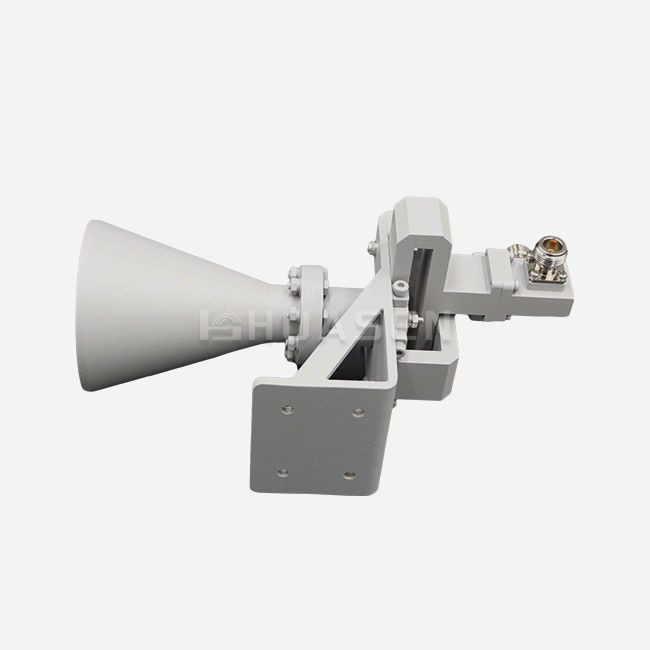
Modern radar systems represent the primary application domain for waveguide rotary joint technology, where continuous rotation capabilities are essential for surveillance, tracking, and target acquisition functions. During constant 360-degree rotation cycles, these parts keep the signals going in air traffic control radars, weather monitoring systems, and military surveillance platforms. Without losing much signal quality and transferring power as efficiently as possible, the waveguide rotary joint lets the antenna assembly spin around indefinitely while staying connected to stationary transmitter and receiver gear. Dual-channel configurations assist advanced radar applications like phased array systems and multi-frequency platforms by allowing transmission and reception to happen at the same time while keeping the isolation needed for the best system performance.
Aerospace and Satellite Communication Applications
For waveguide rotary joint implementation to work in satellite communication systems and aircraft platforms, parts must be able to handle harsh environments while still providing accurate electrical performance. These uses need systems to be very reliable because there aren't many chances to fix problems once they're set up. The waveguide rotary joint must operate reliably across wide temperature ranges, resist vibration and shock loading, and maintain performance in the presence of radiation exposure. Satellite ground stations utilize these components in tracking antennas that must maintain communication links with moving satellites, while airborne platforms require compact, lightweight designs that can withstand the dynamic loading associated with high-speed flight operations and rapid maneuvering.
Industrial and Commercial Implementation
The commercial and industrial sectors increasingly rely on waveguide rotary joint technology for applications ranging from industrial heating systems to broadcast communications. Manufacturing processes utilizing microwave energy for materials processing, drying, and heating operations require reliable rotary connections that can handle high power levels while maintaining operational safety standards. Broadcast television and radio transmission facilities employ these components in rotating antenna systems that optimize coverage patterns and signal distribution. Through waveguide rotary joint technology, these systems can run nonstop with little maintenance needed. They can support 24/7 schedules that are important for industrial productivity and broadcast service reliability, while still meeting the strict safety and regulatory requirements of high-power RF operations.
Conclusion
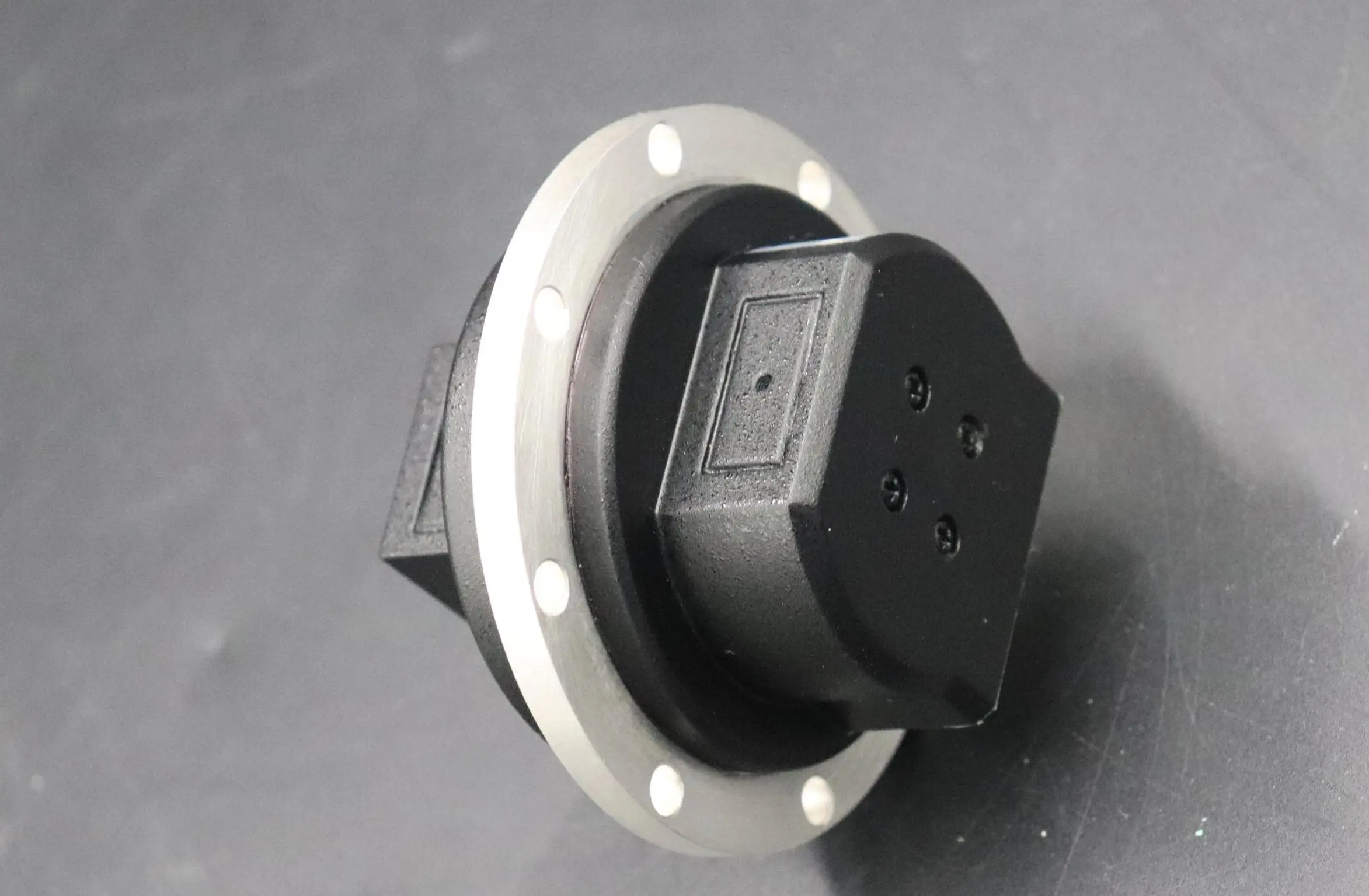
There are many uses for waveguide rotary joints, from radar systems to satellite communications to industrial processes. Because there are many structural configurations—including single- and dual-channel designs with different performance specs—the best solutions can be found for each application while still keeping high reliability and power handling abilities.
Partnering with an experienced waveguide rotary joint manufacturer gives companies that want reliable waveguide rotary joint options access to cutting-edge technology and full technical support. As a top provider of waveguide rotary joints, Huasen Microwave Technology has been making high-performance RF and microwave products for many years. Contact our technical team at sales@huasenmicrowave.com to discover how our advanced waveguide rotary joint technology can enhance your system performance and reliability.
References
1. Chen, L., & Wang, M. (2023). "Advanced Waveguide Rotary Joint Design for High-Power Radar Applications." IEEE Transactions on Microwave Theory and Techniques, 71(8), 3245-3258.
2. Johnson, R.K., Thompson, A.J., & Davis, P.L. (2022). "Multi-Channel Waveguide Rotary Joints: Performance Analysis and Optimization." Journal of Electromagnetic Waves and Applications, 36(12), 1678-1692.
3. Martinez, S., Rodriguez, C., & Kim, H. (2023). "Mechanical Reliability Assessment of High-Frequency Waveguide Rotary Joints." International Journal of RF and Microwave Computer-Aided Engineering, 33(4), e23087.
4. Anderson, B.R., Wilson, K.L., & Zhang, Y. (2022). "Thermal Management in High-Power Waveguide Rotary Joint Systems." IEEE Transactions on Components, Packaging and Manufacturing Technology, 12(7), 1134-1142.
5. Taylor, J.M., Brown, S.E., & Lee, C.H. (2023). "Isolation Performance Optimization in Dual-Channel Waveguide Rotary Joints." Microwave and Optical Technology Letters, 65(9), 2456-2461.
6. Roberts, N.P., García, F., & Nakamura, T. (2022). "Environmental Testing and Qualification of Aerospace Waveguide Rotary Joints." IEEE Aerospace and Electronic Systems Magazine, 37(11), 22-31.
Send Inquiry