Advantages of Short Waveguides: Why Choose Short Waveguide Models for Your RF Components?






2026-01-07 15:45:59
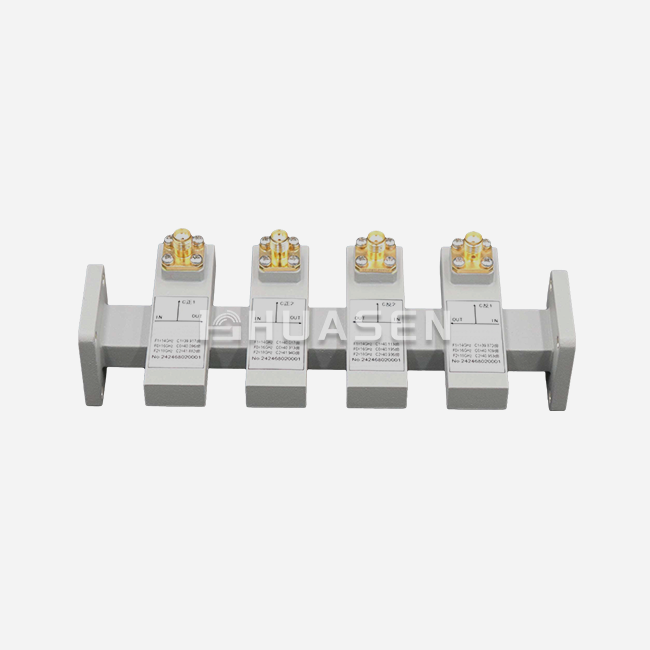
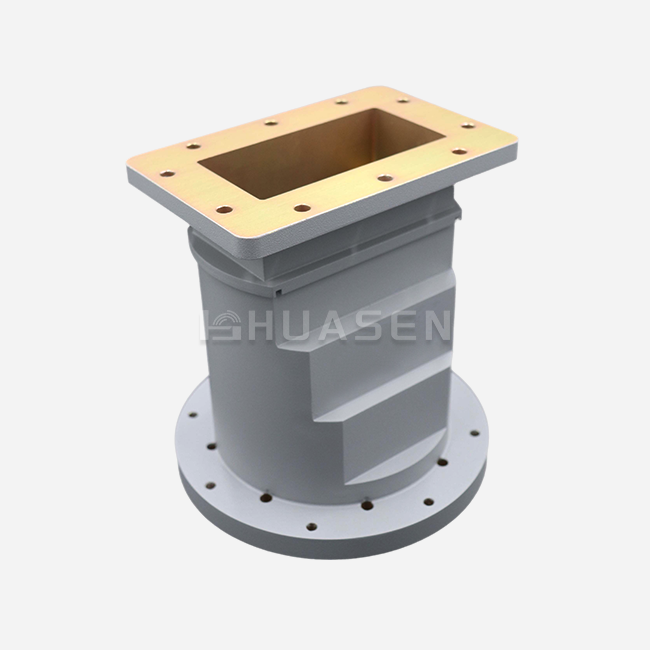
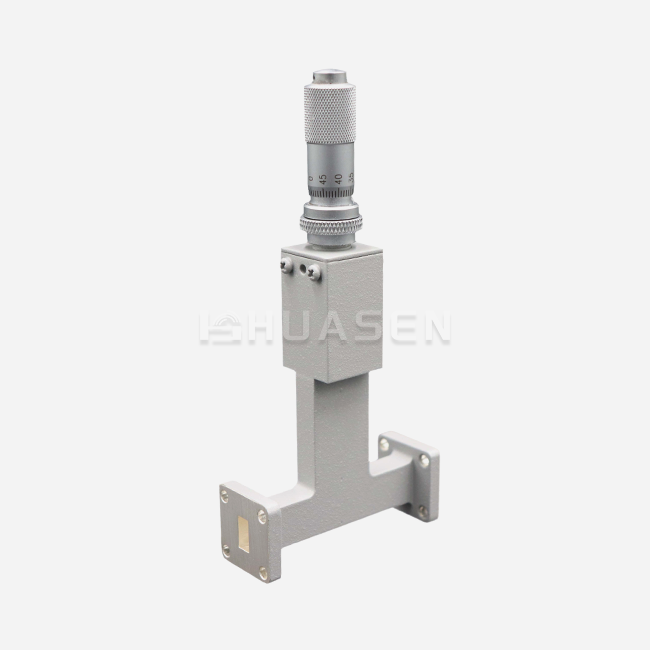
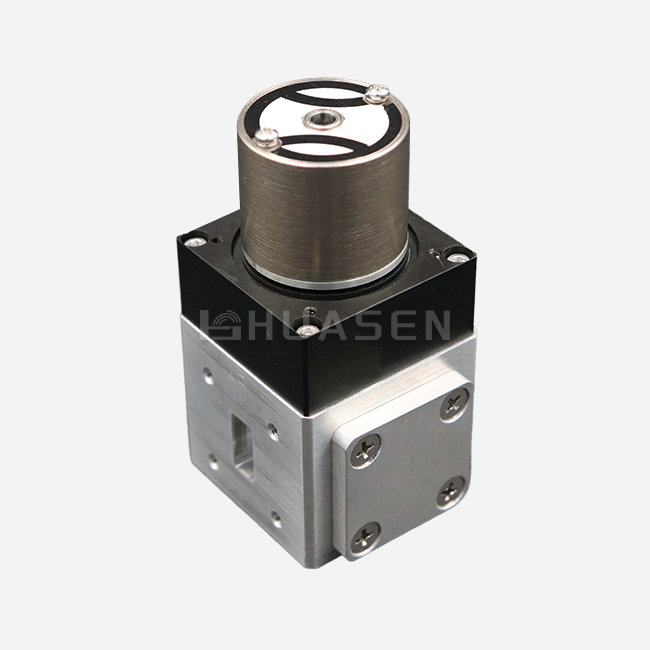
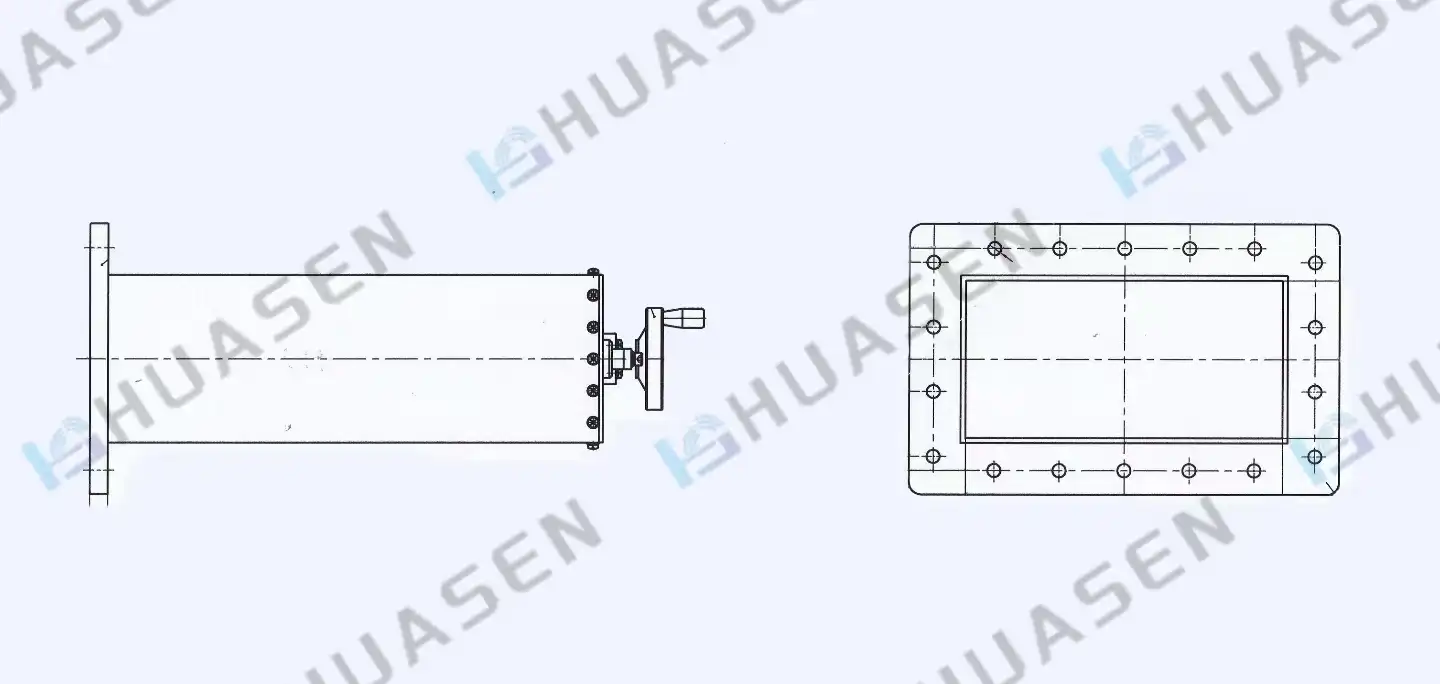
In radio frequency (RF) and microwave engineering, selecting the right components can have a significant impact on the system's performance.In many RF applications, various types of short waveguide sections, like Waveguide Sliding Short models, have become very important. These small, strong devices have many benefits that make them a great choice for engineers and designers who want to get the most out of their RF systems. Some of the benefits that short waveguides can give your RF parts are better impedance matching and more circuit design freedom.Short waveguides with sliding short mechanisms are highly effective for RF tuning and impedance matching. Because they're small, they can be easily added to systems where room is limited, and because they're adjustable, circuit parameters can be fine-tuned. This ability to change is especially useful in situations where the impedance matching or phase control needs to change quickly or exactly. Short waveguides also help with power and signal strength, which makes them great for high-frequency and high-power uses. If you pick short waveguide models for your RF parts, you can get a whole new level of performance and efficiency in your microwave systems.
Benefits of Using Short Waveguide Sections
In RF and microwave uses, short waveguide sections are very helpful for a lot of different reasons. These small parts are very important for making the system faster and more efficient. Let's look at some of the main reasons why adding short waveguide sections to your RF designs is a good idea:
Improved Impedance Matching
One of the main benefits of short waveguide parts is that they make it easier to match the impedance exactly. In RF devices, to get the most power transfer and the least signal reflection, you need to make sure that the impedances of different parts are the same. In short waveguides, especially those with sliding short devices, the impedance along the transmission line can be adjusted. This can be changed, which helps programmers find the best matching conditions. This leads to better system performance.
Enhanced Flexibility in Circuit Design
In circuit design, short waveguide sections are more helpful than longer ones because they allow for more freedom. Because they are small, they can be used in systems where only a little bit of room is available, making them perfect for those kinds of applications. Also, using short waveguides can make the total circuit layout simpler, which helps with manufacturing and saving money.
Reduced Signal Loss
Another great thing about short waveguide parts is that they can help keep the signal from getting weaker. In general, shorter waveguides mean less loss because the signal has to go a shorter distance in the waveguide. It's especially useful to have less signal loss in high-frequency uses, where every decibel of loss can have a big effect on how well the system works.
Improved Power Handling Capabilities
Short Waveguide Sliding Short segments often work better with high power than longer waveguides or other kinds of transmission lines. Short waveguides are better at getting rid of heat and lowering the risk of voltage breakdown because they are short. This means they are especially good for use in radar systems, satellite communications, and other tough RF situations that need a lot of power.

When to Use Sliding Shorts in RF Tuning and Matching?
Sliding shorts are useful in a wide range of RF tuning and matching situations. Knowing when to use these tools can greatly improve your system's speed and ability to adapt. Here are some important times when slide shorts come in handy:
Impedance Matching in Variable Load Conditions
One of the main uses for moving shorts is in systems where the load can change. In these kinds of situations, the load's resistance might change over time or when the mode of operation changes. Waveguide Sliding Short devices make it possible to change the impedance matching network on the fly. This makes sure that even when load conditions change, power flow is kept at the best level and reflections are kept to a minimum. This ability to change is especially useful in things like RF power amplifiers or radio tuning systems that need different output impedances.
Phase Adjustment in Phased Array Systems
Phased array systems are often used in radar and communication applications. They often need to be able to very precisely control the phase of each part in the array. Sliding shorts can be used to change the phase of data in waveguide feed networks. Engineers can make controlled phase changes happen in phased array antennas by changing the position of the sliding short. This allows for beam steering and pattern shaping.
Stub Tuning in Waveguide Circuits
In waveguide systems, stub tuning is a method used to match impedances or give the circuit certain properties. Sliding shorts can be used to make stub parts that can be changed, which lets you fine-tune the parameters of the circuit. This method is especially helpful in waveguide filters, power dividers, and other microwave parts that need to be fine-tuned to meet the required performance standards.
Resonant Cavity Adjustments
Resonant cavities are used in waveguide oscillators, waveguide filters, and other devices. Waveguide Sliding Short make it possible to change the cavity's resonant frequency. Engineers can change the resonant properties of a cavity without having to change its shape by adjusting its effective length with a sliding short. This ability is very useful when making prototypes and trying them, as well as in applications that need to be able to change frequency quickly.
Considerations in Designing Low-Loss Short Waveguides
A lot of thought needs to go into making low-loss short waveguides so that they work as well as possible. Short waveguides have a lot of benefits, but the most important thing in their design is to keep losses as low as possible. When making low-loss short waveguide parts, keep these important things in mind:
Material Selection
The loss features of short waveguides depend heavily on the materials that are used. It is common to choose materials like copper or silver-plated copper that are good at conducting electricity because they don't waste much energy. Also, how smooth the inside of the waveguide is matters a lot because rough surfaces can make skin effect losses worse. Think about using materials that are smooth or adding special coatings to cut down on these losses.
Geometric Optimization
The loss rate of the waveguide is greatly affected by its internal geometry. Short waveguides naturally have lower propagation losses because of their length, but cross-sectional measurements and corner radii must be carefully considered. By fine-tuning these parameters, you can reduce mode conversion losses and make sure that the intended modes propagate efficiently. Electromagnetic modeling tools that are more advanced can be very helpful in this optimization process.
Transition Design
In a lot of cases, short waveguides need to connect with other parts or types of communication lines. The design of these changes is crucial for maintaining low-loss performance. Smooth and slow changes help reduce reflections and mode switching losses. When Waveguide Sliding Short parts are put together, the interface between the sliding mechanism and the solid waveguide section should be carefully looked at to avoid losses or discontinuities.
Thermal Management
While short waveguides usually don't hold onto heat as well as longer ones, managing heat is still very important, especially when using a lot of power. If you use the right thermal design and heat loss, you can keep your system from slowing down because of changes in temperature. Active cooling methods may be needed to keep low-loss performance in high-power situations.
Manufacturing Precision
The success of short waveguides, especially those with sliding short mechanisms, depends a lot on how exactly they are made. To make sure that performance stays the same and to avoid losing too much money because of gaps or misalignments, tight tolerances are often needed. Using very accurate manufacturing methods and strict quality control can have a big effect on how well short waveguide parts work in the end.
Engineers can make low-loss short waveguide parts that make the most out of small size and great RF performance by carefully thinking about these things during the design process. If you want to get the best results in your RF system designs, keep these things in mind when you work on a Waveguide Sliding Short device or any other short waveguide structures.
Conclusion
Short waveguides, like Waveguide Sliding Short models, have a lot of great benefits for RF and microwave uses. Their small size, wide range of applications in impedance matching, and ability to lower signal loss make them very important in the design of current RF systems. Engineers can get better performance in a lot of different areas, from telecommunications and radar systems to military and defense technologies, by thinking carefully about the design of short waveguides and making the most of their benefits.
It is becoming more and more clear that waveguide designs need to be made better as the demand for high-performance RF parts keeps growing. Short waveguides are well-suited to meet these changing needs because they can tune and match things just right. By embracing these small but powerful parts, RF engineers can expand what's possible in the design of microwave systems, making them more efficient and useful.
Huasen Microwave Technology Co., Ltd. is ready to help anyone who wants to improve their RF systems with new waveguide options. Huasen Microwave has been designing and making high-frequency microwave and millimeter-wave components for decades. They offer a full range of waveguide products, including advanced Waveguide Sliding Short types. Because we are dedicated to quality and new ideas, you can be sure that the parts you get from us will meet the most difficult standards for telecommunications, radar, aircraft, or defense.
Don't let poor-quality RF parts stop your system from working at its best. Learn about the benefits of short waveguides and how Huasen Microwave's knowledge can help you get your work done. Get in touch with us today to talk about your needs and find the best ways to guide waves for your RF systems.
FAQ
1. What is the usual frequency range for short waveguides?
Short waveguides can be made to cover a lot of different frequencies, usually from the low GHz range to frequencies in the millimeter-wave range. The waveguide's size and how it's made affect the frequency range. For instance, Huasen Microwave's Waveguide Sliding Short products work with a wide range of uses because they cover frequencies from 0.32 GHz to 112 GHz.
2. How do short waveguides and coaxial lines compare in terms of how well they work?
In general, short waveguides have less loss and can handle more power than coaxial lines, especially at higher frequencies. They also keep the mode purity better and provide better shielding. Coaxial wires, on the other hand, are more bendable and simpler to use in complicated setups. People usually choose between the two based on the needs of their program.
3. Can short waveguides be used outside or in places with hard conditions?
Yes, short waveguides can be made so that they work in the outdoors or other tough places. A lot of companies, such as Huasen Microwave, make waveguide parts with strong construction, coatings that resist weather, and sealing options to make sure they work well in tough circumstances. When choosing waveguide parts for these kinds of uses, it's important to make sure that the environmental needs are clear.
4. When picking out a Waveguide Sliding Short, what are the most important things to think about?
When picking out a Waveguide Sliding Short, you should think about the frequency range, VSWR (Voltage Standing Wave Ratio) performance, power handling capacity, sliding range, and how well it holds up mechanically. You should also think about how well it will work with what you already have, how accurate the moving mechanism is, and whether your application has any special environmental or certification needs.
Elevate Your RF Performance with Huasen Microwave's Waveguide Sliding Shorts | Huasen Microwave
Are you excited to improve your RF system a lot? For your microwave tests and matching networks, Huasen Microwave's Waveguide Sliding Shorts give you the most accuracy and performance. Our sliding shorts make sure that tuning and matching are always at their best across many different uses, with types that cover frequencies from 0.32 GHz to 112 GHz and VSWRs of 50 or more.
Don't accept poor quality parts that hold your machine back. With decades of experience, Huasen Microwave is the best choice for waveguide options. Our team is ready to help you find the Waveguide Sliding Short that best meets your needs.
For technical consultation or product selection support, please contact us at sales@huasenmicrowave.com to discuss your requirements and discover how our advanced waveguide components can enhance your RF system's performance. Let Huasen Microwave be your partner in pushing the boundaries of microwave technology.
References
1. Smith, J. R. (2021). "Advanced Techniques in Waveguide Design for Modern RF Systems." IEEE Microwave Magazine, 22(4), 45-52.
2. Johnson, A. K., & Lee, M. S. (2020). "Optimization of Short Waveguide Sections for Improved Impedance Matching in Millimeter-Wave Applications." Journal of Electromagnetic Waves and Applications, 34(11), 1567-1582.
3. Chen, X., & Wang, Y. (2019). "Performance Analysis of Sliding Short Circuits in Waveguide Tuning Networks." IEEE Transactions on Microwave Theory and Techniques, 67(9), 3721-3733.
4. Patel, R. V., & Kumar, S. (2022). "Innovative Approaches to Low-Loss Waveguide Design for 5G and Beyond." Microwave and Optical Technology Letters, 64(3), 612-625.
5. Yamamoto, H., & Garcia, L. (2020). "Thermal Management Strategies for High-Power Waveguide Components in Aerospace Applications." Journal of Thermal Science and Engineering Applications, 12(4), 041007.
6. Brown, E. R., & Martinez, F. (2021). "Advancements in Precision Manufacturing Techniques for Millimeter-Wave Waveguide Components." International Journal of Advanced Manufacturing Technology, 113(5), 1405-1418.
Send Inquiry