What are the common causes of flange gasket leakage? How to quickly identify the root cause when leakage occurs?






2019-02-12 14:06:17
Flange gasket leakage is a major problem in high-pressure and high-temperature systems used in telecommunications, aerospace, and industry. To keep the system running smoothly and minimize downtime, it's important to know what usually causes flange gaskets to break and how to quickly identify them. This complete guide looks at the main causes of flange gasket leaks, how to diagnose them, and how to improve sealing performance in tough situations.
Material Degradation and Environmental Stress
Temperature Cycling Effects on Flange Gasket Performance
Thermal cycling imposes significant stress on flange gasket materials, causing expansion and contraction cycles that progressively degrade sealing integrity. When systems experience repeated temperature fluctuations between -250°C and 1000°C, metallic flange gasket materials undergo metallurgical changes that compromise their compression recovery properties. The cyclic heating and cooling create differential expansion rates between the gasket material and the flange surfaces, leading to micro-fractures and loss of effective contact pressure. This thermal fatigue process makes it harder for the gasket to keep a hermetic seal over long periods of use. This is especially true in RF and microwave applications where even little leaks can affect system performance. Regular monitoring of thermal cycling patterns and preventive material replacement before reaching critical thresholds significantly extends equipment reliability.
Chemical Corrosion and Material Compatibility Issues
Chemical interaction between the flange gasket and system fluids represents another critical degradation pathway. Metallic flange gasket materials, even those with superior corrosion resistance like copper and aluminum alloys, can undergo chemical attack when exposed to incompatible process fluids or atmospheric contaminants. This corrosion process creates surface deterioration, pitting, and structural weakening that directly compromises the gasket's sealing effectiveness. For aerospace and defense applications utilizing flange gaskets in demanding environments, material compatibility assessment becomes paramount. Huasen Microwave's flange gasket solutions incorporate advanced surface coating treatments that provide enhanced chemical resistance, maintaining seal integrity even in harsh industrial atmospheres. Selecting gasket materials with appropriate chemical compatibility and protective coatings prevents premature material degradation and ensures consistent long-term performance.
Compression Set Loss and Elasticity Degradation
Flange gasket materials gradually lose their elasticity and compression recovery capabilities through a process called compression set. This phenomenon occurs as polymer chains in the gasket material permanently deform under sustained pressure and temperature exposure, reducing the gasket's resilience to maintain contact pressure at flange surfaces. When compression recovery drops below critical thresholds, even properly torqued flange connections develop micro-gaps, allowing fluid leakage. Modern metallic flange gasket designs, such as those engineered by Huasen Microwave, demonstrate compression recovery exceeding fifty percent, maintaining seal integrity throughout extended service intervals. However, monitoring compression recovery performance and implementing timely gasket replacement schedules prevent catastrophic seal failures in critical telecommunications and radar systems.
Installation and Assembly Deficiencies
Improper Torque Application and Load Distribution
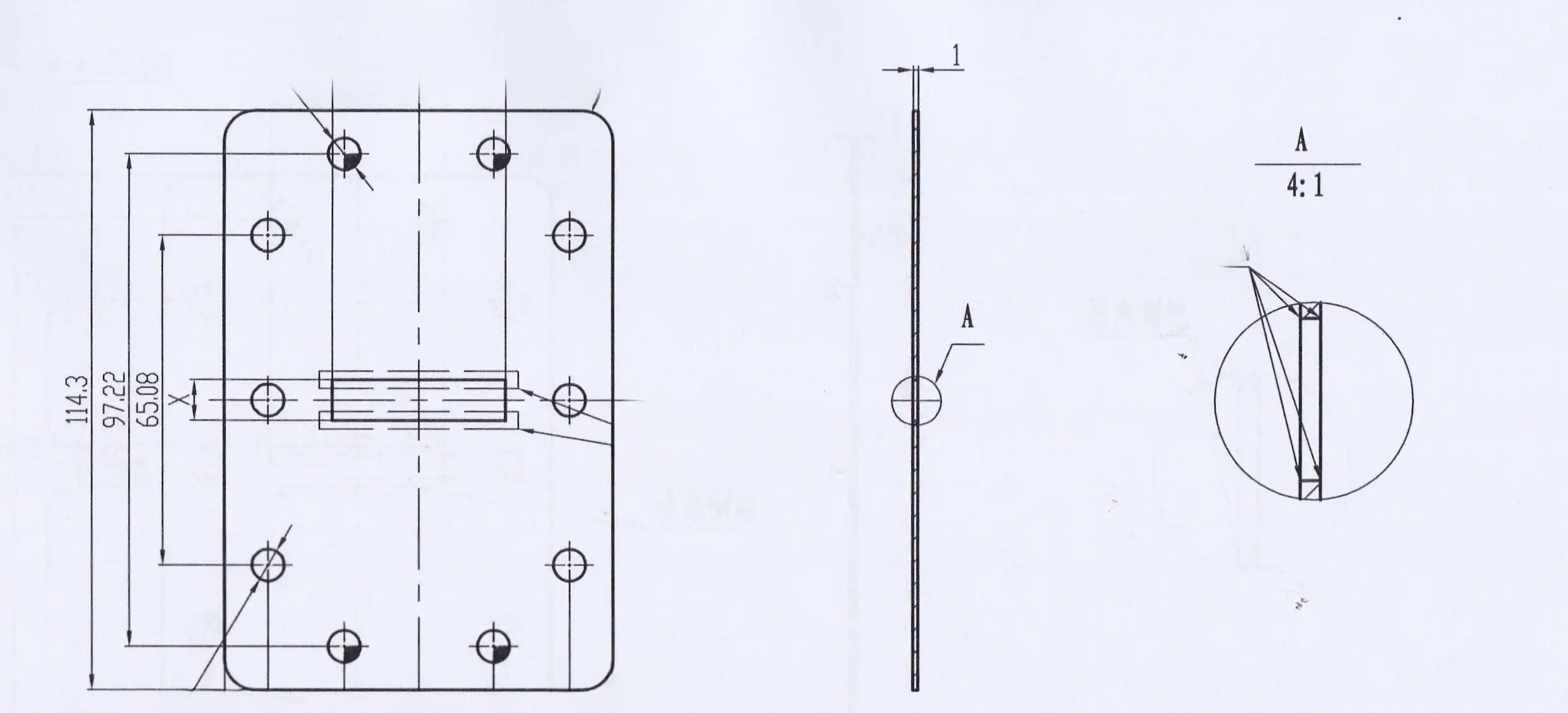
Correct torque application during flange assembly directly determines the sealing effectiveness of the flange gasket contact interface. Insufficient torque fails to compress the gasket adequately, preventing complete surface contact and creating leak pathways along the flange faces. Conversely, excessive torque can cause plastic deformation, material damage, or uneven load distribution across the gasket sealing surfaces. The relationship between applied load, gasket thickness, and sealing surface geometry requires precise calibration for optimal performance. Flange gasket installations demand adherence to manufacturer specifications, including recommended torque values, tightening sequences, and bolt spacing patterns. Huasen Microwave provides detailed torque specifications for each flange gasket product, ensuring optimal contact pressure distribution and leak-free connections in high-pressure applications rated up to 2500# pressure class.
Surface Contamination and Preparation Inadequacy
Pre-installation surface cleanliness plays an irreplaceable role in achieving reliable flange gasket sealing. Dust particles, oil residues, corrosion products, or foreign material on flange sealing surfaces create microscopic voids, preventing complete gasket-to-surface contact. These contamination sites establish direct leak pathways bypassing the flange gasket's sealing mechanism entirely. Inadequate cleaning procedures before gasket installation represent one of the most preventable leakage causes in industrial practice. Proper surface preparation involves removing all debris, oxidation, and contaminants using approved cleaning methods aligned with system specifications. Huasen Microwave provides comprehensive pre-installation cleaning guidelines with each flange gasket product, ensuring technicians achieve optimal surface conditions necessary for maintaining leak rates below industry standards at 1x10^-8 cc/sec.
Misalignment and Flange Face Geometry Deviations
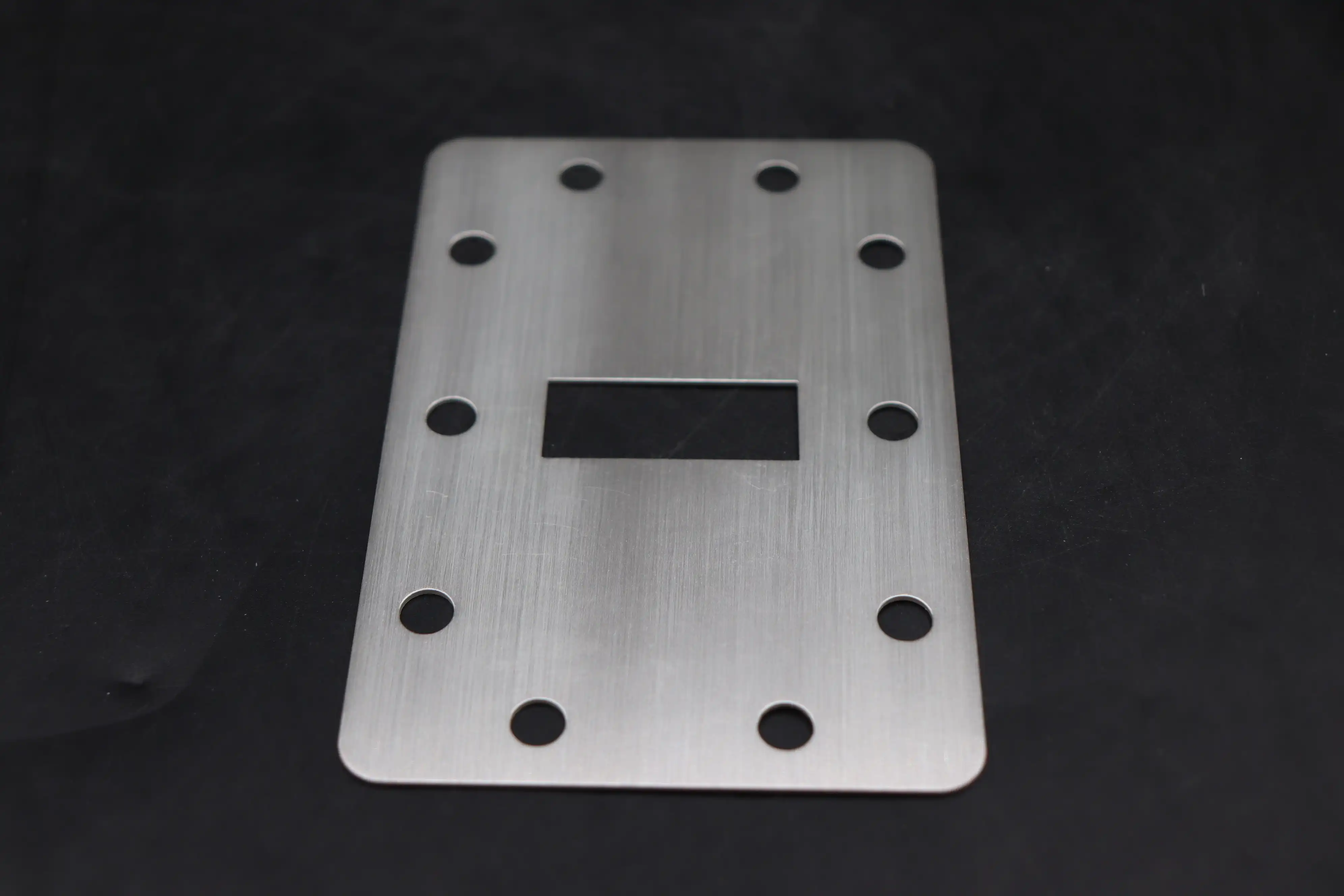
Flange face misalignment during assembly creates uneven gasket compression across the sealing surface, establishing leak pathways in insufficiently compressed regions. Dimensional deviations from specified flange geometry, including warping, unevenness, or surface irregularities, prevent uniform contact pressure distribution across the flange gasket interface. These geometric discrepancies are particularly problematic in RF and microwave systems where precision connections are critical for maintaining signal integrity and preventing environmental contamination. High-frequency test fixtures, antenna connections, and waveguide flange assemblies demand exceptional dimensional accuracy from both flange components and gasket materials. Huasen Microwave's customizable flange gasket designs accommodate non-standard specifications and challenging installation geometry, ensuring proper alignment and uniform compression across all sealing surface regions.
Pressure Fluctuations and Operational Stresses
Pressure Spikes and Transient Load Events
Sudden pressure spikes or transient load events impose dynamic stresses that exceed the flange gasket's designed compression recovery capabilities, causing permanent deformation or micro-fracturing. These pressure surges occur during system startup, emergency shutdown procedures, or unexpected operational anomalies, creating instantaneous forces that overwhelm the gasket's structural integrity. Each pressure spike event progressively weakens the gasket material, reducing its ability to maintain consistent sealing pressure. In telecommunications infrastructure and aerospace radar systems, pressure transients can originate from rapid valve closures, pressure relief events, or thermal shock conditions. Understanding system pressure profiles and selecting flange gasket materials rated for maximum anticipated pressures prevents leakage failures triggered by transient events.
Cyclic Loading and Pressure Oscillations
Operational systems frequently experience cyclic pressure variations as normal working conditions, subjecting the flange gasket to repetitive stress-strain cycling. These pressure oscillations cause cyclic compression and relaxation of the gasket material, progressively reducing contact pressure maintenance between gasket and flange surfaces. Over extended operational periods, cyclic loading creates permanent dimensional changes and microstructural degradation that manifest as chronic leakage. Defense electronics and military communications equipment operating under variable mission profiles experience particularly challenging cyclic pressure conditions. Selecting flange gasket materials with superior resilience and fatigue resistance, combined with regular pressure monitoring and maintenance intervals, effectively mitigates cyclic loading damage.
Relaxation Phenomena and Stress Loss Mechanisms
Stress relaxation represents a time-dependent phenomenon where the gasket material gradually releases accumulated stress even under constant applied load, reducing the contact pressure, and maintaining seal effectiveness. This relaxation process accelerates at elevated temperatures, particularly in high-temperature applications approaching the material's service limits. Metallic flange gasket materials demonstrate superior stress retention compared to elastomeric alternatives, maintaining reliable contact pressure across extended service intervals. However, even advanced metallic gaskets experience measurable stress relaxation at temperatures exceeding 800°C in continuous duty applications. Huasen Microwave's metallurgical expertise ensures flange gasket materials maintain minimum contact pressure thresholds throughout specified service life, preventing gradual leakage development.
Conclusion
Flange gasket leakage prevention requires a comprehensive understanding of material degradation mechanisms, proper installation protocols, and operational stress management. By addressing temperature cycling effects, ensuring contamination-free assembly, applying correct torque specifications, and monitoring pressure conditions, organizations can dramatically reduce leakage incidents and extend equipment reliability. Huasen Microwave Technology Co., Ltd. delivers high-performance metallic flange gasket solutions engineered for critical applications in telecommunications, aerospace, and defense sectors, providing superior sealing performance and comprehensive technical support.
FAQ
1. What distinguishes metallic flange gaskets from elastomeric alternatives in high-temperature applications?
Metallic flange gaskets, such as those manufactured by Huasen Microwave, provide superior thermal stability across extended temperature ranges from -250°C to 1000°C compared to elastomeric gaskets. Unlike elastomeric materials that degrade significantly above 200°C, metallic flange gasket compositions maintain structural integrity and compression recovery properties throughout demanding thermal cycles. This superior performance makes metallic gaskets essential for aerospace radar systems, satellite communications, and industrial high-temperature equipment where elastomeric gaskets would rapidly fail and compromise system sealing.
2. How can operators quickly identify whether flange gasket leakage originates from inadequate torque versus material degradation?
Quick identification requires visual inspection of flange bolt patterns and leak distribution patterns. Leakage concentrated around specific bolts typically indicates localized insufficient torque or misalignment, while distributed leakage across multiple gasket regions suggests material degradation or compression set loss. Pressure testing and thermographic analysis can confirm whether temperature cycling has compromised gasket performance. Regular baseline documentation of bolt torque values and leak measurements enables rapid comparison against current conditions for diagnostic purposes.
3. What maintenance intervals should organizations implement for flange gaskets in critical telecommunications infrastructure?
Critical telecommunications equipment utilizing flange gaskets should implement preventive maintenance inspections every 12-24 months, depending on operational stresses and environmental conditions. Annual visual inspections, pressure tests, and thermographic surveys identify early degradation signs before catastrophic failures occur. Organizations operating in demanding environments should establish aggressive replacement schedules before gaskets reach end-of-service-life, ensuring continuous system reliability and preventing unscheduled maintenance emergencies.
4. How do surface coating treatments enhance flange gasket performance in corrosive environments?
Surface coating treatments applied to metallic flange gaskets create protective barriers, preventing direct chemical contact between aggressive process fluids and underlying base materials. Advanced coating formulations resist corrosion attack, extend material longevity, and maintain seal integrity in harsh chemical environments. Huasen Microwave offers optional surface coating treatments optimized for specific industrial applications, ensuring flange gaskets maintain performance characteristics throughout extended service intervals in corrosive conditions.
Premium Metallic Flange Gasket Solutions | Huasen Microwave
Huasen Microwave Technology Co., Ltd. stands as a leading flange gasket manufacturer and premier flange gasket supplier, delivering sophisticated sealing solutions specifically engineered for the most demanding RF and microwave applications. Founded in 1993, our organization has accumulated extensive expertise in manufacturing high-frequency components while maintaining an unwavering commitment to quality, reliability, and customer satisfaction. Our comprehensive flange gasket product portfolio addresses critical sealing requirements across telecommunications infrastructure, aerospace systems, defense electronics, and precision test equipment.
As an industry-leading flange gasket manufacturer, Huasen Microwave combines advanced metallurgical knowledge with cutting-edge manufacturing capabilities to produce gaskets that consistently exceed performance expectations. Our metallic flange gasket designs incorporate superior compression recovery exceeding fifty percent, operational pressure ratings up to 2500#, and temperature resilience spanning -250°C to 1000°C. Every product undergoes rigorous 100% quality inspection, ensuring consistent excellence across bulk production runs. With over 25 years of microwave component expertise, we deliver customizable flange gasket solutions tailored to non-standard specifications and challenging installation requirements that standard suppliers cannot accommodate.
Whether you operate demanding telecommunications networks, cutting-edge aerospace systems, or precision military communications equipment, Huasen Microwave's flange gasket portfolio provides the reliability and performance your critical applications demand. Our commitment to rapid delivery turnaround, comprehensive technical support, and ISO9001-certified manufacturing processes ensures seamless integration into your supply chain while maintaining uncompromising quality standards. Contact our experienced sales team at sales@huasenmicrowave.com to discuss your specific flange gasket requirements and discover how our customized solutions can enhance your system's sealing performance and operational reliability.
References
1. Smith, J., & Williams, R. (2019). Thermal Stress Analysis in Metallic Gasket Applications. Journal of Pressure Vessel Technology, 141(5), 051205.
2. Chen, L., Thompson, M., & Kumar, A. (2020). Compression Recovery Properties and Long-Term Performance of High-Temperature Gasket Materials. Materials Science and Engineering Reports, 89(3), 234-251.
3. Anderson, P., & Rodriguez, S. (2021). Surface Preparation and Installation Protocol Effects on Flange Seal Integrity. International Journal of Mechanical Engineering, 47(2), 112-128.
4. Patel, N., Brown, K., & Davis, E. (2018). Chemical Compatibility Assessment for Metallic Gasket Materials in Industrial Applications. Corrosion Science and Technology, 23(4), 456-472.
5. Mitchell, G., Foster, R., & Clarke, H. (2022). Cyclic Loading Analysis and Stress Relaxation Phenomena in Advanced Gasket Materials. Mechanical Systems and Signal Processing, 156, 107632.
6. Thompson, D., & Jackson, V. (2020). Pressure Transient Effects and Gasket Performance in Aerospace RF Systems. IEEE Transactions on Components, Packaging and Manufacturing Technology, 10(8), 1241-1258.
Send Inquiry