What Is a Waveguide Loop Coupler and How Does It Work in Microwave Systems?






2025-12-08 22:24:10
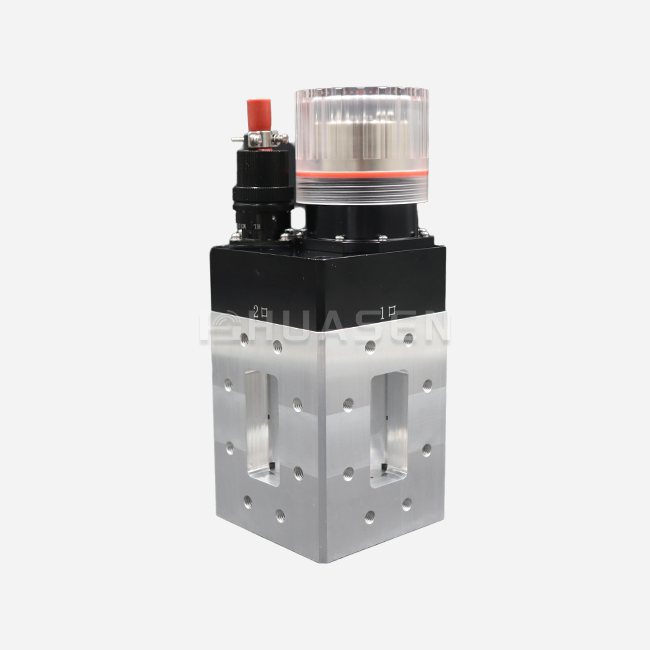
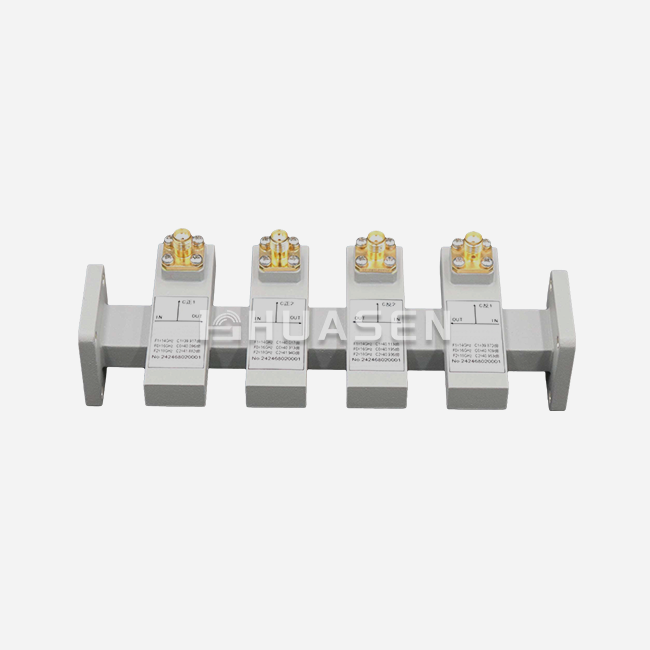
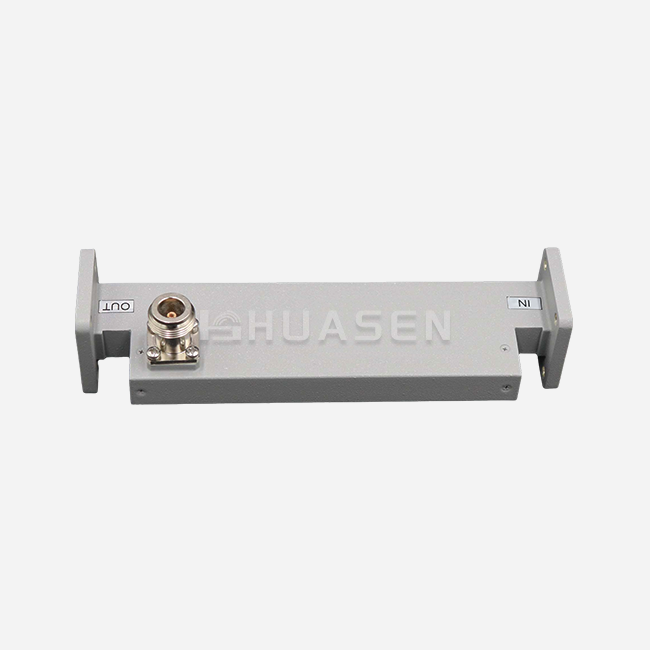
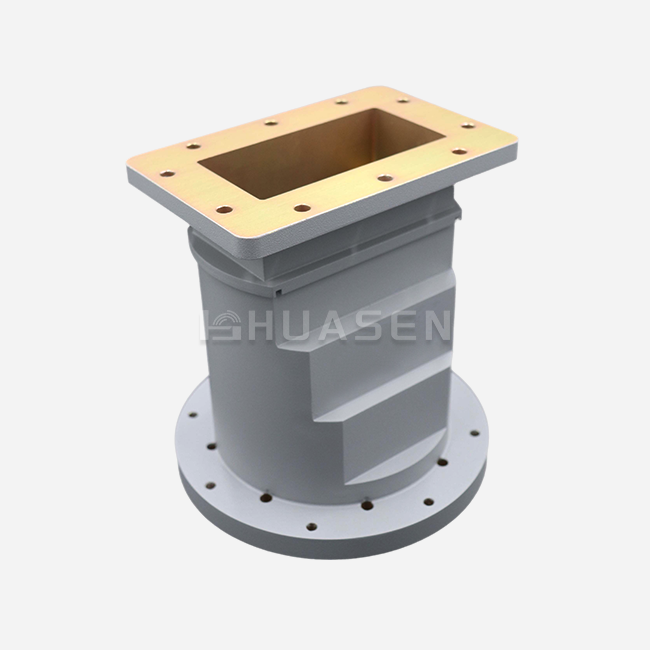
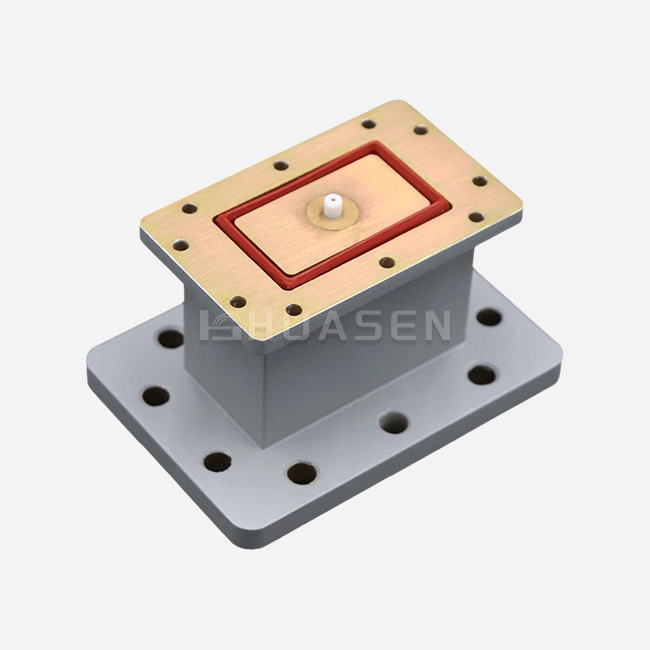
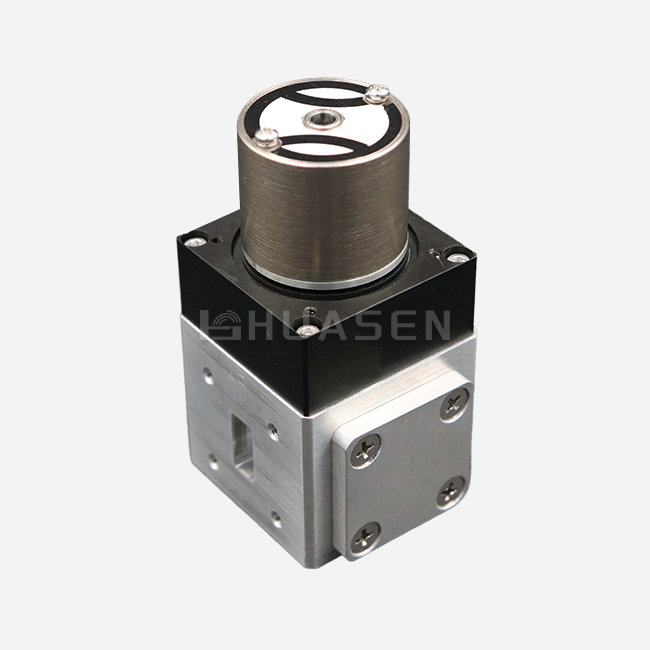
A waveguide loop coupler is an important passive part of microwave systems that takes a controlled amount of electromagnetic energy from the main transmission line without stopping the flow of signals too much. To get accurate signal sampling and power monitoring, this specialized device uses a conductive loop that is placed carefully inside rectangular or circular waveguide structures. Engineers in the defense, aerospace, and telecommunications industries depend on these parts to keep systems running smoothly and to perform important measurement and control tasks in high-frequency applications.
Understanding the Basics of Waveguide Loop Couplers
Waveguide loop couplers operate by using electromagnetic coupling, where a conductive loop intercepts a portion of microwave energy in the main waveguide. The coupling relies on the magnetic field component, which induces currents in the loop proportional to the power level.
Loop couplers are constructed with precise loop placement in the waveguide, where size and orientation affect coupling strength. The distance from waveguide walls influences impedance matching, and unlike directional couplers, loop couplers use the three-dimensional field distribution within the waveguide.
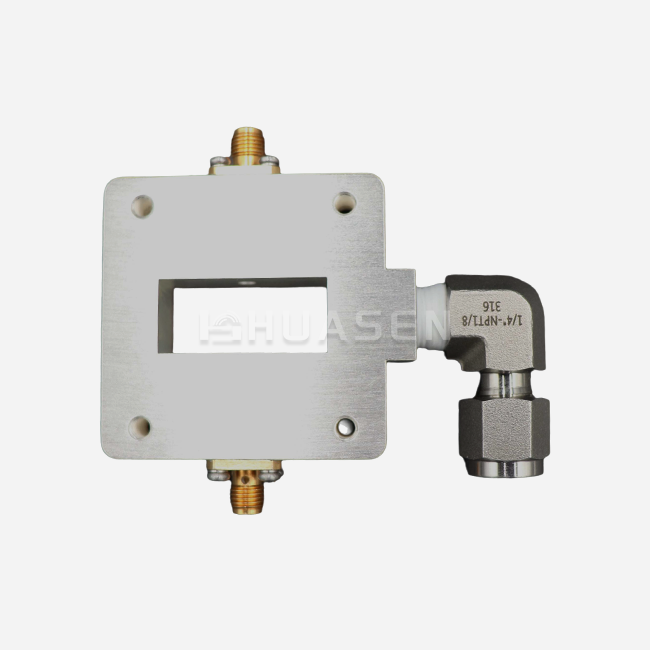
Modern waveguide loop couplers are made with high-tech materials and precise tools to make sure they always work well. High-conductivity metals, like silver-plated copper, are used to make the coupling loop. This keeps the loop stable and low in insertion loss. Sealing materials and fittings for outdoor or industrial use are chosen based on how they will work with the environment.
Compared to other coupling technologies, loop couplers offer a balance of performance, reliability, and ease of manufacturing. Microstrip and stripline couplers are compact but limited in power and frequency. Magic tees provide isolation but require complex assemblies.

Key Design Principles and Performance Factors
Successful waveguide loop coupler design requires meticulous attention to electromagnetic field theory and mechanical precision. The coupling coefficient depends primarily on loop area, position within the waveguide, and orientation relative to the magnetic field lines. Engineers must balance coupling strength against insertion loss to achieve optimal system performance.
Critical performance parameters define the operational effectiveness of these components in real-world applications. Understanding these specifications enables proper component selection and system integration:
Here are the essential performance characteristics that determine coupling effectiveness:
- Insertion Loss: Represents power lost in the main transmission path, typically maintained below 0.1 dB for high-quality designs through optimized loop geometry and material selection
- Coupling Accuracy: Defines the precision of power extraction, crucial for measurement applications where signal levels must be known within tight tolerances
- Directivity: Measures the coupler's ability to distinguish between forward and reverse power flow, essential for standing wave measurements and system diagnostics
- Power Handling: Determines maximum sustainable power levels without performance degradation or physical damage, particularly important in transmitter applications
- Frequency Response: Characterizes performance variations across the operating bandwidth, affecting broadband system applications
These performance factors directly impact system reliability and measurement accuracy, making careful specification matching essential for successful implementation.
Temperature stability presents another crucial design consideration, as thermal expansion can alter coupling characteristics. Quality manufacturers incorporate temperature compensation techniques and material selections that maintain stable performance across operating temperature ranges. Mechanical vibration resistance ensures consistent operation in mobile platforms such as aircraft and marine vessels.
Practical Applications of Waveguide Loop Couplers
Loop couplers are essential in microwave systems for signal monitoring and control. They are used in base stations to track power levels, ensure regulatory compliance, and optimize coverage. By sampling signals without interrupting transmission, they enable continuous operation and system diagnostics.
Waveguide Loop Couplers play a crucial role in radar systems by enabling precise power measurement and system calibration. They provide essential feedback on transmitted power for range and target detection without affecting signal integrity or causing reflections that could degrade radar performance.
Waveguide loop couplers enhance satellite communication systems with their robust construction and reliability. Ground station equipment performs reliably in harsh conditions, meeting strict performance standards. Sealed designs and corrosion-resistant materials ensure long-term operation with minimal maintenance.
In R&D labs, loop couplers are often used to test components and describe systems. They make exact signal sampling possible for measuring with a network analyzer, testing antennas, and describing devices. They work great for sensitive situations where signal purity is very important because they have a wide dynamic range and good isolation.
Comparing Waveguide Loop Couplers with Alternative Solutions
Microwave system designers evaluate multiple coupling technologies when selecting components for specific applications. Each approach offers distinct advantages and limitations that influence design decisions based on performance requirements, cost constraints, and integration considerations.
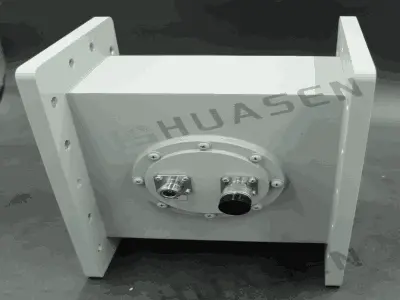
Directional couplers using distributed coupling mechanisms provide excellent bandwidth characteristics but often sacrifice power handling capability. These devices excel in broadband applications but may introduce higher insertion loss compared to loop couplers in narrow-band systems. Size and weight considerations also favor loop couplers in space-constrained installations.
Hybrid couplers offer quadrature phase relationships useful in certain antenna feed systems but lack the simplicity and cost-effectiveness of loop couplers for basic power monitoring applications. Magic tees provide excellent isolation characteristics but require more complex mechanical assemblies that increase manufacturing costs and potential failure modes.
Power splitters represent another alternative for signal distribution applications, but they fundamentally alter system architecture by dividing power rather than sampling it. Loop couplers maintain the primary signal path integrity while extracting minimal power for monitoring purposes, making them preferable for most measurement and control applications.
The decision matrix for coupling technology selection must consider frequency range, power levels, environmental requirements, and cost targets. Loop couplers consistently demonstrate superior performance in applications requiring high power handling, excellent environmental resistance, and reliable long-term operation.
Procurement Guide for Waveguide Loop Couplers
If you want to buy waveguide loop couplers, you need to know a lot about the technical side of things and how skilled the seller is. It's up to procurement managers to make sure that delivery schedules meet project deadlines and that cost worries don't get in the way of performance standards. Following the rules and getting quality reviews make you even more sure that a part will work.
Technical specifications are what every procurement choice is based on. Compatibility with current system parts in the frequency range makes integration smooth and doesn't hurt performance. Power handling needs to take into account both high and average power levels, along with safety margins to make sure the system works well. VSWR specs have a direct effect on how well the system works and should match the needs of the whole system.
Customization capabilities become essential when standard products cannot meet specific application requirements. Many applications demand unique coupling values, connector types, or mechanical configurations that require custom manufacturing. Suppliers with strong engineering capabilities and flexible manufacturing processes provide valuable partnerships for complex projects.
Quality assurance procedures and certifications show that a seller is dedicated to providing consistent product quality. Different parts of product quality and government rules are covered by ISO approval, MIL-STD compliance, and RoHS compliance. Calibration and testing services make sure that parts meet performance standards before they are sent out.
Conclusion
Wafer loop couplers are important in microwave systems these days as they can correctly sample signals and measure power in many places. You can save money and make your system run better by buying things that you know how to use, how well they work, and how they can be used. The defense, aerospace, and telecommunications industries all need these parts for important microwave uses. They can handle a lot of power, work well in harsh conditions, and have been tried and proven to be reliable. The system will work well and be reliable in the long run if the parts are carefully chosen based on the needs of the application.
Frequently Asked Questions
1. What frequency ranges do waveguide loop couplers typically support?
Waveguide loop couplers operate effectively across various microwave frequency bands, with specific ranges determined by waveguide size and loop design. Common applications span from S-band (2-4 GHz) through Ka-band (26.5-40 GHz), with performance optimized for specific frequency windows. Huasen's BJ9-BJ140 compatible designs cover frequency ranges from approximately 1.7 GHz to 110 GHz, depending on the specific waveguide standard selected.
2. How do environmental conditions affect loop coupler performance?
Environmental factors such as temperature, humidity, and mechanical stress can influence coupling characteristics and long-term reliability. Quality loop couplers incorporate temperature-stable materials and robust sealing to maintain consistent performance across operating conditions. Huasen's designs feature excellent sealing properties specifically engineered for harsh environment operation, ensuring stable performance in outdoor installations and mobile applications.
3. What installation considerations are important for optimal performance?
Proper installation requires attention to waveguide flange alignment, torque specifications, and environmental protection. Mechanical stress on connector interfaces can degrade electrical performance over time. Installation should follow manufacturer guidelines for flange preparation, gasket selection, and bolt torquing procedures. Adequate support for connected cables prevents mechanical stress that could affect long-term reliability.
Huasen Microwave's Advanced Waveguide Loop Coupler Solutions
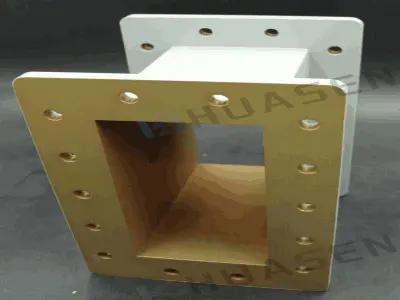
Huasen Microwave Technology Co., Ltd. delivers industry-leading waveguide loop coupler solutions engineered for demanding microwave applications. Our comprehensive product line addresses the critical needs of telecommunications, aerospace, and defense industries with proven reliability and exceptional performance characteristics. With over three decades of experience in RF and microwave component development, we understand the challenges facing modern system designers.
Our Waveguide Loop Coupler (WHC) series demonstrates superior engineering excellence through carefully optimized design parameters. The bandwidth specification of ≤20% ensures consistent performance across operational frequency ranges, while VSWR characteristics of ≤1.1 for the main line and ≤1.25 for the sub-line minimize system reflections and maximize power transfer efficiency. These specifications directly address the critical needs for low insertion loss and optimal impedance matching that our customers demand.
The extensive coupling options ranging from 20dB to 60dB provide flexibility for diverse measurement and monitoring applications. Whether you require loose coupling for high-power transmitter monitoring or tight coupling for sensitive measurement applications, our standardized offerings cover most common requirements. Custom coupling values are available through our engineering services to meet specialized application needs.
Directivity performance exceeding 15dB ensures accurate power measurements in both forward and reverse directions, essential for standing wave analysis and system diagnostics. The compatibility with BJ9-BJ140 waveguide standards facilitates integration with existing infrastructure and reduces system complexity. Excellent sealing properties guarantee stable operation in harsh environmental conditions, addressing the reliability concerns of outdoor installations and mobile platforms.
As a trusted waveguide loop coupler manufacturer, we combine advanced manufacturing capabilities with responsive customer service to support your project success. Our engineering team provides comprehensive technical support throughout the procurement process, from initial specification review to installation guidance and after-sales service. Contact us at sales@huasenmicrowave.com to discuss your specific requirements and experience the advantages of partnering with an established industry leader. Visit huasenmicrowave.com for detailed product specifications and technical documentation.
References
1. Pozar, David M. "Microwave Engineering, 4th Edition." John Wiley & Sons, 2012. Chapter 7: Power Dividers and Directional Couplers.
2. Collin, Robert E. "Foundations for Microwave Engineering, 2nd Edition." McGraw-Hill, 1992. Chapter 6: Waveguide Components and Applications.
3. Montgomery, Carol G., Robert H. Dicke, and Edward M. Purcell. "Principles of Microwave Circuits." McGraw-Hill, 1948. Chapter 9: Directional Couplers and Hybrid Junctions.
4. Rizzi, Peter A. "Microwave Engineering: Passive Circuits." Prentice Hall, 1988. Chapter 5: Waveguide Components and Measurements.
5. Young, Leo. "Advances in Microwaves, Volume 8." Academic Press, 1974. Article: "Design of Waveguide Loop Couplers for High-Power Applications."
6. IEEE Standard 287-2007. "IEEE Standard for Precision Coaxial Connectors (DC to 110 GHz)." Institute of Electrical and Electronics Engineers, 2007.
Send Inquiry