Step-by-Step Installation Guide for Waveguide Short Plates in Microwave Communication






2025-12-08 22:25:28
Installing a waveguide short plate in microwave communication systems requires precision and understanding of RF principles. These critical components terminate electromagnetic waves completely, creating perfect reflections for testing, impedance matching, and system calibration. Whether you're working with fixed short plates, sliding configurations, or bias models, proper installation ensures optimal signal integrity and system performance across frequency ranges from 0.32 GHz to 112 GHz. Understanding the installation process helps engineers achieve reliable connections while maintaining excellent VSWR performance in telecommunications, radar, and aerospace applications.
Understanding Waveguide Short Plate Fundamentals
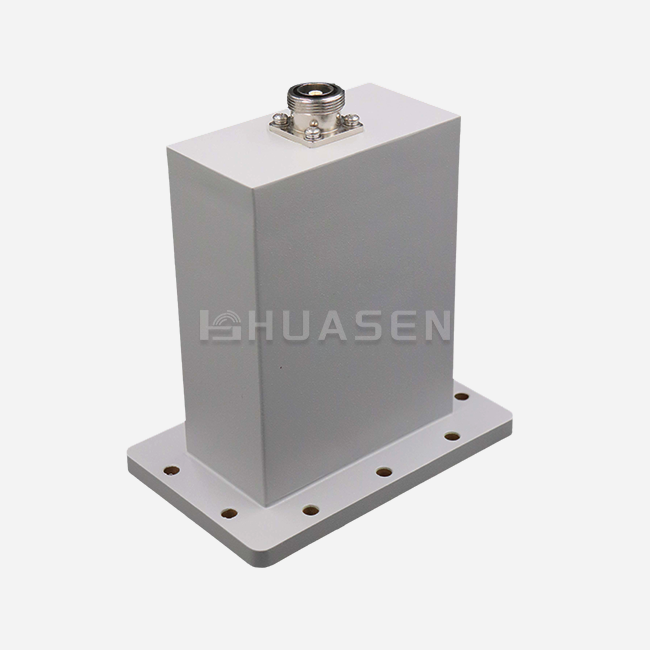
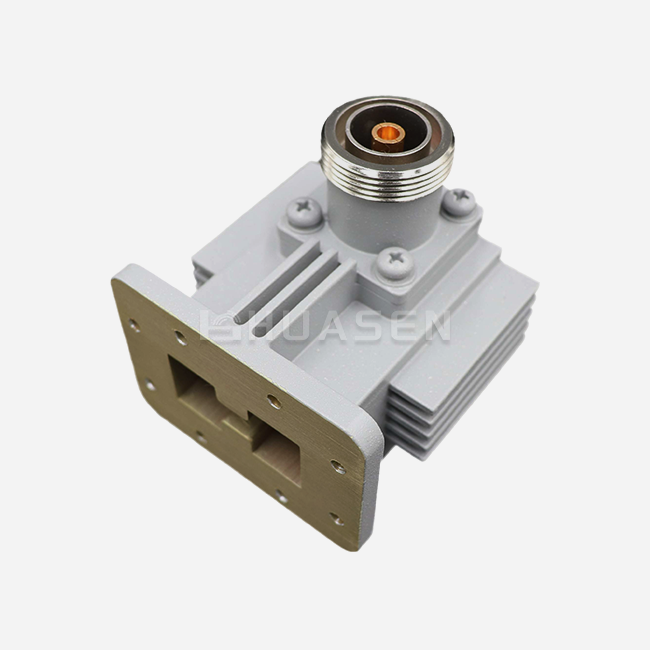
Waveguide short plates serve as essential termination devices in microwave systems, creating complete signal reflection at specific points within transmission lines. These components function by placing a conductive barrier perpendicular to wave propagation, effectively blocking electromagnetic energy and forcing total reflection back toward the source.
The three primary types each serve distinct purposes in RF applications. Fixed waveguide short plates (WS) provide permanent terminations with exceptional VSWR performance exceeding 60:1. Sliding configurations (WSS) offer adjustable positioning capabilities with sliding distances ranging from 10mm to 300mm, enabling precise tuning and measurement applications. Bias waveguide short-circuits (WOFS) incorporate specialized geometries for specific impedance matching requirements.
The choice of material is very important for how well something works. The low-frequency applications are best suited to aluminum construction with an anodized finish, which provides great conductivity and corrosion resistance. Copper substrates plated with silver or gold are used in high-frequency applications to ensure low insertion loss and better electrical properties at millimeter-wave frequencies.
Pre-Installation Preparation and Safety Considerations
Proper preparation prevents installation complications and ensures optimal system performance. Begin by verifying compatibility between the short plate flange configuration and existing waveguide infrastructure. Common flange types include FDP, FBP, and FUGP standards, each requiring specific mounting hardware and torque specifications.
How well an installation goes depends heavily on environmental factors. Component life in extreme or outdoor conditions is reduced by mechanical vibration, temperature cycling, and humidity exposure. Waterproofing, dustproofing, and temperature resistance are just a few of the environmental standards that you should check that the short plates you choose meet.
Gather essential installation tools including calibrated torque wrenches, precision alignment gauges, and appropriate cleaning materials. Static discharge protection becomes critical when handling sensitive RF components, particularly in laboratory or measurement environments where signal integrity cannot be compromised.
Documentation review ensures installation compliance with relevant standards including MIL-STD, GB, ISO, and RoHS requirements. Many aerospace, defense, and telecommunications applications mandate specific certification levels, making pre-installation verification essential for project success.
Mechanical Installation Procedures
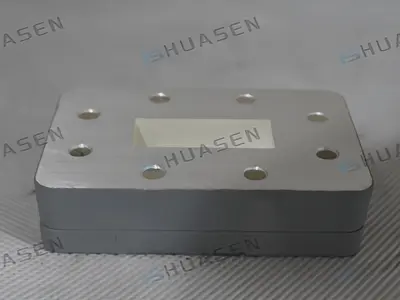
Before you start putting the waveguide together, make sure the flanges aren't broken, dirty, or too small. Use the right solvents and lint-free products to clean contact surfaces. Make careful to get rid of any dust, rust, or manufacturing residue that could damage electrical connections.
Put the short plate up against the opening in the waveguide and make sure that the bolt patterns on the flanges match up correctly. When you put in sliding short plates, you need to be extra careful about where the guide rails and mechanical clearances are. Make sure that the sliding elements move smoothly across the whole range and don't get stuck or have too much play.
When installing mounting hardware for Waveguide Short Plate, be careful to follow the manufacturer's directions for checking bolts, threading, and washer combinations. To make sure the load is evenly distributed, use a cross-pattern arrangement to tighten the bolts, and increase the torque each time. The maximum torque values are usually between 5 and 15 Nm, depending on the size and type of the flange.
When installing sliding short plates, you need to make sure that the guide rails and mechanical stops are adequately oiled. When you need to, only use approved lubricants, and make sure that everything runs smoothly across the entire range. Put in mechanical brakes to keep the parts from going too far and perhaps breaking.
Electrical Connection and Testing Verification
Electrical verification confirms proper installation and optimal performance characteristics. Connect appropriate test equipment including network analyzers, power meters, or VSWR measurement devices. Ensure all connections utilize compatible connector standards such as SMA, K-type, or WR-series waveguide interfaces.
Measure return loss characteristics across the intended frequency range, verifying that VSWR performance meets or exceeds specification requirements. Fixed short plates should demonstrate VSWR values above 60:1, while sliding configurations typically achieve 50:1 or better performance levels.
Sliding short plate testing requires measurements at multiple positions throughout the travel range. Document VSWR performance, insertion characteristics, and mechanical repeatability to establish baseline performance data. This information proves valuable for future maintenance and troubleshooting activities.
Power handling verification becomes critical for high-power applications including base station front-end systems, radar installations, and military communications equipment. Gradually increase power levels while monitoring for arcing, overheating, or performance degradation that might indicate installation problems.
Troubleshooting Common Installation Issues
Poor VSWR performance often indicates mechanical alignment problems or contaminated contact surfaces. Re-examine flange connections for proper seating and uniform pressure distribution. Clean interfaces thoroughly and re-torque fasteners to specification values using proper sequence patterns.
Sliding mechanism binding typically results from inadequate lubrication, foreign material contamination, or mechanical misalignment. Disassemble sliding components carefully, clean all surfaces, and apply fresh lubricant according to manufacturer recommendations. Check guide rail alignment and adjust as necessary to eliminate binding.
Frequency response anomalies may indicate internal resonances or dimensional irregularities. Verify that the Waveguide Short Plate design matches the intended frequency range and waveguide size. Cross-reference part numbers against application requirements to ensure compatibility.
Problems with environmental performance show up as slow decline over time. Check the VSWR characteristics on a regular basis, especially for locations that are outside where the temperature, humidity, or corrosive atmospheres can change. To keep things working well for a long time, replace any sealing parts that need it and put on protective coats as needed.
Maintenance and Long-Term Performance Optimization
Preventive maintenance schedules extend component life and maintain optimal performance characteristics. Establish regular inspection intervals based on environmental conditions and duty cycle requirements. Laboratory installations may require annual verification, while harsh outdoor environments demand more frequent attention.
Sliding short plate maintenance involves periodic lubrication, mechanical adjustment, and wear inspection. Document sliding force requirements and travel smoothness to identify gradual degradation before failure occurs. Replace worn components proactively to avoid system downtime.
Environmental protection becomes particularly important for installations in maritime communications, aerospace applications, or outdoor telecommunications infrastructure. Apply corrosion inhibitors, replace weatherproof seals, and verify enclosure integrity regularly.
Performance trending provides early warning of developing problems. Maintain detailed records of VSWR measurements, environmental exposure, and maintenance activities. Statistical analysis of performance data helps optimize replacement schedules and identify systemic issues.
Conclusion
Successful waveguide short plate installation requires careful attention to mechanical precision, electrical verification, and environmental considerations. Following systematic procedures ensures optimal VSWR performance while maintaining long-term reliability in demanding applications. Whether implementing fixed terminations, sliding configurations, or specialized bias designs, proper installation techniques maximize system performance and minimize maintenance requirements. Regular verification and preventive maintenance preserve optimal characteristics throughout component service life, supporting critical communication, radar, and aerospace applications where reliability cannot be compromised.
Partner with Huasen Microwave for Premium Short Plate Solutions
Choosing the right waveguide short plate supplier ensures project success and long-term reliability. Huasen Microwave Technology brings three decades of specialized experience in high-frequency component design and manufacturing, serving telecommunications, radar, aerospace, and defense industries worldwide.
Our comprehensive product line covers frequency ranges from 0.32 GHz to 112 GHz, supporting applications from 5G base stations to millimeter-wave research systems. Custom flange configurations, specialized materials, and application-specific modifications address unique system requirements that standard products cannot satisfy.
Technical support extends beyond product delivery to include design assistance, sample evaluation programs, and detailed test data provision. Our engineering team collaborates with customers throughout the design process, ensuring optimal component selection and installation success.
Quality certifications including MIL-STD compliance, ISO standards, and RoHS conformance provide confidence for critical applications. Rigorous testing protocols verify performance characteristics while stable supply chain management ensures reliable delivery schedules for volume production requirements.
Ready to enhance your microwave communication systems with precision-engineered components? Contact our technical specialists to discuss your waveguide short plate requirements and discover how our expertise can optimize your next project. Reach out to our team to contact us at sales@huasenmicrowave.com and experience the reliability that comes from partnering with a trusted manufacturer.
References
1. Johnson, R.C. and Jasik, H. "Antenna Engineering Handbook, Fourth Edition." McGraw-Hill Professional, 2007.
2. Collin, Robert E. "Foundations for Microwave Engineering, Second Edition." IEEE Press, 2001.
3. Pozar, David M. "Microwave Engineering, Fourth Edition." John Wiley & Sons, 2011.
4. Ramo, Simon, John R. Whinnery, and Theodore Van Duzer. "Fields and Waves in Communication Electronics, Third Edition." John Wiley & Sons, 1994.
5. Marcuvitz, Nathan. "Waveguide Handbook." IET Electromagnetic Waves Series, 1986.
6. IEEE Standard 299-2006. "IEEE Standard Method for Measuring the Effectiveness of Electromagnetic Shielding Enclosures." Institute of Electrical and Electronics Engineers, 2007.
Send Inquiry