
Reliable Electric Waveguide Switches for Radar Systems: Enhancing High Frequency Performance






2026-01-06 21:31:44
Radar technology is always changing, and the need for high-performance parts keeps growing. The electric waveguide switch is an important part of many advanced radar devices. These devices are very important for making radar operations more efficient and reliable, especially when using high-frequency signals. Radar systems can work better in a variety of difficult environments thanks to electric waveguide switch technology, which enables quick and accurate signal routing. When it comes to getting the most out of a radar system, effective electric waveguide switches are very important. These switches have a lot of benefits, such as low insertion loss, high isolation, and fast switching speeds. As radar technology moves to higher frequency bands, it's more and more important to have waveguide switches that can handle these tough conditions. The uses of advanced radar systems with high-performance waveguide switches are always growing, from armed defense systems to tracking weather and controlling air traffic.

Key Performance Metrics for Waveguide Switches
When testing how well electric waveguide switches work for radar, there are a number of important things to consider. These factors have a direct effect on how well and how reliably the radar system works. For this reason, they are very important for engineers and system designers to keep in mind.
Insertion Loss
The power of a signal is lowered when it goes through the waveguide switch. This is called insertion loss. In high-frequency radar systems, keeping insertion loss as low as possible is very important to keep the signal quality and range. The best electric waveguide switches have insertion loss values of 0.1 dB or less, which makes sure that the signal quality is as good as it can be.
Isolation
Isolation tests how well the switch can stop signals from leaking between ports when the switch is "off." In multi-channel radar systems, high separation is very important for keeping the signal clean and avoiding interference. The best waveguide switches in the industry provide 70 dB or higher of separation, which gets rid of crosstalk between signals.
Switching Speed
In radar settings that are always changing, it's often needed to quickly switch between different signal lines. How quickly an electric waveguide switch can switch between states is determined by its switching speed. Advanced switches can switch in 300 ms or less, which makes it possible for radar to work more quickly and track targets better.
Power Handling Capacity
Radar systems often use a lot of power, especially when they are used to see things at long distances. Waveguide switches must be able to handle these power levels without failing or breaking. The power-handling ability of a switch is usually described using peak and average power ratings. Some high-performance switches can handle kilowatts of RF power.
Changes in Design for the Reliability of High-Frequency Switches
As radar systems move into higher frequency bands, electric waveguide switches must be redesigned to work with these new conditions. A number of new methods have been found to improve both the dependability and performance of switches at these very high frequencies.
Advanced Materials and Coatings
High-frequency waveguide switches have become a lot more effective since specialized materials and surface processes were used on them. Dielectric materials with low loss and metal alloys with high conductivity help keep signal loss to a minimum. Advanced coats protect the surface and help keep intermodulation distortion low.
Precision Manufacturing Techniques
To keep tolerances low and performance uniform at millimeter-wave frequencies, manufacturers are using new ways of making things. Computer-controlled cutting, 3D printing, and advanced etching methods make it possible to build complex waveguide structures with an accuracy that has never been seen before.
Thermal Management Solutions
Waveguide switches can get very hot when they are used with high-power radar. New ways of managing thermal, like integrated heat sinks and active cooling systems, help keep stable switch performance even when conditions are tough.
Electromagnetic Simulation and Optimization
Electromagnetic simulation tools that are more advanced help designers get the best shape and performance for switches before making a real model. This method makes more efficient systems, have better electrical properties, and are more reliable.
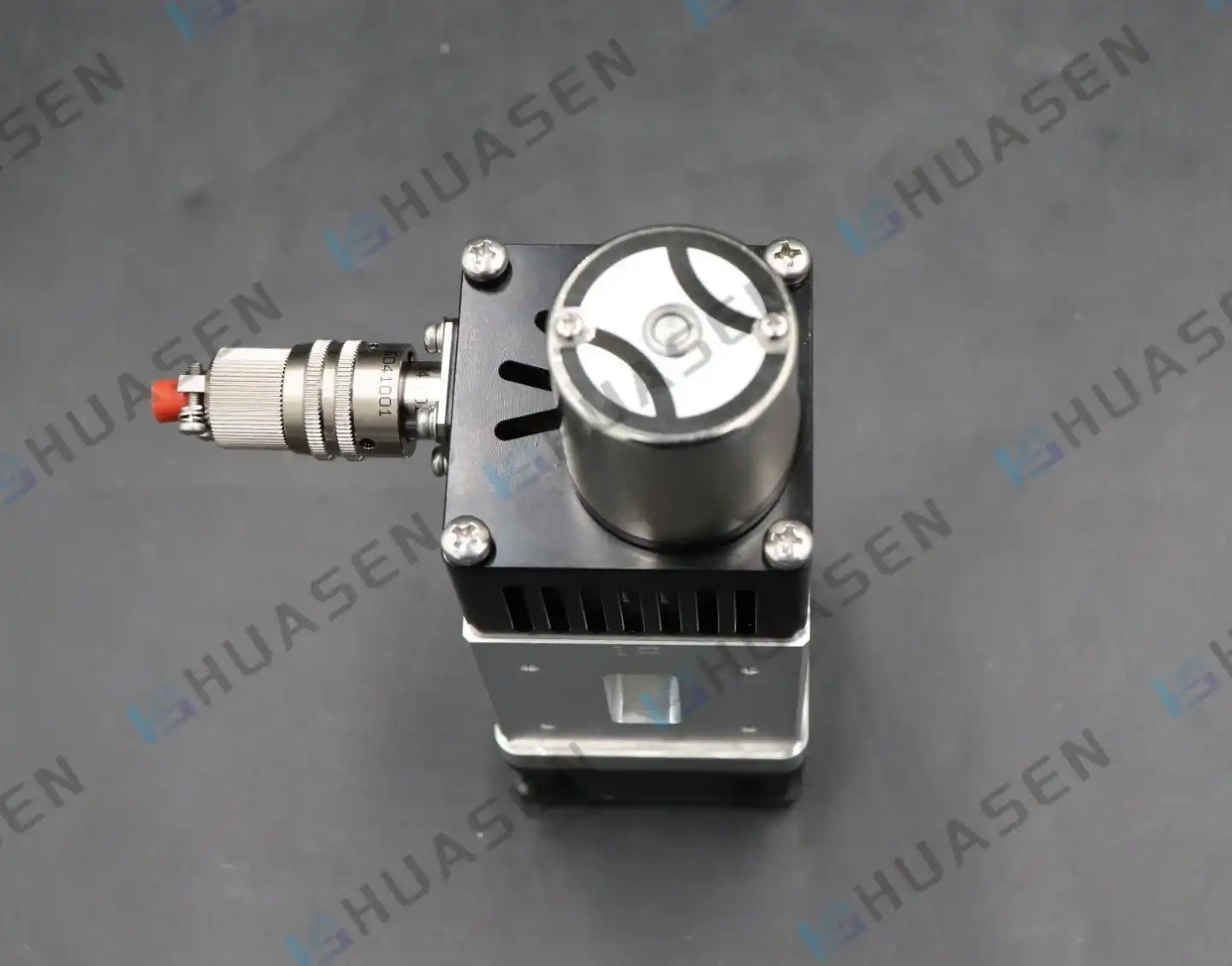
Radar Applications Using Electric Waveguide Switches
New electric waveguide switches are used in many different radar uses because they are reliable and can be used in many different ways. These switches are very important for improving the performance and capabilities of radar devices in many different areas.
Military and Defense Radar
Rapid beam steering and mode swapping are made possible by electric waveguide switches in military radar systems, which is essential for acquiring and tracking targets. These switches must work consistently in tough conditions and withstand high power levels. This makes them very important parts of advanced phased array radar systems.
Weather Radar Networks
Meteorological radar devices use waveguide switches to change scanning modes and polarizations. Being able to change how the tool is used leads to better precipitation measurement and storm cell analysis, which helps with more accurate severe weather forecasts and detection.
Air Traffic Control Radar
Airport surveillance radar systems use electric waveguide switches to manage multiple antenna feeds and implement various scanning patterns. The high isolation and low insertion loss of these switches help keep contact with aircraft clear and free of interference in crowded airspace.
Satellite Communication Systems
Satellite transmission systems use technology that is a lot like radar, even though they aren't the same thing. In these cases, waveguide switches make it easier to switch between different frequency bands and antenna elements. This helps make better use of the limited satellite resources available and improves signal clarity.
As radar technology moves forward, effective electric waveguide switches become more and more important for improving high-frequency performance. With these important parts, radar systems can get much better in terms of sensitivity, range, and versatility in all sorts of uses.
Conclusion
Radar technology is always changing, and electric waveguide switches are very important to this growth because they are always making the technology better. As we have seen, these switches are very important for meeting the high performance and dependability standards that modern radar systems need, especially as they operate at higher frequencies.
For businesses that want to improve their radar or create the most advanced systems, working with a known source for high-quality waveguide parts is very important. Huasen Microwave Technology Co., Ltd. is a leader in this field. They offer a full range of electric waveguide switches made to meet the high standards of today's radar uses.
Huasen Microwave has decades of experience with microwave and millimeter-wave technology, so we can offer personalized solutions that meet the exact needs of your radar projects. Our team of experienced engineers is ready to help you with anything, whether you're working on next-generation military radar systems, updating networks that keep track of weather, or coming up with new ideas in the field of satellite communications.
Don't let poor quality parts hold back the promise of your radar systems. Huasen Microwave's dependable electric waveguide switches can help you improve your high-frequency performance. Get in touch with our sales team today to talk about how we can help you reach your radar tech objectives and expand the limits of what's possible in high-frequency apps.

FAQ
1. Huasen Microwave's electric waveguide switches cover what range of frequencies?
With waveguide sizes ranging from WR-2300 to WR-10, Huasen Microwave's electric waveguide switches operate over a wide frequency range of 1.72 GHz to 112. This wide coverage makes sure that it works with a lot of different radar and communication apps.
2. How do electric waveguide switches improve radar system performance?
Electric waveguide switches improve radar performance by ensuring high separation (≥ 70 dB), low insertion loss (≤ 0.1 dB), and fast switching speeds (≤ 300 ms). These traits make it easier for the system to route signals, avoid interference, and increase awareness and range.
3. What types of electric waveguide switch configurations does Huasen Microwave offer?
Huasen Microwave makes a lot of different kinds of electric waveguide switches. Some of the types they use are single-pole double-throw (SPDT), double-pole double-throw (DPDT), and three-channel six-port designs. This type can be used in a range of different kinds of radar systems because it is so adaptable.
4. Are Huasen Microwave's electric waveguide switches suitable for high-power radar applications?
Yes, Huasen Microwave's electric waveguide switches are made to handle a lot of power, so they work well with demanding radar uses. Each model can handle a different amount of power, so please talk to our sales team to get the exact information that you need.
Elevate Your Radar Performance with Huasen Microwave's Electric Waveguide Switches | Huasen Microwave
Are you ready to improve your tracking systems a lot? In the competitive world of high-frequency applications, Huasen Microwave's electric waveguide switches give you the dependability, speed, and customization you need to stay ahead. Our team of professionals is ready to help you choose the right parts for your needs.
Don't settle for less when it comes to your radar technology. Contact Huasen Microwave today and discover how our advanced electric waveguide switches can enhance your system's capabilities. Reach out to our sales team at sales@huasenmicrowave.com to start the conversation and take the first step towards optimizing your radar performance.
References
1. Johnson, R. C., & Jasik, H. (2018). Antenna Engineering Handbook, 5th Edition. McGraw-Hill Education.
2. Pozar, D. M. (2011). Microwave Engineering, 4th Edition. John Wiley & Sons.
3. Skolnik, M. I. (2008). Radar Handbook, 3rd Edition. McGraw-Hill Education.
4. Rowe, H. E. (2015). Electromagnetic Propagation in Multi-Mode Random Media. John Wiley & Sons.
5. Balanis, C. A. (2015). Advanced Engineering Electromagnetics, 2nd Edition. John Wiley & Sons.
6. Richards, M. A., Scheer, J. A., & Holm, W. A. (2010). Principles of Modern Radar: Basic Principles. SciTech Publishing.
Send Inquiry

Related Industry Knowledge
- What is a Waveguide Tube, and how does it differ from ordinary coaxial cables in signal transmission?
- What is the working principle of a waveguide sliding short?
- How to Use a Coaxial Fixed Attenuator in RF Testing (With Common Mistakes to Avoid
- Coaxial Load vs. Coaxial Attenuator: What’s the Difference?
