Log Periodic Antenna Applications in EMC and Spectrum Monitoring






2026-04-04 21:57:03
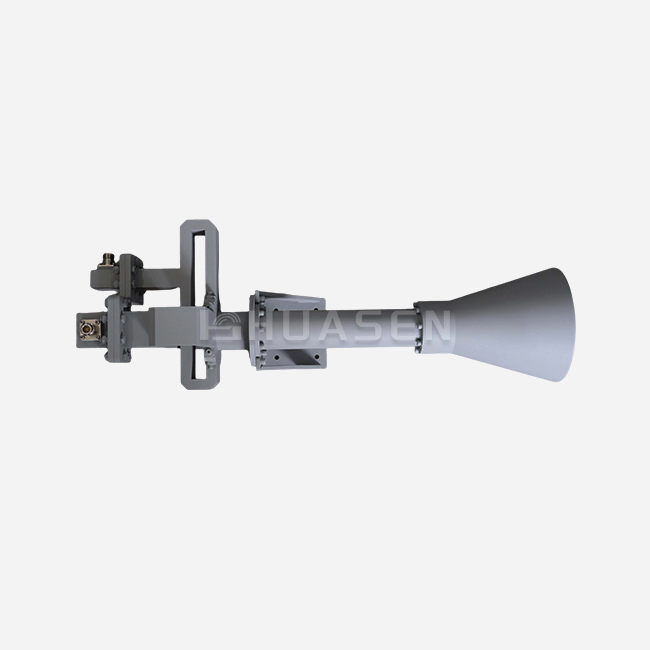
The Log Periodic Antenna is an essential tool for engineers who need to quickly and accurately test for electromagnetic compatibility and spectrum monitoring across a wide range of frequency bands. When it comes to EMC testing, these high-tech broadband directional antennas work really well because they have stable gain and cover a lot of frequencies. Log periodic antennas work continuously across a wide frequency range, unlike traditional narrow-band antennas that need to be switched on and off a lot during testing. This makes them important for modern EMC compliance verification and real-time spectrum surveillance applications.
Understanding Log Periodic Antennas in EMC and Spectrum Monitoring
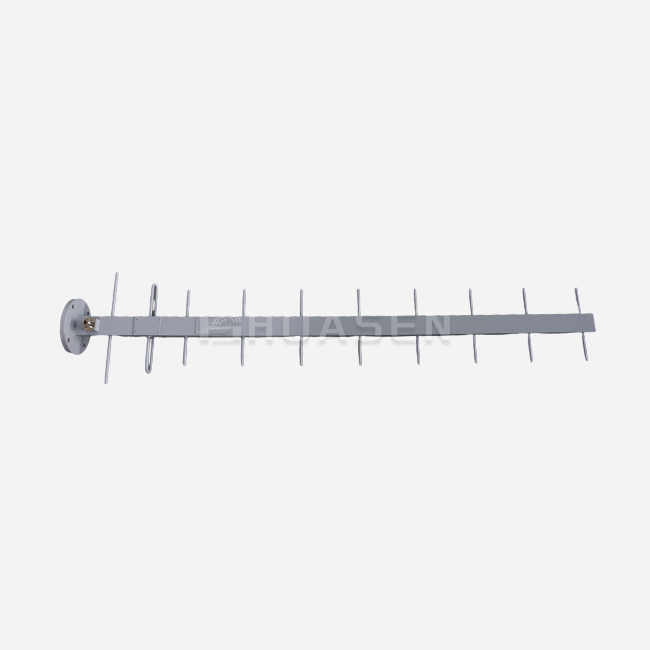
Log periodic antennas represent a breakthrough in broadband antenna technology, featuring a distinctive design where radiating elements are arranged according to logarithmic scaling principles. This geometric arrangement enables these antennas to maintain relatively constant gain and impedance characteristics across frequency ranges that often span multiple octaves, typically from 30 MHz to 18 GHz in professional applications.
Fundamental Design Principles
The best thing about log periodic antenna technology is that it works with any frequency. Each dipole element in the antenna array resonates at a certain frequency. As the frequency changes, the logarithmic scaling makes sure that there are smooth transitions between active parts. This way of thinking about design makes a structure that works well with itself and keeps the same radiation patterns and input impedance across the whole operating bandwidth. The end-fire radiation pattern of the antenna gives it great directivity, which makes it especially useful for EMC measurements that need high spatial precision. The stable phase center location across frequency ensures measurement repeatability, a critical factor for compliance testing where accuracy and consistency determine pass-fail results.
Advantages Over Alternative Antenna Technologies
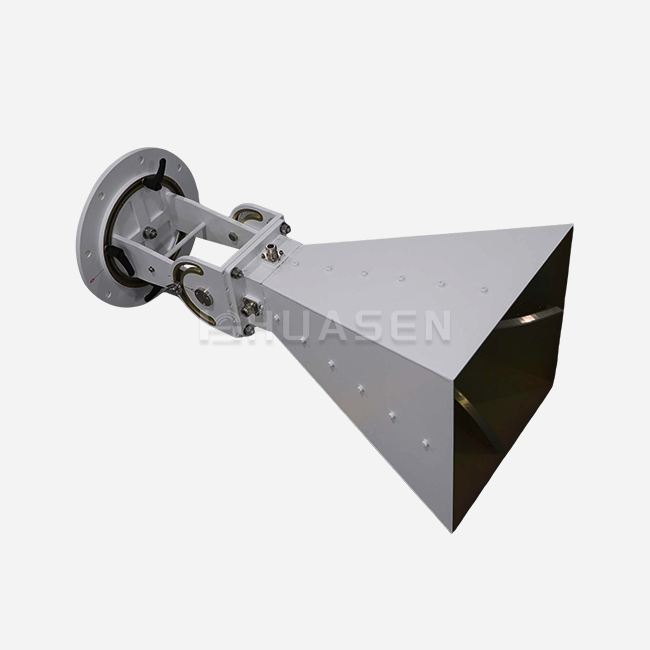
When compared to horn antennas, log periodic designs are easy to carry and handle, and they keep their gain stability very well. Unlike Yagi antennas, which have a high gain but a narrow bandwidth, log periodic antennas give up some peak gain in exchange for much better frequency agility. This trade-off is very useful in EMC settings where readings need to be taken over a wide range of frequencies without changing the antenna. Log periodic antennas don't need complicated antenna factor corrections during automated test processes because their gain is always the same. This dependability makes EMC testing easier and lowers the chance of wrong measurements. This is especially important for approved test labs that have to follow strict standards for accuracy and traceability.

Key Applications of Log Periodic Antennas in EMC and Spectrum Monitoring
Professional EMC testing facilities and spectrum monitoring operations rely heavily on log periodic antennas for their versatility and measurement accuracy. These antennas serve critical roles in both conducted and radiated emission testing, as well as immunity assessments that form the backbone of electromagnetic compatibility verification.
EMC Radiated Emissions Testing
During radiated emissions testing, log periodic antennas act as receiving antennas that pick up the electromagnetic energy that the devices being tested send out. Because the antenna is broadband, it can do frequency sweeps continuously and without stopping. This lets automatic test systems quickly do full emission scans. This feature comes in handy when checking complicated electronics that might give off unwanted signals in a number of frequency ranges. Because log periodic antennas have consistent gain, measures of emission stay accurate across the whole test frequency range. This dependability is important for testing for compliance with international standards like CISPR 32 and FCC Part 15, which use exact measurements of emission levels to decide if a product is in line with the rules.
Spectrum Monitoring and Interference Detection
Log periodic antennas are very useful for spectrum tracking because they cover a wide range of frequencies. These antennas let monitoring sites keep an eye on multiple communication bands at the same time. This way, they can find unauthorised transmissions or sources of interference that could mess up important communication systems. Log periodic antennas' directed properties make it easier to find the source of interference using direction-finding methods. By turning the antenna and watching how the signal strength changes, operators can find three sources of interference and take the right steps to stop them. This feature is very useful for keeping sensitive places safe, like airports, military bases, and sites for important infrastructure.
Field Measurement Applications
Portable spectrum analysers, LPA with log periodic antennas, let you take measurements on the go for studies in the field. Because it is tough and covers a wide range of frequencies, the antenna is perfect for fixing problems with electromagnetic interference in industrial settings where many emission sources may interact in unpredictable ways. These mobile measurement tools are great at finding intermittent interference events that are hard to pick up in a controlled lab setting. Being able to do measures at real installation sites, where real-world electromagnetic environments exist, gives information that can't be gotten from normal lab tests.
Selecting the Right Log Periodic Antenna for Procurement
Procurement decisions for log periodic antennas require careful evaluation of technical specifications against intended application requirements. The frequency range represents the primary selection criterion, as different antenna models optimize performance for specific spectrum segments such as VHF/UHF communications, cellular bands, or microwave frequencies.
Critical Technical Specifications
Gaining flatness across the operational bandwidth determines measurement accuracy and repeatability. High-quality log periodic antennas maintain gain variations within ±3 dB across their specified frequency range, ensuring consistent measurement results. The antenna factor, which relates received voltage to incident field strength, should demonstrate smooth variation with frequency to simplify calibration procedures. Voltage Standing Wave Ratio specifications indicate the antenna's impedance matching quality. Professional-grade log periodic antennas typically maintain VSWR below 2:1 across their operational bandwidth, minimizing measurement errors caused by impedance mismatches. This specification becomes particularly critical when antennas interface with sensitive measurement instruments, where reflection losses could compromise measurement accuracy.
Environmental and Mechanical Considerations
Outdoor installations require antennas with robust weatherproofing and UV resistance. Stainless steel construction with appropriate surface treatments ensures long-term reliability in harsh environmental conditions. The mounting hardware should accommodate various installation scenarios, from fixed tower installations to portable tripod setups used in field measurements. Weight considerations become important for portable applications where operators must frequently relocate measurement equipment. Modern log periodic antennas utilize lightweight aluminum construction while maintaining the structural integrity necessary for precise measurements. The mechanical design should minimize wind loading while providing stable support for the antenna elements.
Manufacturer Evaluation and Customization Options
Leading manufacturers offer various log periodic antenna configurations optimized for specific applications. Evaluation criteria should include the manufacturer's calibration capabilities, measurement traceability, and technical support quality. Accredited calibration certificates ensure measurement accuracy and provide the documentation required for quality system compliance. Customization options allow procurement teams to specify antennas tailored to unique application requirements. Custom frequency ranges, specialized mounting configurations, and enhanced environmental protection can optimize antenna performance for specific installation scenarios. These customization capabilities prove particularly valuable for OEM applications where antennas must integrate seamlessly with larger system designs.
Installation, Tuning, and Maintenance Best Practices
Proper installation techniques,LPA, maximize log periodic antenna performance and ensure measurement accuracy throughout the antenna's service life. Site preparation involves evaluating electromagnetic environments to minimize reflections and interference that could compromise measurement quality.
Mounting and Alignment Procedures
Antenna positioning requires careful attention to height above the ground plane and orientation relative to expected signal sources. The antenna's main lobe direction should align with the primary measurement axis, while side lobe suppression minimizes unwanted signal reception from adjacent sources. Precise mechanical alignment ensures consistent radiation patterns and repeatable measurement results. Coaxial cable selection and routing significantly impact system performance. Low-loss cables with stable electrical characteristics across the operational frequency range prevent signal degradation and phase variations that could introduce measurement errors. Cable routing should minimize mechanical stress and provide adequate weatherproofing at connection points.
Calibration and Performance Verification
Regular performance verification ensures continued measurement accuracy and identifies potential degradation before it compromises test results. Antenna factor measurements using calibrated signal sources provide a quantitative assessment of antenna performance across the operational bandwidth. These measurements should be performed annually or following any mechanical modifications to the antenna system. Documentation of calibration results and performance trending helps identify gradual degradation patterns that might indicate the need for maintenance or replacement. Comparison measurements against reference antennas provide additional verification of measurement system integrity and help maintain traceability to national standards.
Preventive Maintenance Protocols
Routine inspection schedules should address both mechanical and electrical aspects of antenna performance. Visual examination of antenna elements, connectors, and mounting hardware identifies potential failure modes before they impact measurement capability. Cleaning procedures remove accumulated contamination that could affect electrical performance or accelerate corrosion. Connector maintenance includes torque verification and moisture intrusion prevention. Properly applied sealants and protective covers extend connector life and maintain electrical integrity in harsh environmental conditions. Replacement schedules for consumable components such as gaskets and protective coatings ensure continued weather resistance.
Future Trends and Innovations in Log Periodic Antenna Technology
The evolution of log periodic antenna technology continues to address emerging requirements in EMC testing and spectrum monitoring applications. Advanced materials and manufacturing techniques enable improved performance while reducing size and weight constraints that traditionally limited antenna deployment options.
Enhanced Frequency Coverage and Miniaturization
Modern log periodic designs cover a wider frequency range thanks to better element spacing and more advanced feeding network designs. Because of these changes, single antennas can now cover frequency ranges that needed multiple antenna systems before. This makes test setups easier and lowers the measurement uncertainty that comes with swapping antennas. The goal of miniaturisation is to make antennas smaller while keeping their performance. Modern substrate materials and microstrip implementations make it possible for small log periodic antennas to be used in places where traditional antennas can't be used because of a lack of room. For embedded test tools and portable measurement equipment, these small designs are very useful.
Smart Antenna Integration and IoT Connectivity
Integration with digital control systems lets antennas be placed remotely, and patterns optimised based on what the measurements need. When motorised positioners are paired with software control, measurement sequences can be set up automatically that find the best antenna orientation for each test frequency or measurement situation. IoT connectivity features let antenna performance factors and environmental conditions be monitored from afar. These smart antenna systems can let workers know about problems like water getting in or damage to the parts before they get in the way of measurements. Predictive maintenance algorithms look at patterns in performance to make maintenance plans more effective and cut down on unplanned downtime.
Advanced Materials and Manufacturing Techniques
Composite materials are stronger for their weight while still having the electrical properties needed for accurate readings. Structures reinforced with carbon fibres stay the same size and shape across a wide range of temperatures, so antenna efficiency stays the same even when the environment changes. Additive manufacturing methods make it possible to make quick prototypes of custom antenna configurations and cut down on lead times for specific uses. These improvements in manufacturing allow for more customisation while still keeping the level of accuracy needed for Log Periodic Antennaprofessional measurement tasks.
Conclusion
In fields where accurate measurements and wideband coverage are very important, like EMC testing and spectrum tracking, log periodic antennas have become necessary tools. Because they don't depend on frequency and have great directional properties, they are essential for current systems that check for electromagnetic compatibility and interference. As rules change and electronics get more complicated, log periodic antennas will become even more important for making sure that everything works together electromagnetically. Choosing, setting up, and taking care of these high-tech instruments correctly is important to make sure they can measure accurately and meet the strict needs of professional EMC testing and spectrum tracking tasks.
FAQ
1. What frequency range do log periodic antennas typically cover in EMC applications?
Professional EMC log periodic antennas commonly operate from 30 MHz to 18 GHz, though specialized designs can extend coverage from 20 MHz to 40 GHz. The specific frequency range depends on the application requirements, with different models optimized for VHF/UHF communications testing, cellular band monitoring, or microwave EMC measurements. The broad frequency coverage eliminates the need for multiple antennas during comprehensive EMC test sequences.
2. How does antenna factor variation affect EMC measurement accuracy?
Antenna factor represents the relationship between received voltage and incident electric field strength, expressed in dB/m. High-quality log periodic antennas maintain smooth antenna factor variations across their operational bandwidth, typically within ±3 dB. Sudden variations or discontinuities in antenna factor can introduce measurement errors and complicate data interpretation. Calibrated antenna factor data enables accurate field strength calculations essential for EMC compliance verification.
3. What are the key differences between log periodic and horn antennas for EMC testing?
Log periodic antennas offer superior portability and broader frequency coverage compared to horn antennas, while horn antennas typically provide higher gain and better pattern stability at specific frequencies. Log periodic designs excel in applications requiring wide frequency sweeps without antenna changes, making them ideal for automated test systems. Horn antennas are preferred for applications requiring maximum sensitivity or precise pattern control at specific frequencies.
4. How do environmental conditions affect log periodic antenna performance?
Temperature variations can cause mechanical expansion that slightly shifts resonant frequencies of individual elements, though well-designed antennas minimize these effects through material selection and thermal compensation. Moisture accumulation can alter dielectric loading and create impedance mismatches, while ice formation may detune antenna elements. Proper weatherproofing and material selection ensure stable performance across specified environmental ranges.
5. What mounting considerations are critical for accurate EMC measurements?
Antenna height above the ground plane significantly affects radiation patterns and measurement accuracy, particularly at lower frequencies where ground reflections become significant. The antenna should be positioned to minimize multipath effects while maintaining a clear line-of-sight to the measurement area. Mechanical stability ensures consistent positioning during automated measurement sequences, while proper grounding prevents measurement errors caused by common-mode currents on the antenna structure.
Partner with Huasen Microwave for Superior Log Periodic Antenna Solutions
Huasen Microwave stands as a trusted Log Periodic Antenna manufacturer with over three decades of expertise in high-frequency microwave and millimeter-wave component development. Our comprehensive portfolio of log periodic antennas delivers exceptional performance for EMC testing and spectrum monitoring applications across telecommunications, aerospace, and defense sectors. With rigorous quality control processes, customization capabilities, and responsive technical support, we ensure our antennas meet the demanding requirements of professional measurement environments. Contact our engineering team at sales@huasenmicrowave.com to discuss your specific application requirements and discover how our proven Log Periodic Antenna solutions can enhance your EMC testing capabilities and spectrum monitoring operations.
References
1. Balanis, Constantine A. "Antenna Theory: Analysis and Design." John Wiley & Sons, 4th Edition, 2016.
2. IEEE Standard 145-2013. "IEEE Standard for Definitions of Terms for Antennas." Institute of Electrical and Electronics Engineers, 2013.
3. Paul, Clayton R. "Introduction to Electromagnetic Compatibility." John Wiley & Sons, 2nd Edition, 2006.
4. Williams, Tim. "EMC for Product Designers: Meeting the European EMC Directive." Newnes, 5th Edition, 2017.
5. Kodali, Vamsi Prasad. "Engineering Electromagnetic Compatibility: Principles, Measurements, Technologies, and Computer Models." IEEE Press, 2001.
6. Volakis, John L. "Antenna Engineering Handbook." McGraw-Hill Professional, 4th Edition, 2007.
Send Inquiry