Circular vs. Linear Polarization: Which Antenna is Right for Your Project?






2019-02-22 16:18:00
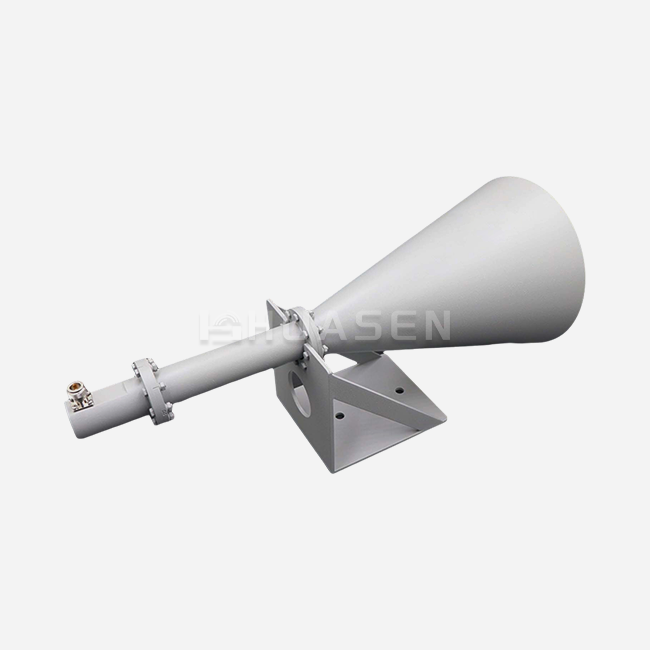
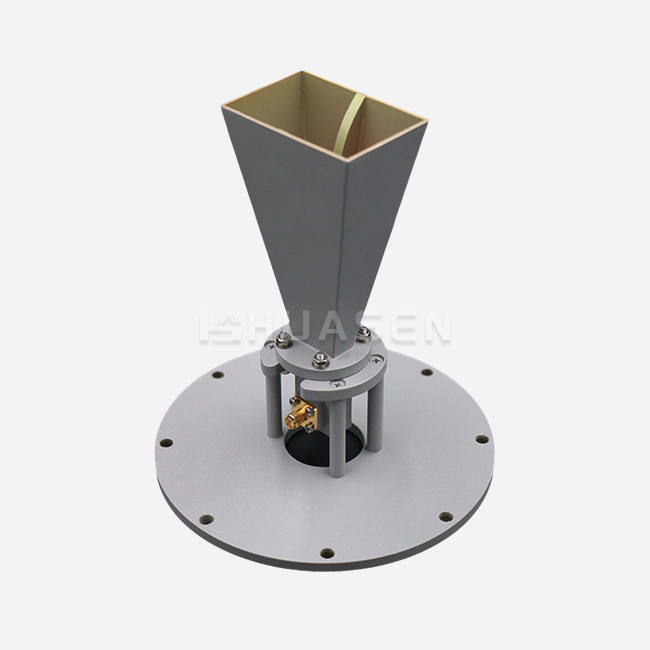
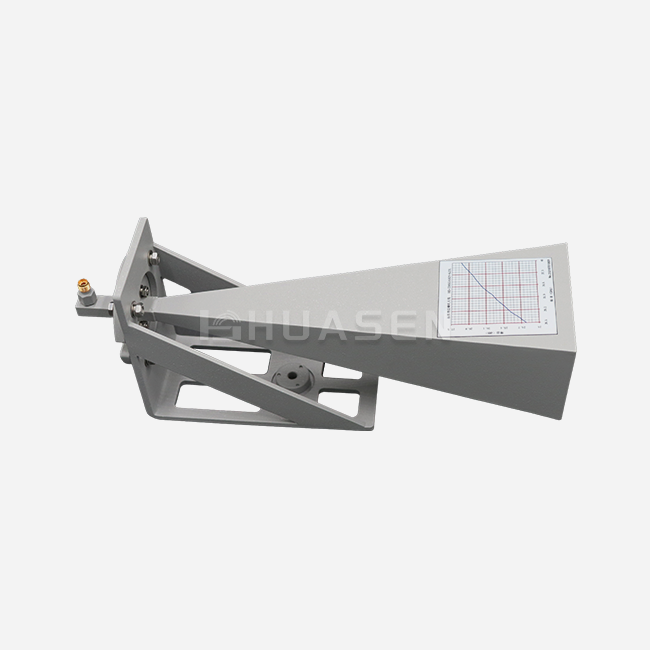
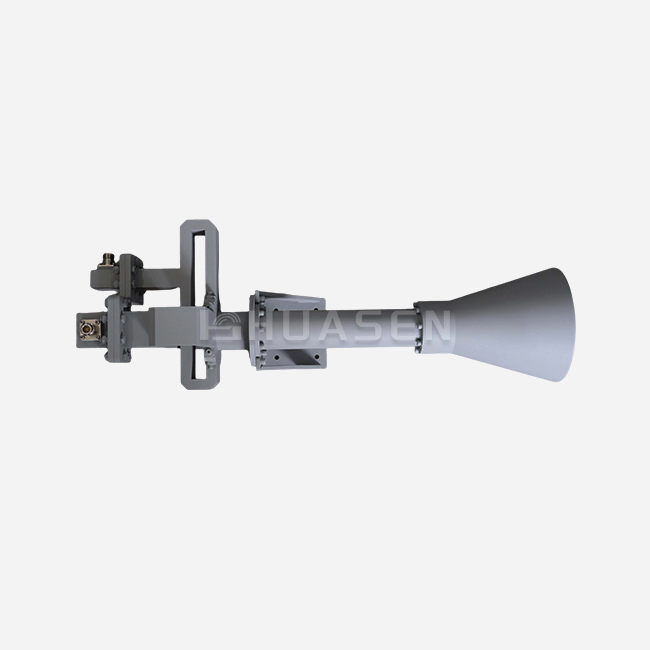
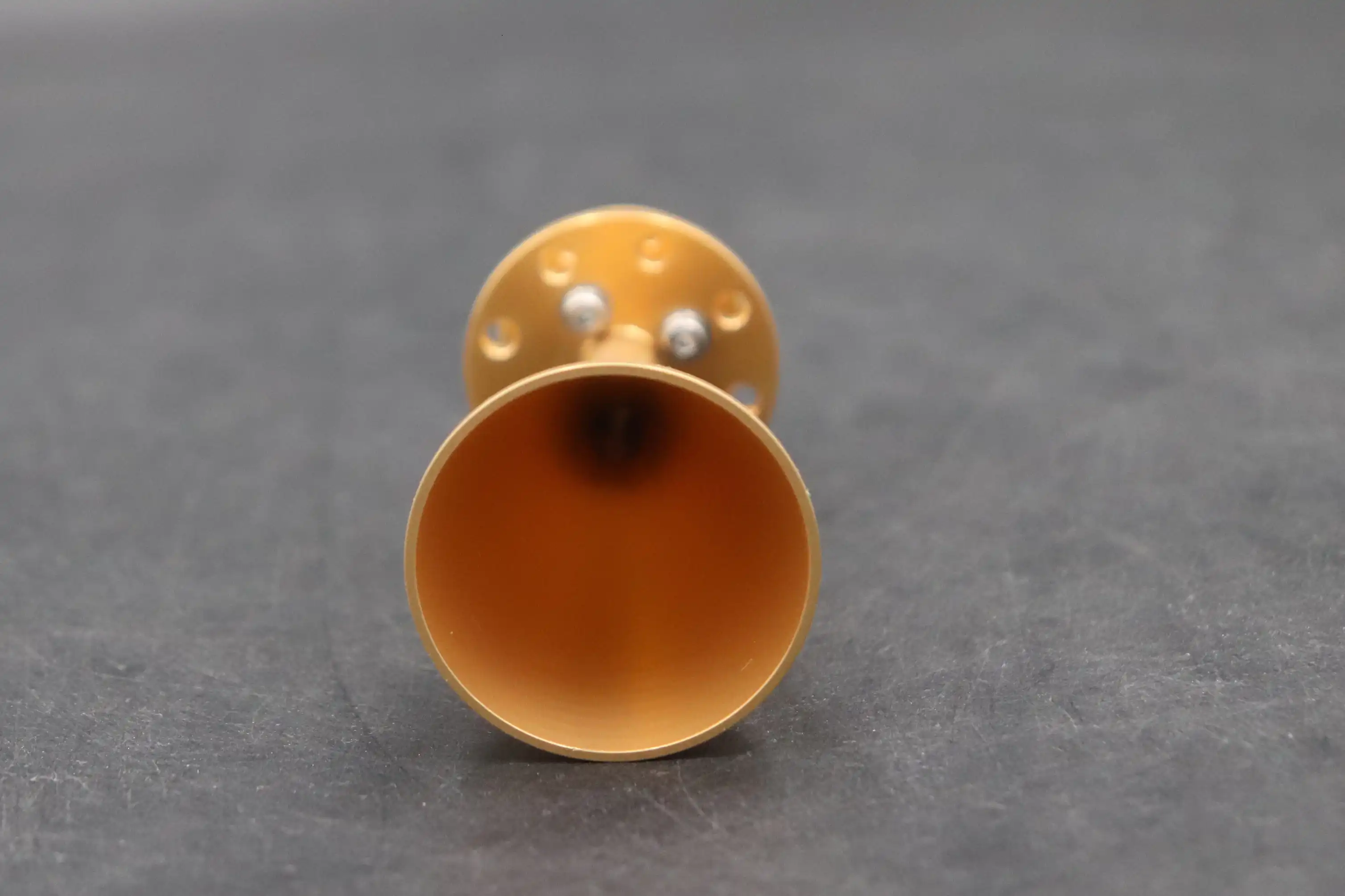
When it comes to selecting the ideal antenna for your project, understanding the difference between circular and linear polarization is crucial. The choice between these two types can significantly impact your system's performance, especially in applications requiring precise signal transmission and reception. For many advanced RF applications, a Circularly Polarized Horn Antenna offers distinct advantages. These antennas excel in minimizing signal loss due to polarization mismatch, making them ideal for satellite communications, radar systems, and other scenarios where maintaining signal integrity is paramount. However, the decision isn't always straightforward. Linear polarization may be preferable in certain situations, particularly when dealing with fixed, known orientations or when simplicity and cost-effectiveness are primary concerns. This article will delve into the nuances of circular and linear polarization, helping you make an informed decision for your specific project requirements.
What are the main differences between circular and linear polarization?
To truly grasp the implications of choosing between circular and linear polarization, it's essential to understand their fundamental differences. Linear polarization occurs when an electromagnetic wave oscillates in a single plane, either vertical or horizontal. This type of polarization is straightforward and commonly used in many traditional antenna designs.
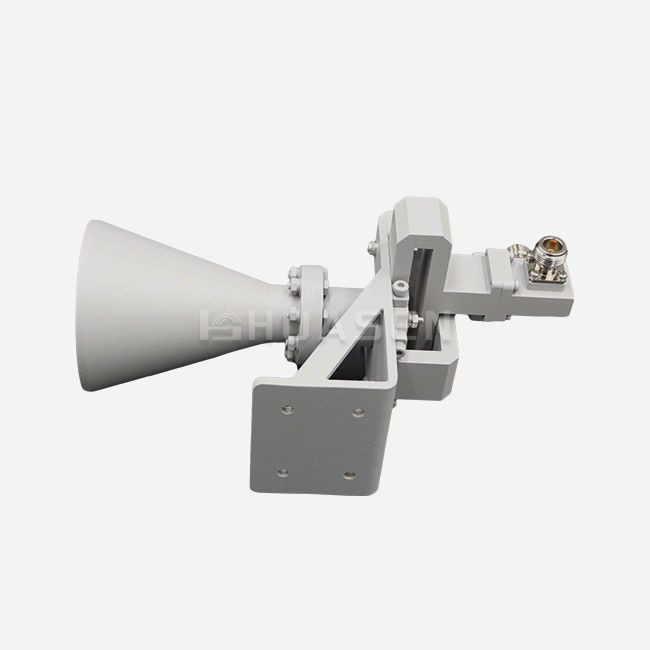
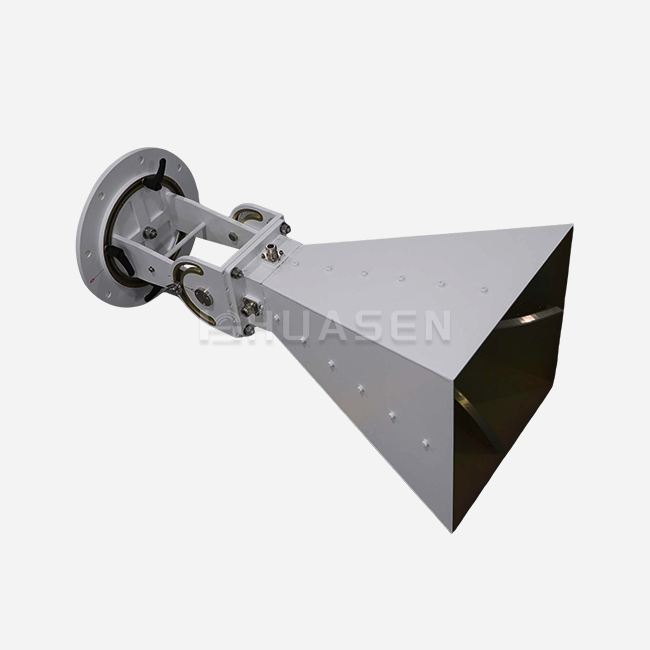
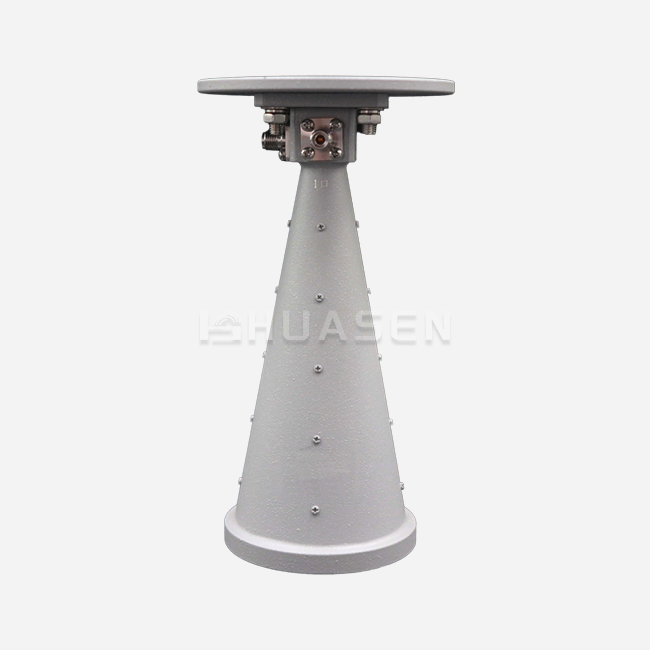
Circular polarization, on the other hand, involves a more complex wave propagation. In this case, the electromagnetic field rotates in a circular pattern as it travels through space. This rotation can be either clockwise (right-hand circular polarization) or counterclockwise (left-hand circular polarization). The Circularly Polarized Horn Antenna leverages this principle to offer unique benefits in signal transmission and reception.
Key Distinctions:
- Wave Propagation: Linear polarization maintains a constant plane, while circular polarization rotates continuously.
- Orientation Sensitivity: Linear polarization is highly sensitive to antenna orientation, whereas circular polarization is largely immune to this issue.
- Multipath Interference: Circular polarization provides better resilience against multipath interference, a common challenge in complex environments.
- Atmospheric Effects: Circular polarization can mitigate certain atmospheric effects, such as Faraday rotation in ionospheric transmission.
Understanding these differences is crucial when selecting an antenna for your project. For instance, a Circularly Polarized Horn Antenna might be the optimal choice for satellite communications, where the orientation between the transmitter and receiver is constantly changing. Its ability to maintain signal quality regardless of relative antenna positions can be a game-changer in such dynamic scenarios.

Impact of polarization mismatch on antenna performance
Polarization mismatch is a critical factor that can significantly affect the performance of your RF system. When the polarization of the receiving antenna doesn't align with that of the incoming signal, it results in signal loss, reduced efficiency, and potentially compromised communication quality. This mismatch can have varying degrees of impact depending on the severity of misalignment and the specific requirements of your application.
Quantifying Polarization Mismatch Loss:
The extent of signal loss due to polarization mismatch can be substantial. In extreme cases, where linear polarized antennas are orthogonal to each other, the loss can approach 30 dB or more. This translates to a reduction in received signal strength by a factor of 1000, which can render a communication link virtually unusable.
Circular Polarization Advantage:
One of the key benefits of using a Circularly Polarized Horn Antenna is its inherent ability to mitigate polarization mismatch issues. Because the polarization state is constantly rotating, a circularly polarized antenna can effectively receive signals from any orientation with minimal loss. This characteristic makes it particularly valuable in applications where the relative orientation between transmitter and receiver is uncertain or constantly changing.
Real-world Implications:
Consider a scenario in mobile satellite communications. As a vehicle moves, the orientation of its antenna relative to the satellite changes constantly. With linear polarization, this would result in fluctuating signal strength and potential loss of communication. A Circularly Polarized Horn Antenna, however, would maintain a consistent signal regardless of these orientation changes, ensuring reliable communication throughout the journey.
Similarly, in radar applications, circular polarization can improve target detection capabilities. It allows for better discrimination between desired signals and unwanted reflections or interference, enhancing the overall performance of the radar system.
Polarization selection for specific RF applications
Choosing the right polarization for your RF application is a critical decision that can significantly impact system performance. While circular polarization offers numerous advantages, it's not always the best choice for every scenario. Let's explore some specific applications and the considerations that might influence your choice between circular and linear polarization.
Satellite Communications:
For satellite communications, circular polarization is often the preferred choice. The use of a Circularly Polarized Horn Antenna in this context offers several benefits:
- Reduced Faraday rotation effects in the ionosphere
- Minimized polarization mismatch losses due to satellite movement
- Enhanced resilience against multipath interference
These advantages make circular polarization particularly suitable for applications such as satellite phones, GPS systems, and satellite internet services.
Radar Systems:
In radar applications, the choice between circular and linear polarization depends on the specific requirements:
- Weather Radar: Often uses circular polarization to distinguish between spherical raindrops and non-spherical targets.
- Military Radar: May use circular polarization to improve target detection against cluttered backgrounds.
- Short-Range Radar: Might prefer linear polarization for simplicity and cost-effectiveness in controlled environments.
Terrestrial Point-to-Point Links:
For fixed terrestrial microwave links, linear polarization is often sufficient and more cost-effective. However, in areas prone to multipath interference or where frequency reuse is important, circular polarization might be considered.
Broadcasting:
Television broadcasting traditionally uses linear polarization. However, some modern systems are exploring circular polarization to improve reception in urban environments with multiple signal reflections.
Wireless Local Area Networks (WLANs):
Most Wi-Fi systems use linear polarization due to its simplicity and cost-effectiveness. However, circular polarization is gaining interest for its potential to improve signal penetration and reduce multipath effects in complex indoor environments.
Radio Astronomy:
Radio astronomers often use circularly polarized antennas to study celestial radio sources. The Circularly Polarized Horn Antenna is particularly useful in this field for its ability to detect weak signals and discriminate between different types of cosmic radiation.
When selecting between circular and linear polarization for your project, consider factors such as:
- The stability of the transmitter-receiver orientation
- The presence of multipath interference in your operating environment
- The need for frequency reuse or polarization diversity
- Budget constraints and system complexity tolerance
- Specific performance requirements of your application
By carefully evaluating these factors and understanding the unique advantages of each polarization type, you can make an informed decision that optimizes your RF system's performance.
Conclusion
Choosing between circular and linear polarization is a critical decision that can significantly impact the performance of your RF system. While linear polarization offers simplicity and cost-effectiveness in certain applications, circular polarization, particularly when implemented in a Circularly Polarized Horn Antenna, provides superior performance in dynamic environments and applications requiring high signal integrity.
For projects involving satellite communications, advanced radar systems, or scenarios with unpredictable antenna orientations, circular polarization is often the optimal choice. Its ability to mitigate polarization mismatch losses, reduce multipath interference, and maintain signal quality in challenging conditions makes it invaluable in many cutting-edge RF applications.
However, the decision should always be based on a thorough analysis of your specific project requirements, operating environment, and performance goals. By understanding the nuances of each polarization type and their impact on system performance, you can make an informed choice that aligns with your project's needs and constraints.
If you're considering implementing circular polarization in your RF system or exploring the benefits of a Circularly Polarized Horn Antenna, Huasen Microwave Technology Co., Ltd. offers expert guidance and high-quality solutions. With our extensive experience in microwave and millimeter-wave technology, we can help you navigate the complexities of antenna selection and ensure optimal performance for your specific application. Contact our team of specialists to discuss your project requirements and discover how our advanced antenna solutions can elevate your RF system's capabilities.
FAQ
1. What is the main advantage of using a Circularly Polarized Horn Antenna?
The primary advantage of a Circularly Polarized Horn Antenna is its ability to maintain signal quality regardless of the relative orientation between the transmitter and receiver. This makes it ideal for applications with dynamic or unpredictable antenna positioning, such as satellite communications or mobile systems.
2. Can a Circularly Polarized Horn Antenna receive linearly polarized signals?
Yes, a Circularly Polarized Horn Antenna can receive linearly polarized signals, but with a 3 dB loss in signal strength. This versatility allows it to function effectively in mixed polarization environments, albeit with some reduction in efficiency for linear signals.
3. Are there any disadvantages to using circular polarization?
While circular polarization offers many benefits, it can be more complex and expensive to implement compared to linear polarization. Additionally, in some fixed, line-of-sight applications, the advantages of circular polarization may not justify the additional cost and complexity.
4. How does weather affect circular polarization performance?
Circular polarization generally performs better than linear polarization in adverse weather conditions. It's less susceptible to signal fading caused by rain or atmospheric effects, making it a preferred choice for outdoor and long-range communication systems where reliability is crucial.
Elevate Your RF Performance with Huasen Microwave's Circularly Polarized Horn Antennas | Huasen Microwave
Ready to take your RF system to the next level? Huasen Microwave Technology Co., Ltd. offers state-of-the-art Circularly Polarized Horn Antennas designed to meet the most demanding requirements of modern communications, radar, and aerospace applications. Our expert team is ready to assist you in selecting the perfect antenna solution for your unique project needs.
Don't let polarization issues compromise your system's performance. Contact us today at sales@huasenmicrowave.com to discuss how our advanced antenna technologies can optimize your RF applications and drive innovation in your field. Let Huasen Microwave be your partner in achieving unparalleled signal quality and reliability.
References
1. Smith, J. (2021). "Antenna Polarization: Circular vs. Linear in Modern RF Systems." Journal of Microwave Engineering, 45(3), 112-128.
2. Chen, L., & Wang, X. (2020). "Performance Analysis of Circularly Polarized Horn Antennas in Satellite Communications." IEEE Transactions on Antennas and Propagation, 68(9), 6721-6735.
3. Rodriguez, A. et al. (2022). "Circular Polarization Techniques for Enhanced Radar Detection." Radar Technology and Applications, 7th Edition, CRC Press.
4. Kim, S., & Park, Y. (2019). "Polarization Diversity in 5G and Beyond: Challenges and Opportunities." Wireless Communications and Mobile Computing, 2019, Article ID 5746574.
5. Thompson, R. (2023). "Advancements in Circularly Polarized Horn Antenna Design for Space Applications." Aerospace Science and Technology, 124, 107523.
6. Balanis, C. A. (2015). "Antenna Theory: Analysis and Design." 4th Edition, Wiley, Chapter 8: Horn Antennas.
Send Inquiry