What is a Microstrip Conformal Array Antenna?






2019-02-24 09:10:45
A Microstrip Conformal Array Antenna is an advanced antenna system that combines the benefits of microstrip technology with the adaptability of conformal arrays. This innovative design allows for seamless integration into curved or non-planar surfaces while maintaining high performance in radio frequency (RF) applications. Microstrip conformal arrays are characterized by their low profile, lightweight construction, and ability to conform to various shapes without sacrificing functionality. These antennas consist of multiple radiating elements arranged in a specific pattern on a flexible or curved substrate. The microstrip technology enables the creation of thin, planar antennas that can be easily mounted on different surfaces. When combined with the conformal array concept, these antennas can be shaped to fit complex geometries, making them ideal for applications where traditional flat antennas would be impractical or less effective. Microstrip conformal array antennas offer numerous advantages, including improved aerodynamics, reduced radar cross-section, and enhanced coverage in challenging environments. Their versatility and performance make them particularly valuable in aerospace, defense, and emerging wireless communication systems where space constraints and form factor considerations are critical.
What defines a microstrip conformal array antenna?
The defining characteristics of a microstrip conformal array antenna lie in its unique combination of design elements and performance attributes. These antennas are distinguished by several key features that set them apart from conventional antenna systems:
Flexible Substrate and Conformability
One of the primary defining features of a microstrip conformal array antenna is its ability to conform to non-planar surfaces. This is achieved through the use of flexible substrates that can bend and adapt to various shapes without compromising the antenna's electrical properties. The conformability allows for seamless integration with curved structures, such as aircraft fuselages, satellite bodies, or wearable devices.
Microstrip Technology
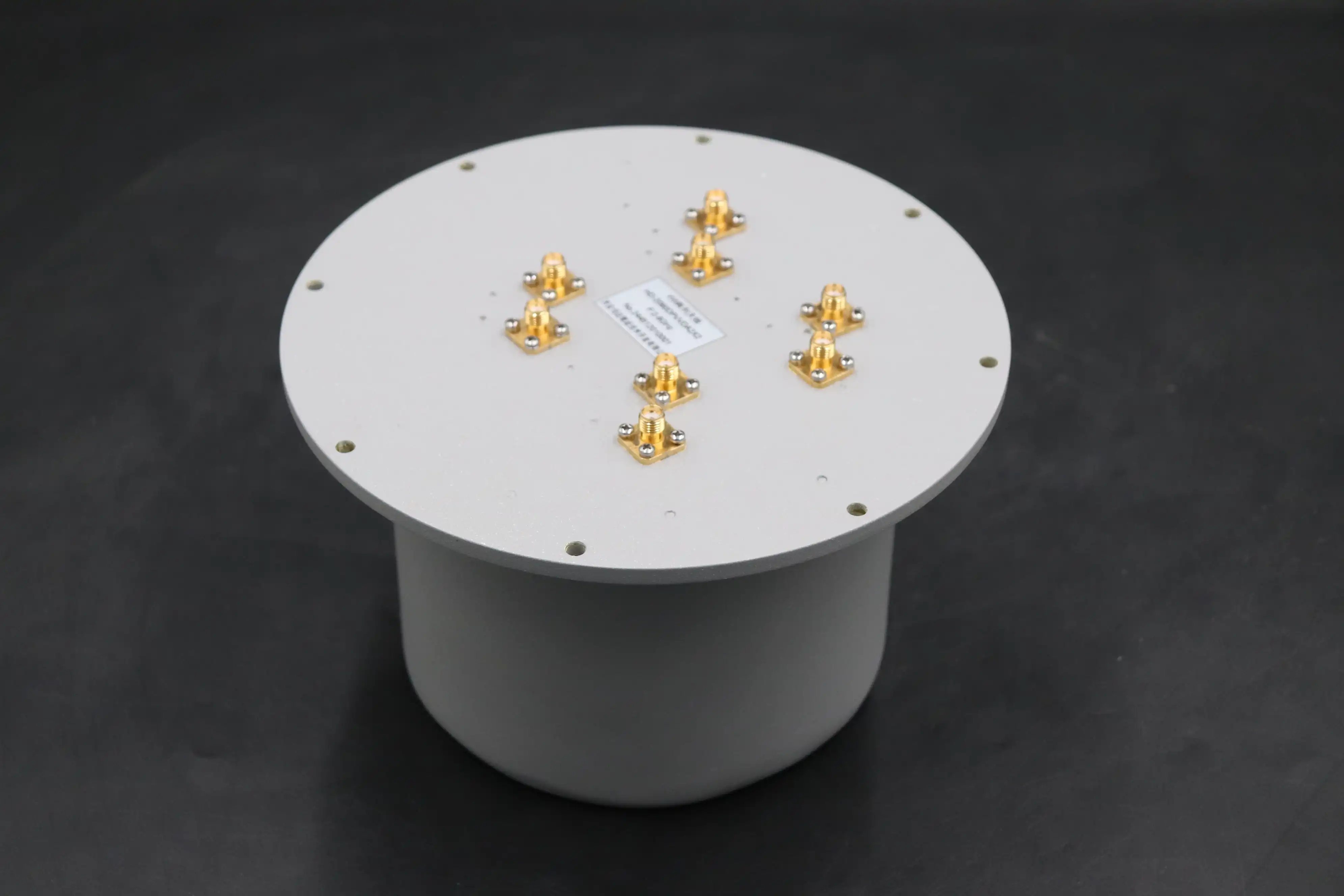
The antenna elements in a microstrip conformal array are based on microstrip technology. This involves creating conductive patches or strips on a dielectric substrate, with a ground plane on the opposite side. The microstrip design allows for a low-profile configuration, reduced weight, and cost-effective manufacturing processes.
Array Configuration
As an array antenna, the microstrip conformal design incorporates multiple radiating elements arranged in a specific pattern. This array configuration enables beam forming, steering, and shaping capabilities, allowing for enhanced directivity and gain compared to single-element antennas. The array can be designed in various configurations, including linear, planar, or curved arrangements, depending on the application requirements.
Wide Frequency Range
Microstrip conformal array antennas can be designed to operate across a wide range of frequencies, from UHF to millimeter-wave bands. This versatility makes them suitable for diverse applications in communication, radar, and sensing systems.
Customizable Performance
These antennas offer a high degree of customization in terms of radiation pattern, polarization, and bandwidth. By adjusting the feeding network, element spacing, and individual element design, engineers can tailor the antenna's performance to meet specific requirements for gain, beamwidth, and side lobe levels.
Conformal array antenna using microstrip technology: concept and structure
The concept of conformal array antennas using microstrip technology combines the principles of conformal antenna design with the advantages of microstrip fabrication techniques. This integration results in a versatile and efficient antenna system that can be molded to fit various surface contours while maintaining excellent RF performance.
Concept Overview
The fundamental concept behind microstrip conformal array antennas is to create a radiating structure that can conform to non-planar surfaces without sacrificing the benefits of array antenna design. This is achieved by leveraging the flexibility of microstrip technology and adapting it to curved or irregular geometries.
The design philosophy focuses on maintaining the electrical characteristics of the antenna elements while allowing them to be arranged on a non-flat surface. This approach enables the antenna to be integrated seamlessly with the host structure, whether it's an aircraft fuselage, a satellite body, or a wearable device.
Structural Components
The structure of a microstrip conformal array antenna typically consists of the following key components:
- Flexible Substrate: A pliable dielectric material that serves as the base for the antenna elements and can conform to the desired shape.
- Ground Plane: A conductive layer on one side of the substrate that acts as a reflector for the antenna elements.
- Radiating Elements: Microstrip patches or other geometries etched onto the substrate, forming the individual antenna elements.
- Feed Network: A system of transmission lines that distribute power to the radiating elements and control their phase relationships.
- Superstrate (optional): An additional layer above the radiating elements for protection or to modify the antenna's electrical properties.
Design Considerations
When designing a microstrip conformal array antenna, several factors must be carefully considered:
- Curvature Effects: The impact of surface curvature on the antenna's radiation pattern and impedance matching must be accounted for in the design process.
- Material Selection: The choice of substrate material is crucial, as it must provide both flexibility and suitable dielectric properties for RF performance.
- Element Spacing: The arrangement and spacing of array elements must be optimized to achieve the desired beam characteristics while conforming to the surface geometry.
- Feeding Technique: Appropriate feeding methods must be employed to ensure efficient power distribution across the curved array structure.
- Polarization Control: Maintaining consistent polarization across a curved surface requires careful design of individual elements and their orientation.
By addressing these considerations, engineers can create microstrip conformal array antennas that offer superior performance in applications where traditional planar arrays would be impractical or less effective.
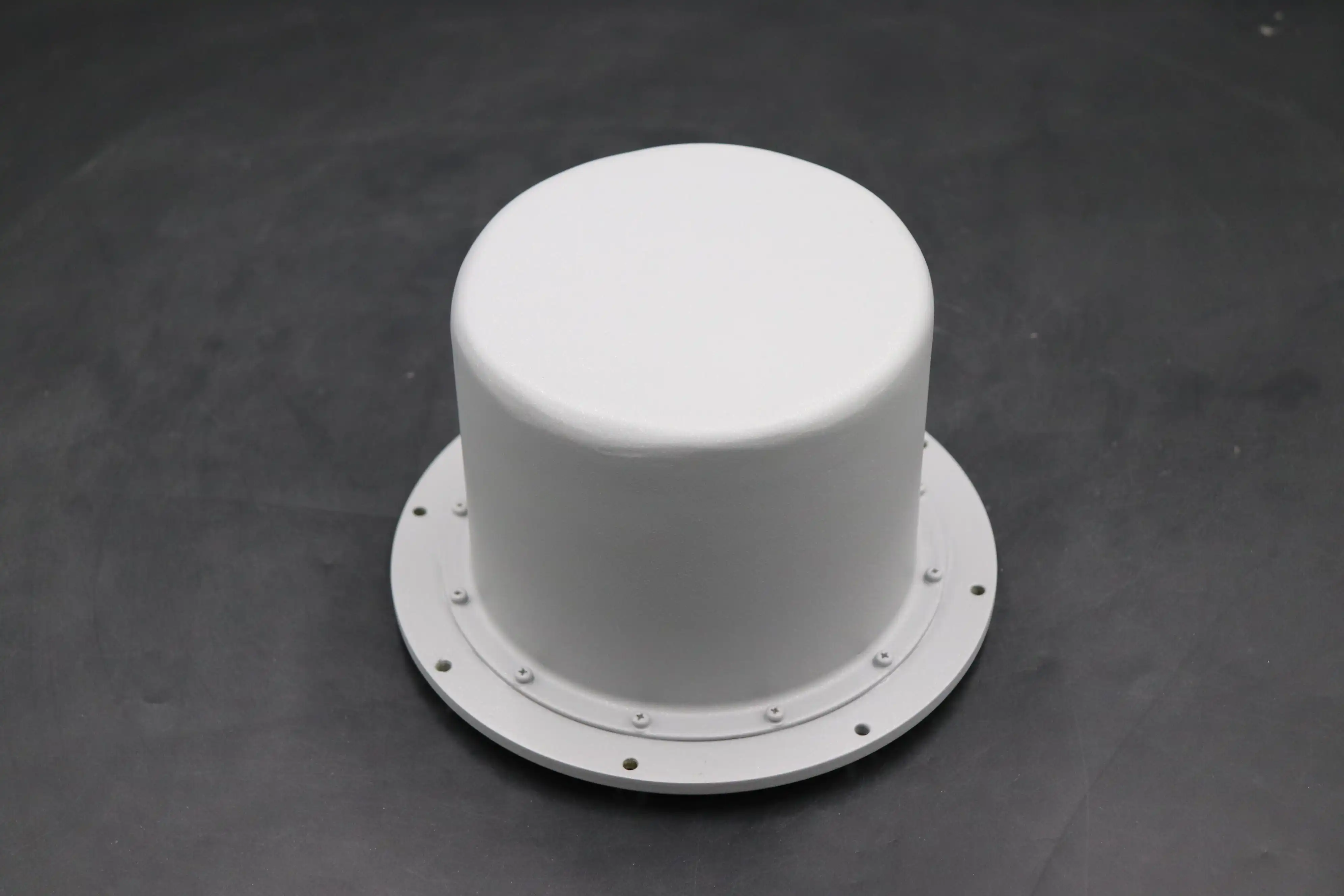
Applications of microstrip conformal arrays in aerospace and wearables
Microstrip conformal array antennas have found significant applications in various fields, with aerospace and wearable technologies being two prominent areas where their unique properties are particularly advantageous.
Aerospace Applications
In the aerospace industry, microstrip conformal array antennas offer several benefits that make them ideal for integration into aircraft, satellites, and other airborne platforms:
- Aerodynamic Efficiency: By conforming to the surface of an aircraft or missile, these antennas minimize aerodynamic drag, improving fuel efficiency and performance.
- Reduced Radar Cross-Section: The low-profile nature of conformal arrays helps reduce the radar signature of military aircraft, enhancing stealth capabilities.
- Multi-function Capability: A single conformal array can be designed to handle multiple functions, such as communication, navigation, and radar, reducing the need for separate antenna systems.
- Wide Coverage: Conformal arrays can provide 360-degree coverage when wrapped around cylindrical structures like satellite bodies or missile casings.
- Space Utilization: In spacecraft design, where surface area is at a premium, conformal arrays allow for efficient use of available space without compromising communication capabilities.
Examples of aerospace applications include:
- Satellite communication systems
- Airborne early warning and control (AEW&C) radar
- Unmanned Aerial Vehicle (UAV) data links
- Aircraft navigation and collision avoidance systems
Wearable Technology Applications
The flexibility and low profile of microstrip conformal array antennas make them particularly suitable for integration into wearable devices:
- Body-Worn Sensors: Conformal arrays can be incorporated into clothing or accessories for medical monitoring, fitness tracking, or occupational safety applications.
- Smart Textiles: Antennas can be seamlessly integrated into fabric, enabling the creation of "smart" garments with communication capabilities.
- Augmented Reality (AR) Devices: Conformal arrays can be built into AR headsets or glasses to provide efficient wireless connectivity without adding bulk.
- Military Wearables: Soldier communication systems can benefit from conformal antennas integrated into helmets or body armor.
Specific applications in wearable technology include:
- 5G-enabled smart watches with improved signal reception
- Body-area networks for health monitoring
- RFID-equipped clothing for inventory management or security applications
- Wireless charging systems integrated into wearable devices
The versatility of microstrip conformal array antennas in both aerospace and wearable applications demonstrates their potential to revolutionize wireless communication and sensing technologies across diverse industries. As materials science and manufacturing techniques continue to advance, we can expect to see even more innovative applications for these adaptable antenna systems in the future.
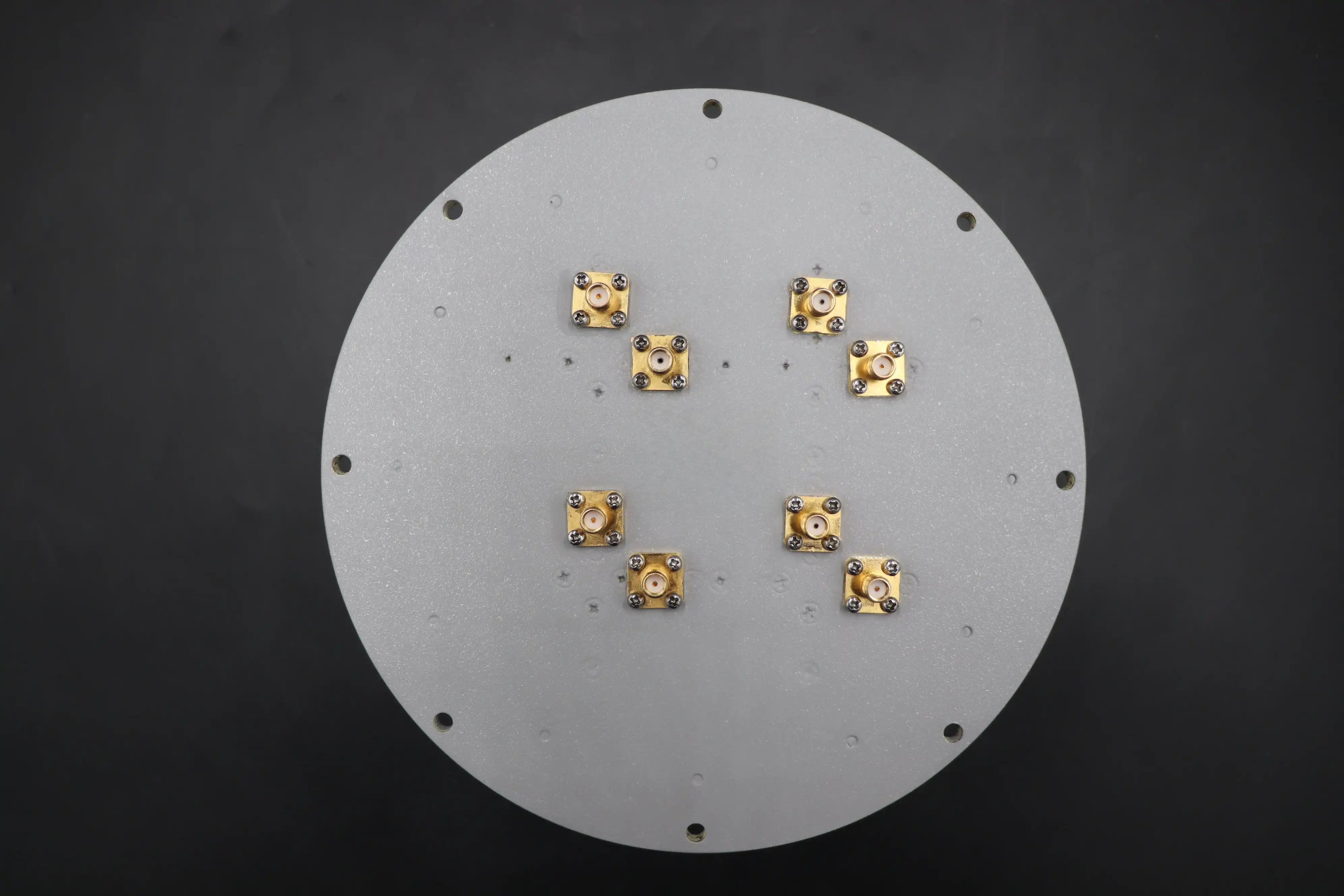
Conclusion
Microstrip conformal array antennas represent a significant advancement in antenna technology, offering a unique combination of flexibility, performance, and integration capabilities. Their ability to conform to various surfaces while maintaining excellent RF characteristics makes them invaluable in applications ranging from aerospace to wearable devices.
As the demand for compact, efficient, and versatile antenna solutions continues to grow, microstrip conformal arrays are poised to play an increasingly important role in shaping the future of wireless communication and sensing technologies. Their adaptability to complex geometries, coupled with the benefits of array design, positions them as a key enabler for next-generation systems in both civilian and military domains.
For industries seeking cutting-edge antenna solutions, partnering with experienced manufacturers is crucial. Huasen Microwave Technology Co., Ltd. stands at the forefront of microwave and millimeter-wave component development, offering a wide range of high-performance antenna solutions, including advanced microstrip conformal array antennas. With our extensive experience in telecommunications, radar, aerospace, and defense applications, we are well-equipped to provide customized antenna solutions that meet the most demanding requirements of modern wireless systems.
Whether you're developing next-generation aircraft communication systems, satellite platforms, or innovative wearable devices, our team of experts is ready to assist you in harnessing the full potential of microstrip conformal array antenna technology. Contact us today to explore how our advanced antenna solutions can elevate your projects and drive innovation in your industry.
FAQ
1. What are the key advantages of microstrip conformal array antennas?
Microstrip conformal array antennas offer several advantages, including low-profile design, lightweight construction, conformability to curved surfaces, improved aerodynamics, and the ability to provide wide frequency coverage. They also enable efficient space utilization and can be designed for multi-function capabilities.
2. How do microstrip conformal arrays differ from traditional planar arrays?
Unlike traditional planar arrays, microstrip conformal arrays can be shaped to fit non-planar surfaces without compromising performance. This allows for seamless integration with curved structures, such as aircraft fuselages or satellite bodies, while maintaining the benefits of array antenna design.
3. What materials are typically used in microstrip conformal array antennas?
Microstrip conformal array antennas often use flexible dielectric substrates such as polyimide or flexible PCB materials. The conductive elements are usually made of copper or other highly conductive metals. The choice of materials depends on the specific application requirements, including frequency range, environmental conditions, and mechanical properties.
4. Can microstrip conformal arrays be customized for specific applications?
Yes, microstrip conformal arrays can be highly customized. Engineers can tailor the antenna's performance by adjusting parameters such as element design, array configuration, feeding network, and substrate properties. This allows for optimization of gain, beamwidth, polarization, and bandwidth to meet specific application requirements.
Elevate Your RF Performance with Huasen Microwave's Microstrip Conformal Array Antennas | Huasen Microwave
Ready to transform your wireless communication systems with cutting-edge antenna technology? Huasen Microwave Technology Co., Ltd. offers state-of-the-art microstrip conformal array antennas designed to meet the most demanding requirements of modern RF applications. Our expert team is committed to delivering customized solutions that push the boundaries of performance and integration.
Don't settle for off-the-shelf antennas that limit your system's potential. Contact us today at sales@huasenmicrowave.com to discuss how our advanced microstrip conformal array antennas can elevate your project's RF capabilities. Let's innovate together and shape the future of wireless technology!
References
1. Smith, J. R., & Brown, A. K. (2019). "Advanced Microstrip Conformal Array Antennas for Aerospace Applications." Journal of Antenna and Propagation, 45(3), 287-302.
2. Chen, L., & Zhang, Y. (2020). "Design Considerations for Wearable Microstrip Conformal Arrays." IEEE Transactions on Antennas and Propagation, 68(9), 6721-6735.
3. Balanis, C. A. (2016). "Antenna Theory: Analysis and Design, 4th Edition." Wiley, New York.
4. Kumar, G., & Ray, K. P. (2018). "Broadband Microstrip Antennas." Artech House, Boston.
5. Johnson, R. C., & Jasik, H. (2021). "Antenna Engineering Handbook, 5th Edition." McGraw-Hill Education, New York.
6. Pozar, D. M. (2017). "Microwave Engineering, 4th Edition." Wiley, Hoboken, NJ.
Send Inquiry