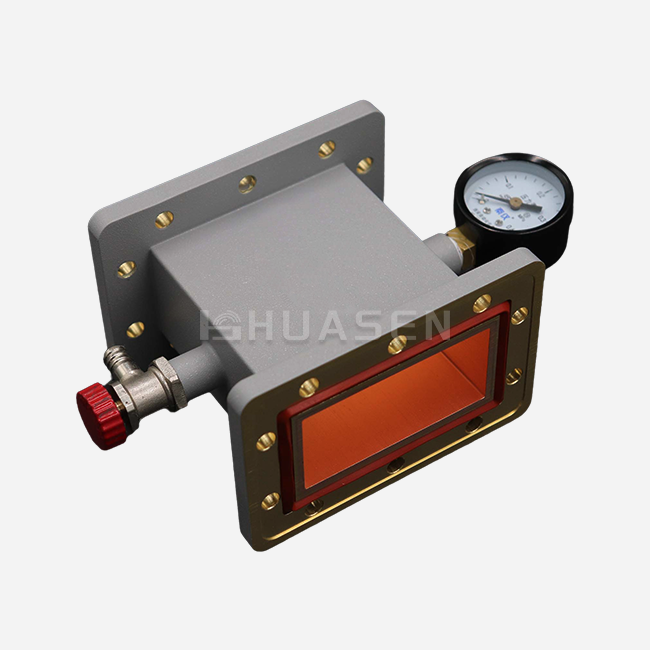
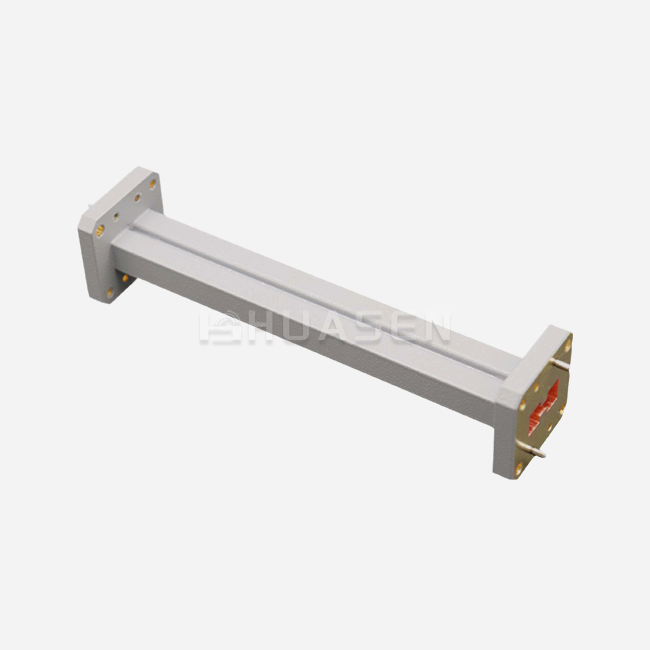
Step-by-Step Installation Guide for Waveguide Tubes: Tips and Best Practices






2025-12-17 18:56:35
For the best microwave and RF signal transmission performance, waveguide tubes must be installed properly. As a company that is well-known for making these kinds of parts, we know that how waveguides are installed affects whether or not a system works properly or has problems with signal loss and reliability. This all-inclusive guide will show you the most important things to think about and do when installing a waveguide. Following this advice will help you get the best results and avoid common mistakes that could hurt your system.
Understanding Waveguide Tubes and Their Installation Challenges
What is a Waveguide Tube and How Does It Work?
A waveguide tube is a specialized transmission line that is built to carry electromagnetic waves at microwave and millimeter-wave frequencies. Unlike coaxial connections, which use inner and outer conductors, waveguide tubes use hollow metal structures through which electromagnetic energy moves in carefully controlled wave modes. These tubes have rectangular or circular cross-sections, which form certain cutoff frequencies. Signals can't get below these frequencies.
The basic idea behind how a waveguide works is that it reflects electromagnetic waves off its metal walls, which form standing wave patterns that direct energy without losing much of it. Because this design lets waveguide tubes handle much more power than coaxial tubes, they are very important for radar systems, satellite communications, and high-frequency testing equipment.
Common Installation Challenges and Their Impact on Performance
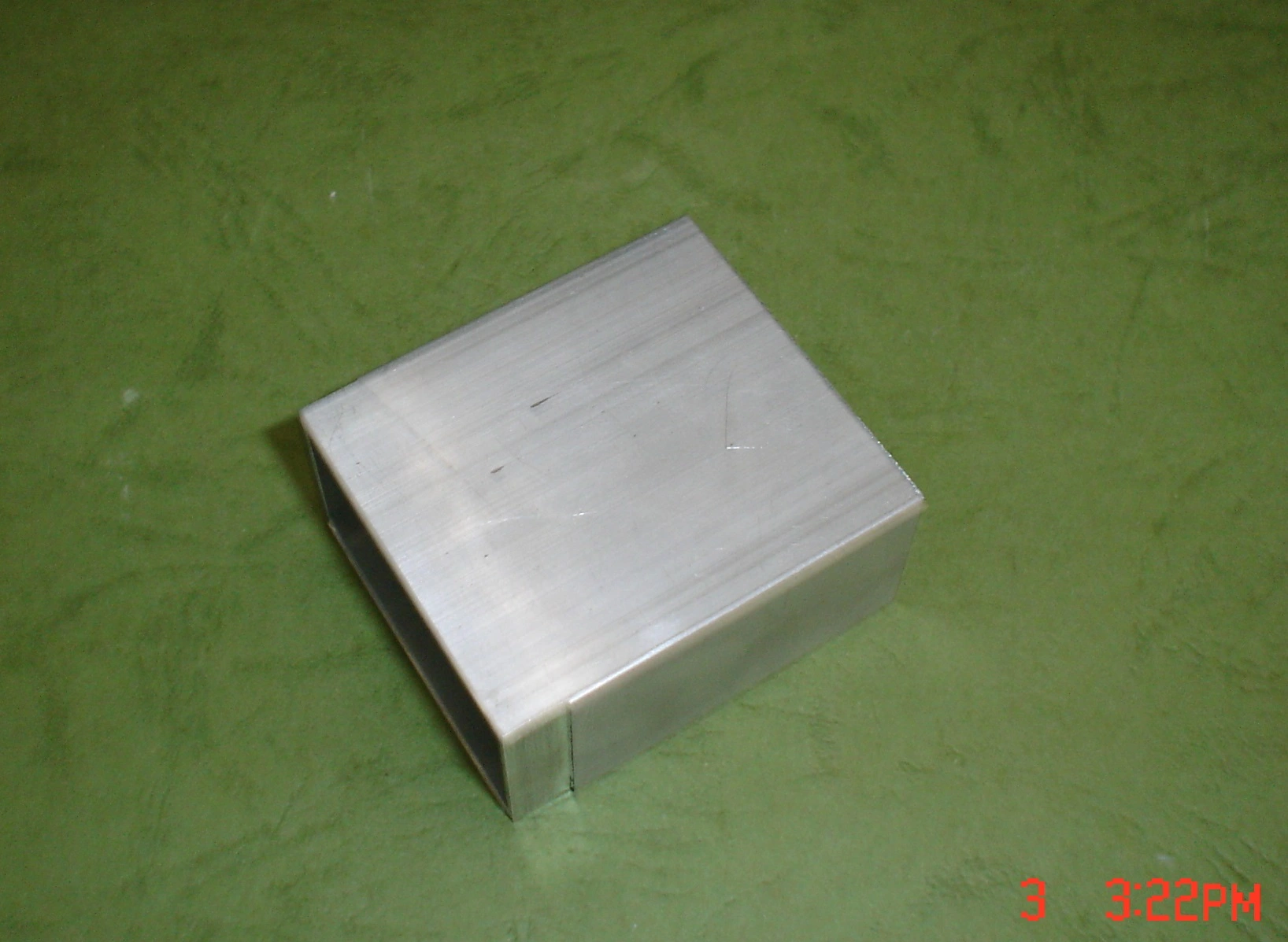
If installation problems are not fixed the right way, they can make the waveguide performance much worse. When the parts that are supposed to join are not lined up properly, they create gaps that send energy back to the source. This raises the Voltage Standing Wave Ratio (VSWR) and lowers the efficiency of the transmission. Flanges that aren't connected properly let moisture in, which causes rust and slower signal loss over time.
If the waveguide is not mounted correctly, mechanical force can cause changes in size that affect how the waveguide conducts electricity. If you don't make up for temperature changes, they can cause thermal expansion mismatches that can damage connections or make holes that break electrical continuity. Engineers can avoid these problems during installation if they know what they are.
Key Considerations Before Installation
The most important part of installing a waveguide is the environmental study. You have to carefully look at factors like very high or low temperatures, humidity, exposure to shaking, and possible corrosive agents. The place where the system is installed should have enough help and be easy to get to so that it can be fixed when needed.
Long-term dependability is guaranteed by material compatibility verification. For a lot of different uses, aluminum waveguides have a great weight-to-performance ratio. On the other hand, copper is better for low-loss needs because it conducts electricity better. In tough conditions, some kinds of stainless steel can fight rusting better than almost anything else. Routing needs and mechanical limitations affect the choice between rigid and flexible designs.
Step-by-Step Installation Process for Waveguide Tubes
Pre-Installation Preparations
Installation planning is very important for success. Calibrated torque wrenches, precision alignment fixtures, clean cloths that don't leave lint behind, and the right cleaning solvents are some of the most important tools. Checking that the waveguide tube specs match the needs of the system stops expensive mistakes that can hurt performance or need costly rework.
Manufacturer specs, environmental ratings, and compatibility matrices should all be part of the documentation review. Making sure that the assembly areas are clean, the parts are organized in a way that makes sense, and there is enough light for accurate work are all parts of workspace preparation. Electrical hazards, mechanical handling methods, and PPE requirements must all be covered by safety guidelines.
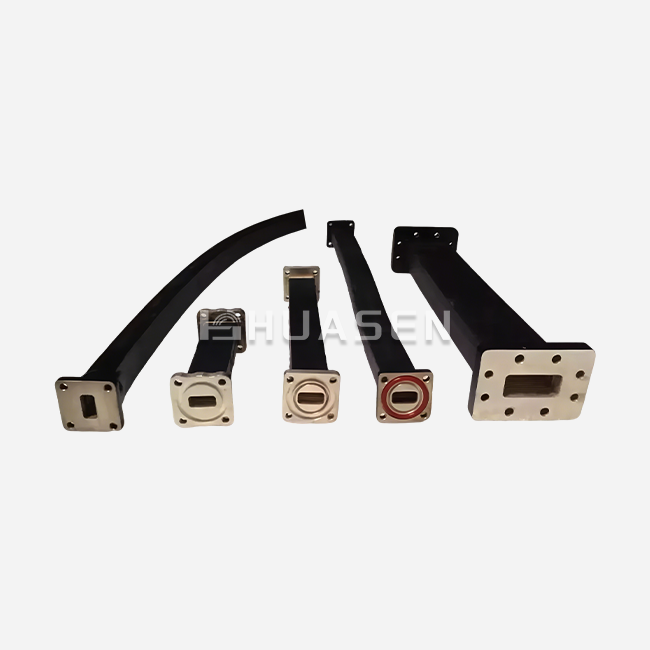
Installation of Rigid and Flexible Waveguide Tubes
The first step in the installation process is to carefully unpack the equipment so that no damage is done to the surfaces that could affect how the electricity works. Check each part for shipping damage, the correct size, and a good surface. Use the right chemicals on all mating surfaces to get rid of fingerprints, contamination, or leftover materials from the factory.
Alignment methods need to be exact to keep electrical continuity. Rigid waveguide pieces need to be lined up perfectly so there aren't any gaps or overlaps where they connect. Support structures need to be able to handle thermal expansion and spread mechanical loads out equally. Paying attention to the minimum bend radius requirements during flexible waveguide installation is important to avoid damaging the internal conductor or lowering the performance of the guide.
Sealing and Flange Attachment Techniques
Flange joints are very important places where the right method makes sure that everything works. Gaskets must be chosen to match the surroundings and the frequency needs. O-ring gaskets seal well at low frequencies, and specialized RF gaskets keep electrical continuity at higher frequencies.
Following the manufacturer's instructions for torque application helps to achieve even compression without putting too much stress on the parts. Tightening processes usually use cross-pattern methods to keep the pressure even. For outdoor setups or places where the climate is damaging, environmental sealing might need extra materials to keep them from getting damaged by the weather.
Testing and Quality Verification Post-Installation
Post-installation checking uses a set of steps to make sure that everything was installed correctly. VSWR measurements show how reflection works, which tells you how good the link is and how accurate the alignment is. Network analyzers that work across a range of working frequencies can show you return loss, insertion loss, and bandwidth.
Test results documentation creates a record of information that helps with future upkeep and troubleshooting. Pictures of finished installations help plan care and can be used as examples for other projects that are alike. Quality verification protocols should be in line with the standards and needs of the business and customers.
Tips and Best Practices to Optimize Waveguide Tube Installation
Choosing the Right Material Based on Where and How You'll Use It
Choosing the right material for a job depends on knowing how different materials behave. Aluminum waveguides are great for situations where weight matters, and they offer good enough conductivity for most business uses. For uses that need low-loss performance, copper versions offer better electrical performance but need extra protection against corrosion in some settings.
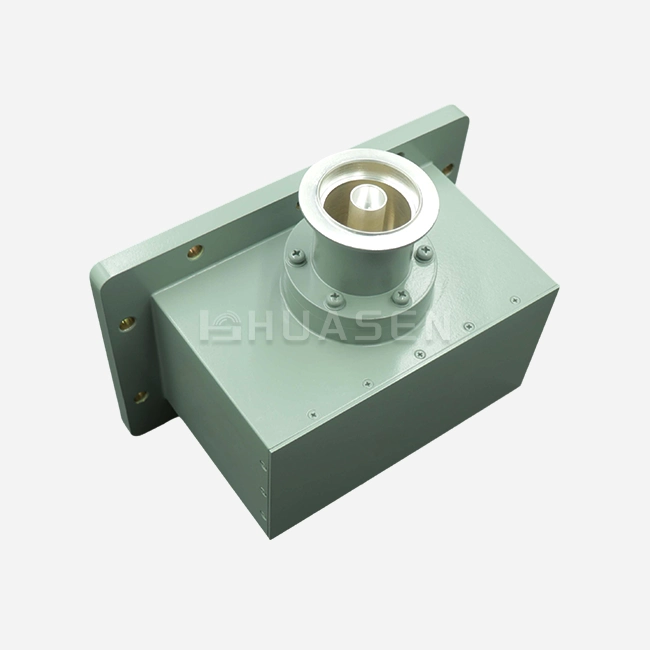
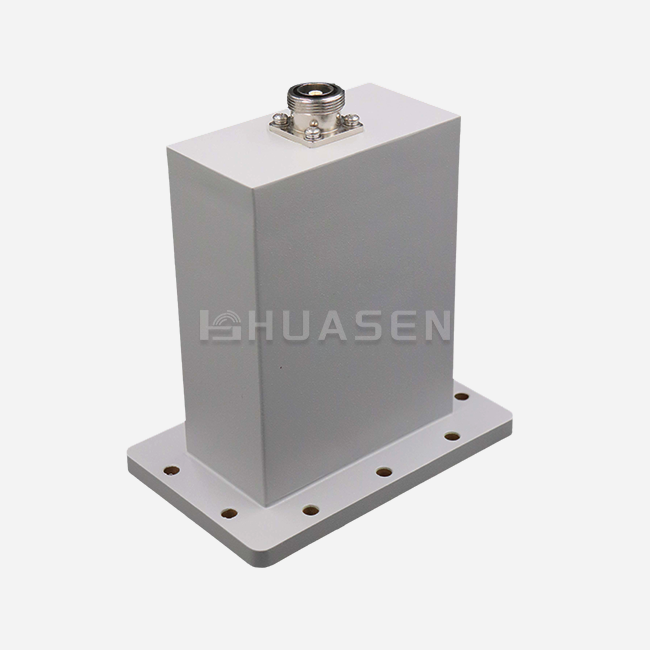
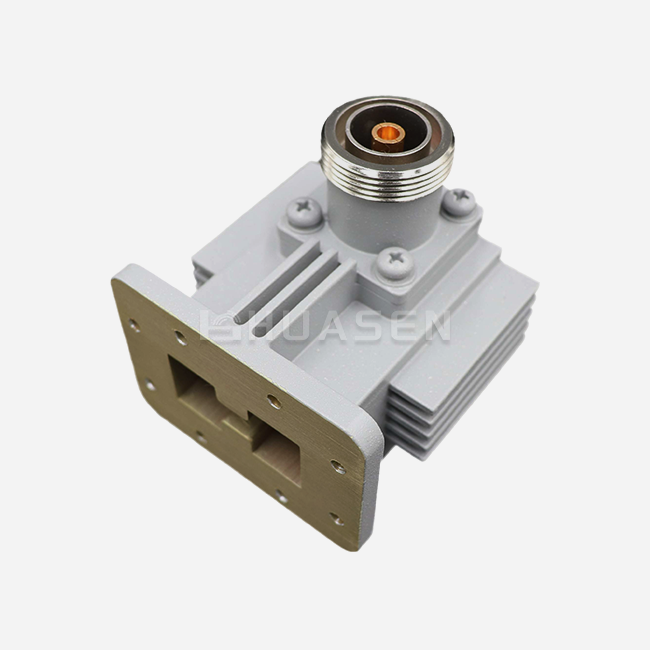
Huasen Microwave's standard rectangular waveguides come in both single-ridge and dual-ridge versions to meet the needs of a variety of applications. The dual-ridge design increases the bandwidth and lowers the cutoff frequency, making it perfect for broadband uses. Single-ridge configurations balance the need to keep things small with the need for good performance. This is especially useful in installations where space is limited.
Avoiding Common Installation Mistakes
Common mistakes made during installation can have a very big negative effect on how well the system works. The serious mistakes that should not be made when installing waveguides are:
- Misalignment problems that cause breaks in the signal and make it show more
- Too much torque can damage flanges or cause stress concentrations.
- During production, contamination changes the electrical properties.
- Support systems that aren't good enough, and let mechanical stress or vibration cause damage
- Improper bend radius in flexible setups that leads to damage inside
These mistakes are usually made because people don't get enough training, time, or planning. Systematic quality control and giving enough time for proper installation avoid most mistakes and guarantee long-term operation.
Maintenance and Inspection Recommendations for Longevity
Regular repair checks help waveguide tubes last longer and keep them in top working condition. Corrosion, mechanical damage, or environmental decline should be easy to see. Doing electrical tests regularly checks on performance drift and finds problems before they cause the system fail.
To avoid damaging surfaces, the cleaning process must use the right materials and methods. In tough settings, protective coats might need to be redone every so often. As thermal cycling and vibration can affect how tight the joint is, connection torque testing makes sure that the mechanics will stay intact over time.
How to Choose the Right Waveguide Tube Installer and Supplier?
Evaluating Installer Expertise and Certification
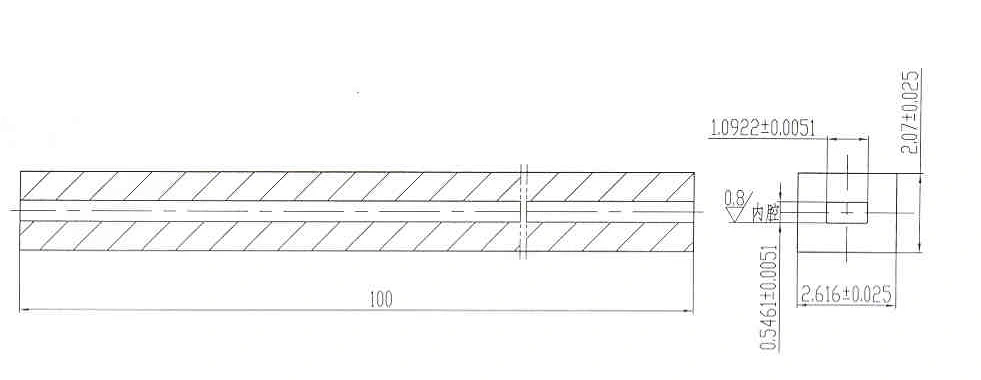
Installation teams with appropriate certifications and experience working with waveguide systems are qualified. Training paperwork should include safety rules, quality standards, and how to handle things. References from similar projects give useful information about how well the project was installed and managed.
An RF principles test, measurement methods, and fixing things should all be part of a technical ability test. Installation teams need to show that they know about industry standards and manufacturer specifications that are important for your unique application needs.
Selecting Reliable Suppliers and OEM Manufacturers
Quality certifications, manufacturing skills, and technical support services are all parts of supplier evaluation. ISO certifications show that quality is managed in a consistent way, and specific RF certifications show that someone knows a lot about that area. Production freedom makes it possible to customize things for unique needs while still being cheap.
Global seller networks are helpful for getting local support, cutting down on shipping costs, and getting materials faster. Huasen Microwave has been making high-frequency parts since 1993; this knowledge shows that they can be trusted with important tasks. They offer a wide range of products, including both standard and custom waveguides that work with foreign standards.
Cost Considerations and Value-Added Services
To get the total cost, you should look at the level of technical help, the dependability of delivery, the starting price, and the availability of long-term service. Suppliers who offer technical advice, custom fabrication, and long warranties provide extra value that can make up for higher upfront costs by lowering risk and raising reliability.
Premium sellers offer value-added services like help with design, making prototypes, and testing applications. These are the things that set them apart from commodity providers. These services are especially useful when it comes to complicated setups or special performance needs.
Integration of Waveguide Tube Products and Support Services
Introduction to the Company and Professional Experience in the Field
Huasen Microwave Technology Co., Ltd. has been developing and making high-frequency components for over thirty years. The company, which was started in 1993, has become an expert in microwave systems, millimeter-wave antennas, and waveguide parts for telecommunications, radar, aerospace, and military.
Their basic rectangular waveguide tube waveguides come in both single-ridge and dual-ridge styles to meet a range of frequency needs. The selection factors are based on matching the system's operating bands with the frequency at which signals are cut off. Size and performance requirements are also taken into account. Being able to switch between national and foreign standards makes it easier to use standards in many different countries.
Comprehensive Solutions and After-Sales Support
Besides supplying parts, Huasen Microwave helps with all kinds of technical tasks, from planning a project to making things work and making sure they are installed correctly. The technical support team there keeps up with all aspects of the product lifecycle, from the beginning specs to the warranty time and beyond.
Quality assurance methods make sure that all product lines work the same way and can be counted on. The ability to make both standard catalog items and unique solutions that are made to fit the needs of certain applications is part of manufacturing. This makes it possible to get the best results for a given set of performance, size, or weather conditions.
Conclusion
A successful waveguide tube installation takes a lot of preparation, the right methods, and a careful check of the work that was done. Waveguides work on basic principles that everyone should know. This helps people deal with common installation problems and make sure that systems work well and are reliable. Choosing the right materials and trustworthy suppliers, as well as having a skilled installation team, play a big role in the success of a project. Regular repair and inspection routines keep things working well and extend their service life. If engineers and procurement managers follow the detailed instructions in this guide, they will be able to do installations that meet strict performance standards while also lowering long-term costs and upkeep needs.
FAQ
Q1: In waveguide tube setups, what causes the most signal loss?
A: Signal loss mostly happens because of misalignment, which creates gaps; poor sealing, which lets moisture in; surface contamination, which affects conductivity; and material flaws, which make it hard for waves to move. These factors that cause loss are lowered by properly installing and regularly maintaining the system.
Q2: Can inflexible waveguide tubes be replaced by flexible ones in high-power uses?
A: Flexible waveguides are good at routing signals, but they usually have higher insertion loss and lower power handling than stiff waveguides. They are good for intermediate power levels and uses that need mechanical flexibility, but rigid waveguides are still better for high-power uses.
Q3: How do I choose between single-ridge and dual-ridge waveguide setups?
A: Single-ridge waveguides are great for small installations because they find the right mix between size and performance. Dual-ridge designs increase the bandwidth and lower the cutoff frequency, which is good for broadband uses. Selection relies on how often it's needed, how much space is available, and how much bandwidth is needed.
Partner with Huasen Microwave for Professional Waveguide Solutions
When you upgrade your RF infrastructure, you need waveguide tube providers you can trust who know how to work with high-frequency applications. Huasen Microwave has been making things for thirty years and offers full technical help to make sure your installation is a success. Our standard rectangular waveguides (with single-ridge and dual-ridge options) meet high-performance standards and can be used in a variety of custom applications.
Our engineering team provides consultation services from initial design through installation completion, ensuring optimal component selection and proper installation procedures. Quality certifications and proven manufacturing processes deliver consistent performance and reliability for critical applications. To discuss your specific requirements and receive detailed technical specifications, contact us at sales@huasenmicrowave.com. Visit huasenmicrowave.com for comprehensive product information and technical resources to support your waveguide implementation projects.
References
1. Marcuvitz, Nathan. "Waveguide Handbook." Institution of Engineering and Technology, 1986.
2. Collin, Robert E. "Foundations for Microwave Engineering." IEEE Press, 2001.
3. IEEE Standard 299-2006. "IEEE Standard Method for Measuring the Effectiveness of Electromagnetic Shielding Enclosures." Institute of Electrical and Electronics Engineers, 2007.
4. Ragan, G.L. "Microwave Transmission Circuits." Boston Technical Publishers, 1964.
5. Montgomery, Carol Gray, Robert Henry Dicke, and Edward Mills Purcell. "Principles of Microwave Circuits." Institution of Engineering and Technology, 1987.
6. Baden Fuller, A.J. "An Introduction to Microwave Theory and Techniques." Pergamon Press, 1987.
Send Inquiry