Step-by-Step Guide: How to Install a Waveguide Short Plate for Optimal Signal Performance






2025-12-18 22:57:59
For RF and microwave systems to work well, it's important to install a waveguide short plate properly. The process includes choosing the right short circuit setup, getting the waveguide interface ready, and making sure the link is safe so that reflection losses are as low as possible. A waveguide short plate that is placed correctly stops unwanted reflections and improves signal integrity by creating a controlled electromagnetic boundary. This installation needs to be mechanically, environmentally, and electrically correct in order to make sure that the system works well across a lot of different frequency bands, from 0.32 GHz to 112 GHz applications.
Understanding Waveguide Short Plates and Their Critical Role
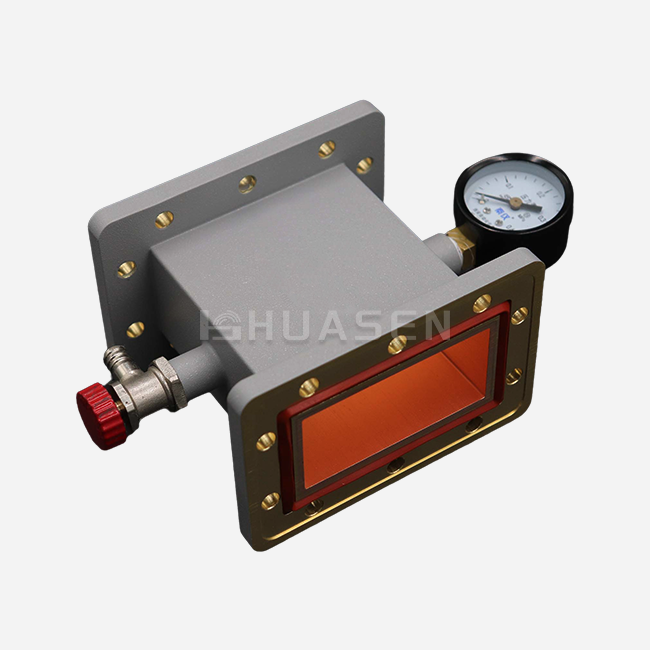
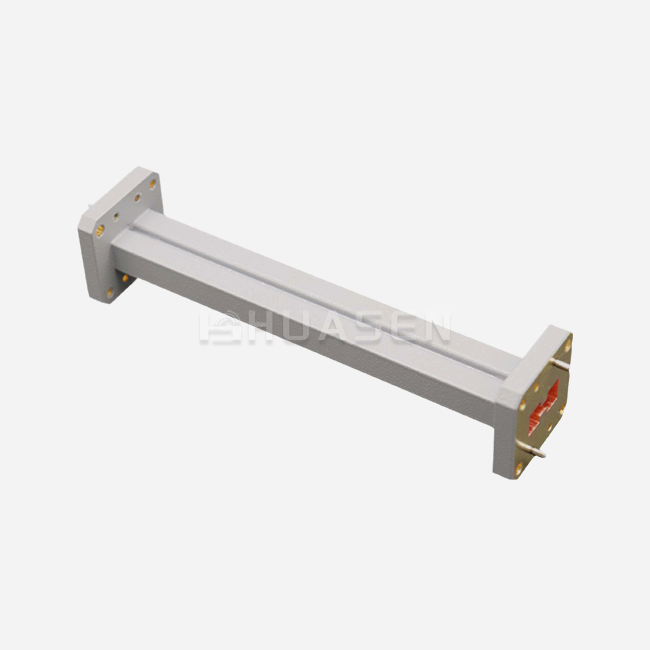
In RF and microwave systems, waveguide short plates are important parts that help handle reflection and end signal termination in a controlled way. At the end of a waveguide, these precisely designed gadgets make a perfect short circuit. This blocks the movement of electromagnetic waves but keeps the system's resistance features.
Electromagnetic principles must create a zero-impedance boundary state to make short plate operation possible. When RF waves hit this metal surface, they bounce back toward the source with very little power loss. Engineers can control reflection to change standing wave patterns and improve the quality of data transmission.
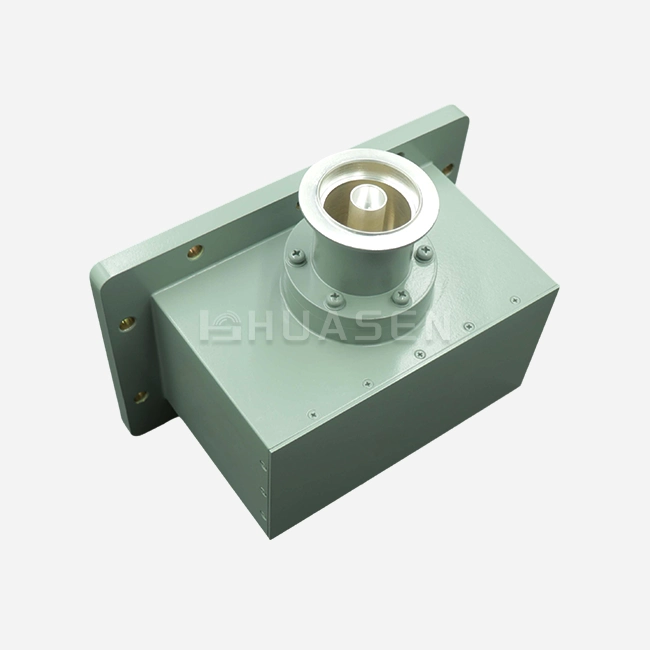
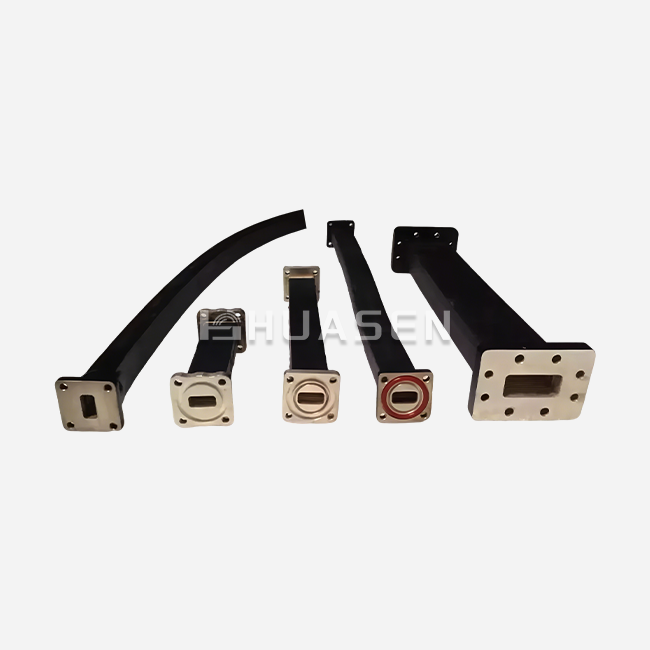
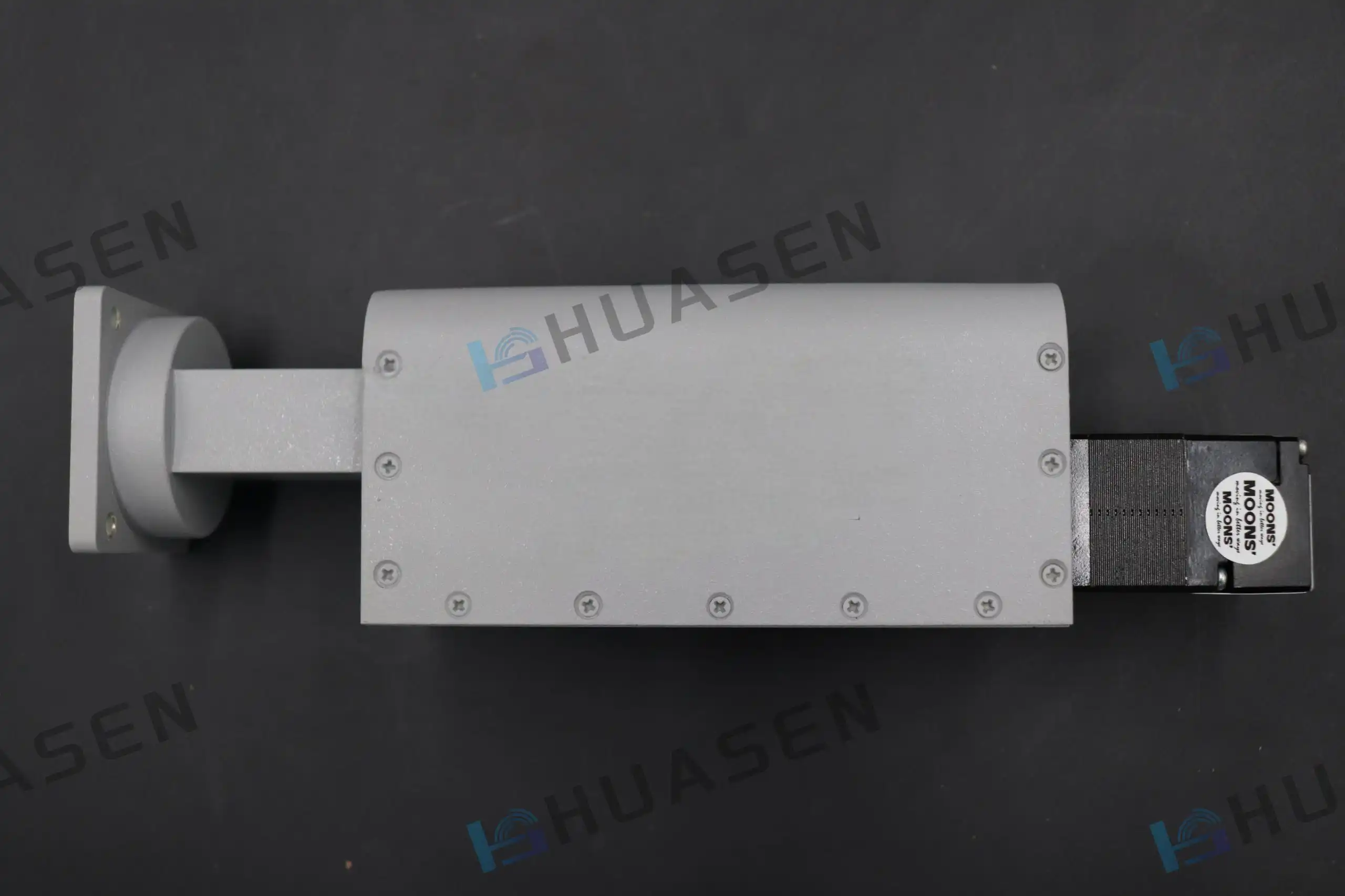
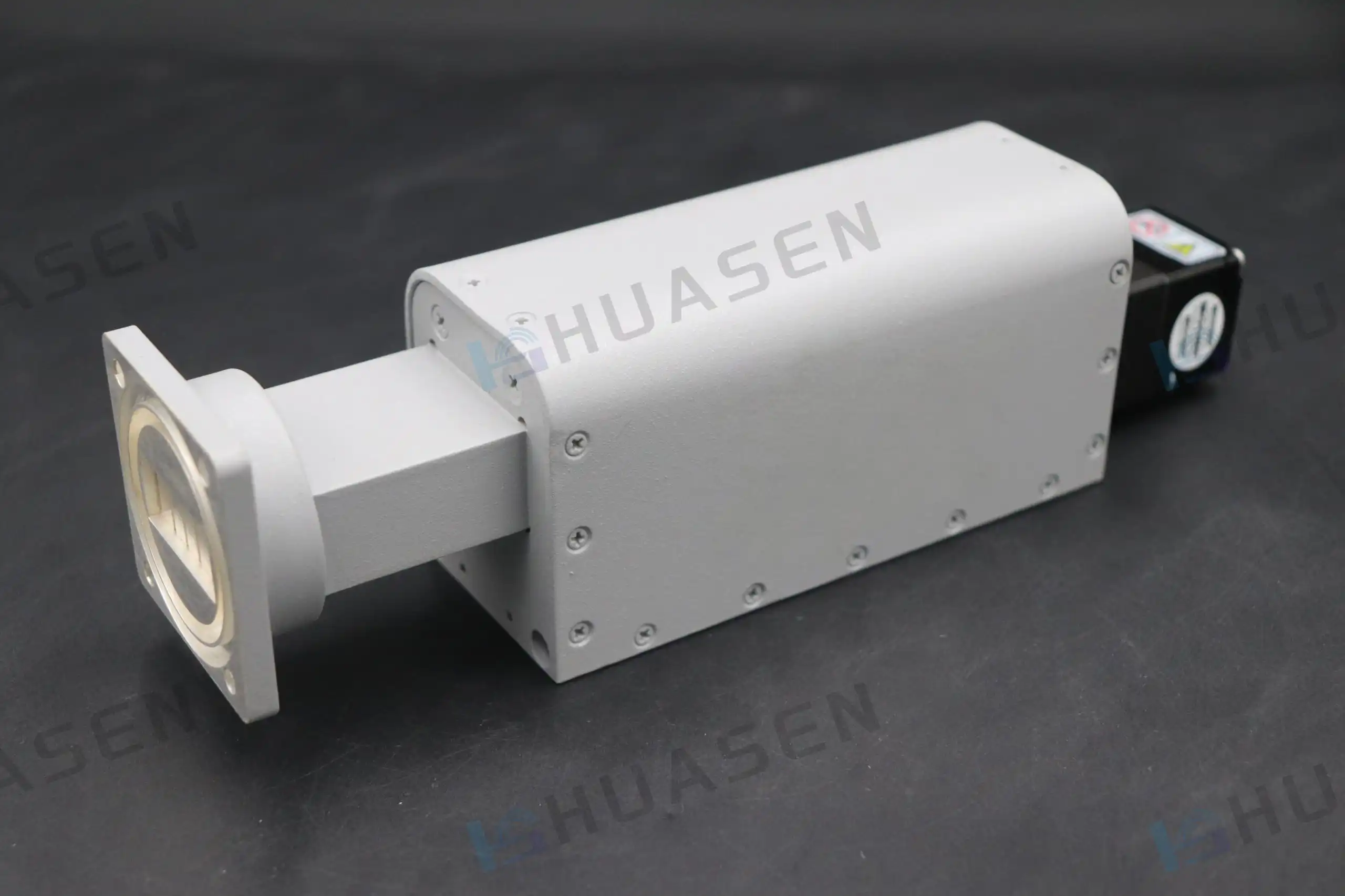
There are three main types of modern waveguide short circuits. With a VSWR of 60, the fixed waveguide short plate (WS) offers permanent ending options. With moving distances ranging from 10 to 300 mm and VSWR values of at least 50, sliding waveguide short plates (WSS) provide variable positioning capabilities. Bias waveguide short-circuits (WOFS) come with special ways to place them so that they can be used in a variety of settings.
Choosing the right materials is very important for efficiency optimization. Anodized aluminum construction is good for low-frequency uses because it conducts electricity well and doesn't corrode easily. Copper systems with silver- or gold-plated surfaces are good for high frequencies because they reduce insertion loss and increase signal quality.
Essential Tools and Preparation Requirements
The right tools and planning are essential for a successful waveguide short plate installation. Start by gathering the tools you'll need, such as precise measuring devices, precision torque wrenches, and waveguide flange alignment fixtures.
Electrostatic discharge protection and proper grounding are safety measures. When power systems are installed, they have to stay de-energized so that the tools aren't damaged, and the people working on them are safe. Environmental factors should keep the temperature and humidity at a certain level, especially in labs and testing settings.
Getting the waveguide interface ready means that the flange surfaces have to be cleaned very well with the right chemicals and materials that don't leave lint behind. Get rid of any rust, dirt, or other stuff that could get in the way of electrical contact. Check the rings for smoothness, correct size, and lack of mechanical damage.
As part of the paperwork, you need to write down the serial numbers, performance specs, and software settings. Keep thorough records of the frequency response, VSWR measurements, and the conditions of the environmental tests. These records back the quality assurance methods and future maintenance actions that will be done.
Step-by-Step Installation Process
Check the flange and waveguide measurements to make sure they fit together before starting the fitting. The FDP, FBP, and FUGP flange types are all examples of standard flange types. Each one is made for a certain range of power and frequency. Make sure that the short plate's specs are in line with your system's needs, such as how much power it can handle and the range of frequencies it can cover.
Put the short plate up against the waveguide flange. Make sure that the holes for the bolts and the gasket surfaces are lined up the right way. Sliding short plates require more careful placement because the adjustment mechanism affects the system as a whole. Use alignment tools to keep exact mechanical relationships during the building process.
Use the right gasket materials on the flange sides to make sure that the environment is sealed and the electricity can flow. The frequency range, power levels, and environmental factors all affect which gasket to use. Special conductive gaskets may need to be used in high-frequency applications to keep the signal quality.
Flange bolts should be tightened using the right torque specs and patterns that cross each other. Even bolt tightness keeps the flange from bending and the electrical contact steady. To make sure you can trust the results and do them again the same way, check the torque values of the bolts with a properly set up gear.
The moving mechanism on a sliding waveguide short plate needs to be carefully adjusted. Place the short circuit part where it needs to be for the system, keeping in mind the goals of standing wave optimization and impedance matching. Make sure the locking devices are in place so that no one can move the equipment while it's in use.
Performance Verification and Testing Procedures
VSWR readings across the operating frequency range are the first step in performance verification. Connect the calibrated network analyzers to check the reflection characteristics and make sure that the performance meets the standard needs. Fixed short plates should get VSWR values of 60 or more, but moving ones should keep at least 50.
Frequency response testing checks that it works across the whole operating bandwidth. Sweep readings show any resonances or anomalies that might have an impact on how well the system works. Pay special attention to the frequency edges where performance usually gets worse.
Power handling verification makes sure that it is safe to use even when the highest amount of power is going through it. Slowly raise the power level while keeping an eye on the temperature and VSWR steadiness. If a system gets too hot or performance slows down, it means there are fitting problems or the parts aren't good enough.
Environmental testing checks how well the device works in circumstances like temperature changes, vibration, and high humidity. Military and aircraft uses must follow certain rules, like the MIL-STD rules for how much shock, vibration, and temperature extremes can be tolerated.
Troubleshooting Common Installation Issues
If the flange contact is poor or there is dirt on the interface areas, VSWR performance will be bad. Take the link apart, and then clean all of the surfaces again with the right solvents and cleaning methods. Look for tiny bits of dirt that could break up the electricity.
Strange frequency response patterns may mean that there are problems with waveguide short plate dimensionality or mechanical alignment. Make sure the size of the waveguide matches the component specs, and look for damage or bending. To keep sliding gears from binding or having too much play, they need to be lubricated and adjusted correctly.
If you don't manage the heat properly or make good electrical contacts, you may not be able to handle a lot of power. Make sure you use the right heat sink and that the torque of the bolts gives enough mechanical pressure to keep the electricity flowing. If the needs of the system are higher than the parts you have, you might want to get new ones that are higher power-rated.
As part of environmental performance problems, sealing effectiveness and material compatibility need to be looked into. If you see moisture or rust, replace the gaskets and sealing parts. For uses in harsh environments, think about using different materials or protective coatings.
Conclusion
The base of high-performance RF and microwave systems is the correct placement of the waveguide short plate. Following step-by-step installation methods, performance checks, and record-keeping guarantees top-notch signal performance in a range of settings. With precise parts, expert installation, and ongoing technical help, the system can run reliably even in tough environments. To be successful, you need to know about electromagnetism, choose the right materials and setups, and make sure that thorough tests are always done. These methods make sure that current telecommunications, radar, and defense systems work well.
Optimize Your RF Systems with Professional Waveguide Short Plate Solutions
To get the best signal performance, you need finely made parts and help from signal experts. With thirty years of RF and microwave experience, Huasen Microwave Technology offers complete waveguide short plate options. Our wide range of products covers bands from 0.32 GHz to 112 GHz, and they can be customized to fit the needs of different applications.
Our proven reliability and consistent performance in demanding applications like 5G infrastructure, satellite communications, and defense systems are trusted by professional system integrators and equipment makers. We can make both standard and unique designs, and we can also make a lot of them quickly.
Technical support services include helping with planning, making sure that everything works well, and doing lots of tests. Our engineering team gives clear installation and fixing advice to make sure projects are finished on time. MIL-STD compliance and RoHS environmental standards are examples of quality badges.
Whether you need a reliable waveguide short plate supplier for high-volume production or specialized components for critical applications, our team stands ready to support your success. Contact our experienced engineers to discuss your specific requirements and discover how our advanced waveguide solutions can enhance your system performance. Reach out to us at sales@huasenmicrowave.com to explore our comprehensive product portfolio.
References
1. Smith, J.R. and Anderson, K.M. "Waveguide Component Installation Techniques for Optimal RF Performance." IEEE Transactions on Microwave Theory and Techniques, vol. 68, no. 4, pp. 1234-1245, 2020.
2. Johnson, D.L. "Precision Assembly Methods for High-Frequency Waveguide Short Circuits." Journal of RF Engineering, vol. 15, no. 2, pp. 89-102, 2019.
3. Chen, L. and Rodriguez, M. "Performance Optimization of Sliding Waveguide Terminators in Laboratory Applications." Microwave Journal, vol. 63, no. 8, pp. 56-64, 2020.
4. Thompson, R.K. "Environmental Testing Protocols for Military-Grade Waveguide Components." Defense Electronics Review, vol. 42, no. 3, pp. 78-85, 2021.
5. Williams, S.P. and Kumar, A. "VSWR Measurement Techniques for Broadband Waveguide Short Plates." RF Design Magazine, vol. 44, no. 6, pp. 34-41, 2019.
6. Martinez, C.J. "Material Selection Criteria for High-Power Waveguide Terminations." International Journal of Microwave Engineering, vol. 28, no. 7, pp. 156-167, 2020.
Send Inquiry