How Does a Waveguide Phase Shifter Work? A Detailed Guide for Microwave Engineers






2025-12-18 22:59:34
A waveguide phase shifter changes the phase relationship of RF signals by controlling the very specific path that the electromagnetic wave takes within a metal waveguide structure. It does this without changing the amplitude of the signals. These advanced microwave parts use electronic or mechanical ways to change the transmission line's effective electrical length. This creates phase delays that can be controlled and are useful for beamforming, radar systems, and signal processing. Engineers can get the best data quality and system performance across a wide range of frequency types when they know how these systems work.
Understanding the Fundamental Principles of Phase Control
Phase control is a very important modern microwave engineering technology that lets you change the properties of electromagnetic waves in very exact ways. The core physics are based on the connection between wave speed, frequency, and wavelength in directed media. When RF signals move through waveguides, their phase builds up based on the electrical length of the path and the transmission constant.
Waveguide phase shifters use this basic relationship by changing either the size or the electromagnetic features of the medium through which it moves. The phase shift that can be achieved depends directly on the frequency of operation and how much the dimensions or material properties change. Engineers use these ideas to make devices that can add phase delays of anywhere from 0° to 360° across a lot of different frequency bands.
Dielectric loading, mechanical displacement, and electronic switching are some of the methods used in modern applications. Each method has its own pros when it comes to power handling, change speed, and insertion loss. The way that you do something rests a lot on the specifics of the situation, like the environment, the amount of power, and how quickly you need to get a response.

Types and Configurations of Phase Shifting Components
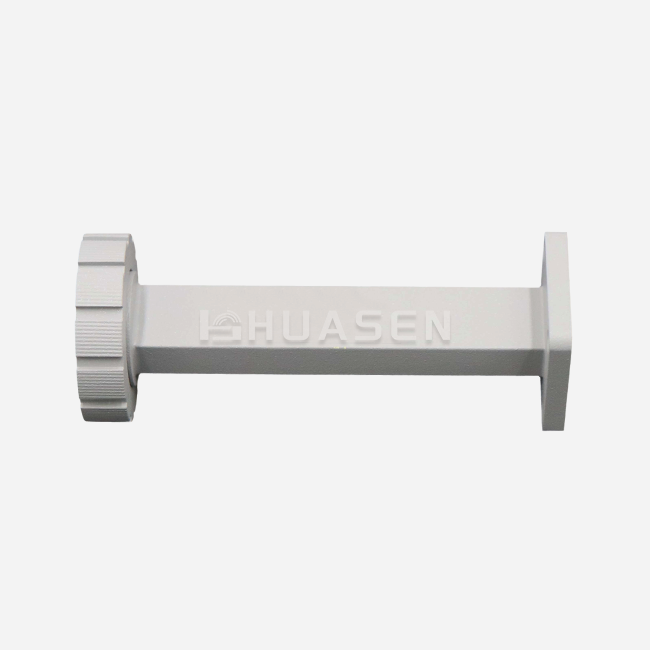
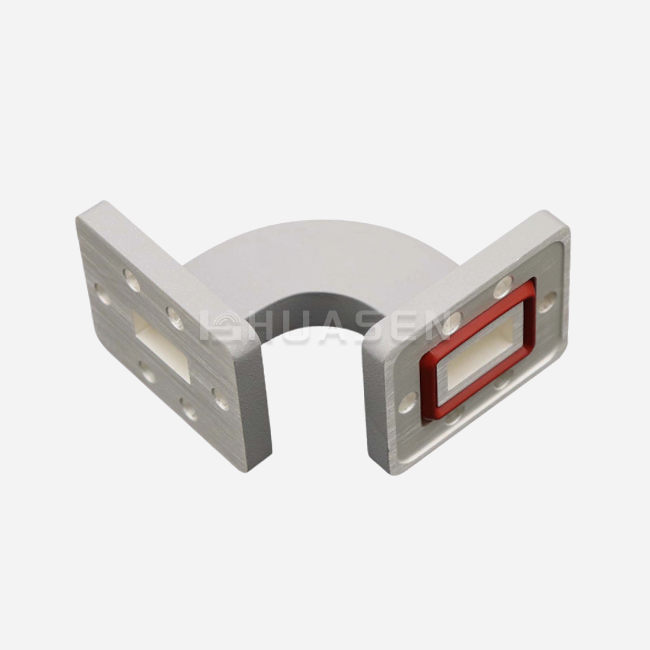
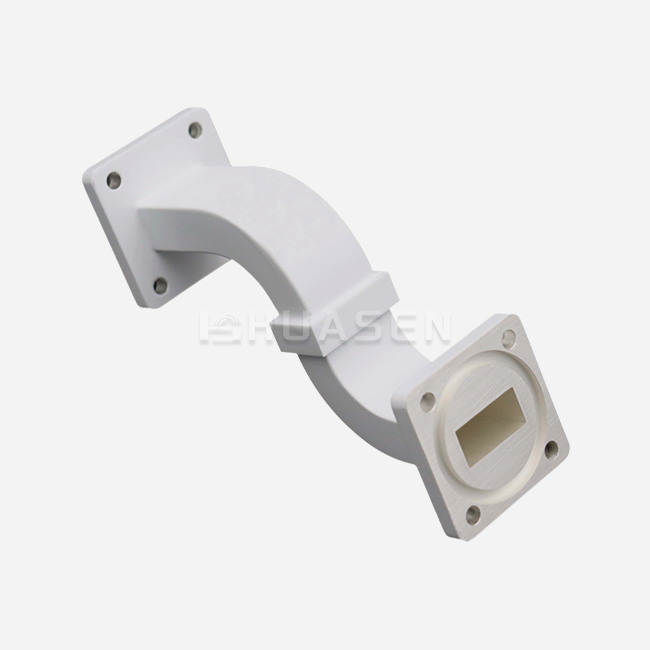
Waveguide phase shifter. Fixed Phase Shifters (WFPS) use carefully designed internal structures to give users fixed phase delays. In high-power situations where fine-tuning isn't as important as steadiness and low insertion loss, these passive parts do very well. They are perfect for base station front-end systems and radar applications that need stable performance even in very harsh situations because of their strong build.
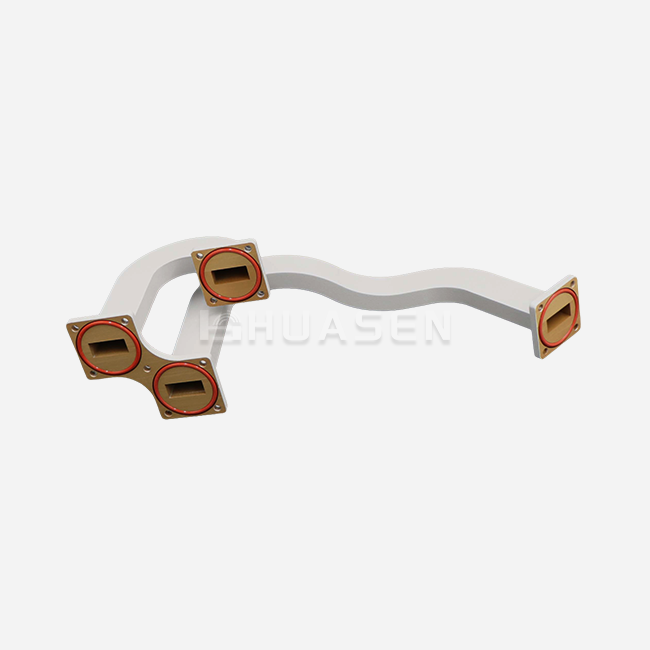
Variable Phase Shifters (WVPS) have parts that can be changed to give control over phase in a range of frequencies that can be heard. These useful parts can do a lot of different things. They use mechanical movers, ferrite materials, or electronic parts to constantly change phase. Their ability to change makes them very useful in antenna array systems that use dynamic beamforming to make the system more flexible and improve performance.
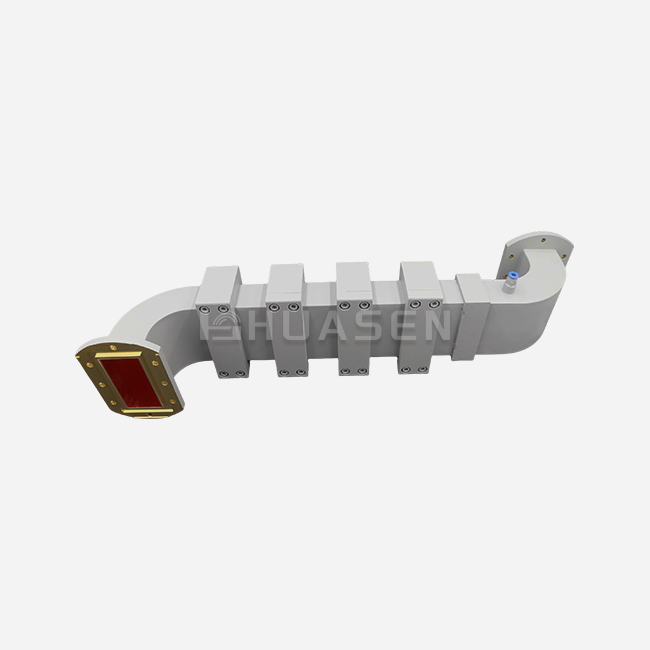
High-Power Variable Phase Shifters (WHPVPS) can be used in tough situations where they need to be adjustable and able to handle a lot of power. These specialized parts use advanced cooling methods and tough construction to keep things running smoothly even when conditions are difficult. These strong fixes for mission-critical applications are used by military radar systems and high-power communication lines.
Digital Phase Shifters (DPS) are the most advanced electronic chips in phase control technology. They use silicon LSI and make use of cutting-edge methods for integrated circuits. These small parts can switch in nanoseconds and are digitally controlled, so they are necessary for current 5G and 6G systems and phased array uses where beam steering must happen quickly.
Operational Mechanisms and Design Considerations
There are a number of important design factors that directly affect the operational efficiency of phase-shifting devices. A key goal of impedance matching is to keep signal reflections at a minimum and preserve signal integrity along the entire transmission line. Engineers use complex modeling methods to find the best sizes for waveguides and shapes for transitions.
Waveguide phase shifters can be used in a wide range of applications and over a wide range of frequencies. Broadband designs make it hard for engineers to keep a consistent phase response across wide frequency ranges while maximizing a drop in the amount of loss that varies between different frequencies. New uses need frequency coverage from 2.60 GHz to 112 GHz. This calls for new ways of designing waveguides and choosing materials.
In complex RF front-end designs, keeping the signal quality up depends on low-loss features. Insertion loss is kept to a minimum, and phase accuracy is maintained with the help of advanced materials and precision production methods. Design choices are affected by the balance between how well something works and how hard it is to make, which varies across different fields.
The ability to adapt to different environments is an important factor in mechanical design, especially for outdoor use and when the machine will be working in harsh conditions. For telecommunications infrastructure and aircraft uses, the ability to resist water, temperature changes, and vibrations becomes very important.
Applications Across Modern Communication Systems
More and more, mobile communication networks depend on complex phase control systems to make sure that they have enough range and capacity. 5G base stations use precise waveguide phase shifter arrays to shape beams in new ways that send messages to certain users and reduce interference. As we move toward 6G systems, these needs will grow even more, requiring very advanced phase control systems.
Phase shifters are important for satellite communication systems to keep the correct pointing and signal quality in a range of operational situations. When ships communicate, they face special problems because of how much they're moving and how exposed they are to the elements. This means they need strong phase control systems that can adjust the direction of the beam in real time.
Radar is used for many things, from tracking weather to defense systems, each with its own needs for performance. Quick phase changes are used by electronic defenses and communications security systems to keep them working properly. Being able to change the way a signal looks in real time gives you an edge in strategic electromagnetic settings where there is a lot of competition.
In point-to-point radio communications, link quality is improved by adaptive phase control systems that take into account how atmospheric conditions may change. Phase shifters are used in broadcasting and TV to change coverage patterns and stop services nearby from being affected.
Technical Specifications and Performance Metrics
The performance review of phase-shifting parts includes many different parameters that are all connected and determine whether or not the system is appropriate. Phase accuracy has a direct effect on both beamforming precision and signal processing efficiency. These days, apps usually need phase control accuracy of ±2° across the range of frequencies they can operate at.
VSWR is a way of talking about waveguide phase shifter return loss traits, which show how well the impedance is matched and how well the parts work together. A VSWR of less than 1.5:1 means that the performance is very good, with minimum signal reflections and optimal power transfer efficiency.
The amount of power that different parts and apps can handle varies a lot from one type to another. High-power radar systems might need parts that can handle kilowatts of continuous power, but mobile communication applications value small size and high integration density.
In applications that need quick beam steering or data processing, the switching speed becomes very important. Electronic phase shifters respond in a nanosecond, but mechanical ones may take milliseconds. However, mechanical ones can handle more power and are more reliable.
Temperature steadiness guarantees that performance remains the same no matter where it is used. Military and aerospace uses often need to operate from -55°C to +125°C while still following the rules. Thermal compensation methods help keep phase precision when conditions change.
Integration Challenges and System Design
Today's communication systems require phase control parts to be easily combined within complicated RF structures. While making sure that the infrastructure is ready for the future, the ability to connect, the way that parts can work together, and the need for control signals must all work with the current system. SMA, K-type, and other waveguide flanges are standard connector types that make sure a lot of different uses can work with each other.
Aerospace and mobile uses are especially affected by size and weight limits because every gram and cubic centimeter matters. Miniaturization aims to reduce the size of parts while keeping speed and reliability the same. Advanced packaging methods make it possible to combine many tasks in small sizes.
Standard goods can't meet all application needs, but waveguide phase shifter customization can. Custom engineering solutions are often needed when particular frequency ranges, power levels, or environmental conditions are required. Being able to change important factors while keeping the project cost-effective is very important for a lot of different uses.
Long-term availability and regulatory acceptance are guaranteed by supply chain dependability and certification compliance. Parts often have to meet tough rules like MIL-STD for military use, RoHS for environmental compliance, and different standards for telecommunications around the world.
Future Developments and Technology Trends
Neural network integration is a new thing in adaptive phase control systems that lets smart optimization happen based on performance input in real time. Machine learning algorithms can find the best phase sets for different situations. This might make the system work better than standard ways of controlling it.
Nonlinear processing methods and waveguide phase shifters are new ways to work with signals and make systems better. These more advanced ways make signal processing easier to do with fewer parts and less power, which may seem counterintuitive.
The performance range of phase control parts keeps getting bigger thanks to discoveries in material science. New dielectric materials, superconducting elements, and metamaterials offer better performance and new uses.
Joining or integrating with digital signal processing systems makes it possible for hybrid methods to work together. These methods use both analog phase control and digital correction techniques. This merger makes things work better and more flexible while dealing with the fact that modern communication systems are getting more complicated.
Conclusion
Waveguide phase shifters are very important parts of modern microwave systems. They make it possible to control signals exactly how you want in a wide range of uses, from 5G communications to cutting-edge radar systems. Engineers can choose the best components for system performance when they know how these parts work, how they perform, and how they fit into the overall system.
As communication technologies keep changing, we need phase control options that are more and more advanced. To successfully execute these parts, one must carefully think about technical details, the environment, and how well the system will work over time. Working with makers who have a lot of experience guarantees that you can get both standard and custom solutions that meet strict requirements while still being affordable and reliable when it comes to delivery.
Choose Huasen Microwave for Premium Phase Control Solutions
Huasen Microwave Technology is a top waveguide phase shifter maker with more than thirty years of experience making high-frequency parts. Our wide range of products includes WFPS, WVPS, WHPVPS, and DPS solutions that cover frequencies from 2.60 GHz to 112 GHz and can change phase from 0° to 360°.
Our engineering team offers full technical help during the whole design process, from when the idea is first developed to when the production qualification is complete. We offer a level of customization that standard goods don't have, so we can meet your unique needs for power, frequency, and environmental conditions.
Compliance with quality certification includes MIL-STD, ISO, and RoHS standards, which ensure that rules are followed in places all over the world. Our supply chain and manufacturing methods are set up to always give you the same high quality and on-time delivery for both small and large orders.
Discover how our advanced waveguide phase shifter solutions can enhance your system performance, and contact us at sales@huasenmicrowave.com to discuss your specific application requirements with our expert engineering team.

References
1. Pozar, David M. "Microwave Engineering, 4th Edition." Wiley, 2012. Chapter 9: Theory and Design of Ferrimagnetic Components and Phase Shifters.
2. Collin, Robert E. "Foundations for Microwave Engineering, 2nd Edition." IEEE Press, 2001. Waveguide Phase Shifter Analysis and Design Principles.
3. IEEE Standard 149-2021. "IEEE Recommended Practice for Antenna Pattern Measurements Using Phase Shifter Arrays." Institute of Electrical and Electronics Engineers, 2021.
4. Bhartia, Prakash and Inder J. Bahl. "Millimeter Wave Engineering and Applications." John Wiley & Sons, 1984. Phase Control Components for mm-Wave Systems.
5. Balanis, Constantine A. "Antenna Theory: Analysis and Design, 4th Edition." Wiley, 2016. Chapter 18: Phased Array Antennas and Beamforming Networks.
6. Chang, Kai and Lung-Hwa Hsieh. "Microwave Ring Circuits and Related Structures, 2nd Edition." Wiley-IEEE Press, 2004. Digital and Analog Phase Shifter Implementations.
Send Inquiry