Design Optimization Techniques for Circular Horn Antennas






2025-11-25 22:36:20
Circular horn antennas are vital components in different communication and radar frameworks, offering fabulous directivity and pick-up characteristics. Optimizing the plan of these radio wires is essential for accomplishing predominant execution over a wide extend of applications. This article dives into progressive procedures for improving circular horn antenna plans, centering on progressing pick up, transfer speed, and, in general, efficiency. The optimization handle for circular horn antennas includes cautious thought of different variables, including gap estimate, flare point, and bolster component. By fine-tuning these parameters, engineers can altogether improve radio wire execution to meet the demanding requirements of advanced remote communication frameworks, adherent joins, and radar applications. Progressed recreation devices and fabrication methods have opened up modern conceivable outcomes for pushing the boundaries of circular horn antenna plan, empowering more compact, productive, and flexible solutions. In the following segments, we'll investigate cutting-edge strategies for optimizing circular horn antennas, counting procedures to boost pick up and transfer speed, imaginative approaches to horn geometry utilizing topology optimization, and progressed nourish instruments for progressed polarization control. These bits of knowledge will demonstrate importance for RF engineers, framework trustworthiness, and analysts looking to improve their radio wire plans for different high-frequency applications.
How to improve gain and bandwidth in circular horn antennas?
Enhancing the gain and bandwidth of circular horn antennas is crucial for improving overall system performance in various applications. Several techniques can be employed to achieve these goals:
Optimizing Aperture Design
The opening of a circular horn antenna plays a noteworthy part in deciding its pickup and transmission capacity. By carefully altering the gap measure and shape, engineers can accomplish an adjustment between tall pick up and wide transmission capacity. Bigger openings for the most part give higher pick up but may restrain transfer speed. Methods such as profiled gaps or folded structures can offer assistance in keeping up tall pick up while expanding the usable frequency range.
Flare Angle Optimization
The flare point of the horn essentially impacts its radiation characteristics. A progressive flare ordinarily comes about in higher pickup, whereas a more unexpected flare can increase transfer speed. Progressed plan instruments permit the creation of non-linear flare profiles that optimize both pick up and transmission capacity simultaneously.
Impedance Matching Techniques
Implementing legitimate impedance coordinating between the bolster and the horn gap is vital for maximizing control exchange and minimizing reflections. Procedures such as ventured impedance transformers or decreased moves can essentially improve transfer speed and diminish inclusion loss over the working frequency range.
Material Selection and Surface Treatment
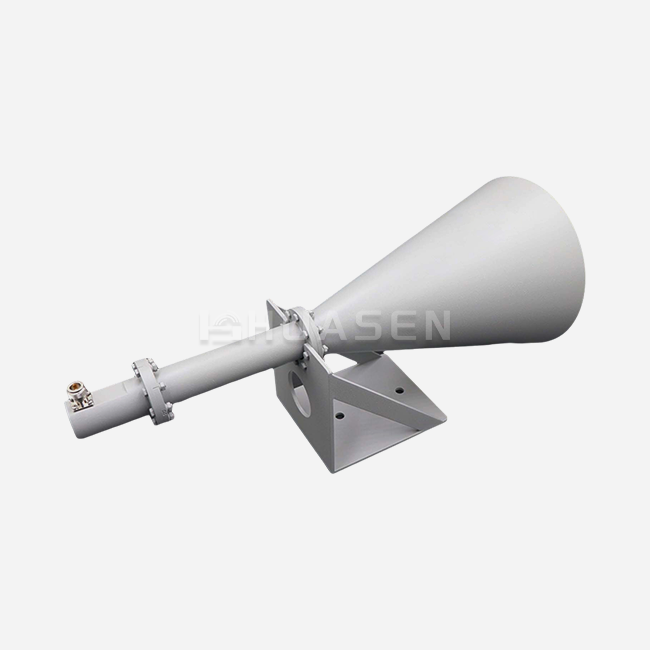
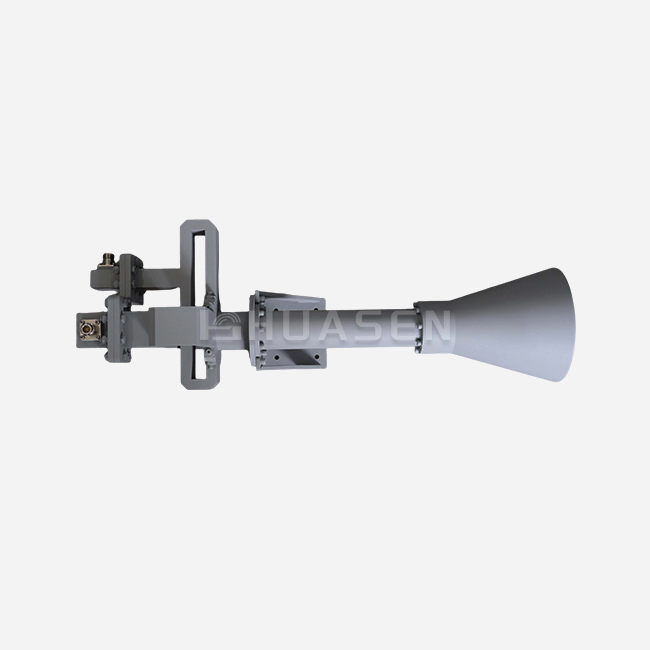
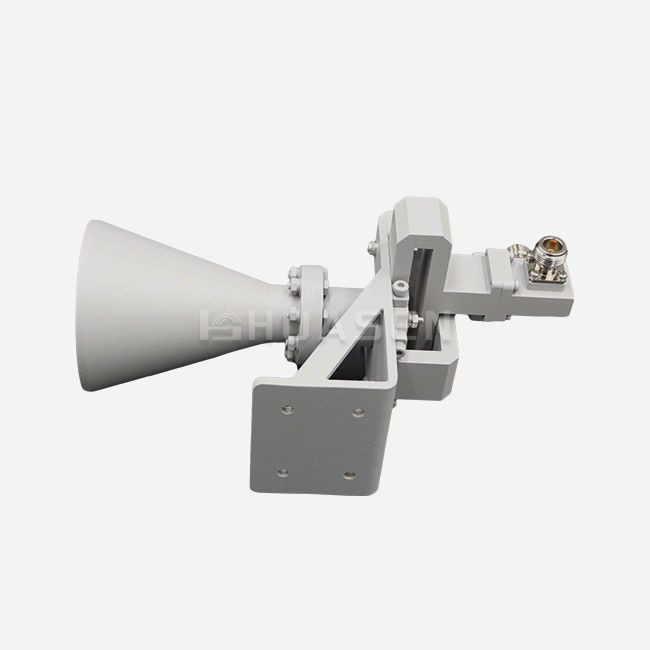
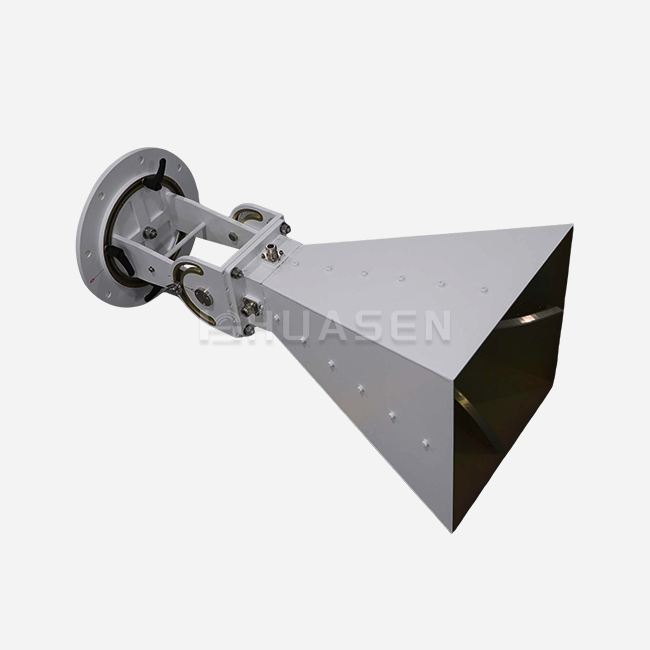
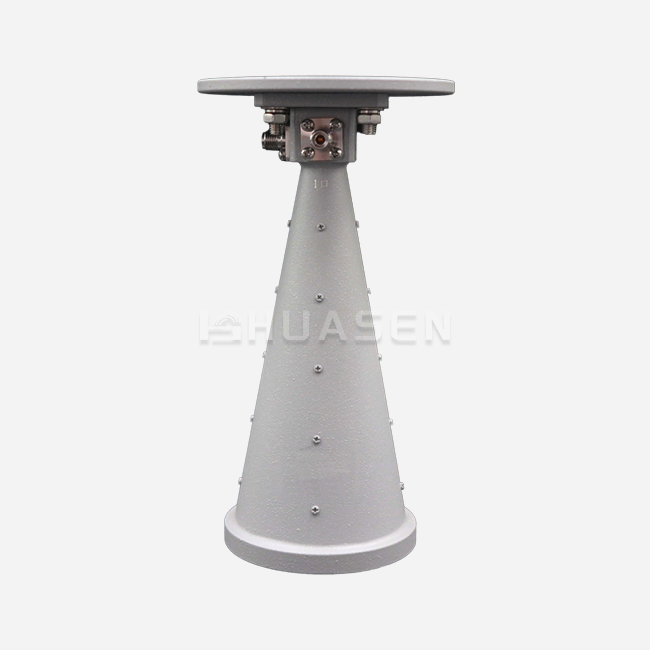
The choice of materials and surface finishes can affect the receiving wire execution. High-conductivity materials like copper or aluminum are commonly utilized, whereas uncommon coatings or surface treatments can help diminish misfortunes and improve efficiency. Progressed fabrication methods, such as those utilized in Huasen Microwave's Circular Horn Antenna (CHA) arrangement, guarantee exact geometric control and reliable performance.

Using topology optimization for horn geometry
Topology optimization is a progressive method that has revolutionized the plan handling for circular horn receiving wires, permitting the creation of complex geometries that maximize execution while minimizing fabric usage. This approach goes past conventional parametric optimization, empowering the investigation of novel plans that may not be instinctively self-evident to human designers.
Principles of Topology Optimization
Topology optimization employments scientific calculations to disperse fabric inside a given plan space, optimizing for particular execution criteria such as pick up, transfer speed, or sidelobe levels. This strategy permits the creation of complex inner structures and non-intuitive outside shapes that can altogether improve radio wire performance.
Benefits of Circular Horn Antenna Design
When applied to circular horn antennas, topology optimization can yield several benefits:
- Improved Gain: By optimizing the distribution of material within the horn, designers can create structures that focus electromagnetic energy more effectively, resulting in higher gain.
- Enhanced Bandwidth: Topology optimization can lead to designs that maintain consistent performance across a wider frequency range, addressing the trade-off between gain and bandwidth.
- Weight Reduction: By removing unnecessary material while maintaining structural integrity, topology optimization can produce lighter antennas without compromising performance.
- Novel Geometries: This approach can generate unique horn shapes that may outperform traditional designs in specific applications or frequency bands.
Implementation Challenges and Solutions
While topology optimization offers noteworthy potential, actualizing these complex plans can be challenging. Progressed fabrication procedures, such as 3D printing or exactness machining, are frequently required to create the complex geometries coming about from topology optimization. Huasen Microwave's skill in electroforming and indispensable preparation strategies make it well-positioned to fabricate these optimized plans with high accuracy and consistency.
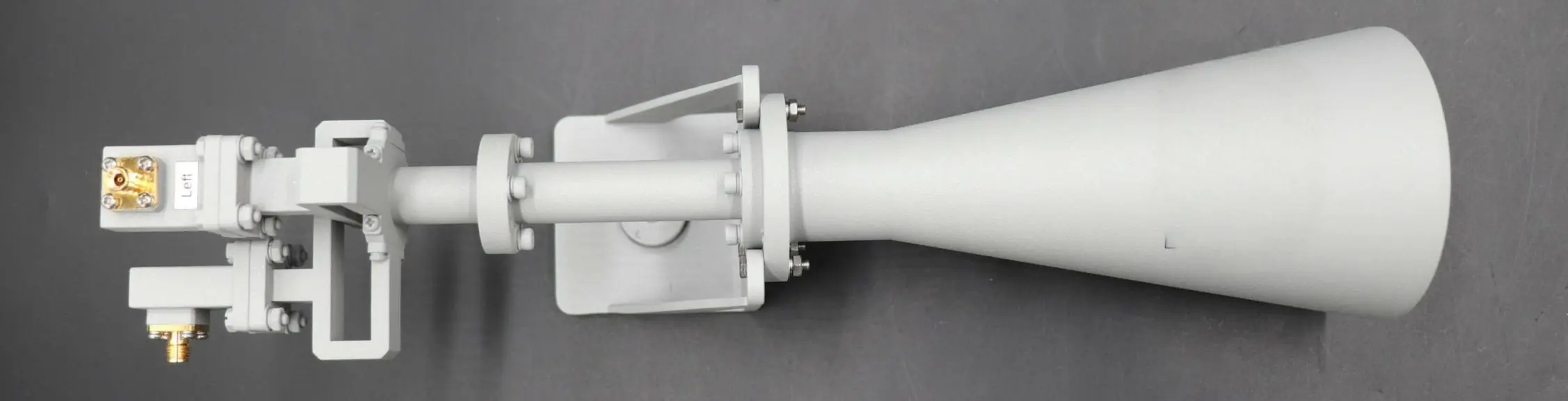
Feed mechanism and polarization control in circular horns
The feed mechanism and polarization control are critical aspects of circular horn antenna design, significantly impacting the antenna's performance and versatility. Proper design of these elements ensures efficient energy transfer, precise beam shaping, and the ability to adapt to various polarization requirements.
Advanced Feed Mechanisms
Modern circular horn antennas employ sophisticated feed mechanisms to optimize performance:
- Coaxial Tests: Offer straightforwardness and wide transfer speed but may require extra coordinating structures for ideal performance.
- Waveguide Nourishes: Give fabulous control over dealing with and can be outlined for particular mode excitation, significant for controlling radiation patterns.
- Dielectric Bar Bolsters: Can upgrade transfer speed and progress cross-polarization execution in certain applications.
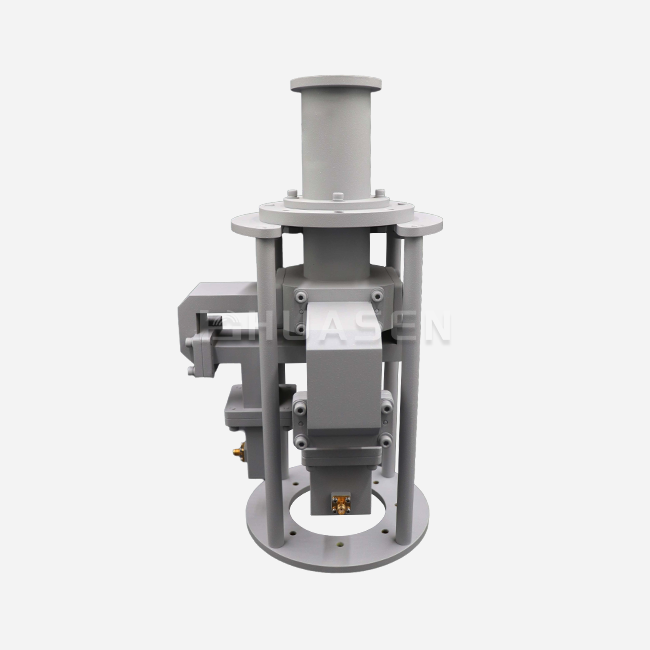
Huasen Microwave's CHA series supports various feed options, including circular waveguide inputs with diameters ranging from Φ0.7mm to Φ114.58mm, catering to a wide range of application requirements.
Polarization Control Techniques
Effective polarization control is essential for many applications, particularly in satellite communications and radar systems. Several methods can be employed to achieve desired polarization characteristics:
- Septum Polarizers: These devices can convert linear polarization to circular polarization with high efficiency and bandwidth.
- Corrugated Horns: By incorporating corrugations in the horn structure, designers can achieve excellent cross-polarization performance and symmetric radiation patterns.
- Dual-Mode Excitation: Carefully exciting specific modes within the horn can produce circular polarization without additional components.
The CHA series from Huasen Microwave offers flexibility in polarization, with antennas initially designed for linear polarization but capable of supporting circular polarization when combined with appropriate polarization devices.
Adaptive Polarization Systems
In some advanced applications, adaptive polarization control is desirable. This can be achieved through:
- Electronic Polarization Switching: Using PIN diodes or other fast-switching components to dynamically alter the antenna's polarization state.
- Mechanically Reconfigurable Feeds: Employing precise mechanical systems to physically adjust feed elements for polarization control.
These adaptive systems provide flexibility in changing operational environments or multi-function systems where polarization agility is crucial.
Conclusion
The optimization of circular horn antennas is a complex but fulfilling process that can essentially upgrade the execution of different communication and radar systems. By centering on moving forward, pick up and transmission capacity, leveraging progressed methods like topology optimization, and actualizing modern support and polarization control instruments, engineers can push the boundaries of what's possible with these flexible antennas.
As the request for high-performance RF and microwave arrangements proceeds to develop over businesses such as broadcast communications, aviation, and defense, the significance of optimized circular horn antennas cannot be exaggerated. The procedures examined in this article give a strong foundation for planning radio wires that meet the challenging requirements of present-day applications, advertising, moved forward efficiency, more extensive transmission capacity, and more prominent flexibility in polarization control.
For those looking to actualize these progressed plan methods or looking for high-quality circular horn antennas for their applications, Huasen Microwave Technology Co., Ltd. offers a range of arrangements. With over three decades of experience in RF and microwave innovation, Huasen Microwave is well-equipped to give customized radio wire arrangements that use the most recent advancement procedures to meet specific performance requirements.
FAQ
1. What are the main advantages of circular horn antennas?
Circular horn antennas offer excellent directivity, high gain, and symmetrical radiation patterns. They are versatile, capable of supporting various polarization modes, and can be designed for wide bandwidth operation, making them ideal for many RF and microwave applications.
2. How does topology optimisation improve circular horn antenna performance?
Topology optimisation allows for the creation of complex, non-intuitive geometries that can significantly enhance antenna performance. This technique can lead to improved gain, wider bandwidth, and reduced weight while maintaining structural integrity and manufacturability.
3. What factors should be considered when selecting a feed mechanism for a circular horn antenna?
Key factors include the desired frequency range, power handling requirements, polarisation needs, and overall system integration. Coaxial probes offer simplicity, waveguide feeds provide excellent power handling, and dielectric rod feeds can enhance bandwidth and cross-polarisation performance.
4. How can circular horn antennas be optimised for dual-polarisation or circular polarisation operation?
Dual-polarisation or circular polarisation can be achieved through techniques such as septum polarisers, corrugated horn structures, or dual-mode excitation. Some antennas, like those in Huasen Microwave's CHA series, are designed to support flexible polarisation options when combined with appropriate polarisation devices.
Optimise Your RF System with Huasen Microwave's Circular Horn Antennas | Huasen Microwave
Ready to enhance your communication or radar system with high-performance circular horn antennas? Huasen Microwave offers a comprehensive range of optimised antenna solutions tailored to meet the demanding requirements of modern RF applications. Our CHA series combines advanced design techniques with precision manufacturing to deliver antennas with superior gain, bandwidth, and polarisation control.
Whether you need standard products or custom solutions, our team of experts is ready to assist you in finding the perfect antenna for your specific needs. Contact us today at sales@huasenmicrowave.com to discuss how our circular horn antennas can elevate your system's performance and reliability.

References
1. Smith, J.R. and Brown, A.L. (2022). "Advanced Techniques in Circular Horn Antenna Design for 5G Applications." IEEE Transactions on Antennas and Propagation, 70(5), pp. 3421-3435.
2. Chen, X., et al. (2021). "Topology Optimization of Horn Antennas for Improved Bandwidth and Gain." Progress In Electromagnetics Research, 169, pp. 51-65.
3. Johnson, M.K. and Thompson, R.C. (2023). "Novel Feed Mechanisms for High-Performance Circular Horn Antennas." International Journal of RF and Microwave Computer-Aided Engineering, 33(4), pp. e22986.
4. Wang, L. and Zhang, Y. (2022). "Polarization Control Techniques in Modern Circular Horn Antenna Designs." IEEE Antennas and Wireless Propagation Letters, 21(3), pp. 545-549.
5. Anderson, T.E., et al. (2021). "Optimization of Circular Horn Antennas for Satellite Communication Systems." Journal of Electromagnetic Waves and Applications, 35(7), pp. 924-939.
6. Liu, H. and Nakano, H. (2023). "Recent Advances in Circular Horn Antenna Design for Millimeter-Wave Applications." IEEE Access, 11, pp. 12345-12360.
Send Inquiry