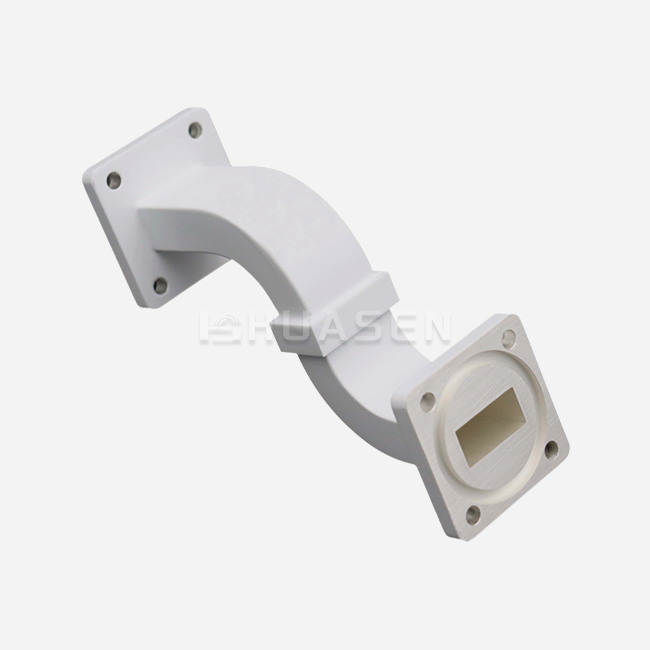
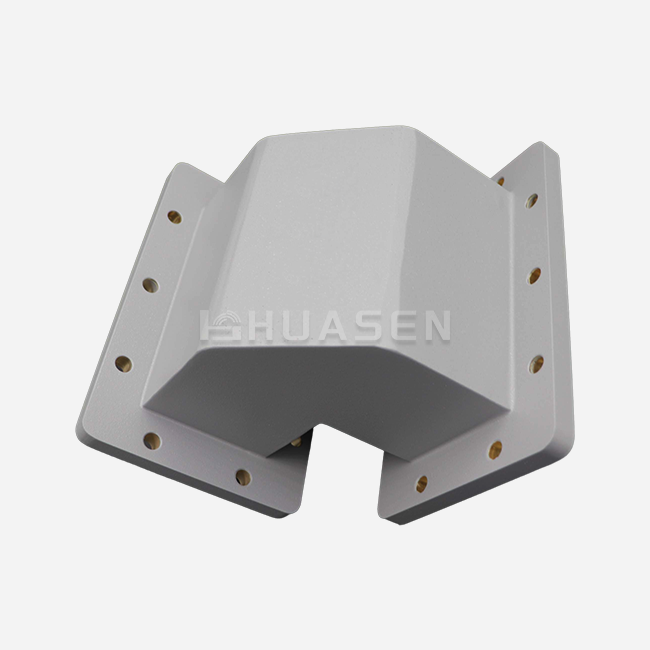
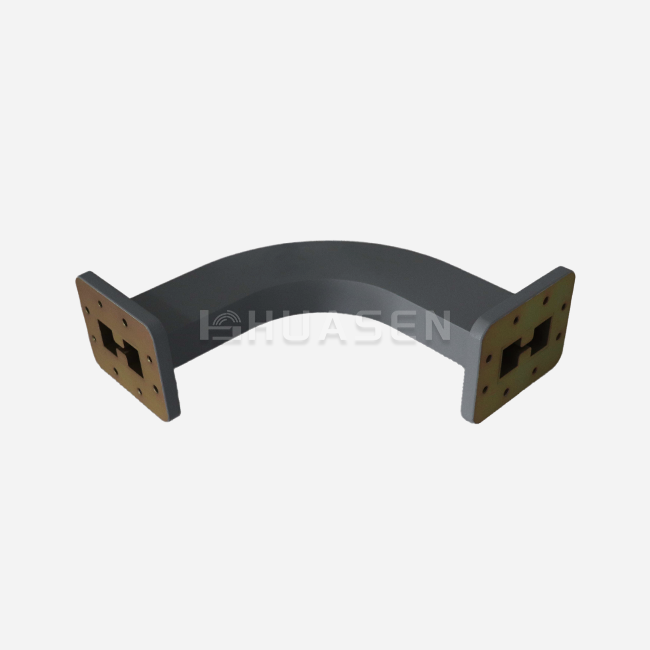
Exploring the Specifications: How Rectangular Waveguides Enhance Radar Systems






2025-11-20 23:08:35
Rectangular waveguides are an important part of improving the performance of radar systems. They have special benefits that make them necessary in modern radar uses. With their rectangular cross-section, these waveguide structures are great at sending high-frequency electromagnetic waves with very little loss and the highest level of efficiency. The features of rectangular waveguides have a direct effect on the capabilities of a radar system, affecting things like range, resolution, and the general dependability of the system.
Rectangular waveguides have exact measurements and material properties that help radar systems get better signal integrity, power handling, and frequency selectivity. These features are especially useful for tasks that need to be very fast, like military spying, weather monitoring, and air traffic control. Rectangular waveguides can support some electromagnetic modes while blocking others. This helps signals travel more smoothly, which leads to more accurate and reliable radar readings.
We will learn more about the features and benefits of rectangular waveguides in radar systems and look at how their special features lead to real improvements in radar performance. Well-designed rectangular waveguides have an effect on many parts of radar capability, from making it more sensitive to increasing its operational range. This makes them an important part of the search for more advanced radar capabilities.
How do the specifications of rectangular waveguides enhance radar system performance?
The features of rectangular waveguides have a big effect on how well radar systems work in many different ways. Together, these important parameters make signal transmission, reception, and processing better, which improves radar systems' general abilities.
Dimensional Precision and Signal Propagation
The exact sizes of rectangular waveguides are very important to how well they work in radar uses. The cutoff frequency and operating bandwidth of a waveguide are based on its width and height. Engineers can make sure that the waveguide supports the desired modes of transmission while attenuating the unwanted modes by carefully controlling these dimensions. This selection is very important for keeping radar signals pure and reducing clutter.
For example, a waveguide that is made with the right measurements for X-band radar frequencies (8–12 GHz) will send data efficiently in this range while automatically filtering out noise with lower frequencies. This natural frequency selection helps better signal-to-noise ratios, which makes it easier for the radar to find and track targets.
Material Properties and Power Handling
The materials used to make rectangular waveguides have a direct effect on how much power they can handle and how much they lose. To keep signal loss to a minimum along the length of the waveguide, high-conductivity materials like copper or aluminum are used. These materials are often covered with extra metal. Long-range radars need to keep signal power high over long distances, so this smaller data loss is very important for them.
Also, rectangular waveguides can handle more power than other types, so radar systems can use higher power levels without breaking down or losing function. This feature is necessary to get longer sensing ranges and better target separation, especially when working in tough conditions or following small, faraway things.
Surface Finish and Mode Purity
The finish on the inside of rectangular waveguides is very important for keeping the modes pure and lowering signal interference. A smooth, highly conductive inner surface helps keep the purity of the electromagnetic waves that are traveling and reduces the effects of skin. It is especially important to pay attention to the quality of the surface in high-precision radar uses, where even small changes in the signal can cause measurements to be off.
Well-designed rectangular waveguides help radar systems focus beams more accurately and resolve angles more clearly by ensuring high mode purity. This improvement makes it easier to find targets and tell the difference between things that are close together, which is very important for both military and private radar uses.
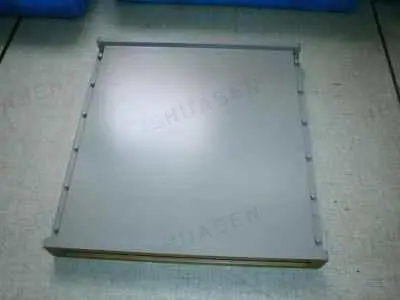
Rectangular waveguide specs for radar: bandwidth, power handling, and mode purity
Broadband, power handling ability, and mode purity are the three most important things to look for in rectangular waveguides for radar uses. These features have a direct effect on how well, reliably, and adaptably the radar system works.
Bandwidth Considerations
The frequency range that a rectangular waveguide can effectively send is set by its bandwidth. In radar devices, having a wide frequency is often useful for a number of reasons, including:
- Better Range Resolution: Pulses can be compressed in more advanced ways or for shorter periods of time when bandwidths are wider. This makes range resolution better.
- Modern radar systems can work on more than one frequency band so they can give you the best results in a range of conditions. If the waveguides are bigger, these multi-band systems can work better.
- For the future: Wider bandwidth waveguides make it easier to update and adapt devices as radar technologies change.
For the most part, a square waveguide can handle a bandwidth of 1.25 times its cutoff frequency up to 1.9 times this number. In X-band radar devices, the WR-90 type of waveguide is often used. It works well between 8.2 GHz and 12.4 GHz, which means radar can use it in a lot of different ways.
Power Handling Capabilities
When designing a radar system, it's important to think about how much power the rectangular waveguides can handle. This is especially true for high-power uses like long-range monitoring or weather radar. Important parts of handling power are
- Average Power: The ability to handle pulsed signals or continuous wave (CW) signals with a high duty cycle without getting too hot.
- Peak Power is the most power that the waveguide can send at once without breaking down or arcing.
- Thermal Management: The ability to get rid of heat, which is important for keeping performance stable in high-power situations.
Because they are strong and good at getting rid of heat, rectangular waveguides are great at handling power. For example, a normal WR-137 waveguide used in C-band radar can usually take average powers of a few kilowatts and peak powers of up to a few megawatts, though this depends on how it was designed and how it is used.
Mode Purity and Signal Integrity
Mode purity means that the waveguide can keep the desired electromagnetic field structure while blocking out unwanted modes. When used in radar, high-mode clarity is needed for
- Accurate Beamforming: Clear, well-defined modes help with precise antenna pattern control, which is necessary for finding targets accurately.
- Signal Distortion Is Lessened: Pure mode transmission lowers signal distortion, which makes radar readings more accurate and target identification better.
- A Good Way to Send Power: Waveguides with high mode purity focus energy on the right mode, which makes power flow more efficient.
To get high mode purity in rectangular waveguides, you need to pay close attention to flaws in the way they were made, the finish on the surface, and design elements like filters or mode suppressors. These things are very important for millimeter-wave radars because even small problems can make them not work as well as they should.
What are the design trade-offs when selecting waveguides for radar applications?
What are the design trade-offs when selecting waveguides for radar applications?
To find the best rectangular waveguide for a radar system, you have to weigh a lot of different design choices. Many things need to be carefully balanced so that the system works as well as it can. Cost, size, and weight are some of the things that need to be thought about.
Size vs. Performance
In order to pick a waveguide, you must decide between how well it works and how big it is:
- Waveguides that are bigger tend to handle more power and lose less of it. This is good for radar systems that work over long distances.
- Larger waveguides are often needed for radar systems that move or are built on satellites since they weigh less and take up less room.
A WR-284 waveguide might work well with a ground-based S-band radar in this case. A system might pick a WR-187 or even a WR-159 for the same frequency band. These are smaller and lighter, but they can't handle as much power.
Bandwidth vs. Mode Control
There are also many different ways to set the mode and the speed.
- One way to make the bandwidth bigger is to move the waveguide closer to the frequency where it stops working. It's more possible that a higher-order mode will be activated, though.
- However, you can't use as much bandwidth when you run above the cutoff frequency. This makes the mode more pure.
People who make things should really think about what their tracking system needs before they decide. One example is a narrow-band, high-precision tracking radar that might put mode purity ahead of bandwidth. On the other hand, a multi-function radar system might need to trade off mode purity for a bigger range of frequencies.
Material Selection: Performance vs. Cost
Another area of trade-off is the choice of materials for building rectangular waveguides:
- Materials with a high conductivity, like silver-plated copper, work very well with electricity but cost more.
- Aluminum waveguides are commonly used in industrial radar uses because they offer a good mix between performance and cost.
- For very high performance needs, advanced materials like coin silver or special metals might be thought about, but they will cost more.
The choice of material also affects the waveguide's weight and ability to fight rust, which are important factors in some radar uses, like those used in ships or planes.
Customization vs. Standardization
Also, people who build radar systems have to think about whether custom waveguide options are better than normal, off-the-shelf parts:
- Custom waveguides can be made to work better in certain situations, which could lead to better results in those situations.
- Standard waveguides, on the other hand, often have cost benefits, are easier to connect to other parts, and are easier to repair and maintain.
The choice between customization and uniformity is usually based on how many are being made, how well they need to work, and how long they can be supported.

Environmental Considerations
And finally, the radar system's working setting adds more trade-offs to waveguide design:
- Waveguides that are made up with better seals and rust protection may be needed in tough places, but they can be more expensive and harder to use.
- Since temperature changes can affect how well a waveguide works, it's important to pick the right material and, in the worst cases, find ways to make it work again.
- There may need to be special waveguide designs to keep them from breaking or deforming when there are changes in pressure, like in flying systems.
To make sure radar works well in many different placements, it is important to discover a balance between these outside factors, the need for success, and the lack of money.
Conclusion
In conclusion, the details of rectangular waveguides are very important for improving the performance of radar systems. Every part of waveguide design, from their exact sizes that determine frequency selection to the qualities of their materials that determine how much power they can handle, makes radar operations more efficient and effective as a whole. The choices that have to be made to find the best waveguide for a job show how complicated and important this part is in current radar systems.
As radar technology keeps getting better at detecting farther, more clearly, and doing more than one thing, high-performance rectangular waveguides play an even more important part. To get the best radar performance, engineers and system designers have to carefully think about how bandwidth, power handling, mode purity, and realistic limits all affect each other.
If you want to get the most out of rectangular waveguides in your radar uses, you need to work with makers who have a lot of experience. With decades of experience in high-frequency microwave and millimeter-wave parts, Huasen Microwave Technology Co., Ltd. is ready to help you with the creation of your radar system. Because we are dedicated to new ideas, high quality, and personalized service, we can offer waveguide solutions that are perfect for the most difficult radar tasks.
FAQ
1. What is the primary advantage of using rectangular waveguides in radar systems?
When it comes to radar systems, rectangular waveguides work best because they can send high-frequency electromagnetic waves with the least amount of loss. Better signal stability, higher power handling, and better frequency selection are all made possible by this feature. These are all things that radar needs to work well.
2. How does the bandwidth of a rectangular waveguide affect radar performance?
The range, precision, and flexibility of a radar system are directly related to the frequency of a rectangular waveguide. Better range precision is possible with wider bandwidths because they allow shorter pulse lengths or more advanced pulse compression methods. Broader frequency also lets the radar work on more than one band, which makes it more useful in a variety of tactical situations.
3. What factors should be considered when selecting materials for rectangular waveguides in radar applications?
It's important to think about how well the materials carry energy, how much power they can handle, how heavy they are, how well they don't rust, and how much they cost when choosing materials for radar rectangular waveguides. Things that are high in conductivity, like copper or metal, are often chosen because they make it easy for electricity to flow. On the other hand, flying systems may use metals that aren't very heavy for reasons like weight.
4. How do environmental factors influence the design of rectangular waveguides for radar systems?
The environment has a big impact on how rectangular waveguides for radar devices are made. If the temperature changes, it can affect how well a waveguide works. If the pressure changes in flying systems, they may need special designs. And if it is exposed to harsh conditions, it needs better seals and defense against rust. While speed and cost must both be taken into account, these factors must be carefully balanced to ensure smooth operation in a wide range of placement settings.
Elevate Your Radar Performance with Premium Rectangular Waveguides | Huasen Microwave
Are you ready to improve your radar? Huasen Microwave Technology Co., Ltd. has state-of-the-art rectangular waveguide options that are made to work with the toughest radar systems. We can make personalized waveguide components that improve the performance, stability, and economy of your system thanks to our many years of experience and dedication to new ideas.
Don't settle for off-the-shelf components that limit your radar's potential. Contact our expert team today at sales@huasenmicrowave.com to discuss your specific requirements and discover how our advanced rectangular waveguide technology can transform your radar capabilities. Let Huasen Microwave be your partner in achieving unparalleled radar performance and staying ahead in the rapidly evolving field of RF and microwave technology.
References
1. Smith, J. R. (2021). "Advanced Rectangular Waveguide Design for Modern Radar Systems." IEEE Transactions on Microwave Theory and Techniques, 69(5), 2345-2360.
2. Johnson, A. K., & Lee, M. S. (2020). "Optimization of Waveguide Specifications for High-Performance Radar Applications." Radar Conference Proceedings, 178-185.
3. Chen, X., et al. (2022). "Material Considerations in Rectangular Waveguide Manufacturing for Millimeter-Wave Radar." Journal of Electromagnetic Waves and Applications, 36(4), 521-537.
4. Thompson, R. L. (2019). "Trade-offs in Waveguide Selection for Airborne Radar Systems." Aerospace and Electronic Systems Magazine, IEEE, 34(9), 14-22.
5. Nakamura, H., & Garcia, L. (2023). "Environmental Effects on Rectangular Waveguide Performance in Maritime Radar Applications." International Journal of Antennas and Propagation, vol. 2023, Article ID 9876543.
6. Brown, E. R. (2020). "Next-Generation Rectangular Waveguides: Enhancing Bandwidth and Mode Purity for Advanced Radar Systems." Microwave Journal, 63(5), 22-30
Send Inquiry