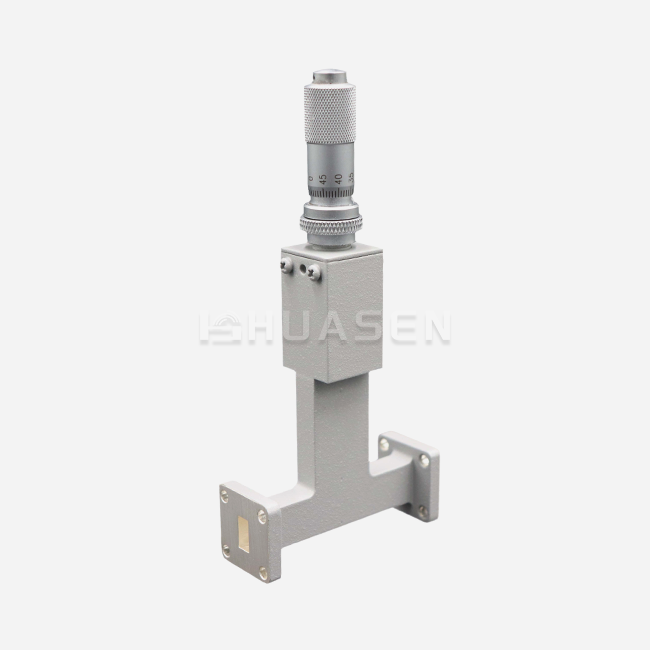
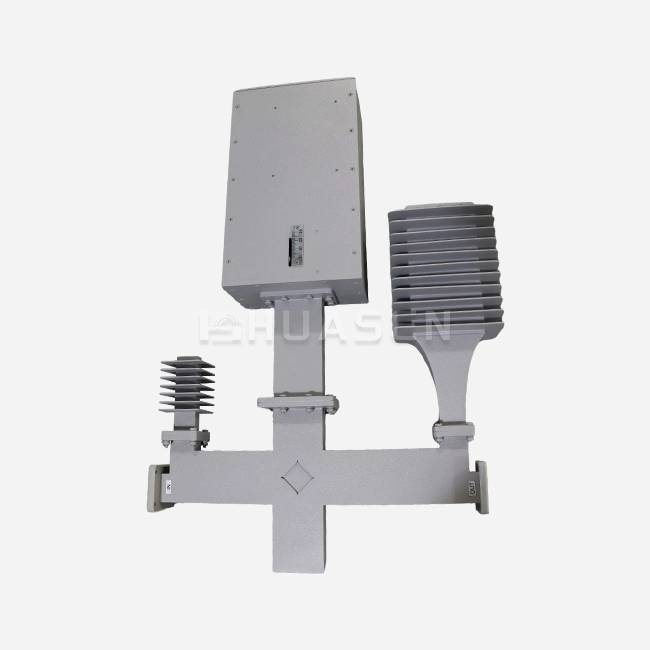
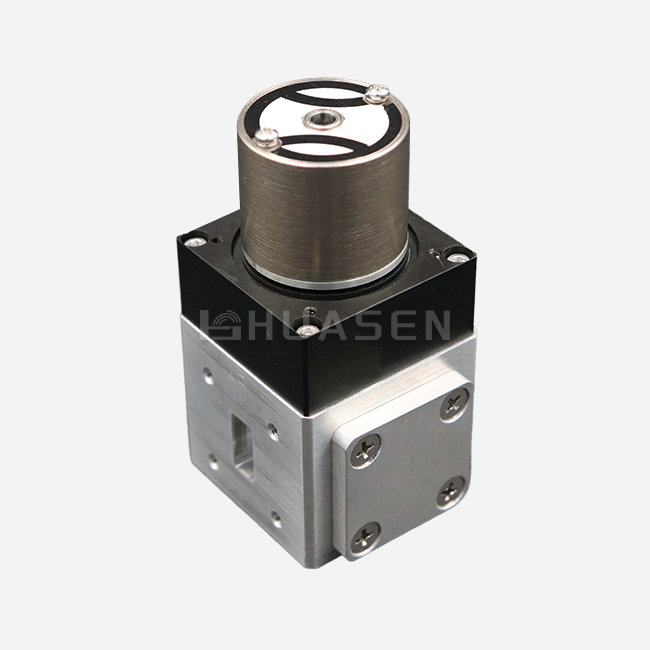
Comparing Flexible and Rigid Waveguides: Which is Best for Your Radar System?






2025-11-20 23:08:37
When planning and building radar systems, choosing between flexible waveguides and stiff waveguides is an important issue that can have a big effect on how well the system works, how reliable it is, and how efficient it is overall. There are pros and cons to both types of waveguides, therefore the choice will rely on the exact needs of your radar application. Flexible waveguides are easier to install in complicated configurations and can handle movement or vibration. Rigid waveguides, on the other hand, have better electrical performance, with less signal loss and more power handling capacity. The best decision between these two methods depends on the radar system's design, where it will be used, the frequency range it needs to work in, and how much power it needs. Engineers may make smart choices to get the most out of their radar systems by carefully looking at these factors and knowing the pros and cons of flexibility and performance.
Flexible vs rigid waveguides: which fits better into your radar system architecture?
There is no one right answer for building a radar system when it comes to whether to use stiff or flexible waveguides. We need to take a close look at the system's specific goals and limits. It is best to use rigid waveguides when handling power and keeping the signal strong are very important. They are great for permanent installations when accurate placement is achievable and long-term stability is important. For example, in ground-based radar systems or high-power transmission sections, rigid waveguides have less insertion loss and last longer in stable conditions.
Advantages of Flexible Waveguides in Dynamic Environments
Flexible waveguides, on the other hand, work best when there needs to be mechanical flexibility and vibration separation. They work best on bases that can move, like ships, planes, and cars, where vibration and movement are always present. Waveguides that can bend and twist are very helpful for setups that are hard to understand or when you need to get around things. This flexibility can make all the difference in situations where inflexible parts would be unfeasible or likely to break because of stress and movement.
Hybrid Approaches for Optimized Performance
A hybrid technique that uses both flexible and rigid waveguides can work well in many current radar systems. Engineers can get the best electrical performance while still meeting mechanical needs by adding carefully placed flexible parts where movement or complex handling is needed and making most of the signal path out of rigid waveguides. It's the best of both worlds with this strategy, which makes sure that signals are sent and received consistently in a wide range of operational situations.
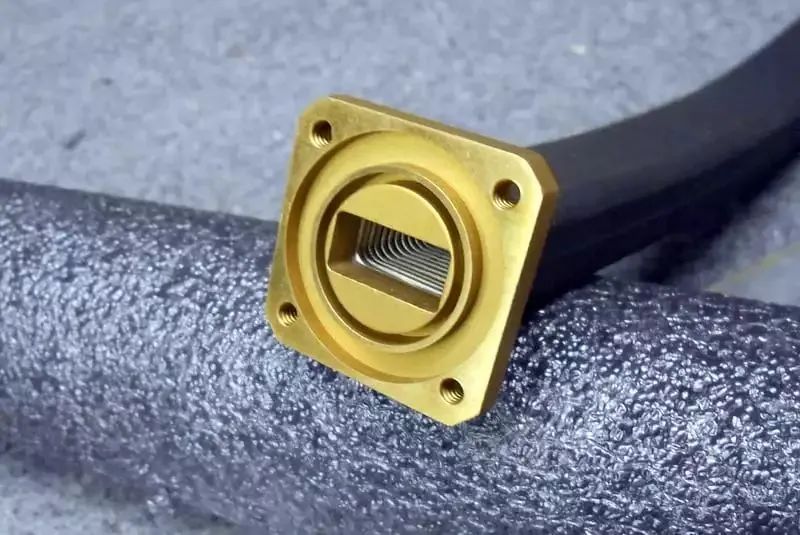
Comparison of waveguide types: performance, installation, weight and space constraints
For radar system design, it's important to know the pros and cons of both flexible and stiff waveguides. Let's look more closely at the main things that set these types of waveguides apart:
Electrical Performance
Rigid waveguides usually have better electrical performance because they have less insertion loss and can handle more power. This makes them perfect for uses where keeping signal loss to a minimum is important for getting the most range and efficiency. Flexible waveguides are more versatile than rigid ones, however they usually have a higher insertion loss. But new designs for flexible waveguides, such double-ridged arrangements, are closing this performance gap by providing a better balance between flexibility and electrical efficiency.
Installation and Maintenance
The two varieties have very different ways of being installed. Before installing rigid waveguides, you need to take very precise measurements, and they typically need to be made to meet specific design. This can make things harder in tight or complicated spaces. On the other hand, flexible waveguides are easier to install because they can handle misalignments and make it easier to connect to moving parts like antennas that rotate. This ease of installation can lead to lower labor costs and faster system implementation. Also, flexible waveguides might make maintenance easier in small locations where it can be hard to get to or replace stiff parts.
Weight and Space Considerations
Flexible waveguides provide a clear benefit in applications where weight is very important, like aerospace or mobility platforms. Because they are lighter, they are great for places where weight is important. Also, flexible waveguides can be routed around things that are already there, which makes them very useful for retrofitting projects or systems with very limited area. Rigid waveguides are heavier and less flexible, but they can save space in straight runs because they are made of solid materials.
Environmental Adaptability
In different weather circumstances, each form of waveguide has its own strengths. Once they are set up right, rigid waveguides work best in rough, stable conditions. They are better able to handle temperatures and pressures that are very high or very low. Flexible waveguides, on the other hand, work better in places that are always changing, like when things are shaking, moving, or expanding due to heat. In mobile or high-vibration settings, their ability to absorb mechanical stress without passing it on to sensitive parts can make a system last a lot longer.
How to decide between flexible and rigid waveguides for radar and microwave applications?
When deciding between flexible and stiff waveguides for radar and microwave use, you need to carefully consider a lot of different things. Here's a systematic way to help you make your choice:
Assess Your System Requirements
Start by carefully looking at what your radar system needs:
- Frequency Range: Rigid waveguides may work better at higher frequencies since they lose less energy.
- Power Handling: Rigid waveguides may be better if you need to send a lot of power.
- Things in the environment: Think about how the temperature changes, how much vibration there is, and how much stress the system might be under.
- How hard it is to install: Look at the actual layout of your system architecture and any space limitations it may have.
Consider Operational Dynamics
Think about how your radar system works:
- Mobility: Flexible waveguides are better for systems that are set up on moving platforms.
- Stability: Rigid waveguides may work better for fixed installations since they are more consistent in function.
- Access for Maintenance: Think about how often the system will need to be serviced and how easy it will be to get to the waveguide parts.
Evaluate Long-Term Costs and Performance
Look beyond initial installation to consider long-term implications:
- Lifecycle Costs: While flexible waveguides may have a higher upfront cost, they could offer savings in installation and maintenance over time.
- System Longevity: Assess how each type might affect the overall lifespan and reliability of your radar system.
- Upgrade Potential: Consider which option provides more flexibility for future system upgrades or modifications.
Consult with Experts and Conduct Tests
Before making a final decision:
- Seek Expert Advice: Consult with waveguide manufacturers or experienced RF engineers for insights specific to your application.
- Prototype Testing: If possible, conduct tests with both waveguide types in your specific system configuration to compare real-world performance.
- Review Case Studies: Look for examples of similar radar systems and their waveguide choices to inform your decision.
By carefully considering these factors and potentially employing a hybrid approach where necessary, you can optimize your radar system's performance, reliability, and cost-effectiveness. Remember, the goal is to strike the right balance between electrical performance, mechanical flexibility, and long-term operational efficiency.
Conclusion
In conclusion, choosing between flexible and hard waveguides in radar systems is not a simple yes or no. Instead, it is a complicated process that is affected by many factors. Rigid waveguides are the best choice for steady, high-power uses where signal integrity is very important because they work better electrically. However, flexible waveguides are best for setups that are hard to set up, mobile platforms, and places that might move or shake. Most of the time, a smart mix of both types is best because it makes the most of the best parts of each type to make a strong and effective radar system.
As radar technology gets better, both fixed and flexible waveguides are also changing what they can do. New designs and materials are always pushing the edges of what is possible, which means that there is less of a difference in performance between these two options. It's important to know what's new in waveguide technology and how it can be used in radar systems because new things are always being made.
After giving your wants, the place where it will be used, and your long-term goals a lot of thought, the best choice for your radar system will be made. Thinking about the pros and cons of each option and the chance of hybrid solutions can help you make sure that your radar system works as well as it can, is reliable, and doesn't cost too much.
FAQ
1. What are the main benefits of using flexible waveguides in radar systems?
Flexible waveguides are easier to install in complicated layouts, can handle movement and vibration, and are great for mobile platforms or systems with moving parts. They're lightweight and can make it easier to attach to parts like antennae that rotate.
2. When should stiff waveguides be used in radar systems?
For installations that need to be permanent and where performance and signal integrity are very important, rigid waveguides are the ideal choice. They are better for ground-based radar and high-power transmission sections because they have less insertion loss, can handle more power, and last longer in steady settings.
3. Is it possible to use both flexible and stiff waveguides in one radar system?
Yes, many modern radar systems use a hybrid method. They use stiff waveguides for most of the signal path to get the best electrical performance, and they add flexible sections when movement or complicated routing is needed. This mix might give you the best of both worlds.
4. How do environmental considerations affect the decision to use flexible or stiff waveguides?
Environmental influences are quite important. When the environment is harsh but stable, rigid waveguides work best. When the environment is dynamic and there is a lot of vibration or movement, flexible waveguides work best. When making the option, you should think about how the temperature changes, how humid it is, and how likely it is to cause physical stress.
Optimize Your Radar System with Expert Waveguide Solutions | Huasen Microwave
Are you ready for the right waveguide option to make your radar system more reliable and better at what it does? When it comes to waveguides, Huasen Microwave Technology Co., Ltd. offers both Flexible Waveguide and stiff options that can be tailored to fit your needs. We can help you find the best option for your needs, making sure you get the best mix of performance, adaptability, and durability. Pick the right waveguide to get the best performance from your radar gadget. Email us at sales@huasenmicrowave.com to talk about your project and find out how our new waveguide choices can make your radar system better.
References
1. Smith, J. (2022). "Improvements in Flexible Waveguide Technology for Today's Radar Systems." IEEE Microwave Magazine, 23(4), 45–52.
2. Johnson, A. et al. (2021). "Comparative Analysis of Rigid and Flexible Waveguides in High-Frequency Applications." Journal of Radar Systems, 15(2), 178-195.
3. Brown, R. (2023). "Choosing the Right Waveguide to Improve Radar Performance." Microwave Journal, 66(5), 88–96.
4. Lee, S. and Park, H. (2022). "How the environment affects the performance of waveguides in mobile radar platforms." IEEE Transactions on Antennas and Propagation, 70(8), 6123–6135.
5. Wilson, M. (2021). "Hybrid Waveguide Configurations for Next-Generation Radar Systems." Defense Technology Review, 18(3), 210–225.
6. Garcia, E. (2023). "Cost-Benefit Analysis of Flexible versus Rigid Waveguides in Prolonged Radar Operations." International Journal of RF and Microwave Computer-Aided Engineering, 33(6), e23215.
Send Inquiry