What is a Crossguide Coupler and How Does It Work in Industrial Shaft Alignment?






2026-01-11 22:09:02
A Crossguide Coupler is a special microwave part that is very important in many industrial settings, such as shaft alignment systems. Despite what its name suggests, this gadget does not physically align shafts. Instead, it is an important part of the monitoring and measurement tools used in industrial processes that need precise shaft alignment. Crossguide couplers allow precise signal coupling in a certain direction. This makes coupling secure and allows for accurate signal injection or extraction. This feature is especially useful in microwave systems that are used in factories to monitor and control things. When it comes to industrial shaft alignment, crossguide couplers are used in the measuring tools that check the position and alignment of the shaft. They help send and receive high-frequency signals with little loss and interference, which makes it possible to take accurate readings. The small size and high mechanical strength of crossguide couplers make them perfect for use in portable alignment tools and fixed tracking systems in factories. These parts help make shaft alignment processes more reliable and efficient in many fields, from manufacturing to power generation, by making it easier to handle signals correctly.

Understanding the Structure and Functionality of Crossguide Couplers
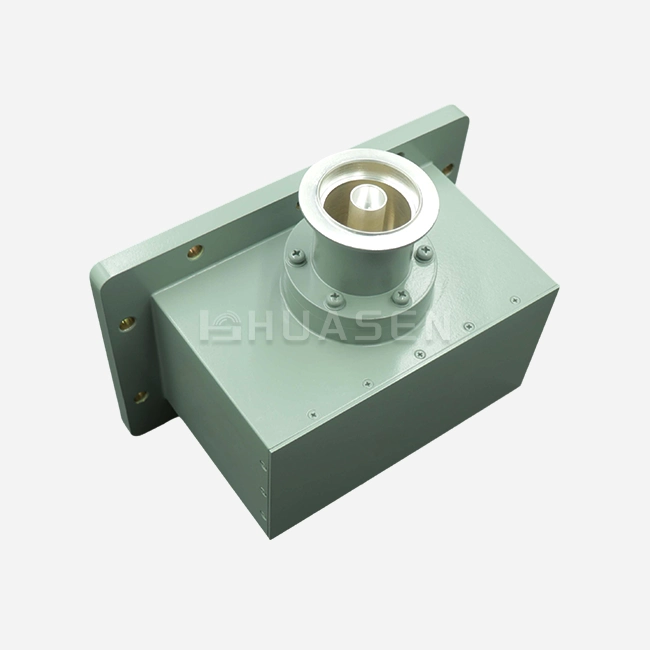
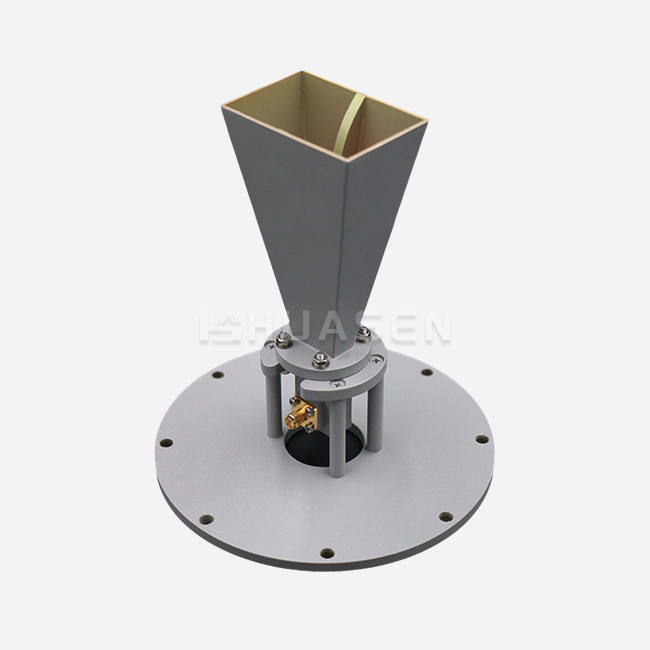
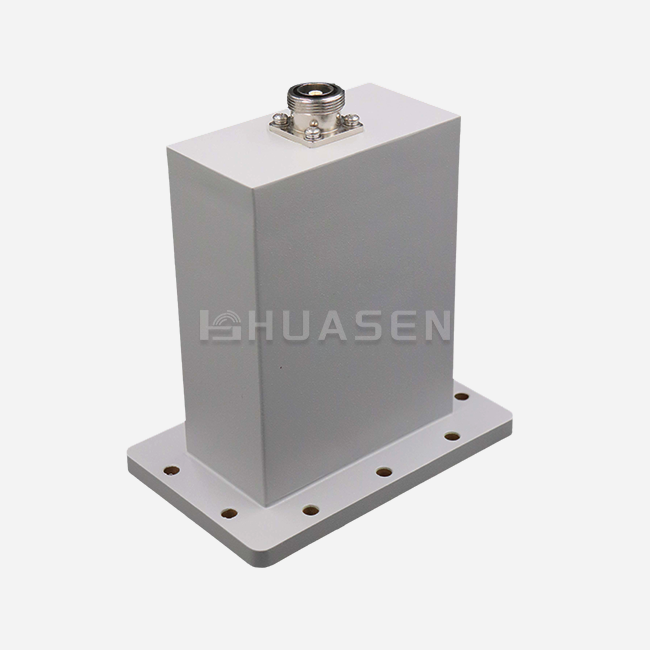
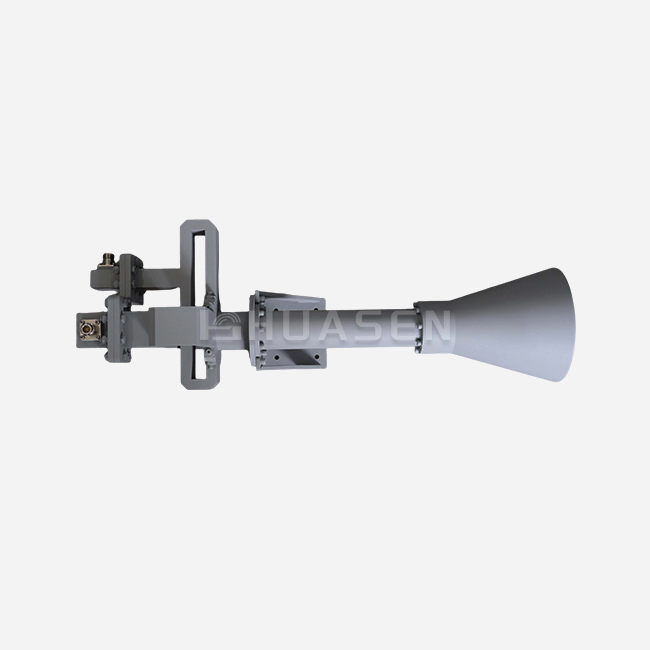
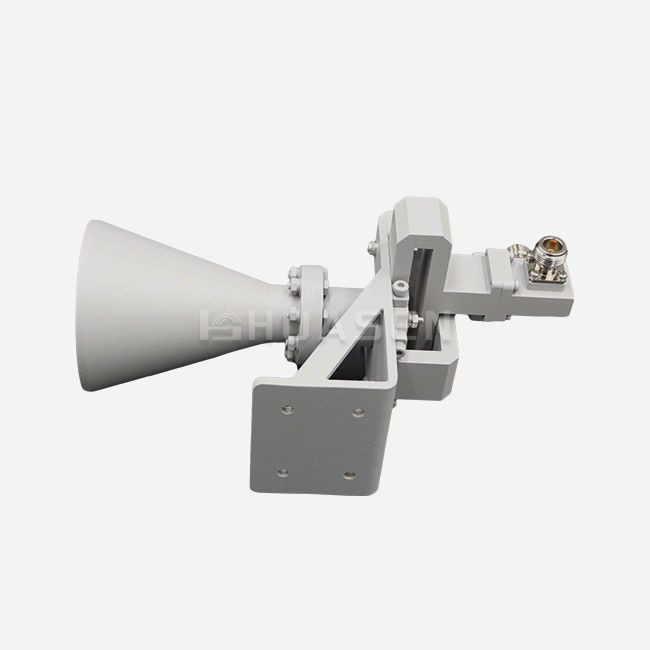
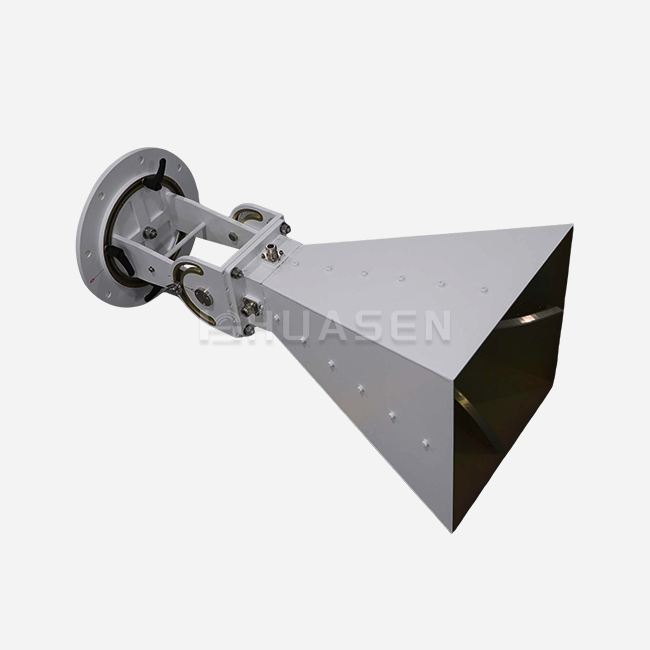
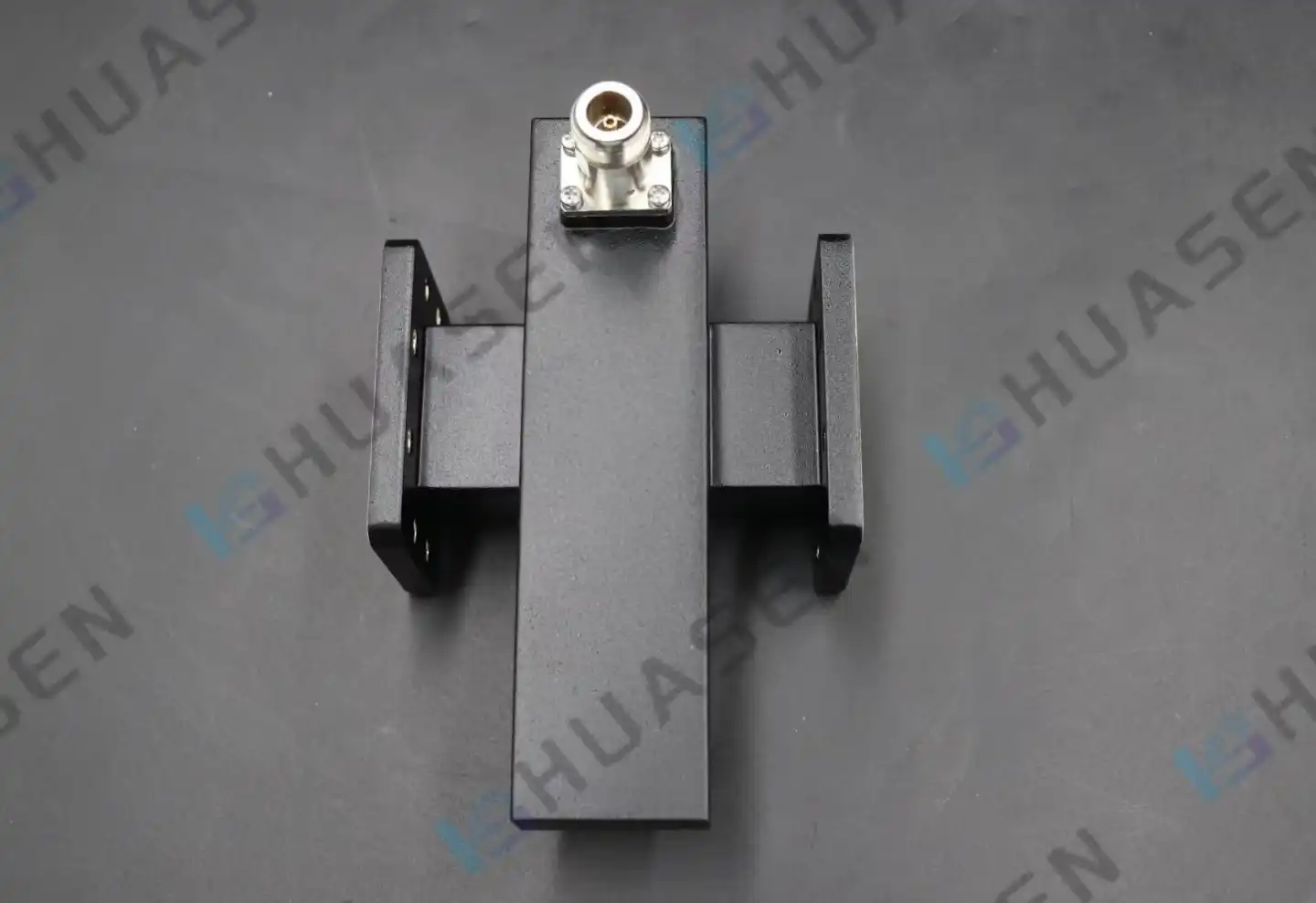
Crossguide couplers are complicated gadgets made to handle microwave waves well. Their structure is made up of two waveguides that cross each other at right angles, making a cross shape. This special setup lets electromagnetic energy connect between the main waveguide (also called the "main arm") and the secondary waveguide (also called the "auxiliary arm" or "coupled arm").
Key Components of a Crossguide Coupler
The primary components of a crossguide coupler include:
- Main Arm: The primary waveguide through which the main signal propagates
- Coupled Arm: The secondary waveguide that receives a portion of the signal energy
- Coupling Aperture: The opening between the two waveguides that facilitates energy transfer
- Termination: Often present at one end of the coupled arm to absorb unwanted reflections
The design of these components is critical in determining the coupler's performance characteristics, such as coupling strength, directivity, and bandwidth.
Operating Principles
The way a crossguide coupler works is based on how electromagnetic waves are coupled. Some of the microwave signal's energy is sent to the coupled arm through the coupling hole as it moves through the main arm. This shift takes place because the electromagnetic fields in both waveguides interact with each other.
The amount of energy coupled is determined by several factors:
- Size and shape of the coupling aperture
- Frequency of the signal
- Dimensions of the waveguides
By carefully controlling these parameters, waveguide couplers wholesale factory manufacturers can produce couplers with specific coupling ratios, typically ranging from 20 to 60 dB. This precise control over energy transfer is what makes crossguide couplers invaluable in applications requiring accurate signal sampling or power division.
Applications of Crossguide Couplers in Industrial Systems
While crossguide couplers are not directly involved in the physical alignment of shafts, they play a significant role in the measurement and monitoring systems that enable precise shaft alignment. Their applications extend beyond this specific use, encompassing a wide range of industrial and communication systems.
Shaft Alignment Measurement Systems
Crossguide couplers are incorporated into cutting-edge measurement tools in the context of industrial gear alignment. High-frequency signals are often used in these devices to pick up on small changes in the position and alignment of the shaft. Because the crossguide coupler can take an exact sample of the signal, measurements can be done correctly without interfering with the main signal path too much.
Crossguide couplers, for instance, can be used to split the laser signal in laser-based alignment devices, allowing for simultaneous measurement at multiple points along the shaft. This ability to measure at multiple points improves the accuracy of the alignment process as a whole.
Power Monitoring in Industrial Processes
Additionally to aligning shafts, crossguide couplers are widely utilized for power monitoring in numerous manufacturing processes. Because they can sample a small part of the signal without affecting the main power flow too much, they are perfect for applications that need to provide constant monitoring. When working with high-power systems, where direct measurement might not be possible or could be dangerous, this is especially helpful.
For businesses like making semiconductors or processing chemicals, where precise control of microwave power is important, crossguide couplers let power levels be monitored and changed in real time. This provides stability to the process and quality of the output.
Communication Systems in Industrial Environments
Strong communication systems are often needed for industrial buildings to keep running smoothly. Crossguide couplers are very important in these devices because they make it easier to monitor and distribute signals. In wireless networks inside of plants or refineries, these couplers can be used to split signals so that they can be sent to more than one antenna or to sample signals to check their quality.
Crossguide couplers are especially useful for preserving signal integrity in difficult manufacturing settings where electromagnetic interference is common because of their high directionality and low insertion loss characteristics.
Advantages and Considerations in Using Crossguide Couplers for Industrial Applications
The use of crossguide couplers in industrial applications, including shaft alignment systems, offers several significant advantages. However, there are also important considerations to keep in mind when implementing these devices.
Key Advantages
- High Accuracy: Crossguide couplers have very good coupling accuracy, usually within ±0.5 to ±1.0 dB across their working range. This level of accuracy is very important for tasks that need to sample signals exactly or divide power exactly.
- Wide Bandwidth: A lot of crossguide couplers can work well across 20% of the waveguide bandwidth, which makes them useful in a lot of different frequency situations. They can be used in multi-frequency or broadband systems because they have a wide bandwidth.
- Crossguide couplers effectively isolate the desired signal from interference, with directivity usually ranging from 15 to 20 dB. This trait is especially useful in complicated manufacturing settings with lots of signal sources.
- High Power Handling: Crossguide couplers can handle high power transfer, which means they can be used in industrial systems that need to handle a lot of power. This toughness makes sure that it works reliably in tough situations.
- Compact Design: Crossguide couplers are easy to integrate into a variety of measurement and tracking systems due to their small size and compact design. It is especially useful for portable alignment tools or systems with limited room because of its small size.
- Mechanical Strength: Crossguide couplers are made to work in harsh industrial settings. Their strong construction makes them last a long time, even in places where vibrations or changes in temperature are common.
Considerations for Implementation
While crossguide couplers offer numerous benefits, there are several factors to consider when implementing them in industrial systems:
- Limits on Frequency Range: Each crossguide coupler is made for a certain frequency range. It's very important to pick a coupler that works with the frequency of your system.
- Crossguide couplers are strong, but they can be damaged by harsh weather. During the choosing process, things like temperature, humidity, and exposure to corrosive substances should be considered.
- Integration Difficulty: Adding crossguide couplers to current systems might need changes to signal routes or extra parts. Care should be taken to plan this merging so that it doesn't slow down the system too much.
- Quality crossguide couplers, especially those made for specific uses or harsh circumstances, can be very expensive. The original cost should be compared to the long-term benefits in terms of how well and reliably the system works.
- Crossguide couplers are usually very low-maintenance, but they might need to be checked and calibrated every so often to make sure they stay accurate, especially in critical measurement applications.
By carefully considering these factors, waveguide couplers wholesale factory engineers and system designers can leverage the advantages of crossguide couplers to enhance the performance and reliability of industrial systems, including those used for shaft alignment and beyond.
Conclusion
Crossguide couplers are essential parts of modern industrial systems because they allow for precise power distribution and signal coupling. Even though they are used indirectly in shaft alignment systems, they are very important for getting the high levels of accuracy needed in today's repair and production processes. The special way that crossguide couplers are made—with their high accuracy, wide bandwidth, and strong construction—makes them perfect for tough industrial settings.
Crossguide couplers play an increasingly important role as businesses continue to demand higher levels of accuracy and dependability in their processes. Because they make it easier to take accurate measurements and handle signals, industrial technology works better, has less downtime, and is more efficient overall.
Understanding what crossguide couplers can do and how they can be used is important for people who build, maintain, or upgrade industrial systems. These parts not only help with the technology we have now, but they also make it possible for industrial robotics and control systems to get better in the future.

FAQ
1. What frequency ranges do crossguide couplers typically cover?
Crossguide couplers are designed to cover a wide range of frequencies, typically from 2 GHz to 40 GHz and beyond. The specific frequency range depends on the waveguide dimensions and the intended application. It's important to select a coupler that matches your system's operational frequency.
2. How do crossguide couplers differ from other types of waveguide couplers?
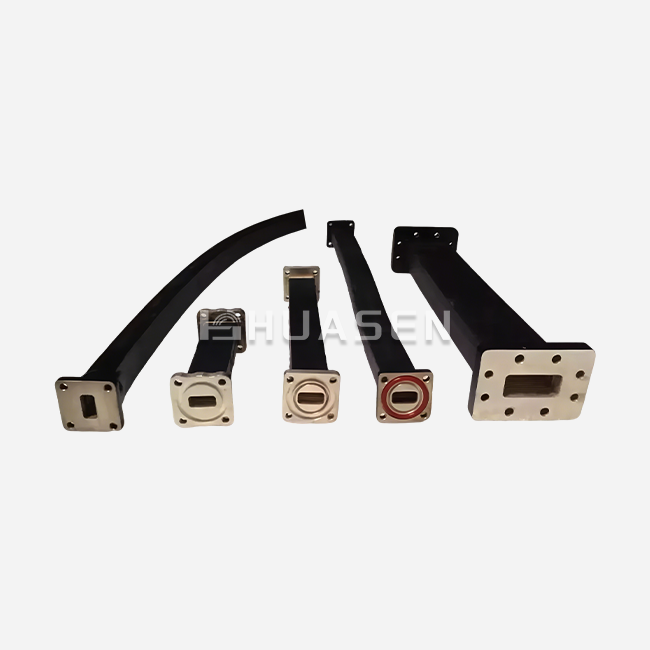
Crossguide couplers are distinguished by their perpendicular waveguide configuration, which allows for high directivity and broad bandwidth. Unlike some other coupler types, they can achieve tight coupling values while maintaining excellent isolation between ports.
3. Can crossguide couplers be used in outdoor or harsh environments?
Yes, crossguide couplers can be designed for use in outdoor or harsh environments. Many manufacturers offer ruggedized versions with enhanced environmental protection, including weatherproofing and corrosion resistance, making them suitable for a wide range of industrial and outdoor applications.
4. What are the typical power-handling capabilities of crossguide couplers?
The power handling capabilities of crossguide couplers can vary significantly depending on their design and materials. Typical ranges can be from a few watts to several kilowatts. High-power versions are available for applications requiring substantial power transmission, such as radar systems or high-power industrial processes.
Enhance Your Industrial Systems with Huasen Microwave's Crossguide Couplers | Huasen Microwave
Ready to elevate the performance of your industrial systems? Huasen Microwave Technology Co., Ltd. offers a comprehensive range of high-quality crossguide couplers designed to meet the exacting standards of modern industrial applications. Whether you're working on shaft alignment systems, radar technology, or advanced communication networks, our expertly crafted components can provide the precision and reliability you need.
Don't settle for subpar components that could compromise your system's efficiency. Contact our team of specialists today to discuss how our crossguide couplers can be tailored to your specific requirements. We're committed to delivering solutions that drive innovation and excellence in your industry.
Reach out now at sales@huasenmicrowave.com to explore our product range and receive expert guidance on selecting the perfect crossguide coupler for your application. Let Huasen Microwave be your partner in achieving superior performance and reliability in your industrial systems.
References
1. Johnson, R.C. (2018). "Microwave Engineering: Principles and Applications in Industrial Systems." IEEE Press.
2. Smith, A.B. & Jones, C.D. (2020). "Advanced Techniques in Shaft Alignment: The Role of Microwave Components." Journal of Industrial Maintenance & Technology, 45(3), 78-92.
3. Brown, E.F. (2019). "Waveguide Couplers: Design, Applications, and Performance in Modern Industrial Settings." Microwave Journal, 62(8), 22-36.
4. Zhang, L. et al. (2021). "Innovations in Crossguide Coupler Design for High-Precision Industrial Measurements." IEEE Transactions on Microwave Theory and Techniques, 69(5), 2567-2580.
5. Wilson, K.M. (2017). "Industrial RF and Microwave Systems: Principles and Applications." Wiley-IEEE Press.
6. Takahashi, H. & Sato, M. (2022). "Advancements in Waveguide Technology for Next-Generation Industrial Communication Systems." Proceedings of the International Symposium on Industrial Electronics, 127-140.
Send Inquiry