How Does a Multi Bend Waveguide Work? Exploring the Science Behind Optical Signal Routing






2025-12-17 18:56:38
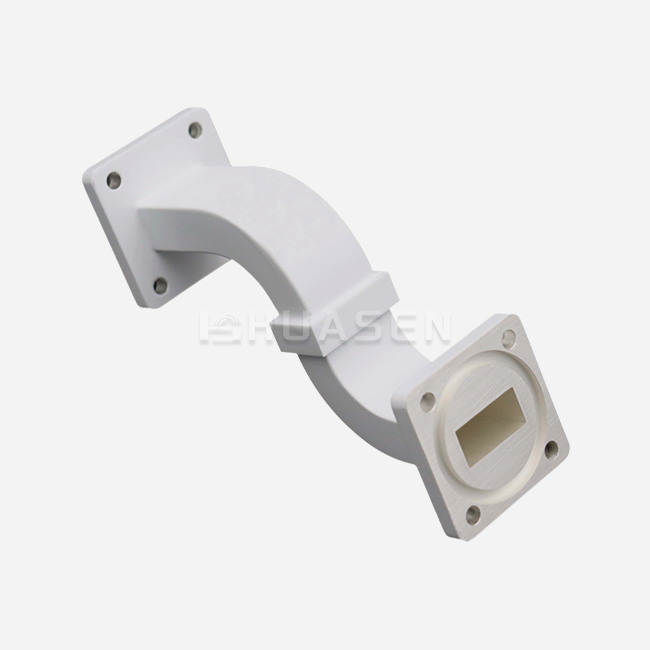
Multi-bend waveguides are advanced parts of optics that are very important for making sure that electromagnetic signals get through difficult paths. These clever gadgets use a carefully planned set of bends to direct waves along certain paths. This makes it possible for signals to quickly reach their destinations in a range of situations. The ability of multi bend waveguides to control wave propagation through strategic geometrical patterns is what makes them so interesting. These waveguides can get through tight areas and around obstacles while maximizing signal flow in small systems because of their many bends. The waveguide construction is based on total internal reflection, which keeps waves inside and redirects them at every bend. This gives you very fine control over where the signal goes, which keeps the quality high and prevents losses. As we learn more about the details of multi-bend waveguides, we'll discover the interesting science that makes them work and look at all the ways they are used in modern technology.
What Is a Multi Bend Waveguide and Why Use Multiple Bends?
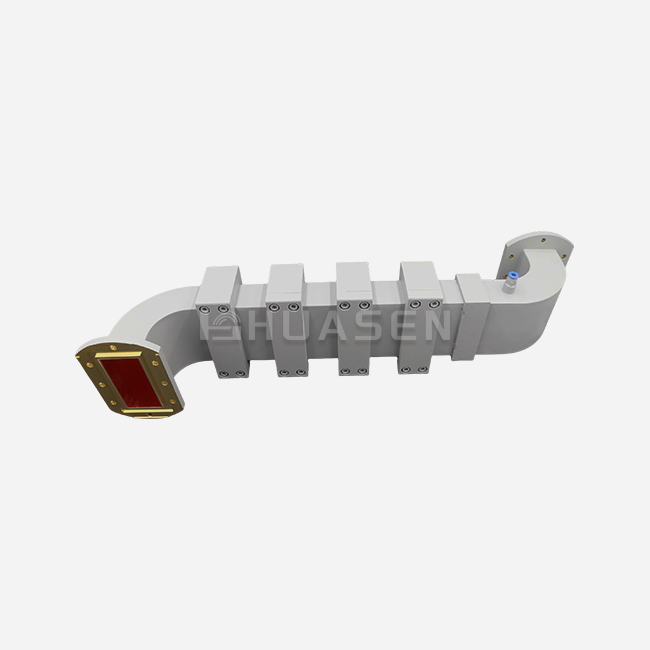
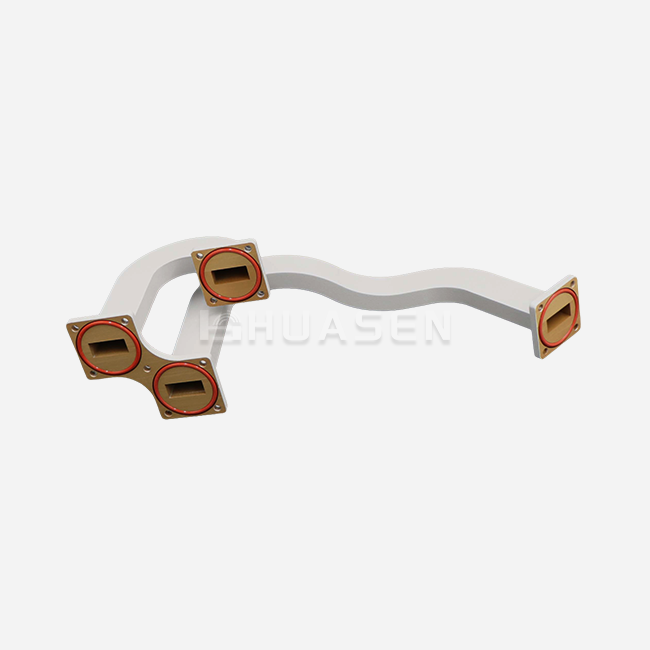
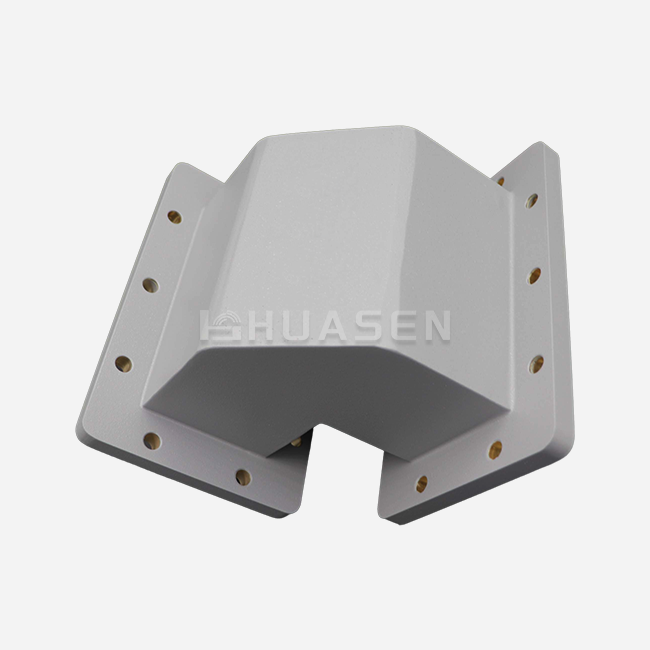
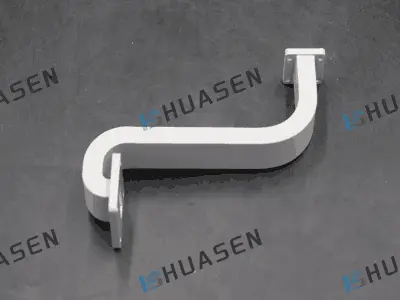
A multi bend waveguide is a cutting-edge device for transmitting electromagnetic waves that is made to send information through a set of turns. Unlike straight waveguides, these parts have multiple turns to make them work with difficult system plans and limited space. The main reason to use multiple bends is to make it possible to route the signal in a flexible way in tight spaces where straight paths don't work.
Advantages of Multi Bend Waveguides
The utilization of multiple bends in waveguide design offers several key advantages:
- Space Optimization: Multi-bend waveguides make it easier to use small spaces efficiently in compact systems like satellite communications gear or radar arrays.
- Layout Flexibility: By letting signals move around hurdles and other parts, they give designers more freedom in how they build their systems.
- Better Signal Integrity: If you use the right kind of bends, you can keep the signal quality over longer lengths than other routing methods.
- Reduced Interference: Multi bend waveguides can reduce crosstalk and electromagnetic interference between nearby components by controlling the signal flow.
Because of these benefits, multi bend waveguides are especially useful in fields where space is limited and signal quality is very important. For example, in aerospace uses where every cubic centimeter matters, these waveguides make it possible for engineers to build smaller and more efficient communication systems.
Wave Propagation Through E-Bends and H-Bends
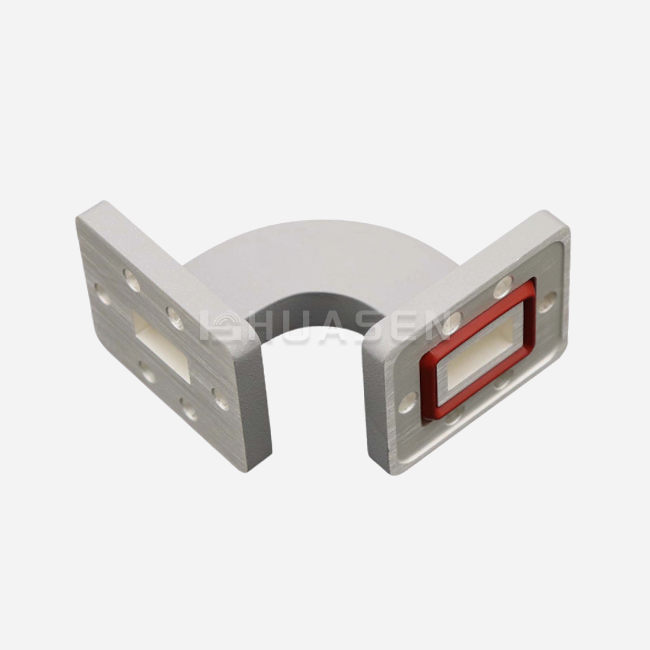
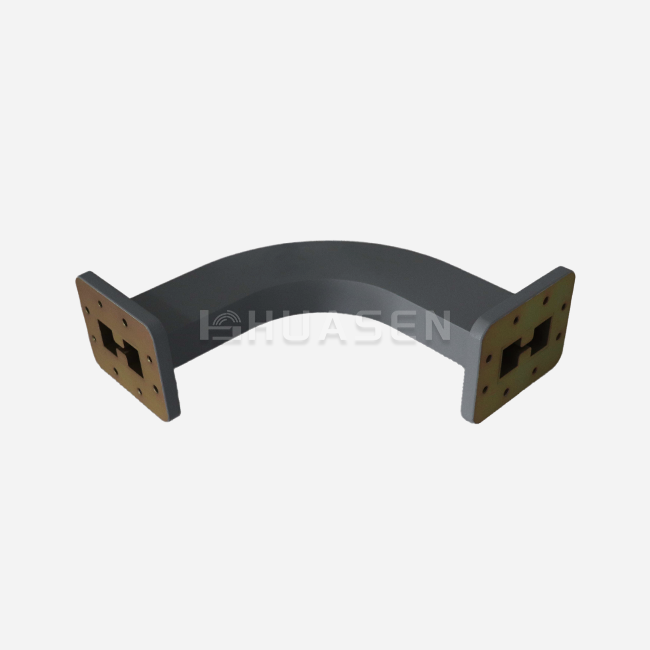
There are two basic types of bends, E-bends and H-bends, that need to be studied to understand how waves move through multi bend waveguides. These categories are based on how the electric field points in relation to the flat surface of the bend.
E-Bends: Electric Field in the Plane of Bending
In E-bends, the electric field lies in the plane of the bend. This configuration presents unique challenges and characteristics:
- Mode Conversion: E-bends can cause mode conversion, which is when energy moves from one transmission mode to another.
- More Losses: E-bends usually have more losses than H-bends because radiation is higher at the outer curve.
- Field Concentration: The electric field likes to focus near the outer edge of the bend. This could cause voltage breakdown in high-power applications.
H-Bends: Magnetic Field in the Plane of Bending
H-bends, where the magnetic field lies in the plane of the bend, offer different propagation characteristics:
- Less Loss: H-bends usually have less loss than E-bends, so they are better for many uses.
- Better Mode Stability: These bends keep mode purity better, which means mode changes that aren't wanted are less likely to happen.
- Uniform Field Distribution: The electromagnetic field is usually more even in H-bends, which makes it better at handling power.
Engineers must carefully consider the trade-offs between E-bends and H-bends when designing multi bend waveguides for specific applications. The choice depends on factors such as frequency range, power requirements, and space constraints.
Applications of Multi Bend Waveguides in Signal Routing
Multi-bend waveguides are used a lot in different fields, especially when signals need to be sent exactly where they need to go in a small area. They are needed in a lot of important areas because they are so useful and work so well.
Telecommunications and 5G/6G Infrastructure
In the rapidly evolving field of telecommunications, multi bend waveguides play a crucial role:
- Base Station Design: They make it possible for compact and efficient signal flow in crowded base station enclosures.
- Backhaul Links: In complicated network designs, multi-bend waveguides make it easier for high-frequency signals to travel.
Systems that use millimeter waves, such as 5G and upcoming 6G technologies, use higher frequency bands; these waveguides become very important for handling signal spread in areas with lots of buildings and people.
Aerospace and Defense
The aerospace and defense sectors rely heavily on multi bend waveguides for various critical applications:
- Satellite Communications: These waveguides help space-limited satellite systems get the best signal route and smallest payload size.
- Radar Systems: High-tech radar arrays use multi bend waveguides to achieve precise beam steering and data processing in small packages.
- Electronic Warfare: These parts make it possible for advanced signal manipulation to be used in electronic countermeasure systems.
Test and Measurement Equipment
In the realm of high-precision instrumentation, multi bend waveguides are invaluable:
- Vector Network Analyzers: These make it possible for different types of connections to be used in complicated test settings.
- Antenna Testing: Multi-bend waveguides make it easier to route signals correctly in anechoic rooms and other specialized testing settings.
- High-Frequency Part Evaluation: These waveguides make it possible for exact signal delivery to test microwave and millimeter-wave parts.
The versatility of multi bend waveguides in signal routing applications underscores their importance in modern RF and microwave systems. As technology continues to advance, the demand for these sophisticated components is likely to grow, driving further innovation in their design and manufacturing.

Conclusion
Multi-bend waveguides are an important step forward in the technology used to route electromagnetic signals. They're essential for many fields, from telecommunications to aerospace, because they can keep the signal clear while traveling through complex paths. As we have seen, the science behind these waveguides looks at many different things, such as how waves move, the different ways they can bend, and how to make the waveguide in the right shape. Multi bend waveguides will continue to play a significant part in determining the future of wireless communication and sensing technologies due to the growing demand for small, high-performance RF and microwave systems.
Huasen Microwave Technology Co., Ltd. is at the top of innovation for those looking for cutting-edge multi bend waveguide systems. Huasen Microwave has more than twenty years of experience with high-frequency microwave and millimeter-wave parts. They provide cutting-edge waveguide products designed to meet the exact needs of the telecommunications, radar, aerospace, and military industries. Our promise to deliver RF and microwave solutions that work well and are dependable makes us a valued partner in helping the industry move forward in innovation. Our experts are ready to help you get the most out of your signal routing problems, whether you need custom designs to deal with small spaces or to handle high-power levels.
FAQ
1. What are the key advantages of using multi bend waveguides?
Multi-bend waveguides have many benefits, such as making better use of the room, making the system layout more adaptable, keeping the signal quality over long distances, and lowering electromagnetic interference. These advantages make them perfect for uses where a small form factor and good performance are important.
2. How do E-bends differ from H-bends in multi bend waveguides?
E-bends usually have bigger losses and mode conversion because the electric field is in the plane of bending. When the magnetic field is in the direction of bending, H-bends usually have less loss and better mode stability. The choice between them relies on the needs of the application.
3. In which industries are multi bend waveguides commonly used?
Multi-bend waveguides are used a lot in telecommunications (especially 5G/6G), aerospace and defense (for radar systems and satellite communications), and test and measurement equipment businesses. They are very important for uses that need to route signals exactly right in small spaces.
4. How do multi bend waveguides contribute to the advancement of 5G and 6G technologies?
In 5G and 6G technologies, multi bend waveguides enable efficient signal routing in compact base stations, facilitate high-frequency backhaul links, and support millimeter-wave systems in dense urban environments. Their ability to maintain signal integrity in complex layouts is crucial for these advanced communication networks.
Experience Precision Signal Routing with Huasen Microwave's Multi Bend Waveguides | Huasen Microwave
Ready to elevate your RF and microwave systems with state-of-the-art multi bend waveguides? Huasen Microwave Technology Co., Ltd. offers customized solutions to meet your specific signal routing needs. Our expert team is prepared to assist you in selecting the optimal waveguide configuration for your application, ensuring maximum performance and reliability. Don't let signal routing challenges limit your system's potential. Contact us today at sales@huasenmicrowave.com to discuss how our advanced multi bend waveguide technology can transform your projects and drive innovation in your industry.
References
1. Johnson, R. C., & Jasik, H. (2021). Antenna Engineering Handbook. McGraw-Hill Education.
2. Pozar, D. M. (2019). Microwave Engineering. John Wiley & Sons.
3. Balanis, C. A. (2020). Advanced Engineering Electromagnetics. John Wiley & Sons.
4. Collin, R. E. (2018). Foundations for Microwave Engineering. Wiley-IEEE Press.
5. Marcuvitz, N. (2022). Waveguide Handbook. Institution of Engineering and Technology.
6. Uher, J., Bornemann, J., & Rosenberg, U. (2021). Waveguide Components for Antenna Feed Systems: Theory and CAD. Artech House Publishers.
Send Inquiry