What are the key factors for choosing antenna near field probe?






2026-03-08 21:54:23
When selecting antenna near-field probes, engineers must evaluate multiple technical and operational factors to ensure optimal measurement accuracy. A high-quality Measurement Probe requires consideration of frequency coverage, cross-polarization isolation, return loss specifications, and environmental durability. The probe's ability to maintain calibration stability while providing precise electromagnetic field detection directly impacts testing reliability and regulatory compliance outcomes in critical applications.
Understanding Antenna Near-Field Probes and Their Applications
Fundamental Principles of Near-Field Detection
Antenna near-field measurement probes represent sophisticated electromagnetic sensors engineered to capture vector field data within the radiative near-field region of antennas under test. Unlike far-field measurement configurations requiring extensive physical distances, these precision instruments operate within 3 to 10 wavelengths from the antenna aperture, enabling comprehensive characterization in compact anechoic chambers. The measurement probe technology leverages advanced Fourier Transform algorithms to mathematically reconstruct far-field radiation patterns from near-field data acquisition. This capability proves invaluable for organizations facing space constraints while maintaining measurement accuracy standards exceeding ±0.05 dB in many applications.
Industrial Applications Across Critical Sectors
Modern telecommunications infrastructure relies heavily on antenna near-field measurement capabilities for validating 5G and emerging 6G massive MIMO base stations. These systems demand precise characterization of active phased arrays, where traditional far-field testing becomes logistically impractical due to array dimensions and operational frequencies. Aerospace and defense applications utilize specialized probes for satellite payload calibration and spacecraft antenna verification. The measurement systems must operate within ISO-class cleanrooms while maintaining thermal stability across extreme temperature ranges encountered in space qualification testing. Automotive radar systems operating at 77-81 GHz frequencies require sub-millimeter positional accuracy during validation testing. Safety-critical ADAS sensors undergo rigorous pattern verification using compact antenna test ranges where measurement probes serve as primary detection elements for autonomous driving system certification.

Key Technical Factors When Choosing an Antenna Near-Field Probe
Frequency Coverage and Bandwidth Requirements
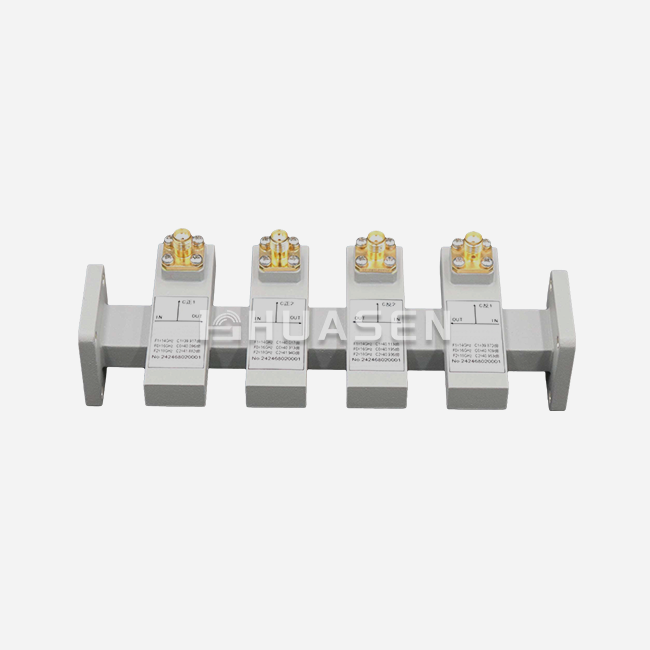
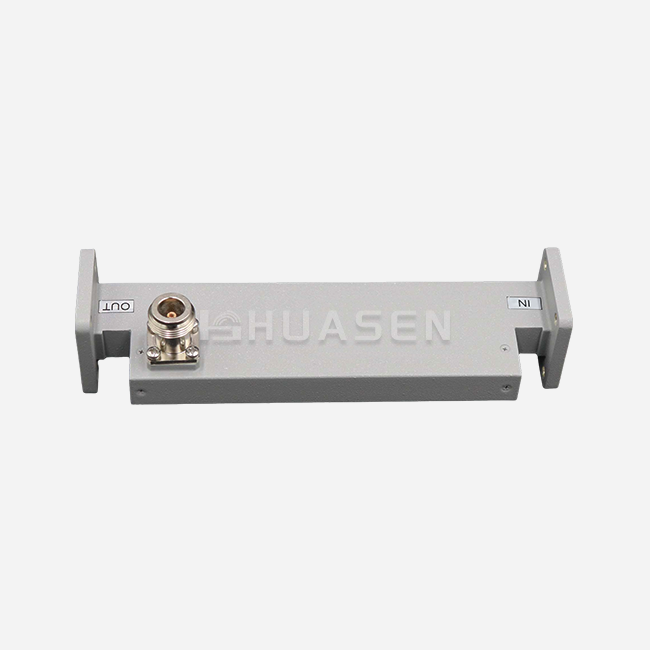
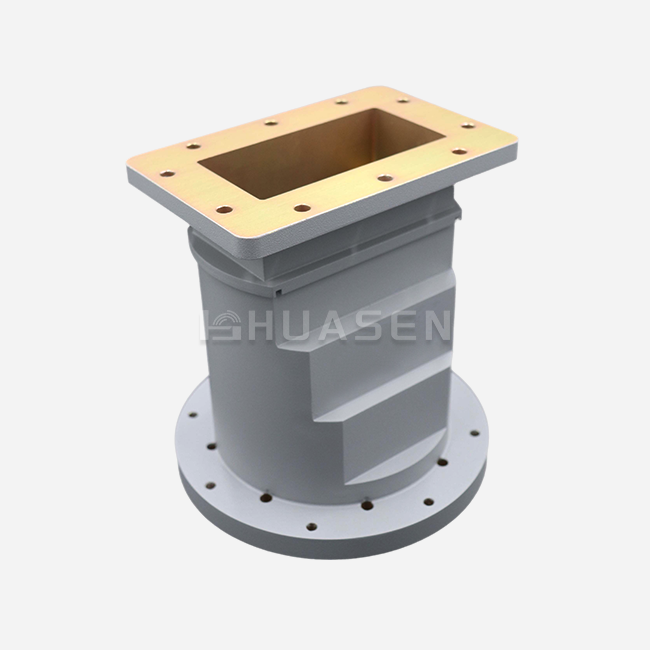
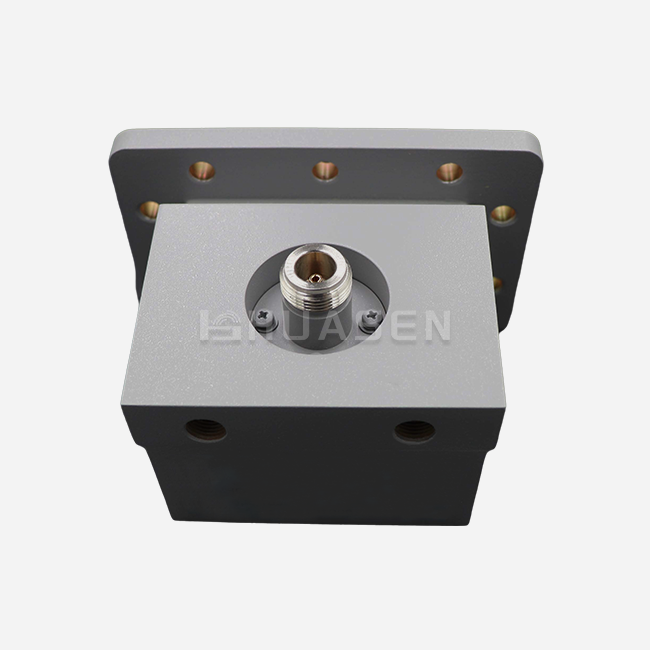
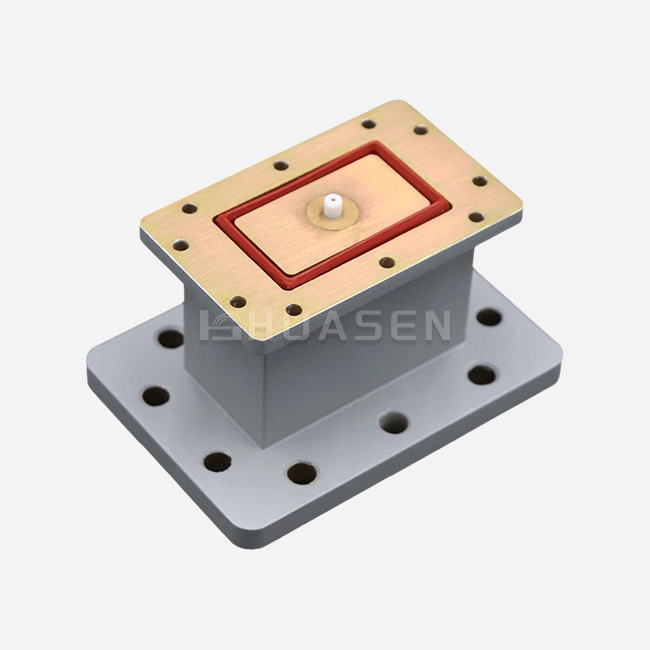
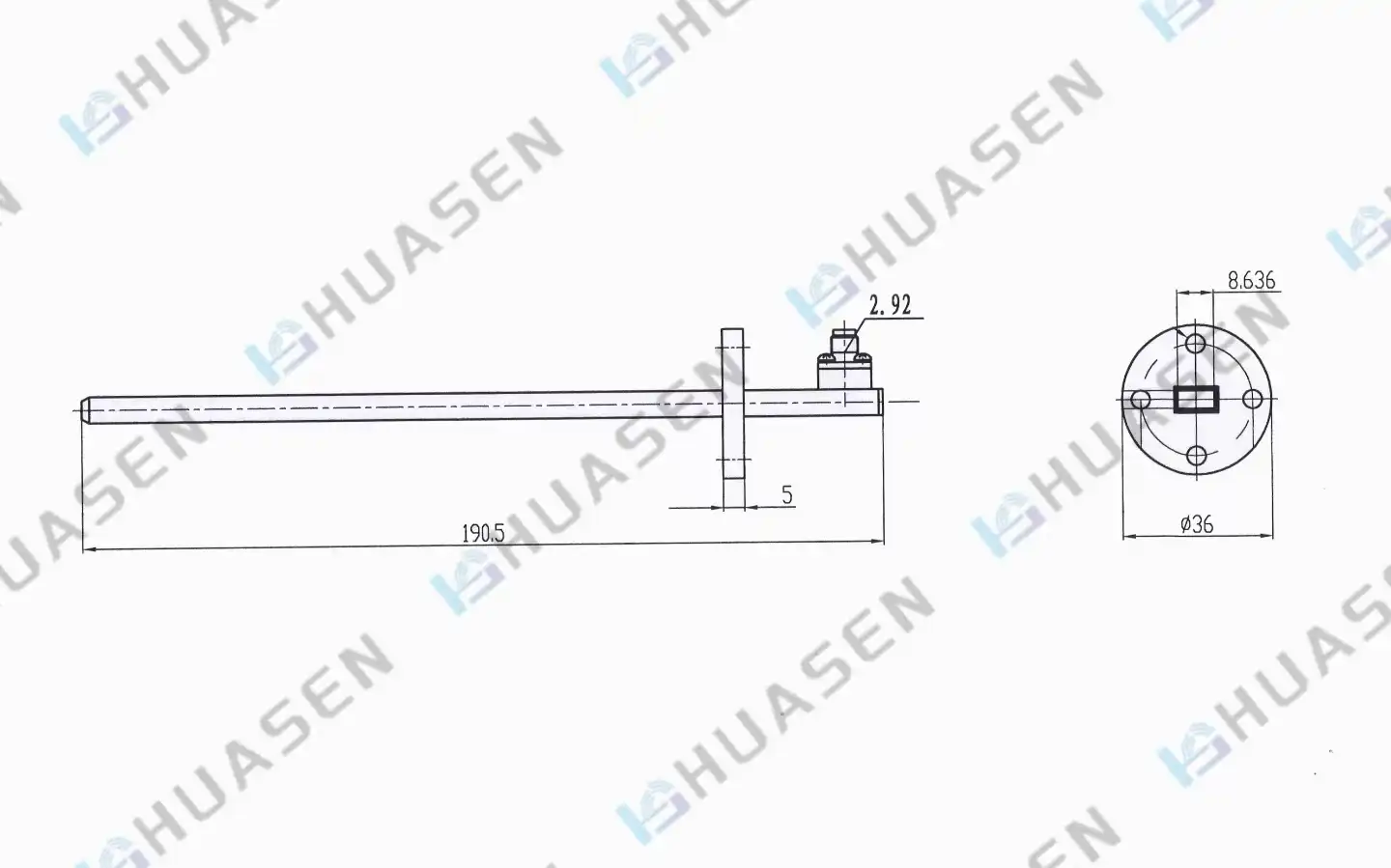
The operational frequency range represents the most fundamental specification when evaluating measurement probe options. Modern applications span from sub-GHz cellular bands through millimeter-wave frequencies exceeding 100 GHz, requiring careful consideration of waveguide band compatibility and mode purity characteristics. Broadband near-field measurement probes (WBOEWP) offer exceptional versatility by covering extended frequency ranges within a single instrument. These units minimize inventory complexity while providing measurement continuity across multiple test scenarios. Antenna Probe is particularly valuable for research laboratories handling diverse antenna types. Standard connector interfaces, including K, SMA-K, and 2.92-K configurations,s ensure compatibility with existing measurement equipment. The connector selection directly impacts frequency limitations and mechanical stability, especially critical for millimeter-wave applications where alignment tolerances become extremely demanding.
Cross-Polarization Isolation Performance
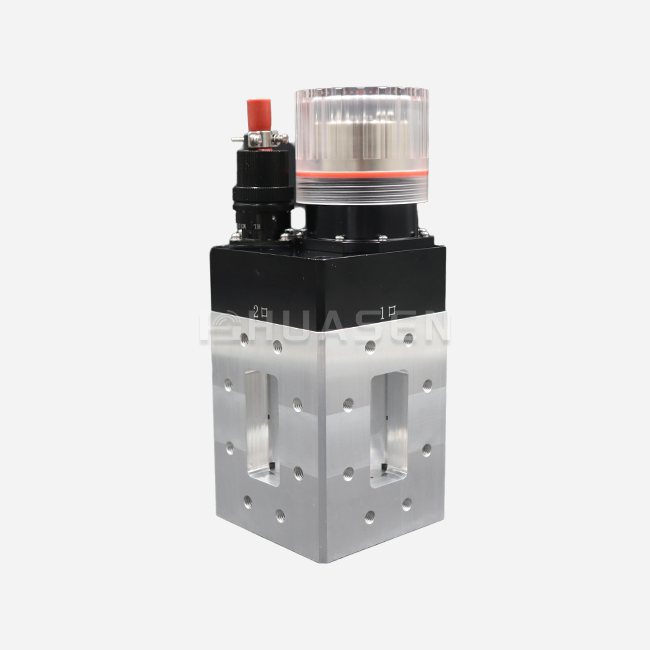
Cross-polarization discrimination exceeding 25 dB represents industry-standard requirements for accurate vector field measurements. Superior isolation prevents orthogonal field contamination during mathematical transformation processes, ensuring measurement integrity across the entire operational bandwidth. Dual-polarization near-field measurement probes (WOEWDP) enable simultaneous capture of orthogonal polarization components, reducingacquisition time by approximately 50% compared to sequential measurements. This capability proves particularly valuable for production environments where testing throughput directly impacts manufacturing efficiency. Coaxial symmetric dipole (COECP) configurations provide excellent cross-polarization performance while maintaining compact form factors suitable for constrained measurement environments. These designs excel in applications requiring precise axial ratio measurements and circular polarization characterization.
Return Loss and Standing Wave Considerations
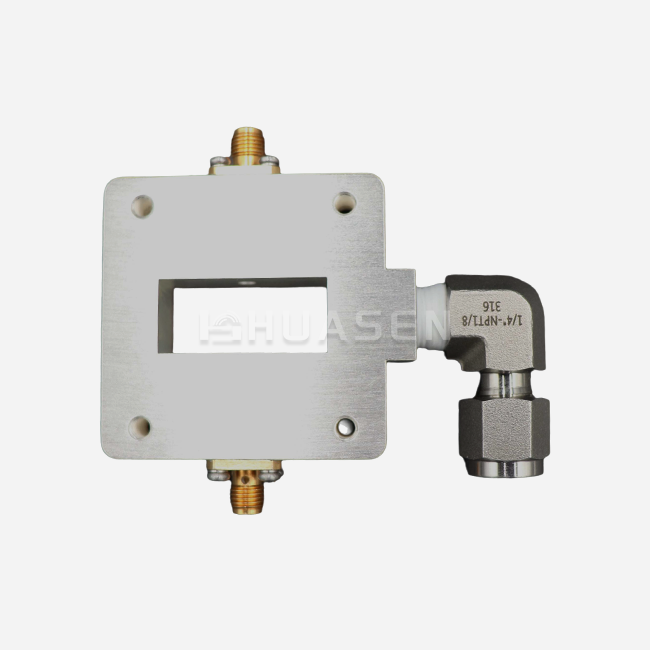
Optimized return loss specifications below 1.2:1 VSWR eliminate standing wave effects between measurement probes and antennas under test. Poor return loss characteristics introduce ripple artifacts that compromise measurement accuracy, particularly problematic for gain standard verification and pattern measurement applications. Waveguide orthogonal feed designs (WOEWP and WOEWPI) typically achieve superior return loss performance through precision manufacturing tolerances and optimized aperture geometries. These configurations minimize reflection coefficients across operational bandwidths while maintaining mechanical robustness for repeated handling. Regular vector network analyzer verification ensures return loss specifications remain within acceptable limits throughout probe operational lifecycles. Calibration schedules should account for mechanical stress, environmental exposure, and handling frequency to maintain measurement traceability.
Procurement Considerations: Matching Business Needs with Probe Capabilities
Application-Specific Requirements Analysis
Research and development laboratories require measurement probes capable of supporting diverse antenna characterization projects with varying frequency ranges and polarization requirements. The flexibility to accommodate evolving research directions while maintaining measurement accuracy standards becomes paramount for long-term investment value. Production line testing environments demand robust probe designs capable of withstanding repeated use while maintaining calibration stability. Automated measurement systems benefit from probes offering consistent performance characteristics and minimal maintenance requirements to maximize operational uptime. Compliance testing facilities must ensure measurement probe specifications align with regulatory requirements across target markets. International standards,s including IEEE 149 and IEEE 1720, provide measurement procedure guidelines that influence probe selection criteria and calibration protocols.
Budget Optimization Strategies
High-performance measurement probes represent significant capital investments requiring careful cost-benefit analysis across operational scenarios. Waveguide termination feed (WOEWPE) configurations often provide cost-effective solutions for single-frequency applications while maintaining excellent measurement accuracy. Bulk purchasing arrangements with established manufacturers can reduce unit costs while ensuring consistent probe performance characteristics across measurement systems. Long-term supplier relationships facilitate technical support access and priority delivery scheduling for critical project requirements. Orthogonal feed (WOEWP) designs balance performance capabilities with reasonable acquisition costs, Antenna Probe, making them suitable for organizations establishing measurement capabilities without compromising technical specifications. These configurations supportthe most common antenna characterization requirements while providing upgrade paths for future enhancement.
Measurement Probe Techniques and Best Practices for Optimal Performance
Environmental Control and Interference Mitigation
Measurement accuracy depends heavily on environmental conditions within anechoic chambers and test facilities. Temperature stability affects probe characteristics and measurement repeatability, requiring controlled environments for precision applications where measurement uncertainty must remain below specific thresholds. Electromagnetic interference from external sources can corrupt near-field measurements, particularly at higher frequencies where probe sensitivity increases. Proper facility shielding and measurement protocol development minimize external interference effects while maintaining measurement validity across operational conditions.
Calibration and Maintenance Protocols
Regular calibration verification ensures measurement probe performance remains within specification limits throughout operational lifecycles. Three-antenna calibration methods provide absolute gain references traceable to national standards, essential for maintaining measurement credibility and regulatory compliance. Physical inspection protocols should include aperture dimensional verification using precision measurement tools to detect mechanical damage or dimensional drift affecting measurement accuracy. Visual examination for corrosion, dents, or connector wear provides early detection of potential performance degradation. Proper storage and handling procedures extend probe operational lifespans while maintaining calibration stability. Protective cases, controlled humidity environments, and careful connector protection prevent damage during transport and storage periods between measurement sessions.
Case Studies: Successful Selection and Deployment of Antenna Near-Field Probes
OEM Production Line Enhancement
A leading telecommunications equipment manufacturer upgraded their base station antenna testing capabilities using dual-polarization measurement probes to reduce production testing time while improving measurement accuracy. The implementation resulted in 40% faster testing throughput while maintaining compliance with international performance standards. The measurement system integration included automated probe positioning and data acquisition software, enabling consistent measurement protocols across multiple production lines. Quality control improvements reduced field failure rates while accelerating product certification timelines for new antenna designs.
Wireless Device Manufacturer Optimization
A consumer electronics manufacturer specializing in wireless devices optimized their antenna characterization process using broadband near-field measurement probes covering multiple frequency bands within a single test configuration. This approach reduced testing complexity while improving measurement correlation between laboratory and production environments. The implementation included comprehensive operator training programs and standardized measurement procedures, ensuring consistent results across different testing teams. Product development cycles have been shortened significantly due to improved measurement reliability and reduced rework requirements during antenna optimization phases.
Conclusion
Selecting appropriate antenna near-field measurement probes requires careful evaluation of technical specifications, application requirements, and operational constraints. Key factors include frequency coverage, cross-polarization isolation, return loss performance, and mechanical durability aligned with specific testing environments. Successful Measurement Probeimplementation depends on understanding measurement principles, maintaining proper calibration protocols, and establishing comprehensive operator training programs. The investment in high-quality measurement probes pays dividends through improved testing accuracy, reduced development cycles, and enhanced regulatory compliance capabilities across diverse applications.
FAQ
1. What connector types work best for millimeter-wave measurements?
K-type and 2.92-K connectors provide excellent performance for frequencies up to 40 GHz and 65 GHz, respectively. These precision connectors maintain mechanical stability and electrical performance under repeated use while providing compatible interfaces with standard measurement equipment.
2. How does probe correction affect measurement accuracy?
Probe correction algorithms mathematically remove the probe's own radiation pattern effects from measurement data, preventing pattern blurring that would otherwise compromise antenna under test characterization. High-quality probes include calibration coefficients enabling accurate deconvolution processing for reliable results.
3. What maintenance schedule ensures optimal probe performance?
Annual visual inspection for aperture damage, combined with biennial vector network analyzer verification, maintains measurement reliability. Immediate inspection following any mechanical stress or environmental exposure prevents degraded performance from compromising measurement validity.
4. Can single probes handle multiple frequency bands effectively?
Broadband measurement probes covering extended frequency ranges provide excellent versatility for multi-band applications. However, specialized narrow-band probes often achieve superior performance within specific frequency ranges where maximum accuracy becomes critical.
5. What environmental factors impact measurement accuracy most significantly?
Temperature variations affect probe characteristics and measurement repeatability, making environmental control essential for precision applications. Electromagnetic interference and mechanical vibration also influence measurement quality, requiring proper facility design and isolation protocols.
Partner with Huasen Microwave for Superior Measurement Solutions
Huasen Microwave Technology delivers precision-engineered antenna near field measurement probes supporting frequencies from 0.49 to 112 GHz with cross-polarization isolation exceeding 25 dB. Our comprehensive product portfolio includes orthogonal feed, waveguide termination feed, and dual-polarization configurations utilizing standard K, SMA-K, Measurement Probe,and 2.92-K connectors. As an established Measurement Probe manufacturer with three decades of microwave technology expertise, we provide customized solutions meeting demanding B2B requirements across telecommunications, aerospace, and defense applications. Contact our technical specialists at sales@huasenmicrowave.com to discuss your specific measurement challenges and discover how our proven solutions enhance testing accuracy while optimizing operational efficiency.
References
1. Gregson, S., McCormick, J., & Hindman, G. "Principles of Planar Near-Field Antenna Measurements." Institution of Engineering and Technology, 2023.
2. Hansen, T. B. & Yaghjian, A. D. "Plane-Wave Theory of Time-Domain Fields: Near-Field Scanning Applications." IEEE Press Series on Electromagnetic Wave Theory, 2022.
3. Joy, E. B. & Paris, D. T. "Spatial Sampling and Filtering in Near-Field Measurements." IEEE Transactions on Antennas and Propagation, vol. 70, no. 8, pp. 3156-3168, 2022.
4. Milligan, T. A. "Modern Antenna Design: Near-Field Measurement Techniques and Applications." McGraw-Hill Education, 2023.
5. Newell, A. C., Baird, R. C., & Wacker, P. F. "Accurate Measurement of Antenna Gain and Polarization at Reduced Distances by an Extrapolation Technique." IEEE Transactions on Antennas and Propagation, vol. 71, no. 4, pp. 2845-2857, 2023.
6. Yaghjian, A. D. & Rahmat-Samii, Y. "Phaseless Antenna Measurements: Theory and Applications in Near-Field Scanning." Cambridge University Press, 2022.
Send Inquiry