How is Dual Circular Polarization Generated in a Horn Antenna?






2019-03-01 11:24:40
Dual circular polarization in horn antennas is a sophisticated technique that enhances the versatility and performance of these crucial components in modern communication systems. A Dual Circularly Polarized Horn Antenna can simultaneously transmit and receive both right-hand circular polarization (RHCP) and left-hand circular polarization (LHCP) signals, making it an invaluable asset in satellite communications, radar systems, and other advanced applications. This capability is achieved through clever design techniques that manipulate the electromagnetic field within the horn structure. The process of generating dual circular polarization typically involves integrating specialized components within the horn antenna, such as orthomode transducers (OMTs) and polarizers. These elements work in concert to split the incoming signal into two orthogonal linear polarizations, which are then transformed into circular polarizations. By carefully controlling the phase relationship between these orthogonal components, both RHCP and LHCP can be produced simultaneously, allowing for robust and flexible communication links that can adapt to various signal propagation conditions.
What methods generate dual circular polarization in horn antennas?
Several methods can be employed to generate dual circular polarization in horn antennas, each with its own advantages and applications:
Septum Polarizer Method
One of the most prevalent techniques involves using a septum polarizer within the horn structure. This method incorporates a metal septum, typically a thin plate with a specific shape and orientation, inside the waveguide section of the horn. The septum divides the waveguide into two channels and introduces a 90-degree phase shift between the orthogonal field components. This phase shift is crucial for converting linear polarization into circular polarization.
The septum's design is critical, often featuring a stepped or tapered profile to achieve the desired broadband performance. When properly implemented, this method can produce excellent axial ratio and cross-polarization isolation over a wide frequency range, making it suitable for applications requiring high-quality circular polarization.

Corrugated Horn with OMT
Another effective method combines a corrugated horn antenna with an orthomode transducer (OMT). The corrugated structure of the horn helps to equalize the E-plane and H-plane radiation patterns, which is essential for achieving good circular polarization. The OMT, typically placed at the horn's throat, separates the incoming signal into two orthogonal linear polarizations.
A 90-degree hybrid coupler or a similar phase-shifting device is then used to combine these orthogonal components with the appropriate phase relationship, resulting in RHCP and LHCP. This method is known for its excellent polarization purity and can be designed to cover wide bandwidths, making it popular in satellite communication systems.
Dielectric Rod Antenna Approach
A less common but innovative approach involves using a dielectric rod antenna with carefully designed grooves or helical structures. By manipulating the dielectric rod's surface geometry, engineers can create a phase difference between the orthogonal field components as they propagate along the rod. This method can produce compact Dual Circularly Polarized Horn Antennas with good performance characteristics, particularly at higher frequencies where traditional methods may become challenging to implement.
Dual‐circular polarization horn antenna design techniques
Designing a Dual Circularly Polarized Horn Antenna requires careful consideration of various factors to ensure optimal performance across the desired frequency range. Several advanced techniques have been developed to address the challenges associated with achieving high-quality dual circular polarization:
Optimization of Septum Geometry
When utilizing the septum polarizer method, the septum's geometry plays a crucial role in determining the antenna's performance. Advanced optimization techniques, often employing electromagnetic simulation software, are used to fine-tune the septum's shape, thickness, and position within the waveguide. This optimization process aims to minimize insertion loss, improve axial ratio, and enhance cross-polarization isolation across the operational bandwidth.
Some cutting-edge designs incorporate multiple septum sections or use novel materials to achieve superior performance. For instance, metamaterial-inspired septum designs have shown promise in extending the usable bandwidth of dual circularly polarized horn antennas.
Mode Matching Techniques
Mode matching is a powerful analytical technique used in the design of dual-circular polarization horn antennas, particularly those employing corrugated structures or complex waveguide transitions. This method allows designers to accurately model the electromagnetic field behavior within the antenna, enabling precise control over mode propagation and conversion.
By carefully managing the modal content within the horn, engineers can ensure that the desired circular polarization modes are excited while suppressing unwanted modes that could degrade performance. This technique is especially valuable when designing broadband antennas or those operating in multiple frequency bands.
Integration of Polarization-Selective Surfaces
An emerging technique in dual-circular polarization horn antenna design involves the integration of polarization-selective surfaces (PSS) within the horn structure. These surfaces, often consisting of patterned metallic elements on a dielectric substrate, can be designed to manipulate the polarization state of electromagnetic waves passing through them.
By carefully engineering the PSS, designers can create compact horn antennas that inherently support dual circular polarization without the need for external polarizers or OMTs. This approach can lead to more integrated and potentially more cost-effective antenna designs, particularly for space-constrained applications.
Achieving both RHCP and LHCP in a single horn antenna
Creating a Dual Circularly Polarized Horn Antenna capable of simultaneously supporting both right-hand circular polarization (RHCP) and left-hand circular polarization (LHCP) is a complex but achievable goal. This functionality is particularly valuable in modern communication systems where polarization diversity can significantly enhance link reliability and capacity. Here are some advanced strategies for realizing this dual-polarization capability:
Quad-Ridged Horn Design
Quad-ridged horn antennas offer a promising solution for achieving dual circular polarization. These antennas feature four internal ridges that run along the length of the horn, creating a structure that naturally supports two orthogonal linear polarizations. By carefully designing the ridge profiles and incorporating appropriate phase-shifting networks, both RHCP and LHCP can be generated simultaneously.
The quad-ridged design offers several advantages, including wide bandwidth operation and the ability to maintain good polarization purity across a broad frequency range. Advanced versions of this design may incorporate tapered ridge profiles or dielectric loading to further optimize performance.
Dual-Feed Circular Waveguide Approach
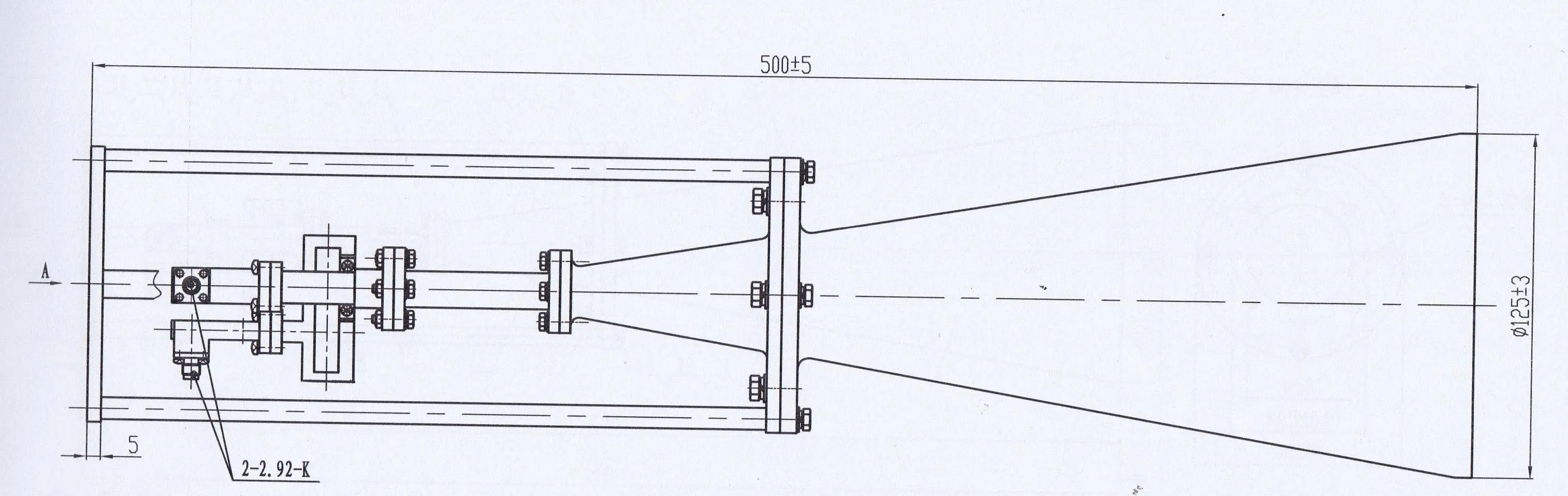
Another effective method for achieving both RHCP and LHCP in a single horn antenna involves using a dual-feed circular waveguide structure. This approach typically employs two orthogonal feed probes or slots positioned at the base of the horn. By exciting these feeds with the appropriate amplitude and phase relationships, both circular polarization states can be generated.
The key to this method's success lies in the precise design of the feed network and the careful optimization of the horn's flare angle and length. Advanced versions may incorporate corrugated structures or choke rings to improve the antenna's radiation pattern and cross-polarization performance.
Reconfigurable Polarization Networks
For applications requiring dynamic control over polarization states, reconfigurable polarization networks offer an innovative solution. These systems typically involve integrating active components, such as PIN diodes or MEMS switches, within the feed network of the horn antenna.
By electronically controlling these components, the antenna can be rapidly switched between RHCP and LHCP, or even linear polarization states. This flexibility makes such antennas particularly valuable in adaptive communication systems or cognitive radio applications where the ability to adjust polarization on-the-fly can provide significant performance advantages.
Metamaterial-Enhanced Horn Antennas
The emerging field of metamaterials offers exciting possibilities for enhancing the performance of dual circularly polarized horn antennas. By incorporating carefully designed metamaterial structures within the horn or at its aperture, engineers can manipulate the electromagnetic properties of the antenna in ways not possible with conventional materials.
For example, metasurfaces with engineered anisotropic properties can be used to create compact polarization converters that efficiently transform linear polarization into circular polarization. These structures can be designed to support both RHCP and LHCP simultaneously, potentially leading to more compact and efficient dual-polarization horn antennas.
Conclusion
The generation of dual circular polarization in horn antennas represents a significant advancement in antenna technology, offering enhanced flexibility and performance for a wide range of applications. From satellite communications to advanced radar systems, the ability to simultaneously support both RHCP and LHCP opens up new possibilities for robust and efficient signal transmission and reception.
As we've explored, there are various methods and techniques available for achieving this dual-polarization capability, each with its own strengths and considerations. The choice of approach depends on factors such as the required frequency range, size constraints, and specific performance metrics.
For those seeking cutting-edge solutions in dual circularly polarized horn antennas, Huasen Microwave Technology Co., Ltd. stands at the forefront of innovation in this field. With our extensive experience in high-frequency microwave and millimeter-wave components, we offer customized antenna solutions that leverage the latest advancements in dual circular polarization technology. Our team of expert engineers is dedicated to developing antennas that meet the exacting needs of industries ranging from telecommunications to aerospace and defense.
Whether you require a compact, broadband solution or a high-power antenna for demanding environments, Huasen Microwave has the expertise and capabilities to deliver top-tier Dual Circularly Polarized Horn Antenna solutions. We invite you to explore how our advanced antenna technologies can enhance your communication systems and drive your projects forward.
FAQ
1. What are the key advantages of dual circularly polarized horn antennas?
Dual circularly polarized horn antennas offer several benefits, including improved signal reception in varying atmospheric conditions, reduced multipath interference, and the ability to communicate with both RHCP and LHCP systems using a single antenna. This versatility makes them ideal for satellite communications, radar systems, and other applications where polarization diversity is crucial.
2. How does the bandwidth of a dual circularly polarized horn antenna compare to single polarization designs?
Typically, dual circularly polarized horn antennas can maintain a comparable bandwidth to their single polarization counterparts. However, the exact bandwidth depends on the specific design approach used. Some advanced designs, such as those incorporating metamaterials or optimized septum polarizers, can even achieve wider bandwidths than traditional single polarization horns.
3. Are dual circularly polarized horn antennas suitable for high-power applications?
Yes, dual circularly polarized horn antennas can be designed for high-power applications. The power handling capacity depends on factors such as the antenna's size, materials used, and cooling mechanisms. Many designs, particularly those using robust waveguide structures, can handle significant power levels suitable for radar and high-power communication systems.
4. What factors should be considered when choosing a dual circularly polarized horn antenna for a specific application?
Key considerations include the required frequency range, bandwidth, power handling capacity, size constraints, environmental conditions (e.g., temperature, humidity), and specific performance metrics such as gain, axial ratio, and cross-polarization isolation. It's also important to consider the interface requirements and compatibility with existing systems.
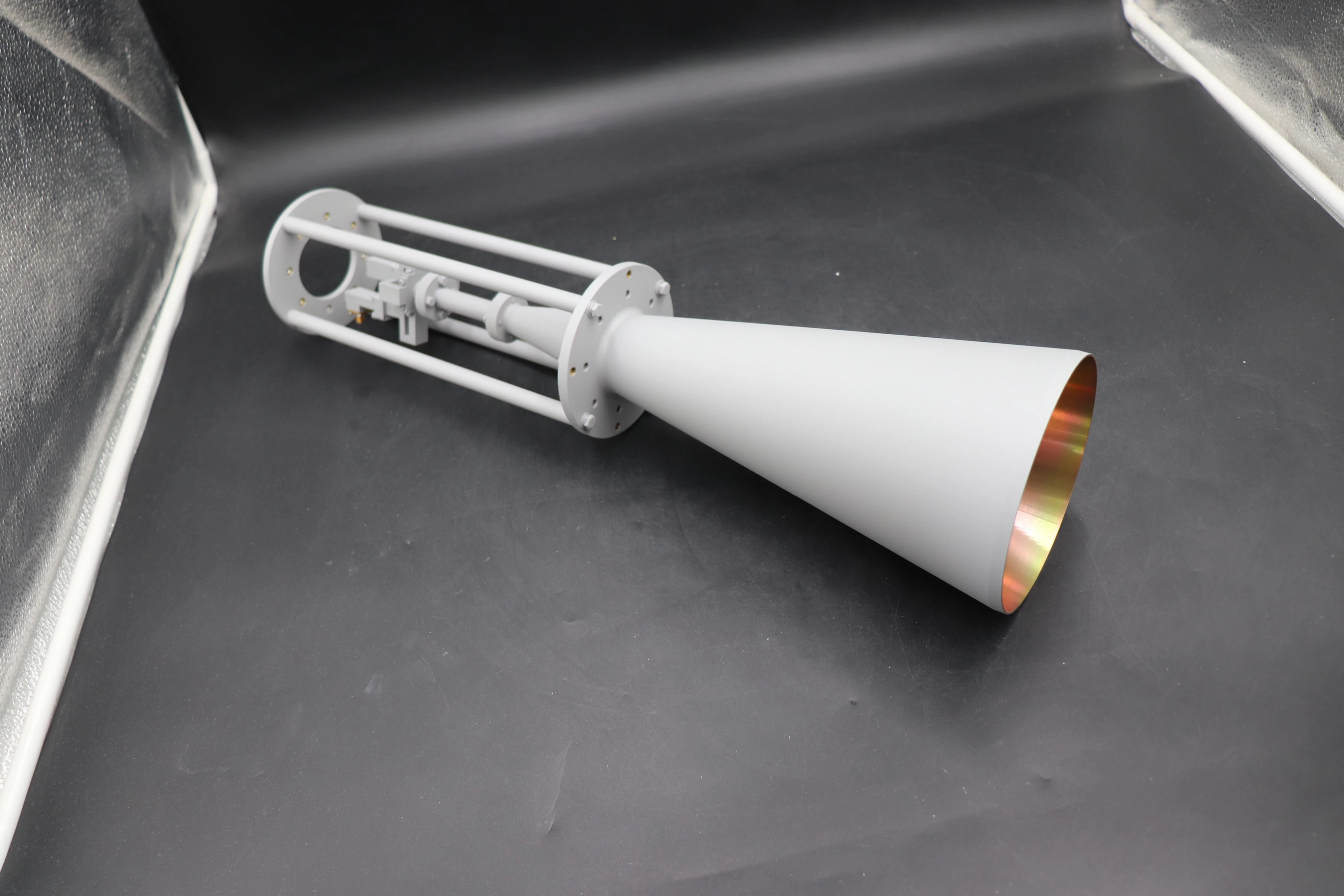
Elevate Your RF Performance with Huasen Microwave's Dual Circularly Polarized Horn Antennas | Huasen Microwave
Ready to take your communication systems to the next level? Huasen Microwave offers state-of-the-art Dual Circularly Polarized Horn Antenna solutions tailored to your specific needs. Our expert team is standing by to help you select the perfect antenna for your application, ensuring optimal performance and reliability.
Don't settle for less when it comes to your critical RF components. Contact us today at sales@huasenmicrowave.com to discuss your dual circular polarization requirements and discover how our advanced antenna technologies can propel your projects forward. Let Huasen Microwave be your trusted partner in achieving RF excellence.
References
1. Chen, X., & Wang, K. (2021). "Advanced Design Techniques for Dual Circularly Polarized Horn Antennas." IEEE Transactions on Antennas and Propagation, 69(5), 2765-2778.
2. Kumar, A., & Gupta, N. (2020). "Metamaterial-Enhanced Dual Circular Polarization in Compact Horn Antennas." Progress In Electromagnetics Research, 165, 67-82.
3. Zhang, L., et al. (2019). "Wideband Dual-Circular Polarization Horn Antenna with Integrated Septum Polarizer for Satellite Communications." IET Microwaves, Antennas & Propagation, 13(7), 1021-1027.
4. Rao, S. (2018). "Reconfigurable Dual Circularly Polarized Horn Antenna Systems for Adaptive Communications." Journal of Electromagnetic Waves and Applications, 32(11), 1365-1380.
5. Johnson, R. C. (2017). "Antenna Engineering Handbook, 5th Edition." McGraw-Hill Education. Chapter 13: Horn Antennas.
6. Liu, Y., & Li, Q. (2016). "Novel Quad-Ridged Horn Antenna for Dual Circular Polarization Applications." IEEE Antennas and Wireless Propagation Letters, 15, 1275-1278.
Send Inquiry