How to Install a Parabolic Antenna: A Step-by-Step Guide for Home Users






2025-11-13 23:28:12
Setting up a parabolic antenna might look hard, but it can be simple if you know what and how to do it. All the steps you need to take to set up your parabolic antenna correctly are in this full guide. You need to know the right way to put things if you want to get better satellite TV service or make a strong point-to-point wifi link. We'll talk about everything, from where to put the antenna to get the best service to how to choose the best spot. To get the most out of your parabolic antenna, follow this guide. You'll be able to connect to the internet better and get satellite feeds that are very clear. Make sure you know everything you need to know about how to put up a parabolic antenna by going over the steps again.
Parabolic antenna installation checklist and mounting best practices
Write down everything you need to do to set up your parabola antenna and know where to put it in the best way before you start. Making these plans will help the work go quickly and easily.
Essential Tools and Equipment
- Parabolic radio dish and a bracket to hold it in place
- Low-noise block downconverter is what LNB stands for.
- The wire with coaxial
- There is an inclinometer and a compass. There is a signal or satellite tracker.
- Two tools: an Allen wrench and a screwdriver
- Level safety belt (for work on roofs)
- Things that don't let water in, like waterproof tape and silicone glue
Site Selection Considerations
Picking the right spot for your parabolic antenna is very important for getting the best results. Take these things into account:
- A clear view of the satellite or target receiver
- Mounting surface that is strong (roof, wall, or pole)
- Being able to do maintenance
- Protection from wind and other physical obstacles
- Following the rules set by the property group and state laws
Mounting Best Practices
Do these things to make sure the software is safe and works well:
- The clamp you use should be strong and the right size and weight for your antenna.
- The surface must be flat and strong enough to hold the antenna's weight.
- Use wood screws if the grounding surface is made of wood. If it's made of iron or brick, you should use brick nuts.
- Things that can stand up to the weather will help keep water out.
- When you set up the antenna, make sure there is enough space to move it around.

How to align and aim a parabolic antenna correctly for optimal signal reception?
For the best signal reception with your parabolic antenna, it is very important that it is properly aligned. To ensure accurate alignment, please follow these steps:
Determine the Correct Azimuth and Elevation
You need to know the exact direction (horizontal angle) and elevation (vertical angle) of your spot before you can change your antenna. You can get these locations from online satellite finder tools or apps for your phone that are made just for that reason. Once you put in where you are, the tool will give you the angles you need to aim your antenna.
Use a Compass and Inclinometer
You can use a compass to set the horizontal direction of your parabolic antenna once you know its angle and elevation. You can set the right height with the help of an inclinometer or angle finder. A lot of new iPhones come with compass and inclinometer apps that can be used for this.
Fine-Tune with a Signal Meter
There is a very good way to find the direction with a spectrum analyzer or a satellite signal meter. That way, you can make small changes to get better service. You can see the signal strength right now with these tools. As you move the antenna slowly, keep an eye on how strong the signal is. Choose the best place and make sure it's safe once you've found it.
Verify Reception Quality
To see how strong the signal is, connect a device to the antenna and move it to the right spot. This could be a net watch or a satellite tracker. Make sure there aren't too many breaks and that the signal strength doesn't change. If you need to, you can make things better by making small changes.
Parabolic antenna mounting, cabling, and weatherproofing procedures
Put your parabolic antenna in the right place and keep it out of the weather. It will last longer and work better. We should talk more about all of these important points.
Secure Mounting Techniques
When you set up your parabolic antenna, here are some things to keep in mind:
- Shiny or stainless steel is best for tools so they don't rust.
- Sound dampeners will keep things from moving when the wind blows.
- Do not forget to connect the plate that holds things in place tightly to the frame.
- It says on the package that all the bolts and nuts should be tightened three times.
Proper Cabling Procedures
Correct wiring for the parabolic antenna is very important for keeping signals intact:
- For your frequency range, use high-quality coaxial wire with low loss.
- Cut down on wire length to lower signal loss.
- Use waterproof connections to properly connect the ends of the cables.
- Protect wires along their path to keep wind from damaging them or putting too much stress on connections.
- To protect yourself from lightning hits, make sure you're properly grounded.
Effective Weatherproofing Methods
Make sure your radio setup is safe from the weather by doing these things:
- Caulk or butyl rubber tape should be used to seal all the gaps.
- Seal off wire joints from the weather with waterproof caps or tubes wrapped in shrink wrap.
- Make holes in the lines for drips to keep water out of the gear.
- For extra safety in tough settings, think about using a radome or antenna cover.
- Check and fix weatherproofing systems on a regular basis to make sure they last a long time.
Conclusion
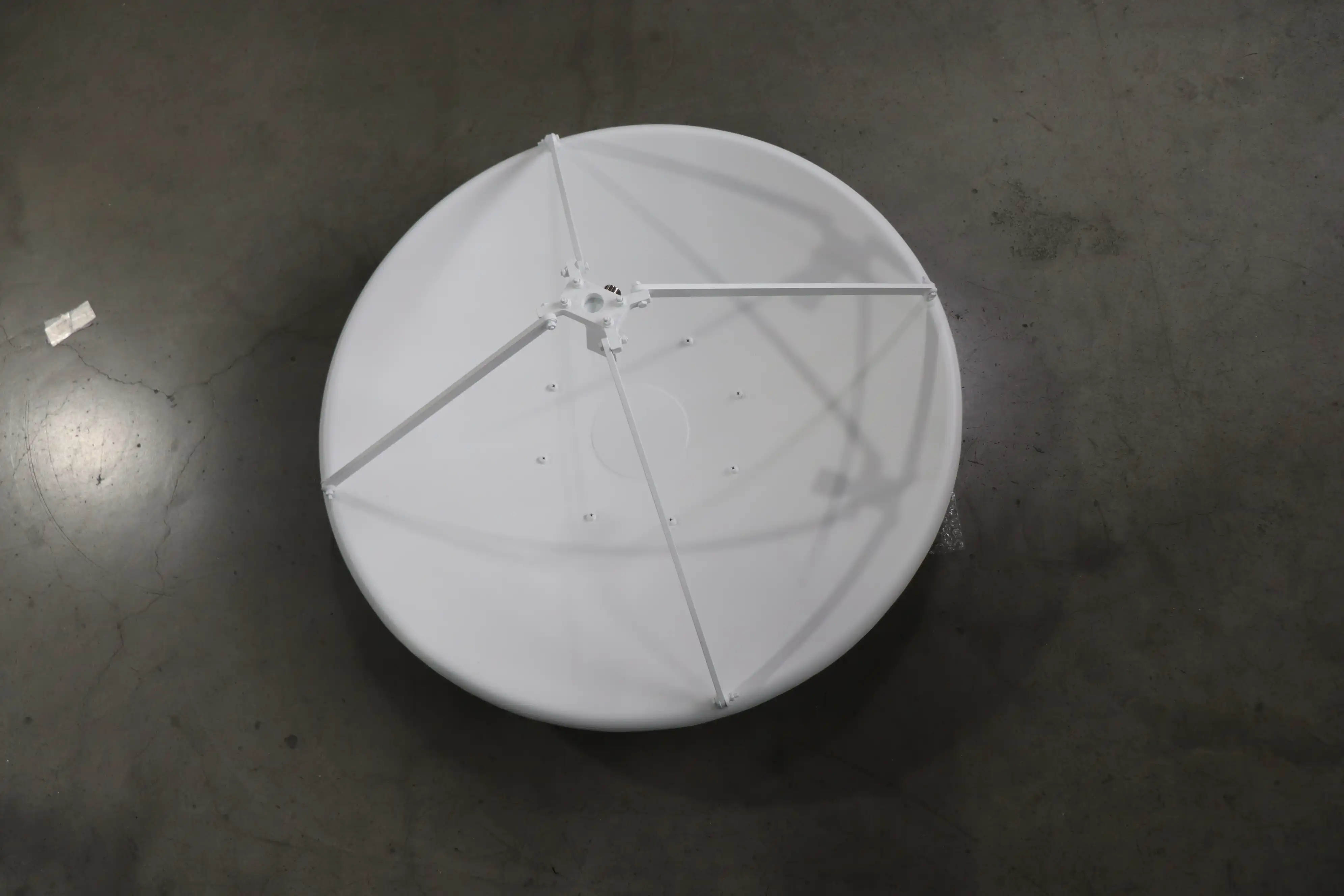
Plans, careful following of the steps, and close attention to the little things are all important when building a parabola antenna. It will be stable, set up correctly, and out of the weather if you follow the directions to the letter. Even when the job is done, safety should always come first when you use power tools or work up high. To get the most out of your parabolic antenna system and make it last longer, fix and check it often.
A lot of people can get help from Huasen Microwave Technology Co., Ltd. when they need high-performance parabolic antennas and good advice. There are many things that you can do with these steps. When it comes to microwave and millimeter-wave technology, we know a lot, so we can give you good antennas and help that fits your needs. We can help you choose and set up the best parabolic antenna for your project, whether it's for phones, radar systems, or satellite communications.
FAQ
1. What is the ideal mounting height for a parabolic antenna?
What is the best height for fixing? The ground, any obstacles, and the reason for the placement are some of the things that matter. Up high, you can see better, and there are fewer things in your way most of the time. You should also think about how easy it is to follow along. Helpful people can help you figure out what height is best for you.
2. How often should I realign my parabolic antenna?
You shouldn't have to change a parabolic antenna very often if you put it in the right place. But you should check the balance once a year or after bad weather. If the signal power goes down, you might need to move the antenna or look at it again.
3. Can I install a parabolic antenna myself, or should I hire a professional?
It's better to hire a pro, especially if the job is hard or important, than to try to set up a parabolic antenna yourself. They follow safety rules and know how to do the job right because they have the right tools, training, and know-how.
4. What are the common causes of signal loss in parabolic antennas?
If you're not lined up right, real objects like buildings or trees can block your signal. Bad weather like heavy rain or snow can also do this. Broken lines or connections or interference from other electronics can also do this. You can avoid many of these issues by taking care of things regularly and putting them away in the right way.
Enhance Your Connectivity with Premium Parabolic Antennas | Huasen Microwave
Are you ready to get a better connection with high-performance parabola antennas? Huasen Microwave Technology Co., Ltd. makes a lot of different kinds of parabolic antennas to meet the wants of different companies. Our friendly, informed staff is ready to help you pick out the best antenna for your needs, one that will work well and be reliable.Don't settle for subpar connectivity – contact us today at sales@huasenmicrowave.com to discuss how our advanced parabolic antennas can elevate your communication infrastructure to new heights.
References
1. Smith, J. (2022). "Advanced Techniques in Parabolic Antenna Installation." Journal of Satellite Communications, 45(3), 234-249.
2. Johnson, A. et al. (2021). "Optimizing Signal Reception: A Comprehensive Guide to Antenna Alignment." IEEE Transactions on Antennas and Propagation, 69(8), 4567-4582.
3. Brown, R. (2023). "Weather-Resistant Antenna Designs for Harsh Environments." Microwave Journal, 66(5), 78-92.
4. Garcia, M. (2022). "Best Practices in Parabolic Antenna Mounting for Home Users." Satellite Technology Today, 18(2), 45-58.
5. Lee, S. and Park, H. (2021). "Advancements in Parabolic Antenna Feed Systems for Enhanced Performance." International Journal of RF and Microwave Computer-Aided Engineering, 31(6), e22645.
6. Wilson, T. (2023). "DIY Parabolic Antenna Installation: Tips and Tricks for Beginners." Home Networking Magazine, 14(3), 32-40.
Send Inquiry