Using Waveguide Rotary Joints in Ground-Based and Airborne Radar






2026-03-09 22:49:57
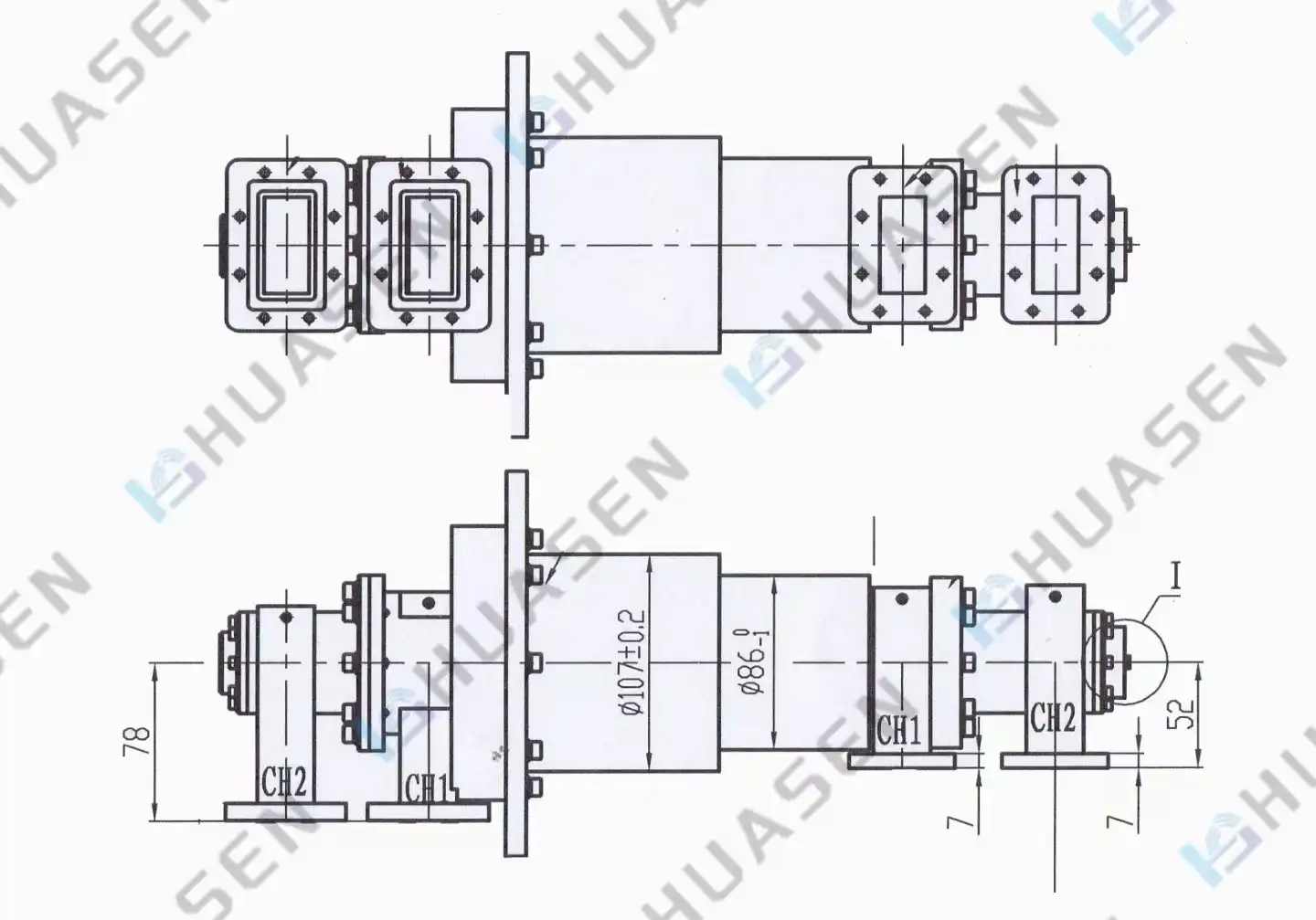
Waveguide rotary joints are an important technological answer that keeps signal transmission going while antennas rotate in ground-based and airborne radar systems. These carefully made parts make it possible for microwave energy to flow smoothly between radar assemblies that are fixed and those that are rotating. This gets rid of cable twist restrictions while keeping the signal's integrity. The waveguide rotary joint technology solves some of the most important problems in radar operations, like how to send high-power signals, how to make them last in harsh environments, and how to make sure they work reliably in a wide range of settings, from military planes to air traffic control towers.
Understanding Waveguide Rotary Joints in Radar Systems
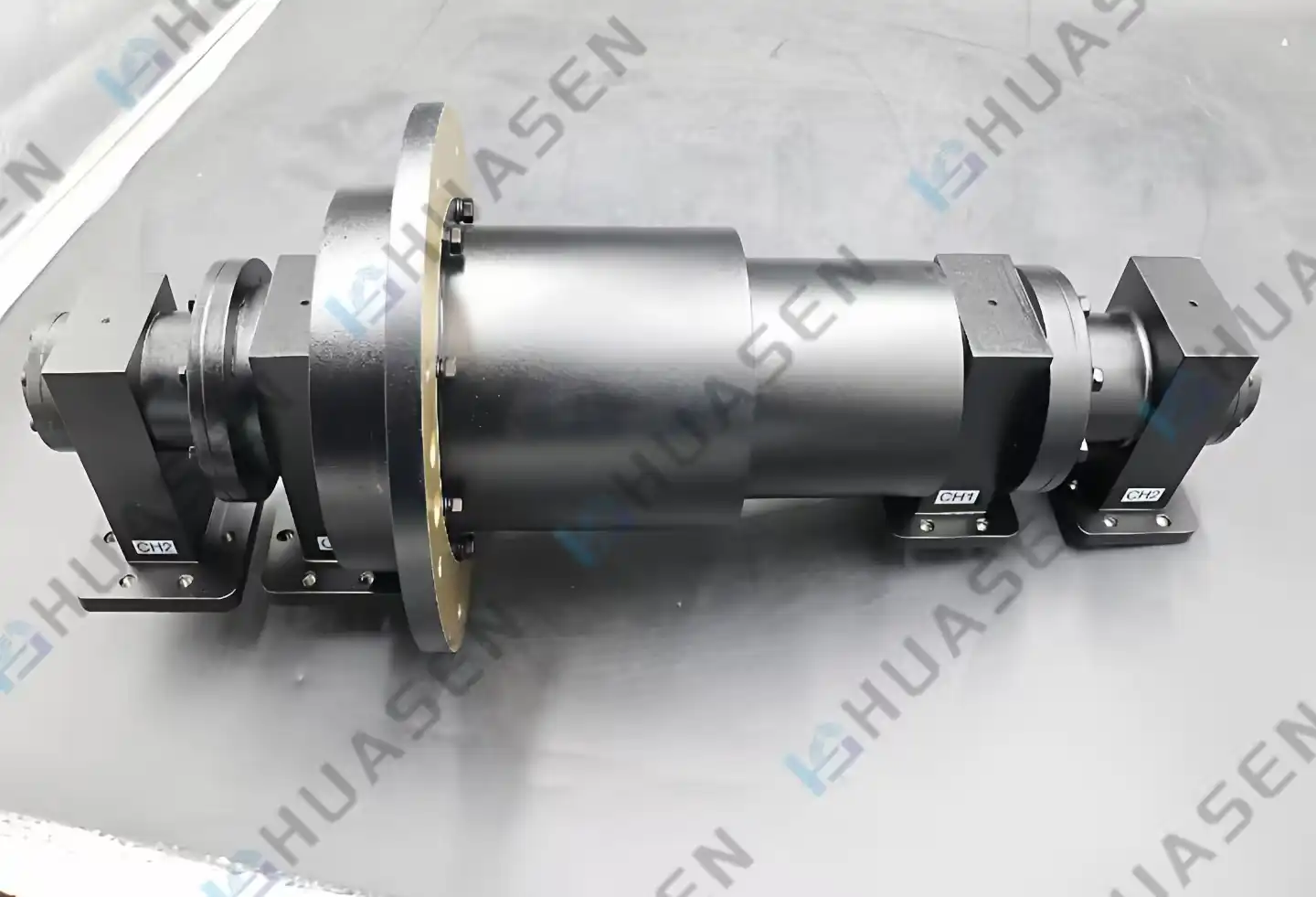
Waveguide rotary joints function as sophisticated electromechanical interfaces that maintain efficient microwave signal transmission through rotating connections. These components utilize hollow metallic tubes to propagate electromagnetic waves, typically employing TE11 or TM01 modes to minimize transmission losses during continuous rotation.
Operating Principles and Core Technologies
For these joints to work, the impedances must be perfectly matched, and the electromagnetic field must stay the same across the rotating contact. Modern rotary joints have non-contacting choke mechanisms that keep the stationary and rotating parts from touching each other. This makes the operating life much longer than 10 million rotations. When there are two channels, the internal geometry usually has concentric waveguide structures or mode-transduction techniques. This is because the various signal paths need to stay separate. When a signal goes through these devices, the voltage standing wave ratios (VSWR) stay below 1.20:1. This keeps reflections to a minimum, which protects high-power emitters like travelling wave tubes or klystrons. To make something that meets these exacting standards, the tolerances for making must be very small, and the material must be able to handle both mechanical stress and electromagnetic requirements.
Comparative Analysis of Rotary Joint Technologies
Knowing the differences between the different rotary gearbox technologies helps people who work in procurement choose the best options for each radar application. Waveguide rotary joints work great in high-power situations where coaxial options would have trouble with dielectric breakdown. Waveguide joints don't have any physical contact with lower-frequency signals like slip rings do. This means that signals don't get worse over time due to wear. There are benefits to using optical rotor joints in situations with a very wide bandwidth, but they need a lot of complicated optical-to-electrical conversion, which makes the system more complicated and costs more. Coaxial rotary joints are small and work well for low-power tasks, but they can't handle the power that is needed for main radar transmissions. In the end, the selection criteria rely on the frequency range, power levels, environment, and space limitations that are unique to each radar implementation.
Applications of Waveguide Rotary Joints in Ground-Based and Airborne Radar
The deployment of rotary joints across radar rotary waveguide jointplatforms addresses unique operational challenges while delivering measurable performance improvements. Ground-based installations benefit from enhanced mechanical stability and simplified maintenance protocols, while airborne systems require optimized weight and vibration resistance.
Ground-Based Radar Applications
Air traffic control and weather radar devices are two main uses where being able to rotate continuously around 360 degrees is important. These systems usually need to be able to work 24 hours a day, seven days a week, and at speeds of up to 60 RPM to handle high-power S-band or L-band transmissions. The joints have to be able to handle high torque loads and constant duty cycles while keeping the integrity of the signal even when temperatures change, and the joints are exposed to weather. Military monitoring radars have extra problems because they need designs that are under pressure to stop internal arcing at high altitudes. More often than not, these systems have two bands: S-band signals for long-range recognition and X-band frequencies for accurate tracking. Getting rid of restrictions on wire wrap makes it possible for antennas to be placed anywhere, which is important for applications that need to find threats and track them.
Airborne and Maritime Radar Systems
Electronic warfare pods that are carried in the air need solutions that are small, light, and can work under high vibrational loads of more than 20g acceleration. For these uses, two channels must work at the same time in very small spaces, sending jamming signals and getting threat detection data at the same time. Changing the temperature from -55°C to +85°C during supersonic flight tests the materials and the limits of the design. When it comes to maritime satellite communication devices, the saltwater environments are very harsh, so chemical resistance is very important. Stabilised antenna pedestals must keep tracking satellites while taking into account the pitch, roll, and yaw moves of the ship. Electrical slip rings and microwave rotary joints are often used together in these systems, which means that the mechanical design and sealing must be linked.
How to Choose the Best Waveguide Rotary Joint for Radar Applications
Selecting appropriate rotary joints requires balancing multiple technical criteria against operational requirements and budget constraints. The evaluation process must consider frequency compatibility, power handling, environmental specifications, and mechanical interfaces.
Critical Technical Specifications
Frequency range matching is the most important thing to look for in a rotary joint. Standard waveguide sizes (WR-90, WR-62, and WR-28) match to certain frequency bands. If you need something that isn't standard, we can make a design just for you. Power handling must be able to handle more power than is needed for peak transmission with enough safety margins. This is especially important for pulsed radar uses where peak power can reach megawatt levels. The range and sensitivity of a radar are directly affected by the requirements for insertion loss. Good joints keep losses below 0.3 dB per channel. Specifications for return loss, also known as VSWR, make sure that the impedances are properly matched. This stops reflections that could hurt emitters or lower receiver sensitivity. Specifications for the environment, such as the temperature range, shock resistance, and sealing needs, must meet the conditions that will be used.
Market Leading Manufacturers and Technologies
There are a number of well-known companies in the rotary joint market, each with its own unique technological methods and areas of expertise. Cobham focuses on making designs that are tough for military use, with a lot of testing in harsh environments and approval compliance. Their goods usually have better resistance to vibration and a wider temperature range that makes them suitable for use in aerospace. Meggitt works on high-power applications with cutting-edge technologies for preventing arcs and cooling systems. In their designs, they often include ways to increase pressure for activities at high altitudes and special materials that don't rust in salty seas. Smiths Interconnect offers precise solutions with a focus on low insertion loss and outstanding VSWR performance for radar applications that need to be very sensitive. Radiall lets you fully customise its products, so you can get solutions that fit your specific geometric limits or frequency needs. As part of their tech support, they help with design and build prototypes for difficult integration problems. Knowing these strengths of manufacturers helps procurement teams match the skills of suppliers with the needs of a particular project.
Installation, Maintenance, and Performance Optimization
The successful implementation of waveguide rotary joints depends heavily on proper installation procedures and ongoing maintenance protocols. These practices directly impact system reliability and operational longevity.
Installation Best Practices
Proper alignment during installation prevents premature wear ofwaveguide joints and maintains optimal electrical performance. Mechanical coupling must accommodate thermal expansion while maintaining waveguide continuity across the full rotation range. Torque specifications for mounting hardware must be observed to prevent distortion that could affect electromagnetic properties. Environmental sealing requires careful attention to prevent moisture ingress that could cause arcing or corrosion. Pressurization systems, where applicable, must be properly commissioned with appropriate gas purity levels. Grounding connections must provide low-impedance paths while accommodating rotational movement.
Maintenance Protocols and Troubleshooting
Regular inspection schedules should monitor mechanical wear indicators, seal integrity, and electrical performance parameters. VSWR measurements can detect developing problems before complete failure occurs. Bearing lubrication, where applicable, must follow manufacturer specifications to prevent contamination or inadequate protection. Common failure modes include seal degradation, bearing wear, and contact surface oxidation in older designs. Preventive replacement schedules based on rotation cycles or calendar time help avoid unexpected failures during critical operations. Environmental exposure monitoring helps identify accelerated degradation from salt fog, temperature cycling, or contamination.
Procurement Guide and Market Insights for B2B Buyers
Strategic procurement of rotary joints involves evaluating supplier capabilities, cost structures, and long-term support commitments. The specialized nature of these components requires careful supplier selection and relationship management.
Sourcing Strategies and Supplier Evaluation
Established manufacturers typically offer superior technical support and reliability compared to commodity suppliers. However, lead times can extend significantly for custom designs or during high-demand periods. Maintaining relationships with multiple qualified suppliers helps ensure supply continuity and competitive pricing. Technical support capabilities vary significantly between suppliers, with some offering comprehensive design assistance while others focus primarily on standard product delivery. Evaluation of supplier engineering resources, testing capabilities, and certification compliance helps ensure successful project outcomes. Documentation quality and completeness directly impact integration timelines and certification processes.
Cost Optimization and Value Engineering
The initial buy price is only one part of the waveguide rotary joint, the total cost of ownership. Other costs include setup, repairs, and replacements over the product's useful life. The higher price of higher-quality parts may be worth it if they need less upkeep and last longer. Standardisation across multiple systems can help you get better prices on large orders and make keeping track of extra parts easier.Costs for customisation can vary a lot between sources, depending on how flexible their factories are and how good their engineers are. Getting suppliers involved early on in the design process lets you find cost-effective options that might not be possible with retrofit changes. Long-term contracts can protect you from fluctuating prices and slow deliveries when supplies are low.
Conclusion
Waveguide rotary joints are essential parts of modern radar systems because they allow the system to keep rotating while keeping the signal's integrity in harsh operating environments. The technology solves important problems in a wide range of ground-based and airborne systems, from military electronic warfare tools to air traffic control systems. For implementation to go smoothly, technical requirements, environmental needs, and the supplier's skills must all be carefully thought through. As radar systems keep getting better by using higher frequencies and more power, rotary joint technology needs to keep getting better to keep up with the demands for better performance while still being reliable and affordable.
FAQ
1. What frequency ranges do waveguide rotary joints typically support?
Waveguide rotary joints accommodate frequency ranges from L-band (1-2 GHz) through Ka-band (26.5-40 GHz) and beyond, with specific designs available for millimeter-wave applications. Standard waveguide sizes like WR-90 (X-band), WR-62 (Ku-band), and WR-28 (Ka-band) represent common configurations, while custom designs can address non-standard frequency requirements.
2. How do waveguide rotary joints compare to slip rings for radar applications?
Waveguide rotary joints excel in high-frequency, high-power radar applications where slip rings would face limitations. Unlike slip rings that rely on physical contact for signal transmission, waveguide joints operate contact-free, eliminating wear-related degradation and enabling unlimited rotation without signal interruption. Slip rings remain suitable for low-frequency control signals and power transmission, but cannot match waveguide performance for primary radar functions.
3. What are typical lead times and customization options available?
Standard waveguide rotary joints typically ship within 4-8 weeks, while custom designs may require 12-20 weeks, depending on complexity. Customization options include frequency optimization, power handling enhancement, environmental hardening, and mechanical interface modifications. Many manufacturers offer engineering support for application-specific requirements, including prototype development and testing services.
Partner with Huasen Microwave for Superior Waveguide Rotary Joint Solutions
Huasen Microwave stands as your trusted waveguide rotary joint manufacturer, delivering precision-engineered solutions that meet the demanding requirements of ground-based and airborne radar systems. Our three decades of expertise in microwave technology ensure superior performance, reliability, and customization capabilities tailored to your specific applications. Whether you require standard configurations or specialized designs for unique operational environments, our engineering team provides comprehensive technical support from specification development through installation guidance. Contact our specialists at sales@huasenmicrowave.com to discuss your rotary joint requirements and discover how our advanced manufacturing capabilities can enhance your radar system performance while optimizing total cost of ownership.
References
1. Johnson, R.C., "Antenna Engineering Handbook," McGraw-Hill Professional, 4th Edition, 2007.
2. Skolnik, M.I., "Radar Handbook," McGraw-Hill Education, 3rd Edition, 2008.
3. Marcuvitz, N., "Waveguide Handbook," Institution of Engineering and Technology, Revised Edition, 1986.
4. Stimson, G.W., "Introduction to Airborne Radar," SciTech Publishing, 3rd Edition, 2014.
5. IEEE Standards Association, "IEEE Standard for Waveguide Rotary Joints," IEEE Std 1004-2014.
6. Brown, R.G., "RF/Microwave Hybrids: Basics, Materials and Processes," Springer Science & Business Media, 2003.
Send Inquiry