Understanding Rectangular Waveguides: Key Benefits and Applications in RF Communication






2025-11-13 23:28:13
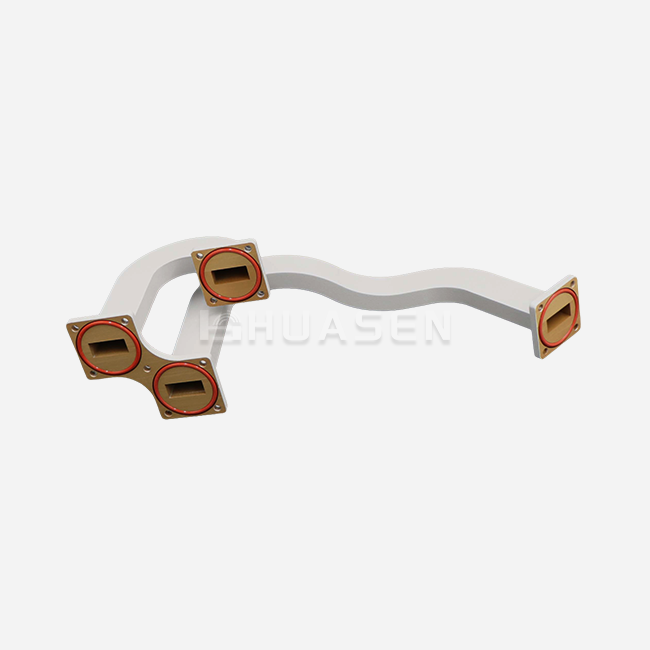
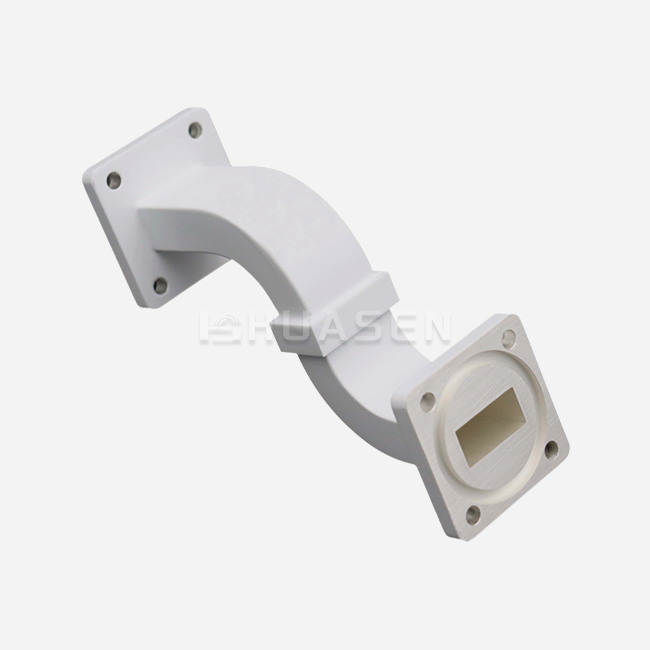
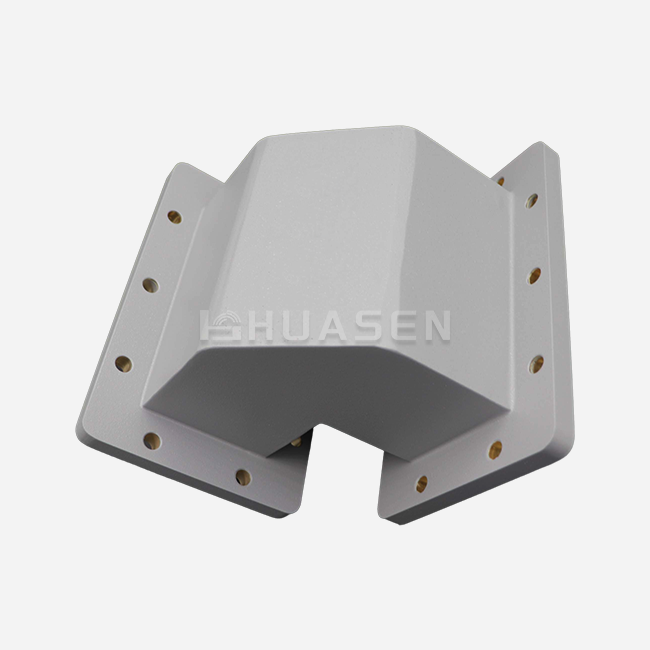
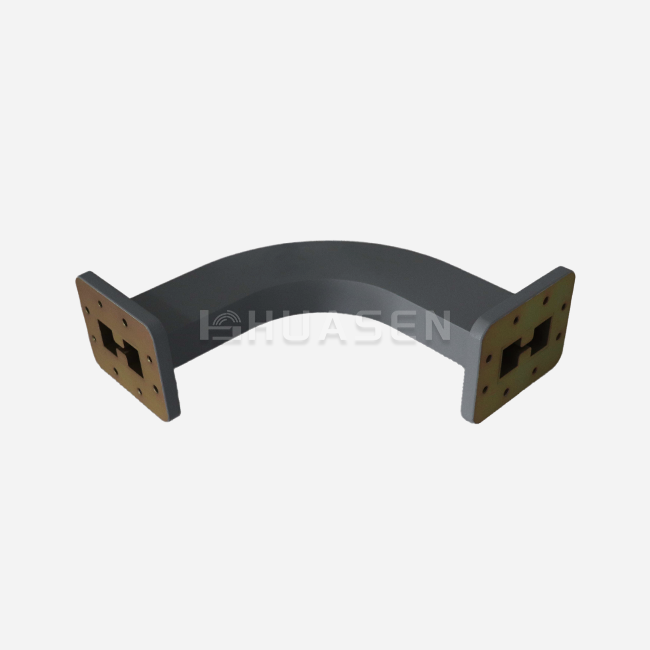
When it comes to RF transmission systems, rectangular waveguides are essential parts that send high-frequency electromagnetic waves with little loss. These thin metal structures move electromagnetic energy along their length, making them better at their jobs in a wide range of situations, from 5G infrastructure to satellite communications and tracking systems. Modern microwave and millimeter-wave technologies can't work without rectangular waveguides because they can handle a lot of power, keep signals strong, and block electromagnetic waves very well. These waveguides make it possible to send signals over long distances and precisely control them. They have made a big difference in the progress of wireless communication networks, rocket technologies, and defense systems.
What are rectangular waveguides, and how do they benefit RF communication systems?
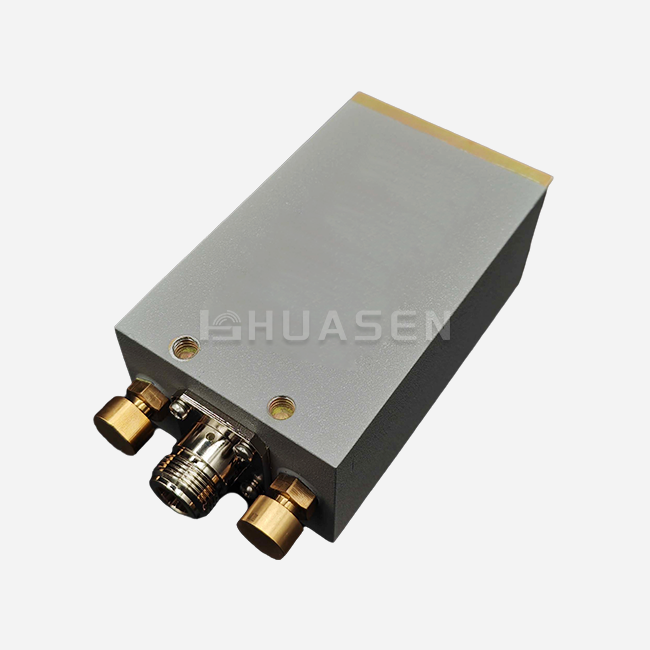
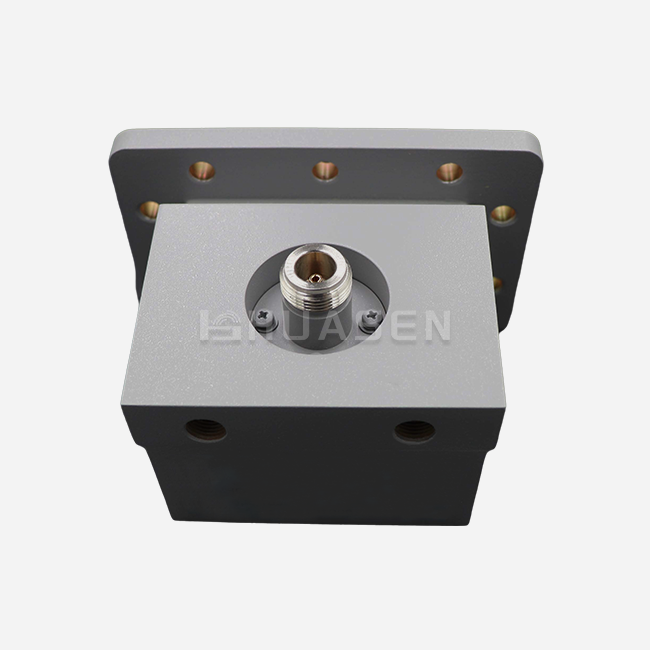
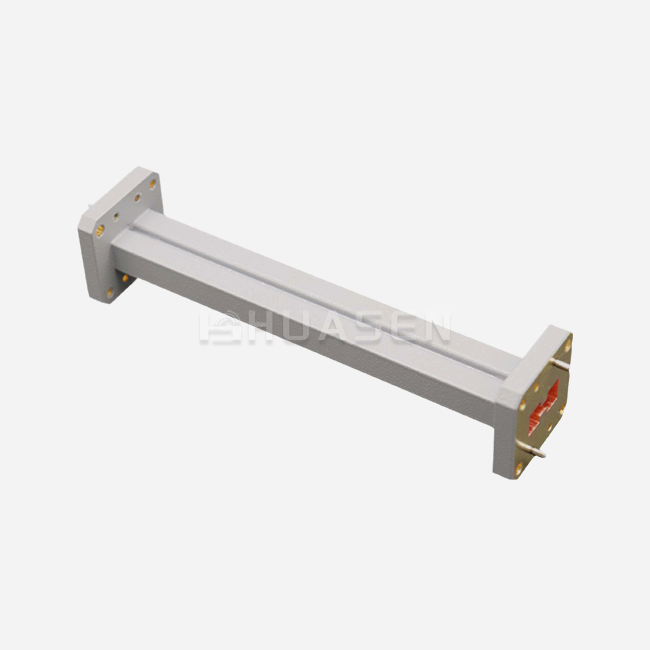
Equipped with special shapes called rectangle waveguides, electromagnetic waves can be sent very quickly. You can hear these sounds in the radio and millimeter bands. These empty tubes are usually square and made of metals that conduct electricity, like copper or aluminum. They work with certain patterns of electric fields. These patterns are called modes. Most of the time, square waveguides use the TE10 mode. It doesn't block RF waves too much.
Structure and Functionality
A rectangular waveguide's proportions are carefully planned to support the frequency range that is wanted. The limit frequency, below which data can't travel, is set by the waveguide's width. Because they are specific, rectangular waveguides can block interference at lower frequencies, working as high-pass filters.
Benefits in RF Communication
Rectangular waveguides offer several advantages in RF communication systems:
- Very Low Signal Loss: The sealed shape makes it possible to send messages over long distances with little loss of signal.
- A Lot of Power: Waveguides can handle a great deal more power than microstrip lines or coaxial wires.
- For safety against electromagnetic fields, the metal case does a great job of keeping outside radiation out.
- Mode Control: Being able to handle certain electromagnetic modes lets you change and filter signals very precisely.
Because of these features, rectangular waveguides are very useful for sending high-frequency, high-power signals with little resistance and crosstalk.
Rectangular waveguide benefits: low loss, high power capacity and shielding
Rectangular waveguides are better for many RF uses, especially when speed is very important, because of their special qualities. Let's talk more about their main advantages:
Low Loss Transmission
One of the best things about rectangle waveguides is that they can send data with almost no loss. In high-frequency and long-distance transmission, where signal purity is very important, this property is very significant.
There are several reasons why rectangular waveguides have low loss:
- Very Little Dielectric Loss: Waveguides don't have as much metal in them as coaxial lines do, so they lose very little dielectric.
- When the frequency is high, most of the current moves on the surface of the wire. Since waveguides have a lot of surface area, this effect is not as clear.
- Powerful Field Distribution: Rectangular waveguides support unique modes that let energy be sent quickly and with little loss.
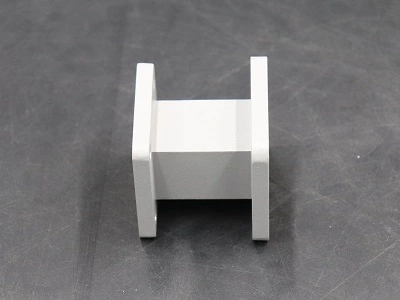
High Power Capacity
Because they work so well with high power, rectangular waveguides are perfect for radar systems, satellite communications, and science studies that use a lot of energy. They are able to deal with a lot of power because:
- Large Cross-Sectional Area: This lets heat escape easier and lowers the chance of dielectric breakdown.
- If there are no firm dielectric materials, there is no chance that the dielectric will heat up and break down at high power levels.
- Strong Construction: The strong metal frame can handle the high heat and mechanical stress that come with using a lot of power.
Electromagnetic Shielding
Electromagnetic interference (EMI) can be a big problem in RF systems that need to be very accurate. Rectangular waveguides are great at blocking outside electromagnetic interference (EMI) and keeping signals from leaking:
- Complete Enclosure: The metal frame acts like a Faraday cage to block electromagnetic fields from the outside.
- Very little radiation: Signals stay inside the waveguide, so they don't interact with equipment close.
- Isolation: Waveguides can separate different parts of a system, which makes the whole thing work better and be more reliable.
These protecting qualities are very useful in places where communication technology is close together, in space, and in medical devices where EMI can have very bad effects.
How are rectangular waveguides applied across microwave and radar systems?
Because they are so useful, rectangular waveguides are used in a lot of different radio and radar devices. Their uses are widespread across many fields and technologies:
Telecommunications and 5G Infrastructure
With the start of 5G networks, the world of technology is changing quickly. Rectangular waveguides are very important in this field:
- Base Station Antennas: Wideband signals are sent to antenna groups by waveguides. This lets the antennas form precise beams and send and receive large amounts of data fast.
- Base units can join to the main network with little loss through backhaul lines, which work best in mmWave bands.
- Base station waveguides move data quickly and efficiently between different parts with little loss of information.
Satellite Communications
Rectangular waveguides are very important to satellite systems for many reasons, including:
- Uplink and Downlink: Waveguides are often used for high-power communications between ground sites and satellites because they are efficient and can handle a lot of power.
- Onboard Systems: Waveguides are used to route, filter, and boost signals inside satellites.
- Earth Station Equipment: Waveguide feed devices are used by large dish transmitters to receive and send signals more efficiently.
Radar Systems
Rectangular waveguides are useful for both military and private radar uses because they:
- Waveguides connect high-power amplifiers to receivers in pulsed radar systems. These are called transmit/receive modules.
- Radars with a phased array: These provide low-loss networks for complicated beam-forming devices.
- For weather radars, waveguide parts help keep signal loss and noise to a minimum in high-sensitivity devices.

Test and Measurement
Rectangular waveguides are often used in high-precision RF measurement equipment:
- Vector Network Analyzers: Waveguide calibration kits make sure that readings made at millimeter-wave frequencies are correct.
- Power Meters: Waveguide technology is used by high-power monitors to get exact readings in science and industry.
- Test Ranges for Antennas: Waveguide-based feed systems send clear messages that can be used to describe antennas.
Industrial and Scientific Applications
In addition to communications and radar, rectangular waveguides are used in the following specific areas:
- Plasma Physics: The use of high-power microwaves in plasma processing and fusion studies.
- Particle Accelerators: Waveguides send RF power to research sites to speed up particles.
- In microwave heating and drying processes, precise energy transfer is important for industrial heating.
Because rectangular waveguides can be used in so many different ways, they are essential in these different situations. Their low loss, high power handling, and accurate mode control make them perfect for getting the best system performance.
Conclusion
Round waveguides are still the best way to use high-power and high-frequency data in RF and microwave technology right now. They are very important to current communication systems, radar technology, and scientific study because they send messages with little loss, handle power well, and stop electromagnetic waves better than other materials. It is impossible to stress how important rectangular waveguides are to the progress we are making in wireless communication and monitoring technologies.
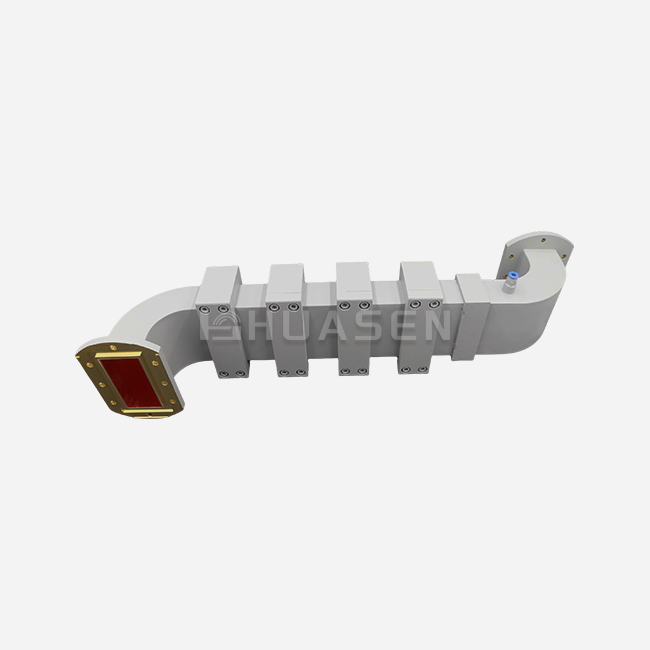
Choosing the right waveguide components is very important for engineers and system designers working on cutting edge RF projects who want to get the best performance. You can get a wide variety of high-quality rectangular waveguide options from Huasen Microwave Technology Co., Ltd. These include twists, bends, and unique designs that are made to fit the needs of each application. We are dedicated to creating new, dependable, and powerful radio frequency (RF) solutions that will shape the future of wireless communications, radar systems, and aircraft technologies. We have a lot of experience with microwave and millimeter-wave technologies.

FAQ
1. What frequency range do rectangular waveguides typically operate in?
Based on their size, rectangular waveguides are often used for bands between 1 GHz and 220 GHz. A standard waveguide size is used for each frequency band. For instance, waveguides that are bigger are used for lower frequencies and waveguides that are smaller are used for higher frequencies.
2. How does the size of a rectangular waveguide affect its performance?
The length and width of a rectangular waveguide determine how wide and high it can go. The lowest frequency that can be used is set by the waveguide's thickness. How much power the waveguide can take and how much it will lose is based on its height. Bigger waveguides lose less energy, but they can only work at lower frequencies.
3. Can rectangular waveguides be used for multiple frequency bands?
Each rectangle waveguide works best in a certain frequency range, but it can usually handle a wider range. But if you use a waveguide for a frequency range it wasn't designed for, you might get modes that don't work or bigger losses. You can use broadband or dual-band waveguides for tasks that need more than one band.
4. What materials are commonly used in manufacturing rectangular waveguides?
Square waveguides are often made of silver, copper, brass, and other metals that are good at moving electricity. The frequency range, power level, weight limit, and temperature can all change the type of material that is used. Silver or gold can be put on top of waveguides to make them more conductive and less likely to rust.
Enhance Your RF Systems with Premium Rectangular Waveguides | Huasen Microwave
Are you ready to improve the performance of your RF communication system? Huasen Microwave has many different types of high-quality rectangular waveguides that are made to meet the most specific needs of current microwave and millimeter-wave uses. Our team of experts is here to help, whether you need normal parts or waveguides that were made just for your project.
Don't compromise on quality or performance. Contact us today at sales@huasenmicrowave.com to discuss your rectangular waveguide needs and discover how our products can optimize your RF system's efficiency, power handling, and signal integrity. Let Huasen Microwave be your trusted partner in pushing the boundaries of RF technology.
References
1. Smith, J. (2021). Advanced Rectangular Waveguide Design for 5G Applications. IEEE Microwave Magazine, 22(3), 45-52.
2. Johnson, R. C. (2019). Antenna Engineering Handbook (5th ed.). McGraw-Hill Education.
3. Chen, L., & Wang, X. (2020). High-Efficiency Rectangular Waveguide Components for Satellite Communication Systems. Journal of Electromagnetic Waves and Applications, 34(5), 679-695.
4. Pozar, D. M. (2011). Microwave Engineering (4th ed.). John Wiley & Sons.
5. Zhang, Y., et al. (2022). Novel Rectangular Waveguide Structures for Terahertz Applications. IEEE Transactions on Terahertz Science and Technology, 12(1), 123-135.
6. Brown, E. R. (2018). Fundamentals of Terrestrial Millimeter-Wave and THz Remote Sensing. Springer International Publishing.
Send Inquiry