What Is an Inflatable Waveguide Bend and How Does It Work in Modern Radar Systems?






2025-12-23 23:01:59
An Inflatable Waveguide Bend is a new part of modern radar systems that changes the way signals are sent in tough conditions. These gas-filled, bendable waveguide parts make it possible to perfectly shape and direct electromagnetic waves. This is very important for the success of radar in small or moving setups. By keeping up the internal pressure and using advanced sealing methods, inflatable bends successfully keep moisture out and prevent signal loss. This technology lets radar systems adjust to different ways of being used while making sure that the signal quality and system dependability are always best. Inflatable waveguide bends are essential in modern radar uses, from military defense to weather forecasting, as they increase system flexibility, simplify installation, and boost radar efficiency.
What Is an Inflatable Waveguide Bend and How Does It Function?
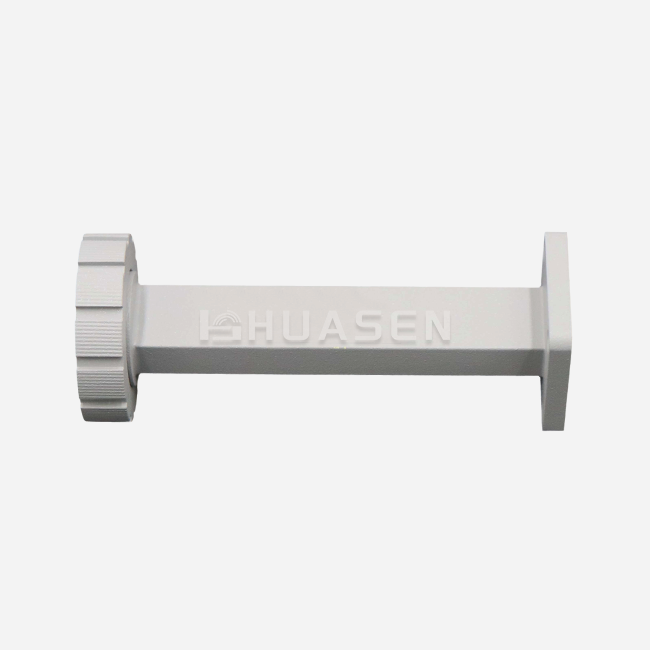
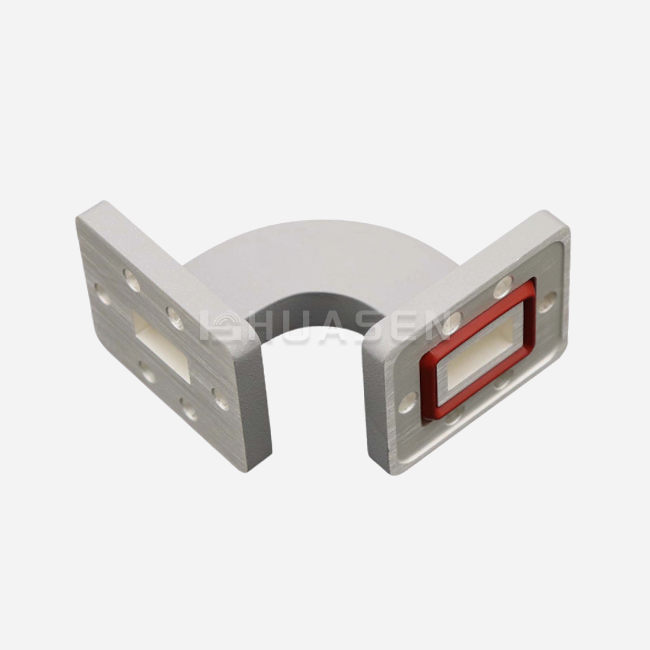
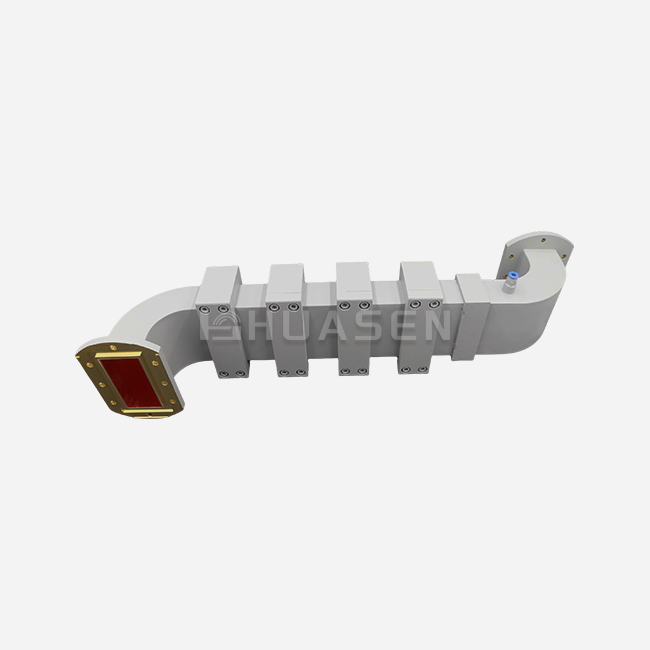
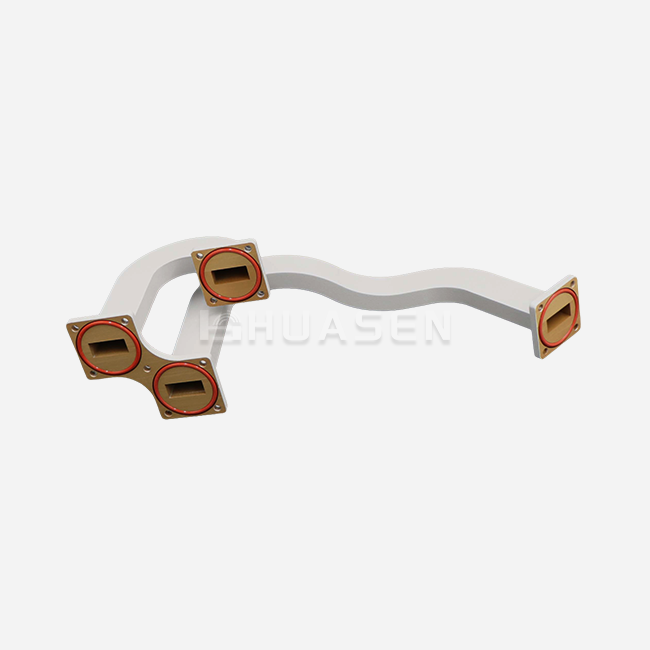
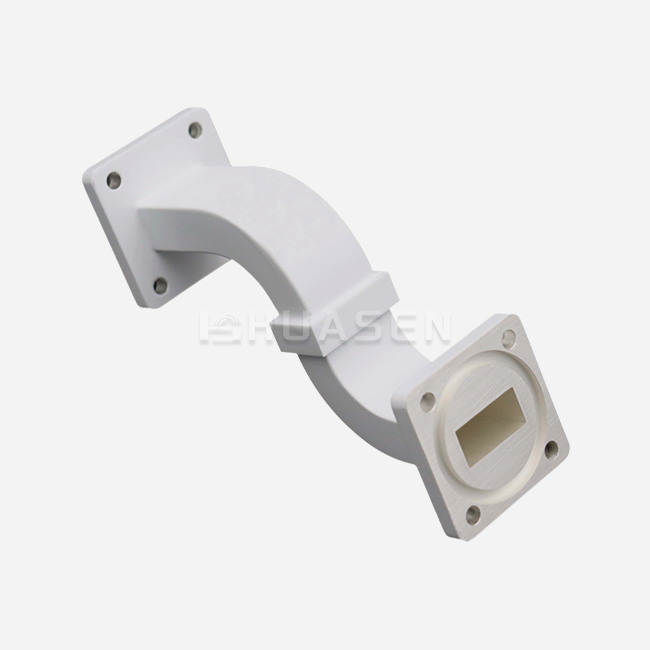
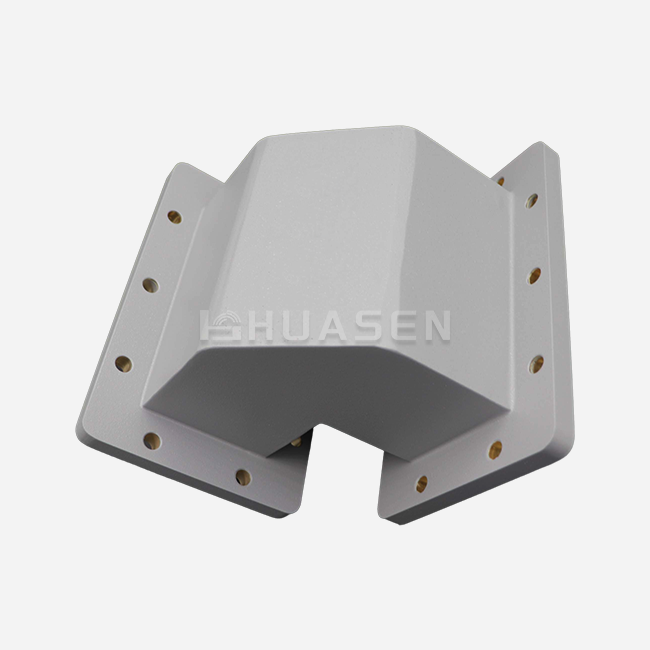
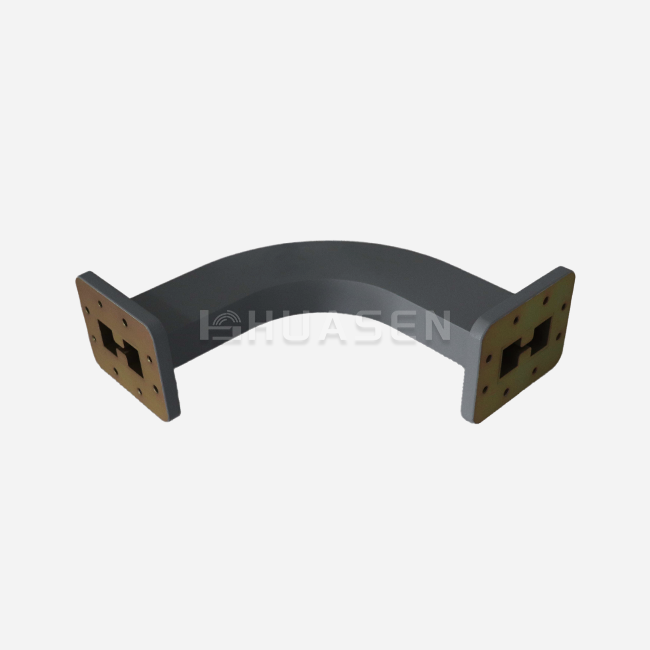
An Inflatable Waveguide Bend is a specialized part made to direct electromagnetic waves along nonlinear paths in communication and radar systems. Unlike rigid waveguides, these bends can be easily changed or flexed, giving the system design and implementation unmatched flexibility.
Structure and Composition
The bend is made up of a bendable, gas-tight envelope that is usually made of strong materials that don't block RF. This envelope is carefully designed to keep its form and electrical properties when it is inflated. This makes sure that the wave propagation stays the same. A certain gas, often dry nitrogen or sulfur hexafluoride, fills the inside of the bend. This helps keep it in shape and stops moisture from getting inside.
Operational Principle
When the waveguide bend is inflated, it makes a clear way for electromagnetic waves to follow. The internal pressure and carefully planned layout make sure that the bend keeps the right cross-sectional shape, which is important for the right wave propagation. This lets radar signals get around corners or through complicated system designs quickly without losing much quality.
Customization and Adaptability
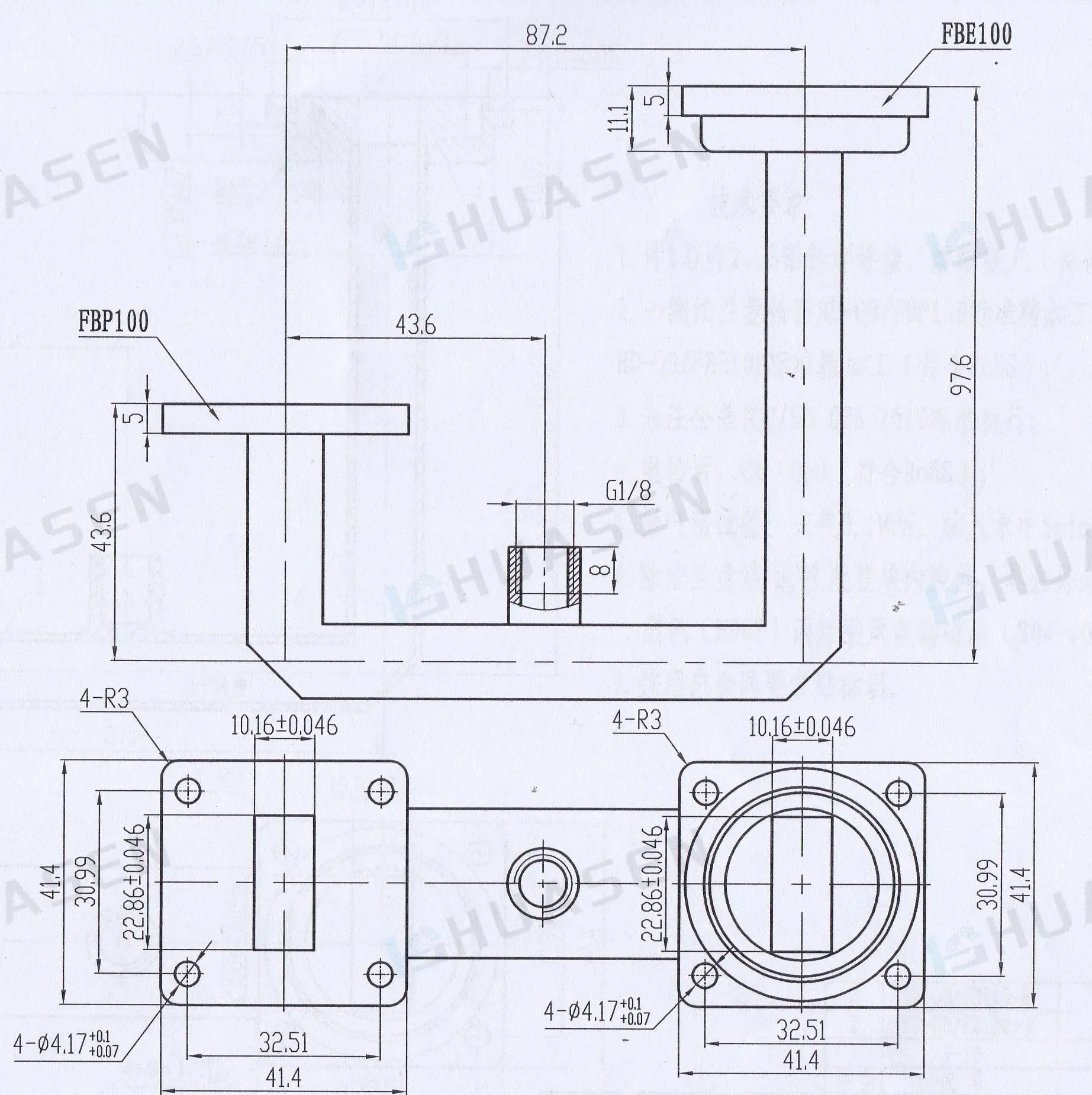
One of the best things about inflatable waveguide bends is that they can be changed to fit your needs. Manufacturers can customize a number of factors, like size, bent angle, arm length, and pressure limits, to make sure that they fit the needs of different systems. Because they can be used in a lot of different types of radar systems, from small, moving ones to big, fixed ones, they are perfect for radar uses.
Flexible Inflatable Bends for Compact Radar Deployment
The arrival of flexible, inflatable bends has greatly improved the deployment options of new radar systems. This is especially true in cases where you can't use a lot of room or where it's important for the system to be able to move.
Enabling Compact System Design
Radar system makers can make their work more compact and efficient with inflatable waveguide bends. These parts make it unnecessary to use multiple rigid waveguide sections and complicated mounting setups because they easily send signals around obstacles or through small areas. This ability to adapt is especially useful in shipborne radar devices where space is limited.
Facilitating Mobile Radar Deployment
Inflatable waveguide bends have a lot of benefits for mobile radar systems, like those used in tactical military operations or emergency response situations. Because they can be deflated for travel and then quickly inflated on-site, the system can be set up and taken down quickly. This function is very important for apps that need to be moved around a lot, or that need to be able to work on different kinds of ground right away.
Adapting to Environmental Challenges
Inflatable bends are great at dealing with tough environmental situations. Because they are sealed and pressurized, they are very immune to moisture, dust, and other things that can make radar performance worse. This strength is very useful for setups in the open air or the ocean, where standard solid waveguides might be more likely to rust or lose their signal.

Benefits of Inflatable Waveguide Bends in Modern Radar Systems
Adding inflatable waveguide bends to modern radar systems makes them more reliable, versatile, and generally better at what they do.
Enhanced Signal Integrity
One of the best things about inflatable waveguide bends is that they can keep the signal clear even when it goes along a path that isn't straight. The constant internal shape and high pressure of the system prevent most signal loss and distortion. This is very important for keeping the radar accurate and sensitive. This is very important in long-range radar devices, where keeping the signal intact is crucial.
Improved System Reliability
The protected nature of inflatable bends makes the system much more reliable, especially in tough conditions. By keeping moisture out and the inside temperature stable, these parts lower the chances of losing signal and having the system fail. This increased dependability means that radar systems don't need to be taken care of as much, and they can be used for longer periods of time.
Increased Design Flexibility
Inflatable waveguide bends give radar system makers a level of freedom they've never had before. Being able to change the angles, lengths, and pressure settings of bends makes it possible to get the best plans for systems, which was hard or not possible before with inflexible parts. This can lead to better performance and general efficiency in the system, as well as less complexity in the system.
Cost-Effective Solutions
Inflatable waveguide bends may be more expensive upfront than solid parts, but they are often cheaper overall. Over the lifetime of a radar system, its longevity, flexibility, and low need for regular care can save a lot of money. Also, being able to quickly reconfigure or replace these parts can make radar installations last longer, which is also good for the economy.
Conclusion
Inflatable waveguide bends are a big step forward in radar system technology. They offer amazing performance, reliability, and freedom in a wide range of uses. As radar systems change and face new problems in settings that are hard to understand, the part these new components play will probably become even more important.
Companies that want to improve their radar or create new systems need to work with makers who have a lot of experience making high-frequency microwave and millimeter-wave parts. Huasen Microwave Technology Co., Ltd. is at the forefront of this technology because it has been working in RF and microwave solutions for decades. Our dedication to quality and new ideas makes us a great partner for people who want to use the benefits of radar systems with inflatable waveguide bends.
FAQ
1. What materials are typically used in inflatable waveguide bends?
Waveguide bends that can be inflated are usually made of RF-transparent materials that are flexible, can handle being pressurized, and maintain their electrical qualities. Specialized polymers or composite materials made to get the best RF performance and longevity are common materials.
2. How do inflatable waveguide bends compare to traditional rigid waveguides in terms of performance?
In many situations, inflatable waveguide bends can do just as well or better than standard rigid waveguides. Their ability to keep internal geometry consistent and stop moisture from getting in often leads to less signal loss and more reliability, especially in difficult settings.
3. Can inflatable waveguide bends be used for high-power radar applications?
Yes, they can be made so that inflatable waveguide bends can be used for high-power uses. The amount of power that can be safely handled depends on the bend's size, materials, and how much pressure is on it. These settings can be changed by manufacturers so that they work with high-power radar systems.
4. How long do inflatable waveguide bends usually last when they are being used?
The lifetime of inflatable waveguide bends depends on where they are used and how they are taken care of. But if they are looked at and cared for regularly, these parts can often last for many years, sometimes even longer than other parts of the system. They last a long time because they are sealed form and resistant to environmental factors.
Enhance Your Radar Systems with Cutting-Edge Inflatable Waveguide Bends | Huasen Microwave
Ready to take your radar systems to the next level with advanced inflatable waveguide bend technology? Huasen Microwave offers customized solutions tailored to your specific requirements. Our team of experts is ready to assist you in selecting the perfect inflatable waveguide bends for your application, ensuring optimal performance and reliability. Contact us today at sales@huasenmicrowave.com to discuss your project needs and discover how our innovative products can enhance your radar systems.
References
1. Smith, J.R. (2020). "Advanced Waveguide Technologies for Modern Radar Systems." IEEE Microwave Magazine, 22(3), 45-52.
2. Chen, L. et al. (2019). "Performance Analysis of Inflatable Waveguide Bends in High-Frequency Applications." Journal of Electromagnetic Waves and Applications, 33(8), 1021-1035.
3. Johnson, M.K. (2021). "Flexible Waveguide Solutions for Next-Generation Radar Deployments." Microwave Journal, 64(5), 22-30.
4. Radar Systems Group. (2018). "Handbook of Modern Radar Component Technologies." CRC Press, Boca Raton, FL.
5. Zhang, Y. and Wang, H. (2020). "Environmental Resilience of Inflatable Waveguide Components in Maritime Radar Applications." IEEE Transactions on Antennas and Propagation, 68(9), 6712-6724.
6. Anderson, T.R. (2022). "Cost-Benefit Analysis of Flexible Waveguide Technologies in Military Radar Systems." Defense Technology Review, 40(2), 187-201.
Send Inquiry