Choosing the Best Materials for Waveguide Straight Sections: Enhancing Signal Quality and Durability






2025-12-15 22:49:53
Choosing the best materials for the Waveguide Straight Section parts is an important choice that affects how well the system works, how long it lasts, and how well the signal stays clear. Today's microwave and RF applications in telecommunications, aerospace, and defense are tough on materials. The materials you choose will decide whether your system gets great signal transmission with little loss or struggles with poor performance and frequent maintenance issues. The way a material conducts electricity, how stable it is when exposed to heat, and how well it resists rust all have a big impact on both the performance of a system right away and its reliability over time.
Understanding Waveguide Straight Sections and Their Material Requirements
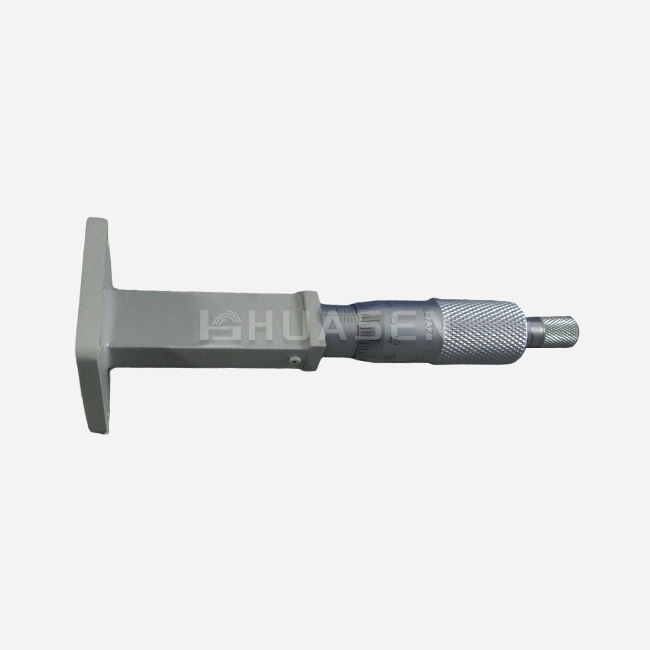
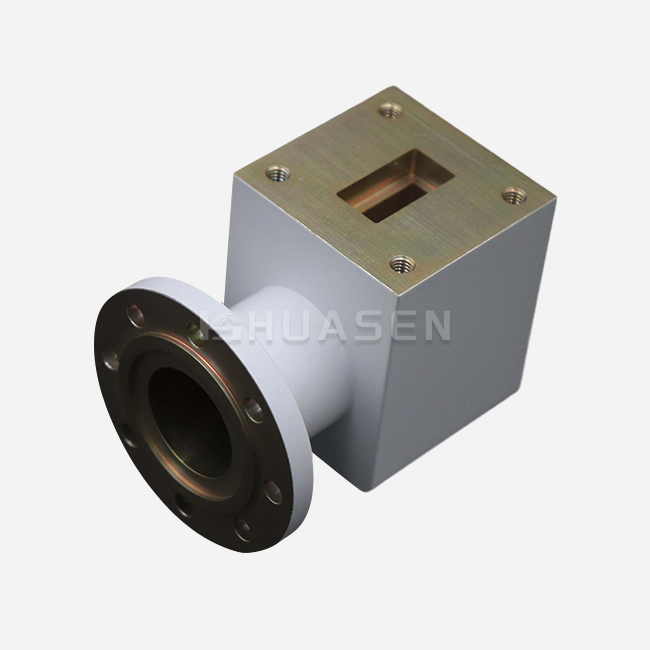
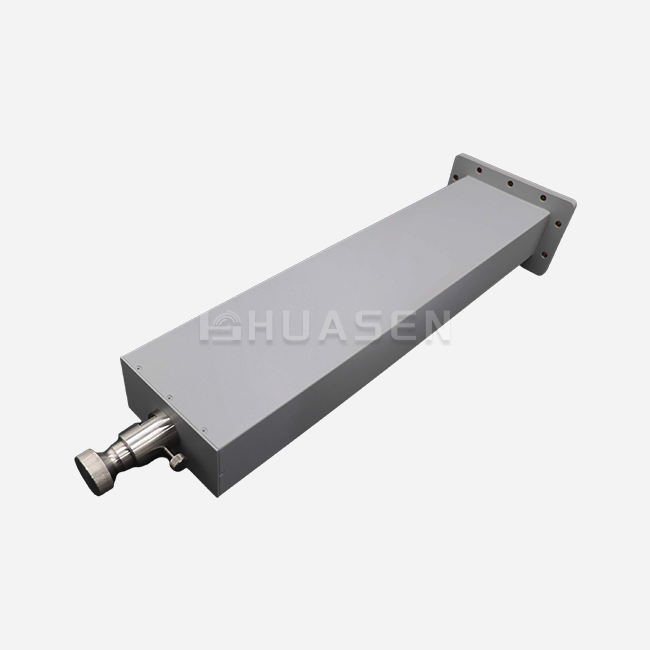
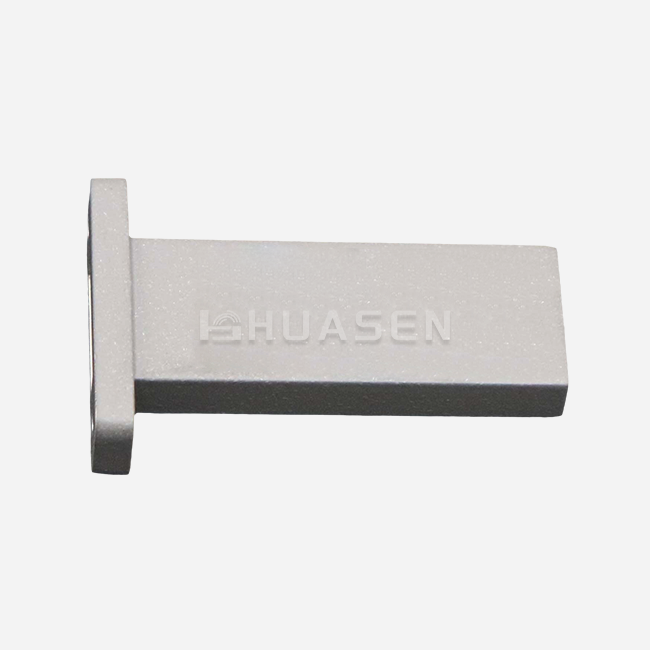
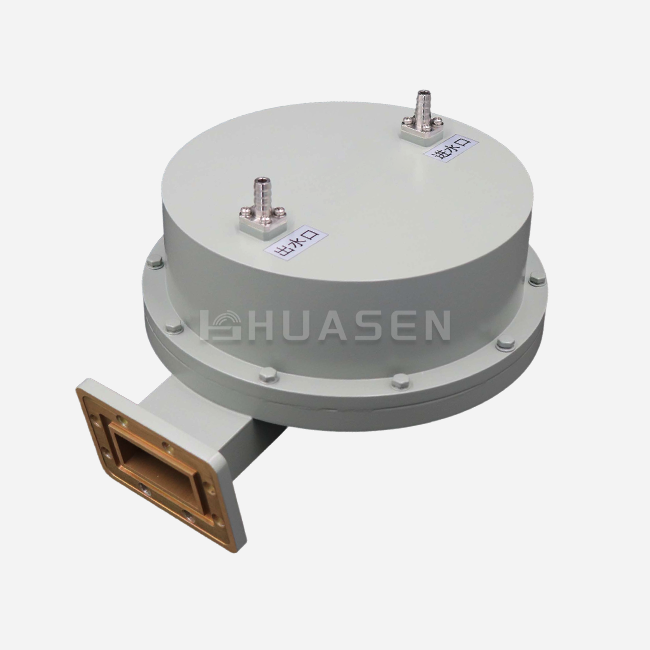
In high-frequency systems, waveguide straight sections are important parts that carry electromagnetic energy across very wide frequency bands, from 0.32 to 220 GHz. These precision-engineered parts must keep their dimensional accuracy and electromagnetic properties in a range of working situations while also supporting different shapes, like dual-ridge, inflatable, and rectangular geometries.
Core Electromagnetic Properties
Material conductivity and surface finish quality have a big impact on how well waveguide parts work in electromagnetic applications. It is possible for systems to reach VSWR values of ≤1.15 at standard frequencies and ≤1.2 at higher frequencies when using materials with high conductivity to reduce ohmic losses. Also, how rough the surface is and how well it resists rust are very important for keeping the same electrical properties during the whole lifetime of the part's operation.
Mechanical Specifications and Tolerances
Precision production needs materials that keep their shape when the temperature changes and allow lengths from 0.1 mm to 2000 mm for the Waveguide Straight Section. The machinability of the material affects manufacturing tolerances, which have a direct impact on the performance of the electromagnetic system and the ability of the connection to work with different parts. Materials must also be able to handle mechanical stress from installation, thermal expansion, and the surroundings without losing their strength.

Comparing Materials Commonly Used for Waveguide Straight Sections
When choosing a material, you have to make a trade-off between its electrical performance, strength, resistance to weather damage, and cost for the Waveguide Straight Section. Each material choice has its own pros and cons that need to be in line with the needs of the particular purpose and the way it will be used.
Aluminum and Aluminum Oxidation Processes
Aluminum is a great material for many waveguide uses because it is lightweight, doesn't corrode, and is cheap to make. When oxidation is carefully controlled, it makes metal surfaces more durable and better for electromagnetic purposes. The material's thermal conductivity helps high-power applications get rid of heat, and its machinability makes it possible to create the complicated shapes and tight tolerances needed for precision waveguide parts.
Copper with Advanced Plating Technologies
Copper is the best metal for electrical communication. It transmits signals very well and doesn't weaken them across a wide range of frequencies. Copper waveguides get great surface conductivity and corrosion protection when they're used with silver or gold plating processes. Silver plating makes conductivity much better, but gold plating makes it more stable over time and less likely to tarnish. This makes gold plating better for important uses that need to consistently work well over long periods of time.
Specialized Alloys and Composite Materials
Advanced uses often need special materials that combine a number of useful qualities for the Waveguide Straight Section. Brass has good strength and corrosion protection while conducting electricity fairly well, making it a good choice for tough mechanical settings. Stainless steel is very durable and resistant to environmental damage, but there are some downsides to electricity performance that may be okay for certain uses.
How Material Choice Enhances Signal Quality and Durability?
The link between a material's properties and how well a system performs isn't just about how well electricity flows through it. It also includes how well it manages heat, how well it resists damage from environmental factors, and how stable it is over time. All of these factors together determine how well the system works.
Signal Integrity and Loss Minimization
How easily electricity flows through a material affects the insertion loss for the Waveguide Straight Section. More conductive materials allow a wider bandwidth and better signal quality. Coatings of metals like silver or gold improve the surfaces' ability to conduct electricity. These coatings keep the same electrical properties even when the surfaces are in difficult environmental circumstances. These improvements become especially important in millimeter-wave uses, where even small losses can have a big effect on how well the system works.
Environmental Resilience and Longevity
Resistance to temperature changes, humidity, chemical contamination, and mechanical stress are all factors that affect durability. Better corrosion resistance materials keep stable electrical properties over long periods of time, which lowers the need for upkeep and makes sure performance stays the same. The right materials also prevent damage from UV exposure, salt spray, and other environmental factors that are common in outdoor settings.
Thermal Management Capabilities
In high-power situations, where both electrical performance and component lifespan are affected by how heat is removed, managing temperature well becomes very important. A high level of thermal conductivity helps a material spread heat around widely. This stops the formation of "hot spots" that could change the dimensions of the material or hurt its electrical performance. This temperature stability guarantees that VSWR performance stays the same and that the structure stays intact even when power levels change.

Making the Right Material Choice for Your Applications
Choosing the best material depends on a full study of each application's technical specs, performance needs, weather conditions, and economic factors.
Application-Specific Requirements
Different material properties are needed for different uses, depending on how they are used and the situations they are used in. Radar devices need materials that will keep working well even when they're hit with high-power pulses and quick temperature changes. Communication satellites need materials that can handle radiation and very hot and cold temperatures without losing their ability to work. Lab test tools work better when they are made of materials that improve measurement accuracy and repeatability.
Customization and Manufacturing Considerations
These days, Waveguide Straight Section waveguides are often used in ways that require custom-made solutions that get the best performance while still being possible to make. Choosing the right material impacts the way things are made, the time it takes to make them, and the ability to make custom changes. Some materials allow more complicated shapes or tighter tolerances. Other materials are better for making a lot of something or cutting costs for large-scale operations.
Conclusion
Choosing the right material for waveguide straight parts is an important engineering choice that affects performance right away and in the long run. Engineers can get the best performance out of a system while making sure it works in a range of situations by carefully considering its electrical properties, its needs based on how it will be used, and its environmental requirements. Modern waveguide systems get better signal quality and great durability in tough uses because of the use of advanced materials, exact manufacturing, and expert technical support.
FAQ
Q1: What affects the amount of time it takes to order straight waveguide sections?
A: The time it takes to ship an order depends on how much material is available, how complicated it is to make, how many orders there are, and how much it needs to be customized. Standard aluminum straight sections have shorter shipping times than more complex materials or coatings. Custom shapes and unique plating methods also affect the production plan.
Q2: How do different materials affect the frequency range that can be used with waveguides?
A: Signals are less likely to weaken in materials that conduct electricity well, like copper and silver-plated surfaces. This helps support wider frequency ranges and better signal integrity. It may be harder to use a wider working bandwidth with materials that have lower conductivity, especially at higher frequencies where skin effect losses are greater.
Q3: Is it possible to make custom waveguide straight pieces that meet certain material needs?
A: Yes, custom making meets one-of-a-kind needs, like certain coatings, alloys, and size requirements. To come up with material solutions that meet certification and reliability standards and get the best performance in unique manufacturing settings, our engineering team works directly with customers.
Partner with Huasen Microwave for Superior Waveguide Solutions
Huasen Microwave is ready to help you with Waveguide Straight Section waveguide parts by making use of our wide range of material knowledge and high-tech production methods. We are a top maker of straight waveguide sections. We use our decades of engineering knowledge and cutting-edge factories to make sure our products meet your exact needs. Our technical team gives you expert advice on how to choose materials so you can get the best performance while also keeping an eye on cost and shipping needs.
Our manufacturing can make a variety of materials, like aluminum oxidation and copper with silver or gold finishing. It can help with making prototypes, large amounts, or customizations. We know how important VSWR performance, frequency range optimization, and environmental durability are for your uses.
Ready to discuss your specific requirements? Contact us at sales@huasenmicrowave.com to explore how our expertise can enhance your system performance. Visit huasenmicrowave.com to learn more about our comprehensive product portfolio and technical capabilities.
References
1. Marcuvitz, Nathan. "Waveguide Handbook: Microwave and Millimeter Wave Engineering." McGraw-Hill Professional, 2019.
2. Pozar, David M. "Microwave Engineering: Material Properties and Component Design." John Wiley & Sons, 2020.
3. Ramo, Simon, John R. Whinnery, and Theodore Van Duzer. "Fields and Waves in Communication Electronics: Materials and Manufacturing Considerations." John Wiley & Sons, 2018.
4. Collin, Robert E. "Foundations for Microwave Engineering: Waveguide Materials and Performance Optimization." IEEE Press, 2021.
5. Ishii, Thomas Koryu. "Handbook of Microwave Technology: Component Materials and Manufacturing Processes." Academic Press, 2019.
6. Bahl, Inder J., and Prakash Bhartia. "Microwave Solid State Circuit Design: Materials Selection and Performance Enhancement." John Wiley & Sons, 2020.
Send Inquiry