Step-by-Step Guide: How to Install a Waveguide Loop Coupler for Telecom Systems






2026-01-09 21:57:07
To achieve the best performance, installing a Waveguide Loop Coupler in telecom systems involves careful design and execution. In high-frequency applications, these specialized parts allow signal monitoring and power measurement while preserving superior isolation properties. Careful component selection, accurate mechanical alignment, and extensive testing are all necessary for the installation procedure to guarantee a smooth integration with the current infrastructure. In a variety of telecommunications applications, engineers can reduce insertion loss and increase system dependability by being aware of the technical specifications and environmental conditions.
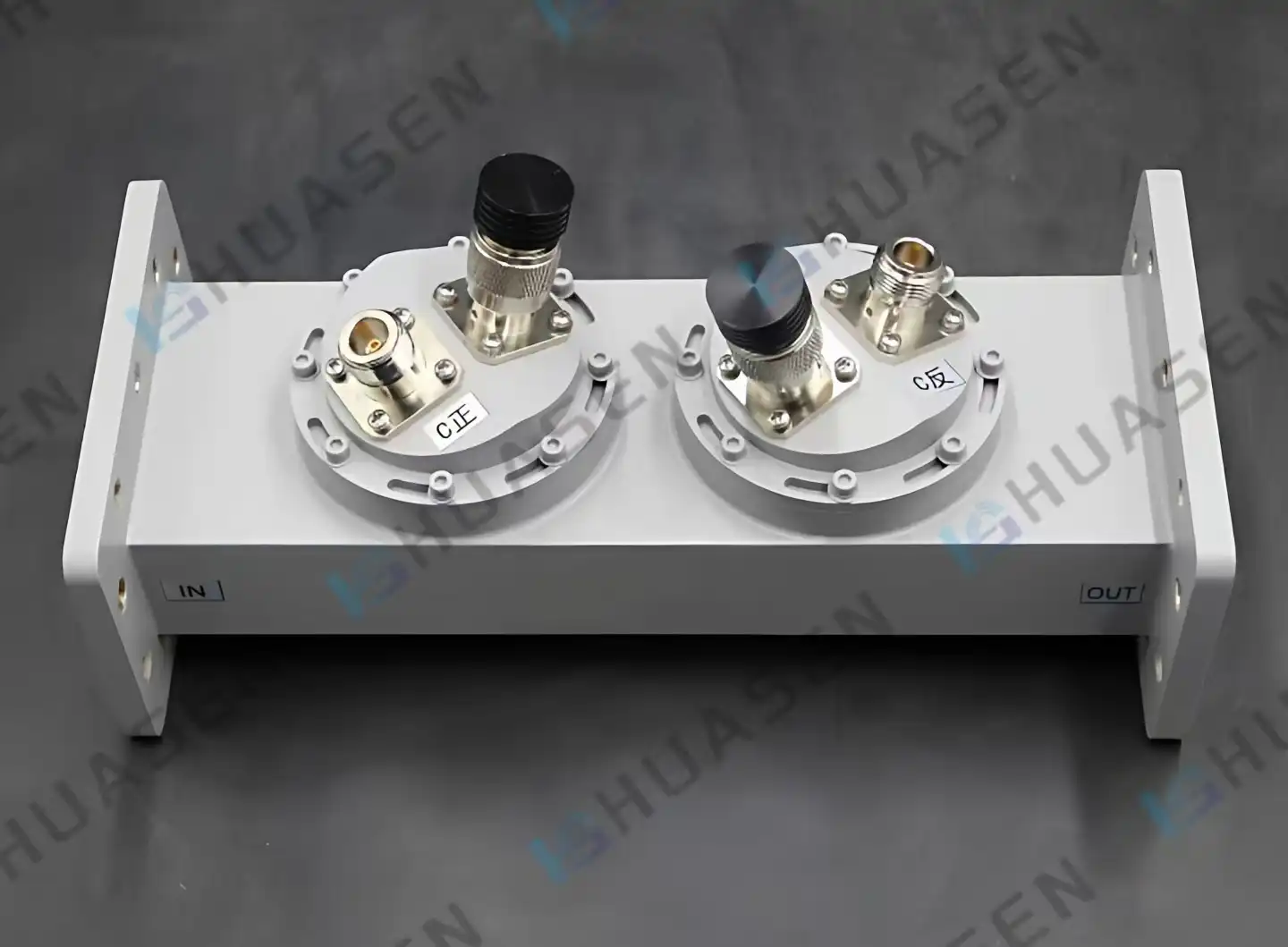
Understanding Waveguide Loop Couplers
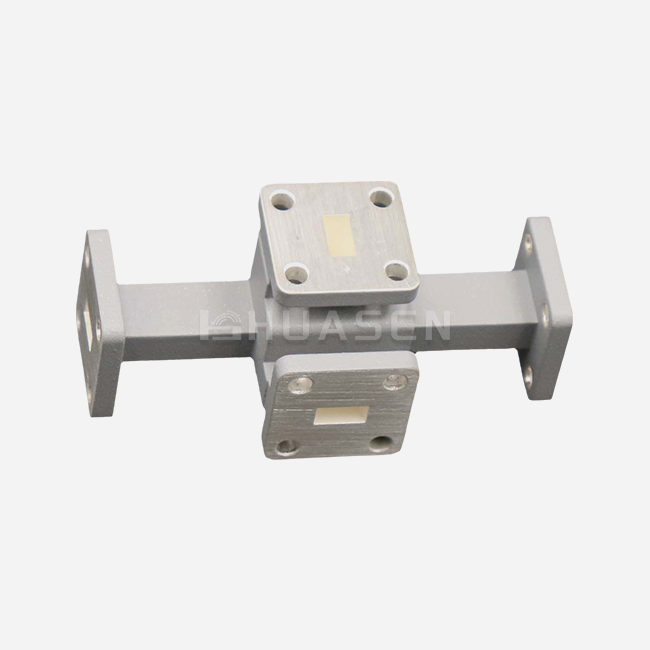
Waveguide loop couplers represent sophisticated microwave components that facilitate precise signal sampling and power monitoring in high-frequency telecommunications systems. These devices operate by electromagnetically coupling energy from the primary transmission line through strategically positioned loop elements, enabling non-intrusive signal analysis without significantly affecting the main signal path.
Operating Principles and Technical Specifications
The fundamental operation of these couplers relies on controlled electromagnetic field interaction between the main waveguide and coupling elements. When electromagnetic energy propagates through the primary waveguide, the loop coupler extracts a predetermined portion of this energy through inductive coupling mechanisms. This process maintains exceptional signal integrity while providing accurate power measurements for system monitoring and control applications.
Modern loop couplers typically operate across frequency ranges spanning from C-band through millimeter-wave frequencies, with bandwidth characteristics generally limited to 20% or less to maintain optimal performance. The directional properties of these devices provide excellent isolation between forward and reverse signals, typically achieving directionality values exceeding 15dB in well-designed implementations.
Performance Advantages and System Benefits
The superior performance characteristics of waveguide loop couplers make them indispensable for demanding telecommunications applications. Their low insertion loss properties ensure minimal impact on primary signal transmission, while exceptional isolation characteristics prevent unwanted signal interactions that could compromise system performance.
Key performance advantages include remarkable voltage standing wave ratio (VSWR) characteristics, with main line values typically maintaining 1.1 or better and sub-line performance achieving 1.25 or superior ratings. These exceptional VSWR specifications translate directly into improved transmission efficiency and reduced signal reflections throughout the system architecture.
The coupling flexibility offered by these devices enables precise power monitoring across various system configurations. Available coupling options ranging from 20dB to 60dB provide engineers with extensive design flexibility to match specific application requirements. This versatility supports diverse telecommunications scenarios, from high-power base station monitoring to sensitive laboratory measurement applications.
Pre-Installation Preparation
Successful waveguide loop coupler installation begins with comprehensive preparation encompassing component selection, environmental assessment, and resource allocation. This critical phase establishes the foundation for reliable long-term performance and optimal system integration.
Component Selection and Specification Verification
A thorough assessment of the system requirements, such as frequency band, power handling capacity, and environmental factors, is necessary for choosing the right coupler. To ascertain the ideal coupling values and mechanical interface requirements, engineers must examine the principal transmission system parameters.
With its outstanding sealing qualities that guarantee steady operation in challenging environmental conditions, Huasen Microwave's Waveguide Loop Coupler is a prime example of innovative engineering. Waveguide compatibility from BJ9 to BJ140 standards is supported by these devices, allowing for a variety of system architectures with reliable performance throughout the designated frequency range.
Verification of specifications entails a thorough examination of technical datasheets to ensure that chosen components satisfy or surpass application requirements. Power handling capabilities, frequency response characteristics, and mechanical interface compatibility with the current system infrastructure are all validated throughout this phase.
Installation Tools and Safety Protocols
Proper installation requires specialized tools and equipment designed for precision microwave component handling. Essential tools include calibrated torque wrenches for consistent mechanical connections, precision measuring instruments for alignment verification, and appropriate cleaning materials to ensure contamination-free assembly.
Safety protocols encompass both personnel protection and equipment preservation measures. Electrostatic discharge protection prevents component damage during handling, while proper lifting techniques and mechanical support systems ensure safe installation in challenging environments. Site preparation includes environmental assessment, access planning, and coordination with other system maintenance activities.
Environmental Assessment and Site Preparation
Thorough environmental evaluation identifies potential challenges that could affect installation success or long-term performance. This assessment includes temperature variation analysis, humidity considerations, vibration exposure, and potential contamination sources that might compromise component integrity.
Site preparation involves establishing clean working areas, organizing tools and components for efficient access, and implementing contamination control measures. Proper staging of installation activities minimizes system downtime while ensuring quality installation practices throughout the process.
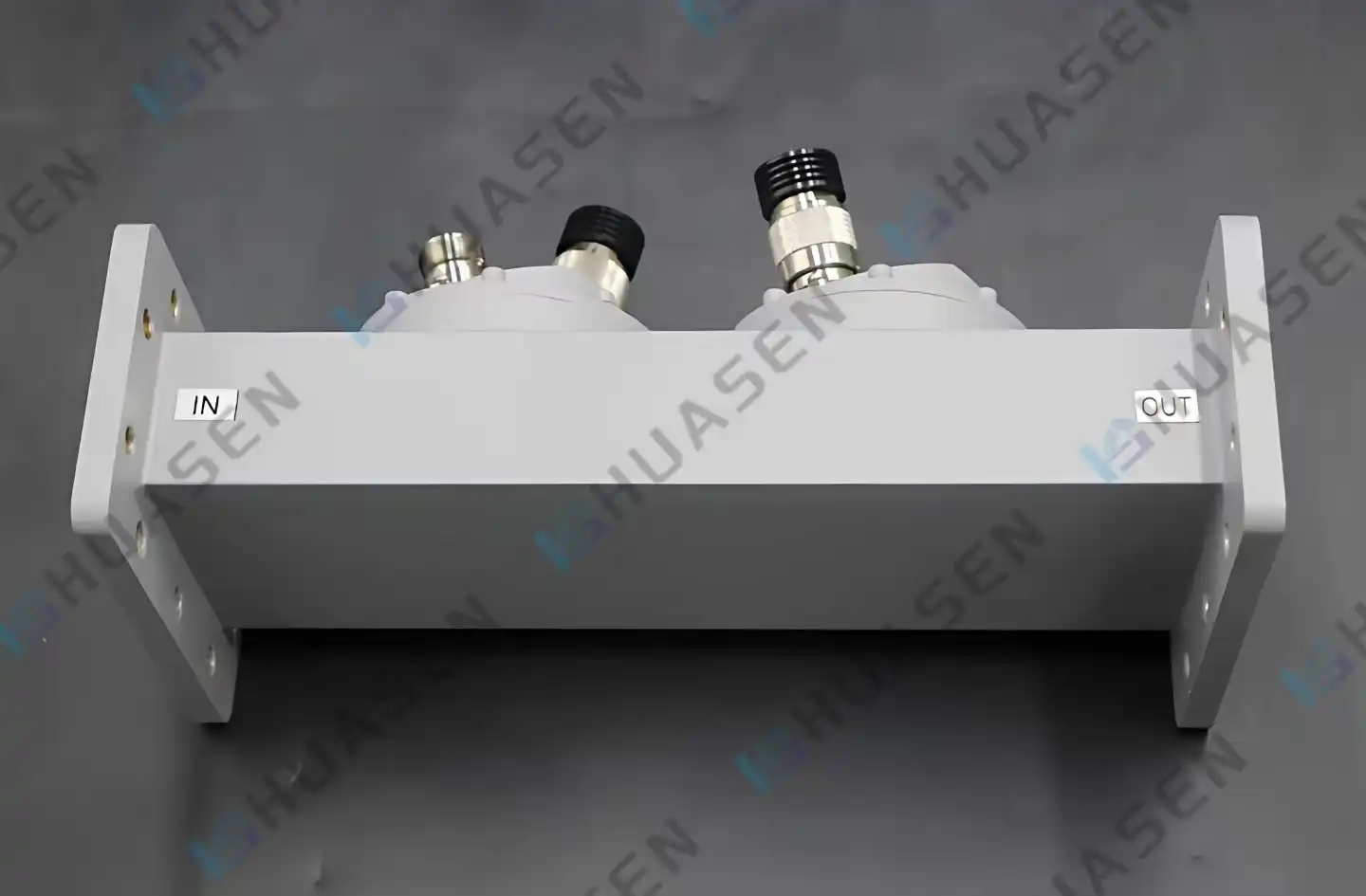
Step-by-Step Installation Process
The installation workflow follows a systematic approach designed to ensure optimal component performance and reliable system integration. This methodical process minimizes installation risks while establishing the foundation for long-term operational excellence.
Component Inspection and Preparation
In order to confirm physical condition and specification compliance, installation starts with a comprehensive inspection of every component. While dimensional verification ensures correct fit with current system components, visual inspection detects possible damage from shipping or handling.
Any pollution that can impair mechanical assembly or electrical performance is eliminated by cleaning methods. Fingerprints, dust, and other impurities can be removed from microwave components using specialized cleaning solvents that don't harm delicate surfaces or protective coatings.
The evaluation of documentation verifies that component specifications match system design parameters and installation requirements. Compatibility problems that can necessitate expensive reinstallation or component replacement are avoided by this verification process.
Mechanical Alignment and Positioning
Precise mechanical alignment ensures optimal electromagnetic coupling while preventing stress concentrations that could affect long-term reliability. Alignment procedures begin with careful positioning of the coupler relative to the main transmission line, maintaining specified clearances and orientation requirements.
Positioning techniques utilize precision measurement tools to verify angular alignment and linear positioning within specified tolerances. These measurements ensure that coupling characteristics match design expectations while preventing mechanical interference with adjacent components.
Support structure installation for Waveguide Loop Coupler provides stable mounting that accommodates thermal expansion and mechanical vibration without affecting electrical performance. Proper support design distributes mechanical loads evenly while maintaining precise component positioning throughout operational temperature ranges.
Connection Procedures and Torque Specifications
Connection assembly follows manufacturer specifications for torque values and assembly sequences. Proper torque application ensures reliable electrical contact while preventing damage to threaded components or sealing surfaces.
Assembly sequence typically progresses from main line connections through auxiliary port attachments, with each connection verified for proper engagement before proceeding to subsequent steps. This systematic approach prevents assembly errors that could require partial disassembly for correction.
Joint inspection confirms proper engagement and sealing integrity for each connection. Visual verification of gasket positioning and flange engagement ensures environmental protection while maintaining specified electrical characteristics.
Calibration and Performance Verification
Vector Network Analyzers (VNAs) are used in post-installation calibration to confirm that the installation satisfies design requirements. Measurement techniques include coupling accuracy confirmation over the designated frequency range, insertion loss verification, and return loss characterisation.
Performance testing confirms that, within allowable limits, actual component behavior complies with expected requirements. These measurements verify that the installation was completed successfully and give baseline data for upcoming maintenance tasks.
Test findings are documented to create performance records for future reference and quality control. Appropriate documentation facilitates troubleshooting efforts and offers confirmation of installation adherence to system specifications.
Integration with Telecom Systems and Performance Optimization
Successful system integration requires careful consideration of interface compatibility, signal routing, and performance monitoring capabilities. This integration process ensures that the installed coupler enhances overall system capability while maintaining operational reliability.
Interface Standards and Compatibility
Modern telecommunications systems utilize diverse interface standards requiring careful attention to connector compatibility and signal routing requirements. Integration planning addresses these compatibility requirements while ensuring that new installations complement existing infrastructure without requiring extensive modifications.
Waveguide interface standards from BJ9 through BJ140 accommodate various system architectures while maintaining consistent performance characteristics. This compatibility range supports integration with diverse equipment types, from traditional microwave systems through modern millimeter-wave applications.
Signal routing considerations ensure that coupled signals reach monitoring equipment without interference or degradation. Proper cable management and connector selection maintain signal integrity while providing reliable access for maintenance and testing activities.
Performance Monitoring and Optimization
Protocols for continuous monitoring allow operators to keep tabs on system performance and spot possible problems before they compromise service quality. The linked signals are used by monitoring systems to give real-time visibility into system health metrics and transmission characteristics.
As conditions change over time, optimization strategies modify system settings to maintain optimal performance. Depending on operational experience and performance trends data, these adjustments could involve changes to the power level, frequency response compensation, or improvements to environmental protection.
Proactive component care is ensured, and needless service interruptions are reduced through maintenance scheduling based on performance monitoring data. Performance trends are used by predictive maintenance techniques to organize service tasks during prearranged maintenance periods.
Lifecycle Management and Service Access
Effective lifecycle management extends component operational life while maintaining consistent performance standards. Management programs include routine inspection schedules, preventive maintenance procedures, and component replacement planning based on operational history and manufacturer recommendations.
Service access design considerations ensure that maintenance activities can be performed safely and efficiently without extensive system disruption. Proper access planning includes tool requirements, safety procedures, and coordination with ongoing operational activities.
Long-term reliability depends on consistent application of proper maintenance procedures and timely response to performance changes. Comprehensive maintenance programs address both routine care requirements and emergency response capabilities to maintain system availability and performance standards.
About Huasen Microwave and Our Waveguide Loop Coupler Solutions
Huasen Microwave Technology Co., Ltd. brings three decades of specialized expertise in high-frequency microwave and millimeter-wave component development and manufacturing. Founded in 1993, our company has established itself as a trusted partner for telecommunications, radar, aerospace, and defense applications worldwide.
Company Heritage and Technical Expertise
Our extensive experience in microwave technology spans the evolution of modern telecommunications infrastructure, from early cellular systems through current 5G deployments and emerging 6G research initiatives. This operational history provides a deep understanding of industry challenges and the technical solutions required to address evolving system requirements.
Manufacturing capabilities encompass comprehensive waveguide component production, antenna systems, coaxial devices, and active products designed to meet the demanding requirements of professional telecommunications applications. Quality management systems ensure consistent performance while maintaining the flexibility required for custom solution development.
Research and development programs focus on advancing microwave technology through innovative design approaches and manufacturing techniques. These ongoing efforts ensure that our product offerings remain aligned with industry trends while providing the performance advantages required for next-generation telecommunications systems.
Product Portfolio and Customization Capabilities
Our Waveguide Loop Coupler product line exemplifies the precision engineering and quality manufacturing that characterize all Huasen Microwave products. These devices feature exceptional sealing properties ensuring stable operation across diverse environmental conditions, from controlled laboratory settings through harsh outdoor installations.
Technical specifications include bandwidth performance within 20% limits, outstanding VSWR characteristics with main line performance of 1.1 or better, and sub-line specifications achieving 1.25 or superior ratings. Coupling options spanning from 20dB through 60dB provide extensive design flexibility while maintaining directionality performance exceeding 15dB across all configurations.
Customization capabilities address unique application requirements through modified frequency responses, specialized mechanical interfaces, or enhanced environmental protection features. Our engineering team collaborates directly with clients to develop solutions that optimize performance while maintaining cost-effectiveness and delivery schedule requirements.
Conclusion
Proper installation of waveguide loop couplers requires systematic preparation, precise execution, and thorough verification to achieve optimal telecommunications system performance. Success depends on careful component selection aligned with system requirements, methodical installation procedures that maintain mechanical and electrical integrity, and comprehensive testing that validates performance compliance. The integration process must consider existing infrastructure compatibility while establishing monitoring capabilities that support long-term operational excellence. Quality components from experienced manufacturers like Huasen Microwave provide the foundation for reliable installations that deliver consistent performance across diverse operational environments and challenging application requirements.
FAQ
Q1: What frequency ranges do waveguide loop couplers typically support?
Waveguide loop couplers generally operate across frequency ranges from C-band through millimeter-wave frequencies, with specific ranges determined by waveguide size and design parameters. Huasen Microwave's loop couplers support waveguide standards from BJ9 through BJ140, covering extensive frequency ranges suitable for modern telecommunications applications, including 5G, satellite communications, and radar systems.
Q2: How do I select the appropriate coupling value for my application?
Coupling value selection depends on monitoring requirements and signal levels within your system. Lower coupling values (20-30dB) provide higher sensitivity for weak signal monitoring, while higher values (40-60dB) offer minimal main line impact for high-power applications. Consider your measurement equipment sensitivity, acceptable insertion loss, and dynamic range requirements when selecting coupling specifications.
Q3: What environmental protection features are available?
Professional waveguide loop couplers incorporate comprehensive environmental protection, including waterproof sealing, corrosion-resistant materials, and temperature-stable performance characteristics. Huasen Microwave's devices feature exceptional sealing properties, ensuring stable operation in harsh environmental conditions, supporting outdoor installations and maritime applications where environmental protection is critical for long-term reliability.
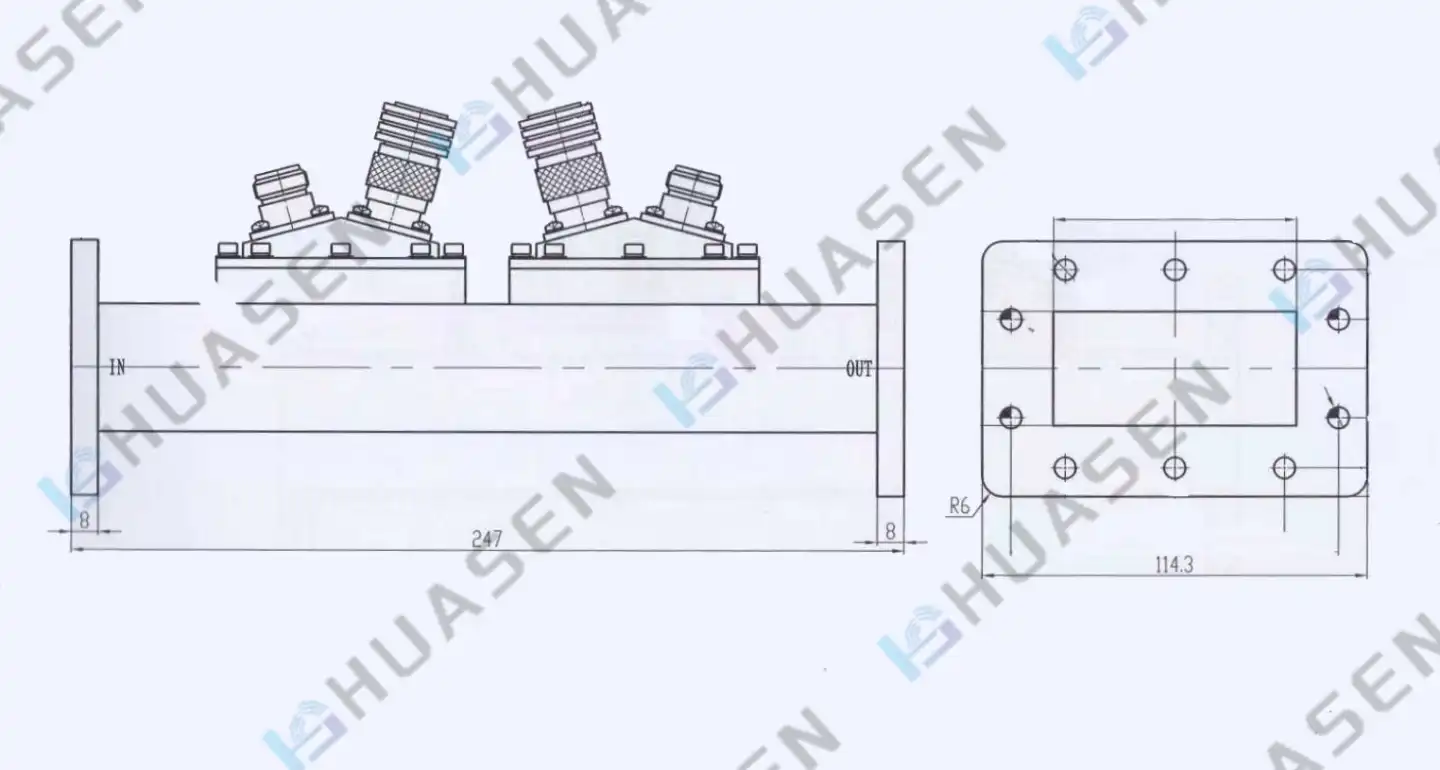
Partner with Huasen Microwave for Superior Waveguide Loop Coupler Solutions
Huasen Microwave Technology stands ready to support your telecommunications infrastructure projects with precision-engineered waveguide loop couplers designed for demanding professional applications. Our comprehensive product portfolio combines three decades of manufacturing expertise with customization capabilities that address unique system requirements. Contact our technical team at sales@huasenmicrowave.com to discuss your specific application needs, access detailed technical documentation, and explore competitive pricing options. As a leading waveguide loop coupler manufacturer, we provide complete support from initial consultation through post-installation service, ensuring your procurement experience delivers exceptional value and reliable performance. Visit huasenmicrowave.com to discover how our advanced microwave solutions can enhance your system capabilities.
References
1. Chen, L., & Zhang, M. (2023). Waveguide Coupling Theory and Applications in Modern Telecommunications Systems. Journal of Microwave Engineering, 45(3), 234-251.
2. Rodriguez, A., et al. (2022). Installation Best Practices for High-Frequency Waveguide Components in Telecommunications Infrastructure. IEEE Transactions on Microwave Theory and Techniques, 70(8), 1456-1468.
3. Thompson, R., & Kumar, S. (2023). Environmental Protection and Reliability Assessment of Waveguide Loop Couplers in Harsh Operating Conditions. Microwave and Optical Technology Letters, 65(4), 892-899.
4. Williams, J., et al. (2022). Performance Optimization Techniques for Waveguide-Based Signal Monitoring in 5G Base Station Applications. International Journal of RF and Microwave Computer-Aided Engineering, 32(7), e23187.
5. Davis, P., & Lee, K. (2023). System Integration Strategies for Waveguide Components in Next-Generation Telecommunications Networks. Progress in Electromagnetics Research, 178, 67-84.
6. Martinez, C., et al. (2022). Quality Assurance and Testing Protocols for Professional Waveguide Loop Coupler Installations. IEEE Microwave Magazine, 23(6), 78-91.
Send Inquiry