Microstrip vs Coaxial Directional Coupler Selection for RF Engineers






2026-04-02 21:14:16
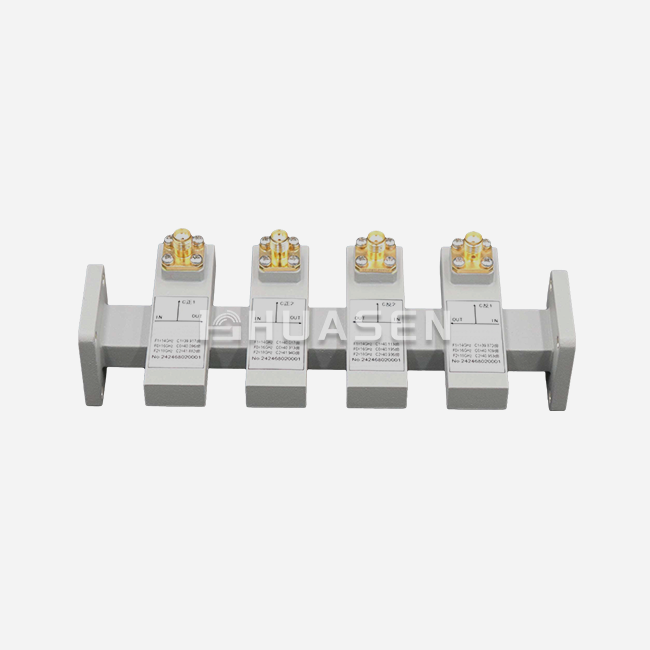
When selecting between microstrip and coaxial directional couplers, RF engineers must evaluate critical performance parameters, including frequency range, power handling capacity, insertion loss characteristics, and environmental resilience requirements. Microstrip directional coupler designs excel in compact applications requiring cost-effective integration within printed circuit boards, typically operating efficiently from 1-40 GHz with moderate power levels. Coaxial configurations deliver superior power handling capabilities, broader bandwidth coverage, and enhanced mechanical durability, making them indispensable for high-power transmission systems and precision measurement applications where signal integrity cannot be compromised.
Introduction
Directional couplers are very important in modern RF engineering because they allow signal tracking, power measurement, and system diagnostics happen without getting in the way. They are used in telecommunications, aerospace, and defence. These passive parts take out specific parts of signals from transmission lines with little effect on the main signal routes. This detailed guide helps you make the important choice between microstrip and coaxial directional coupler technologies. It's meant for global procurement specialists, system integrators, and RF engineers who are in charge of choosing parts for 5G infrastructure, satellite communications, radar systems, and precision test equipment. By understanding the main differences between these technologies, you can make smart purchasing decisions that improve system performance while keeping costs low and integration complexity low. The selection process involves looking at a number of technical factors, such as coupling factor stability, directivity performance, power handling specifications, and operating conditions in the environment. Each technology has its own pros and cons that affect the long-term cost of running the system, the accuracy of measurements, and the dependability of the system.

Understanding Directional Couplers: Microstrip and Coaxial Basics
Fundamental Operating Principles
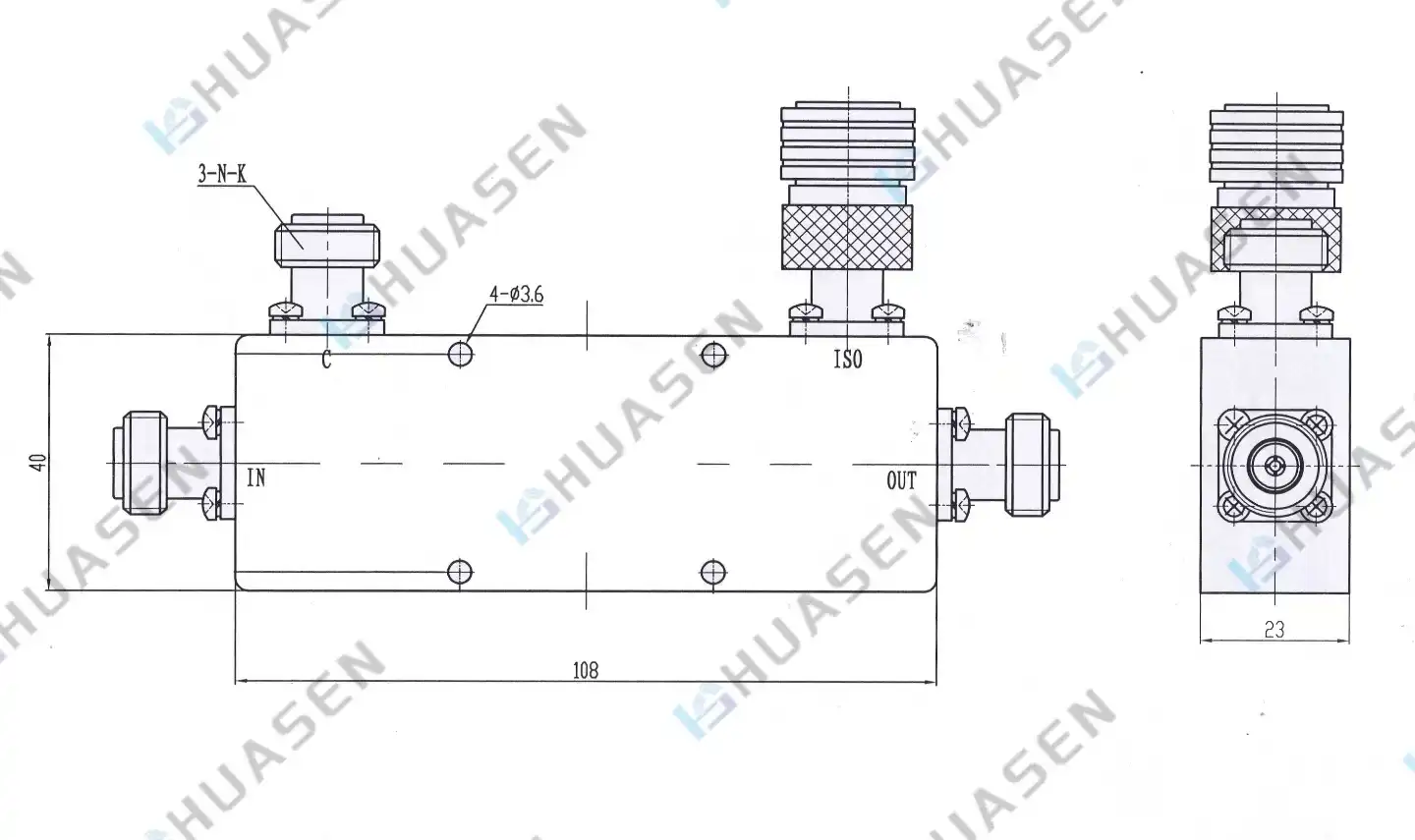
Directional couplers use electromagnetic field coupling to take out small pieces of signals without stopping the main transmission routes. In these devices, energy is transferred through controlled electromagnetic field interaction between the primary and secondary conductors of coupled transmission lines. Microstrip implementations use flat transmission line geometries that are fabricated on printed circuit board substrates, creating coupling through parallel strip conductors that are separated by dielectric materials. How strong the coupling is is based on how far apart the strips are, how wide the conductors are, and the dielectric properties of the substrate. Coaxial designs use concentric conductor arrangements inside cylindrical housings to achieve coupling through holes, loops, or parallel coaxial line sections. This setup allows precise coupling control through photolithographic manufacturing processes. Because coaxial structures naturally shield electromagnetic interference from the outside, they offer better isolation while keeping the same impedance traits over a wide frequency range.
Performance Parameter Considerations
Key specs describe how well a directional coupler hybrid coupler works in different situations. The coupling factor, which can be anywhere from 6 dB to 40 dB based on the application, controls the amount of signal that is sent to the coupled port. Directivity shows how well the device can tell the difference between forward and reflected signals. Values above 20 dB are usually fine for most uses. Insertion loss is the signal attenuation added to the main transmission line, excluding the desired coupling loss. To keep the system working well, good couplers keep insertion losses below 0.5 dB. Operational bandwidth is based on frequency response characteristics. Microstrip designs usually cover specific frequency bands, while coaxial configurations usually offer octave or multi-octave coverage. Power handling capabilities vary a lot between technologies. Coaxial designs can handle up to kilowatts of power, while microstrip designs can only handle hundreds of watts at most. When choosing a technology for tough jobs, environmental factors like temperature range, humidity tolerance, and resistance to mechanical stress are taken into account.
Microstrip Directional Couplers: Advantages, Limitations, and Performance
Design Advantages and Integration Benefits
For applications with limited room that need cost-effective manufacturing scalability, microstrip directional couplers are a great choice. The flat design fits perfectly with printed circuit board assemblies, getting rid of the need for discrete component interconnections that can cause failure points and parasitic effects. Photolithographic processes ensure consistent manufacturing, so the electrical properties are the same from one production batch to the next. Because of this, automated assembly methods can be used, and quality control is easier than with discrete component approaches. The low-profile geometry and lightweight construction make it possible to make miniaturised system designs that are needed for portable communications equipment and unmanned aerial vehicle applications. Cost benefits become especially important in high-volume production situations where automated assembly processes and amortisation of tools lower the cost of making each unit. The ability to use multiple couplers in a single substrate assembly cuts costs even more while keeping the electrical performance matches between channels very accurate.
Performance Limitations and Constraints
Microstrip technology has some built-in problems that make it less useful in tough RF settings. Power handling capacity is still limited by the cross-sectional areas of the conductors and the ability of the base to handle heat. Typical power ratings are between 1 and 100 watts for continuous wave operation, and the highest power that can be handled is based on the dielectric breakdown thresholds. Frequency response characteristics are often narrower than coaxial options, especially for uses that need to cover an octave or more than one octave. The open structure of the transmission line makes it more vulnerable to electromagnetic interference and crosstalk between nearby circuits, which could lower the directivity performance in crowded packaging environments. Environmental resilience also comes with its own problems, since exposed conductor surfaces can still rust, get wet, and get damaged while being handled or used. Changing temperatures can cause changes in the size of base materials that can affect their electrical properties over time. This means that it is important to choose the right materials and come up with good thermal management strategies.
Coaxial Directional Couplers: Strengths, Challenges, and Use Cases
Superior Performance Characteristics
Coaxial directional couplers work very well in a number of important ways, which is why they are essential for high-power transmission systems and precise measurement tasks. The enclosed conductor geometry naturally blocks electromagnetic fields, so signals stay intact even in electromagnetically hostile environments. It can handle much more power than microstrip alternatives, with ratings ranging from hundreds of watts to several kilowatts, depending on the connector specifications and cooling arrangements. This strong power capacity works with high-power transmitters in broadcast systems, radar installations, and industrial heating equipment that needs to keep an eye on signals. Broadband frequency response characteristics allow single-device solutions across octave or multi-octave frequency ranges, which makes system design easier and lowers the number of parts that need to be kept on hand. Directivity performance is usually higher than 30 dB across working bandwidths. This makes sure that measurements are accurate for precision testing and keeping an eye on antenna systems.
Implementation Considerations and Challenges
The superior performance characteristics of coaxial directional couplers come with corresponding implementation challenges that influence procurement decisions. Physical size and weight considerations become significant factors in space-constrained applications, particularly for airborne and portable systems where every gram matters. Cost considerations extend beyond initial component pricing to include connector specifications, cable assemblies, and mechanical mounting requirements. High-quality coaxial couplers command premium pricing that reflects precision manufacturing tolerances and rigorous testing procedures necessary to achieve specified performance levels. Installation complexity increases compared to microstrip alternatives, requiring proper connector torque specifications, cable routing considerations, and mechanical support structures to prevent stress-induced failures. The discrete component nature necessitates individual quality verification procedures and inventory management systems that add operational overhead.
How to Choose Between Microstrip and Coaxial Directional Couplers: Decision Support for RF Procurement
Application-Specific Selection Criteria
Successful directional coupler selection requires systematichybrid coupler evaluation of application requirements against technology capabilities. Frequency coverage represents the primary selection criterion, with microstrip solutions optimal for applications operating within specific frequency bands where compact integration provides system benefits. Power handling requirements often drive technology selection, particularly for transmitter applications where continuous wave power levels exceed microstrip capabilities. Coaxial solutions become mandatory when power levels approach hundreds of watts or when peak power handling must accommodate high-power pulse applications common in radar and electronic warfare systems. Environmental operating conditions significantly influence technology selection, especially for outdoor installations, aerospace applications, and military systems exposed to extreme temperature ranges, vibration, and electromagnetic interference. The superior environmental resilience of coaxial designs justifies higher costs when system reliability requirements cannot accommodate potential microstrip limitations.
Economic and Integration Trade-offs
Cost research should look at the whole system's economics, not just compare the prices of its parts. Even though they might cost more to develop, microstrip solutions are better for high-volume uses where manufacturing scalability and automated assembly methods lower total production costs. Integration complexity affects both the cost of the initial design and the amount of upkeep that needs to be done over time. Microstrip designs make it easier to put things together and connect them, while coaxial designs might need special steps to be installed and regular upkeep on the connectors to make sure they work well for a long time. Procurement strategies are affected by things in the supply chain, like the availability of parts, lead times, and the technical help that suppliers offer. For mission-critical applications, established coaxial component sellers often offer full technical support and customisation options that make the higher prices worth it.
Performance Verification and Quality Assurance
Procedures for checking components are very different between technologies and need different measuring and testing tools. Microstrip couplers can be tested automatically during board-level testing, but coaxial parts need to be characterised one at a time using vector network analysers and special test fixtures. Quality control standards, such as MIL-STD compliance, ISO certification, and environmental testing needs, often favour coaxial options that have been shown to work reliably in tough situations. The ways these standards are checked and the paperwork that is needed may affect the choice of technology used by the government and in spacecraft. As part of the supplier qualification process, the manufacturing skills, quality management systems, and technical support resources that are needed to make sure that parts work consistently throughout the lifecycle of a product must be evaluated. When choosing a supplier, the ability to offer customised solutions and engineering help is often what makes the difference.
Future Trends and Innovations in Directional Coupler Technology
Emerging Technology Developments
The directional coupler market continues evolving with innovations addressing increasing system integration requirements and performance demands across 5G telecommunications, satellite communications, and advanced radar systems. Miniaturization trends drive the development of enhanced microstrip designs utilizing advanced substrate materials and three-dimensional integration techniques. Material science advances enable improved temperature stability, reduced loss characteristics, and enhanced power handling capabilities for both microstrip and coaxial technologies. Low-loss dielectric materials and advanced conductor plating techniques contribute to improved insertion loss and directivity performance while maintaining manufacturing cost effectiveness. Smart sensing integration represents an emerging trend where directional couplers incorporate built-in diagnostic capabilities, including temperature monitoring, power level indication, and self-calibration features. These intelligent components enable predictive maintenance strategies and real-time system optimization that reduce operational costs while improving reliability.
Market Evolution and Application Trends
Broadband directional couplers that can work with huge MIMO antenna systems,directional couplerand millimeter-wave frequency bands are in high demand as 5G infrastructure spreads. Aerospace and defence applications need parts that can work in high-power environments and keep their performance stable over a wide frequency range. These parts also need to be able to handle extreme environmental conditions like space radiation, temperature cycling at high altitudes, and mechanical shocks. These needs lead to new developments in packaging technologies, material choices, and qualification testing methods that make commercial applications more reliable. The growing focus on system integration and modular design approaches changes component specifications toward standard interfaces, less complicated interconnections, and better electromagnetic compatibility. These trends favour solutions that make putting together systems easier while still having the performance needed for tough jobs.
Conclusion
Before choosing between microstrip and coaxial directional couplers, you need to carefully think about the needs of your application, such as frequency range, power handling, environmental conditions, and integration limitations. Microstrip solutions work best in low-cost situations that need small integration and low power levels, while coaxial designs work better in high-power systems and precise measurement situations. When buying teams and RF engineers understand these basic trade-offs, they can make decisions that improve system performance while keeping costs and complexity in mind. As technology changes, more options become available. This makes supplier relationships and technical support skills more and more important for choosing the right parts and setting up a system that works well.
FAQ
1. What are the main differences between microstrip and coaxial directional couplers?
Microstrip directional couplers utilize planar transmission line structures fabricated on printed circuit boards, offering compact integration and cost-effective manufacturing for moderate power applications. Coaxial designs employ shielded conductor arrangements that provide superior power handling, broader bandwidth coverage, and enhanced environmental resilience suitable for high-power transmission systems and precision measurement equipment.
2. How do power handling capabilities compare between these technologies?
Coaxial directional couplers typically handle power levels from hundreds of watts to several kilowatts, making them suitable for broadcast transmitters, radar systems, and industrial applications. Microstrip implementations generally support 1-100 watts continuous operation, with limitations imposed by conductor geometry and substrate thermal management capabilities.
3. Which technology offers better frequency response characteristics?
Coaxial directional couplers often provide octave or multi-octave frequency coverage with consistent performance across broad bandwidths. Microstrip designs typically optimize performance within specific frequency bands, offering excellent characteristics within narrower ranges but potentially requiring multiple devices for wideband applications.
4. What environmental factors influence technology selection?
Coaxial designs excel in harsh environments requiring temperature cycling resistance, mechanical durability, and electromagnetic interference immunity. Microstrip solutions may face limitations in extreme temperature ranges or high-vibration environments due to substrate material constraints and exposed conductor vulnerabilities.
5. How do cost considerations affect directional coupler selection?
Microstrip solutions offer advantages in high-volume production through automated assembly and integrated manufacturing processes. Coaxial components command higher initial costs but may provide better long-term value in applications requiring superior performance, reliability, and customization capabilities.
Partner with Huasen Microwave for Superior Directional Coupler Solutions
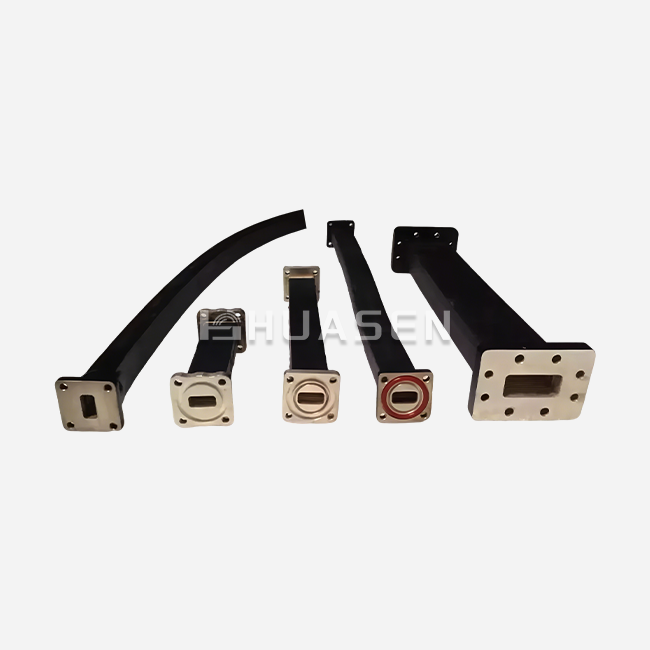
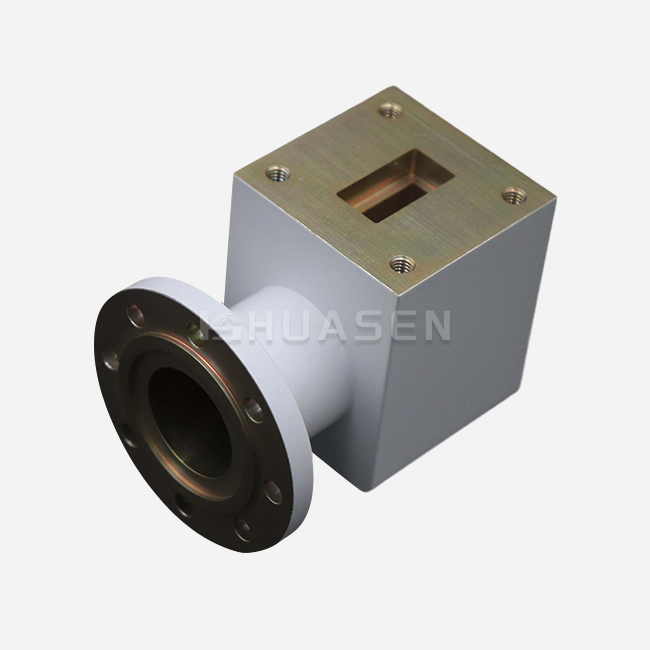
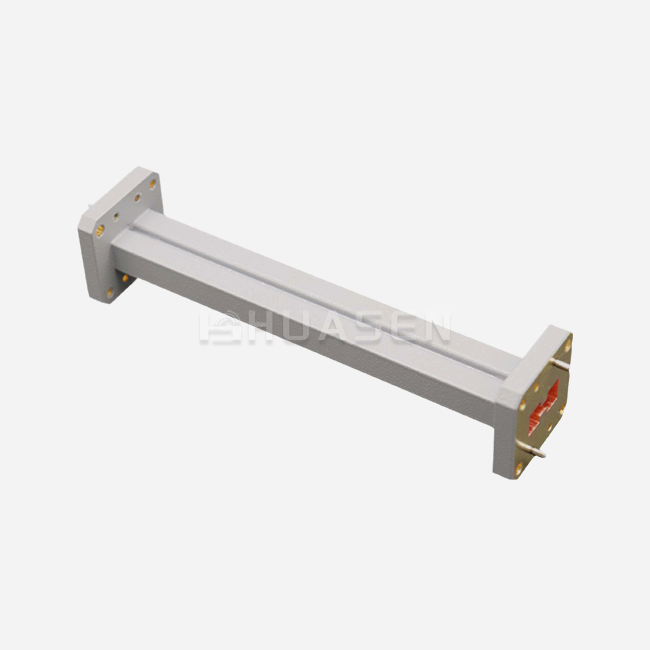
Huasen Microwave Technology delivers precision-engineered directional coupler solutions tailored to your specific application requirements. Our comprehensive product portfolio includes both microstrip and coaxial configurations designed for telecommunications, aerospace, defense, and test instrumentation applications. With over three decades of RF engineering expertise, we provide customized solutions that meet demanding performance specifications while optimizing cost and delivery schedules. Contact our technical team at sales@huasenmicrowave.com to discuss your directional coupler requirements and discover how our manufacturer capabilities can enhance your system performance and reliability.
References
1. Pozar, David M. "Microwave Engineering: Directional Couplers and Power Dividers." John Wiley & Sons, 2021.
2. Edwards, Terry C. "Foundations for Microstrip Circuit Design: Coupling Mechanisms and Applications." IEEE Press, 2020.
3. Mongia, Rajesh Kumar. "RF and Microwave Coupled-Line Circuits: Coaxial and Microstrip Implementation." Artech House, 2019.
4. Matthaei, George L. "Microwave Filters, Impedance-Matching Networks, and Coupling Structures: Design and Analysis." McGraw-Hill Professional, 2022.
5. Collin, Robert E. "Foundations for Microwave Engineering: Directional Coupler Theory and Practice." IEEE Press, 2021.
6. Gupta, K.C. "Microstrip Lines and Slotlines: Coupling Analysis and Design Guidelines." Artech House Publishers, 2020.
Send Inquiry