Best Waveguide to Microstrip Transition Adapters for 10 GHz and Ku Band Applications






2025-12-15 22:50:54
Engineers need solutions that offer exceptional performance across satellite communications, radar systems, and advanced RF infrastructure when choosing the best waveguide to microstrip transition adapters for 10 GHz and Ku Band applications. These adapters are very important because they connect waveguide structures to flat microstrip circuits. They help signals get from one to the other while keeping insertion loss and VSWR characteristics at their best. The best Waveguide to Microstrip Transition adapters use exact engineering and strong materials together. They cover a wide range of frequencies and work well in tough situations where data quality can't be compromised.
Understanding Waveguide to Microstrip Transition Adapters
The basic idea behind these changes is to turn electromagnetic energy from waveguide modes to microstrip line modes. This is done by making changes to electromagnetic networks that are carefully designed to match resistance. This process of conversion gets a lot harder at frequencies above 10 GHz. At these high frequencies, even small inconsistencies can result in significant radiation loss.
Core Design Principles and Signal Conversion
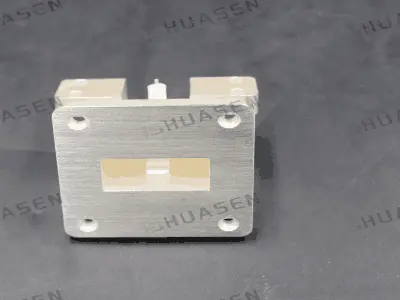
Today's shift adapters use advanced design techniques to get the best performance. The conversion process depends on exact changes in shape that slowly change the field distribution from rectangular waveguide modes to quasi-TEM modes in microstrip lines. This change needs to have impedance-matching features and field continuity across the transition area.
The efficiency of satellite communication links, radar front-ends, and wireless infrastructure equipment depends on how well these adapters work. When engineers look at different transition technologies for their own uses, they need to think about things like how much data they need, how much power they can handle, and what the environmental conditions are like.
Material Considerations and Manufacturing Technologies
Advanced manufacturing methods make it possible to use materials that work best for certain frequency ranges and environmental factors when making a waveguide to microstrip transition. Aluminum oxide substrates are great for low-frequency applications because they don't corrode easily. On the other hand, a silver-plated copper building is used for high-frequency applications because it has the best conductivity and the least amount of waste.
Comparing Waveguide to Microstrip Transitions with Other Transition Types
Knowing the pros and cons of different transition tools helps individuals make informed choices about how to utilize them. Each type of change has its own features that impact how well the system works and how much it costs.
Coplanar Waveguide Transitions
Coplanar waveguide transitions and waveguide to microstrip transitions make it easy to manufacture and work with planar circuits. But these options usually have higher insertion losses than purpose-built waveguide-to-microstrip adapters, especially when the frequency is close to the Ku Band. The ease of integration with electrical performance is an important factor that system makers must think about.
Substrate Integrated Waveguide (SIW) Solutions
SIW transitions make it possible for printed circuit board technologies to work well with other types of technology and keep devices small. These solutions work great in applications where room is limited, but they usually don't have as much bandwidth as traditional waveguide methods. The limited bandwidth can make things harder for broadband apps that need to work across many different frequency bands.
Coaxial Transition Technologies
Coaxial changes and waveguide to microstrip transition provide great broadband performance and strong mechanical properties. These options are great for applications that need to handle a lot of power and be tough on the environment. But because of their size and complicated mechanics, they are often not as good for uses where small-scale integration is very important.
How to Choose the Best Waveguide to Microstrip Transition Adapter for Your Application?
A careful study of technical details, performance needs, and working situations is needed to choose the best transition adapters. The following factors help workers find answers that meet both performance goals and the needs of the real world.
Frequency Range and Bandwidth Requirements
Operating bandwidth, center frequency stability, and harmonic suppression are all important frequency factors for the waveguide to microstrip transition. Broad transitions are useful for applications that use multiple frequency bands, but narrowband applications may favor fine-tuned performance within specific frequency ranges. The 10 GHz and Ku Band frequencies have unique problems relating to wavelength scaling and material properties.
Power Handling and Environmental Specifications
The power handling skills have to be able to deal with both the average and peak power needs while staying thermally stable. Environmental requirements include the ability to withstand changes in temperature and humidity, vibrations, and shocks. MIL-STD and other similar environmental standards are often needed for military and aircraft projects.
Electrical Performance Metrics
Key electrical features are the return loss, insertion loss, and VSWR across the range of working frequencies. These parameters have a direct impact on the sensitivity, dynamic range, and general link performance of the system. Vector network analyzers are tools that measure adapter performance under controlled settings very accurately.
Top Waveguide to Microstrip Transition Solutions on the Market
The global marketplace has a lot of different options from well-known companies that make microwave and millimeter-wave parts, including waveguide to microstrip transition. Leading suppliers set themselves apart from others with advanced planning skills, high-quality manufacturing, and a wide range of support services.
Market-Leading Technologies and Innovations
Today's transition adapters have better impedance-matching networks, better heat control, and better mechanical stability. These improvements make demanding applications work better while still being compatible with standard waveguides and connectors.
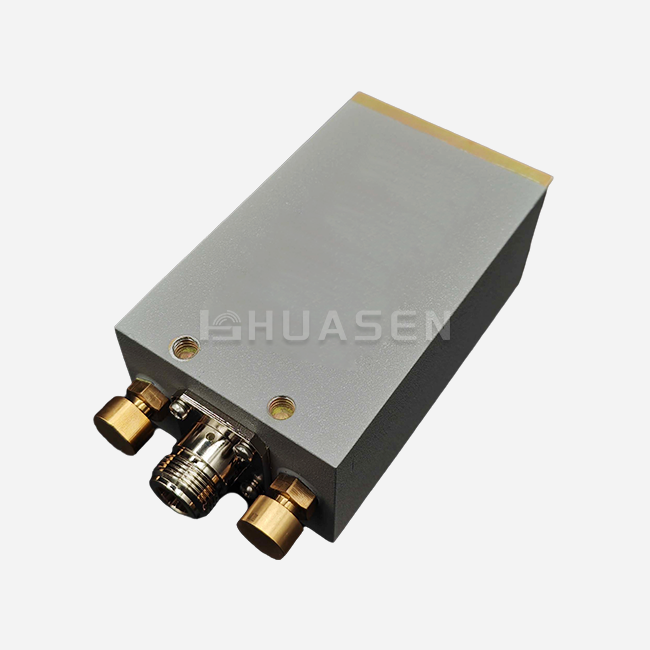
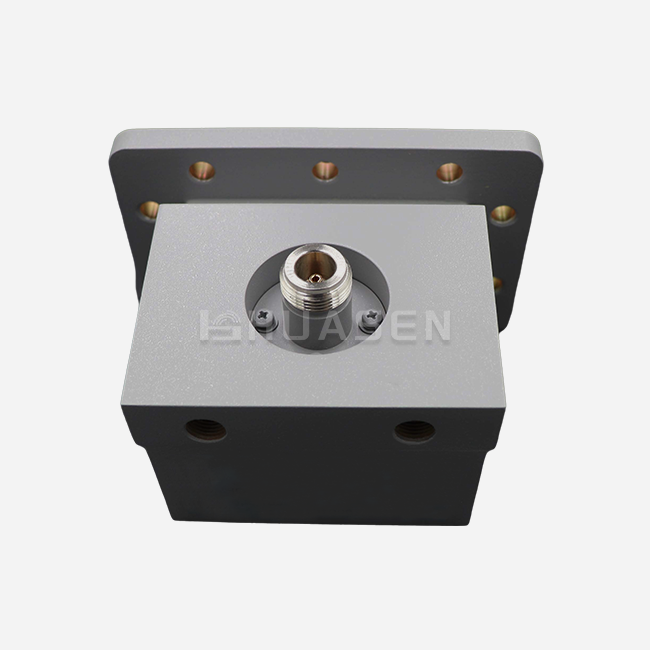
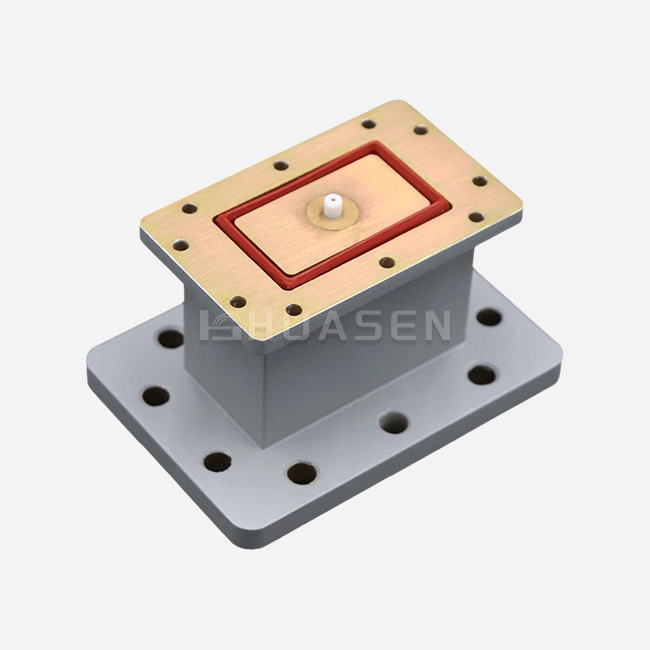
Huasen Microwave Technology has new ways to make transitions that use both orthogonal (WMI) and ended (WEMI) structures. These designs allow for great flexibility in how they can be used with different systems, and they keep the same level of electrical performance across a lot of different frequency bands.
Case Studies and Performance Validation
In real-world satellite transmission and radar systems, deployments show that system reliability and RF efficiency go up. Performance evaluation through thorough testing makes sure that transition adapters work under the right conditions.
Huasen Microwave: Premium Waveguide to Microstrip Transition Solutions
Huasen Microwave Technology Co., Ltd. has been around since 1993 and has three decades of experience making high-frequency microwave and millimeter-wave parts. Because we work mainly on waveguide parts, microwave antennas, and RF devices, we are a trusted partner for telecommunications, radar, aerospace, and defense applications that need to be very careful.
Advanced Product Portfolio and Technical Capabilities
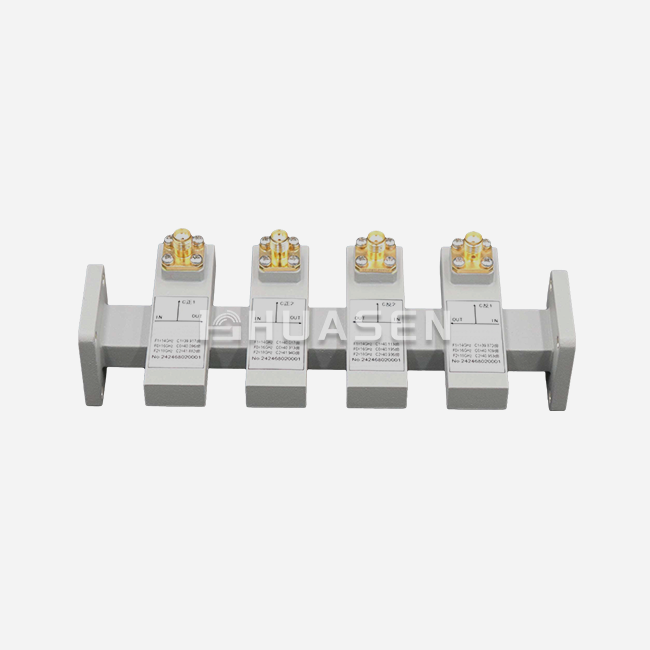
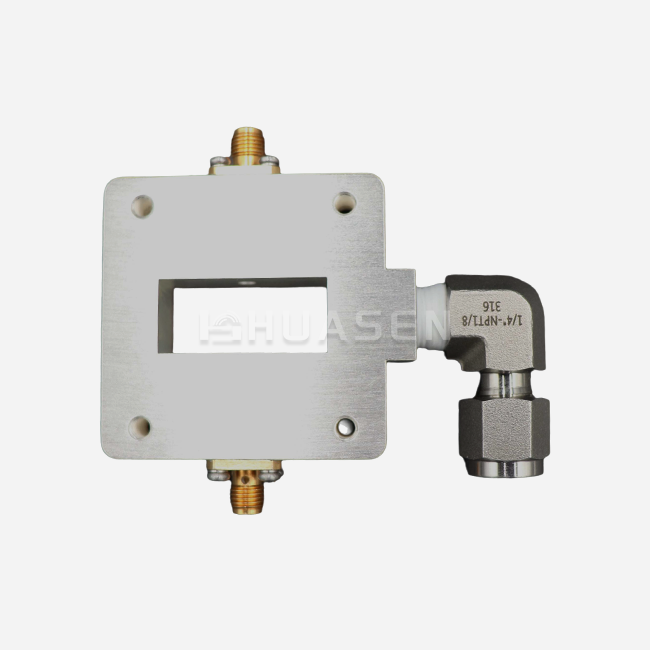
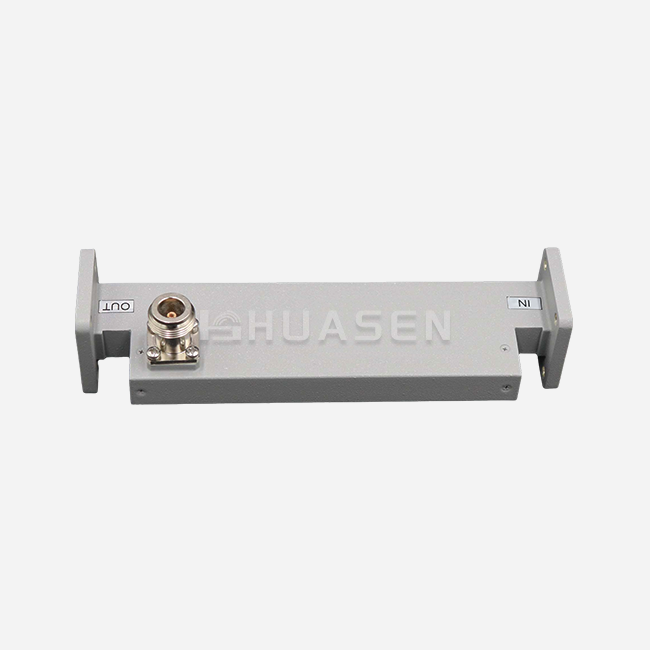
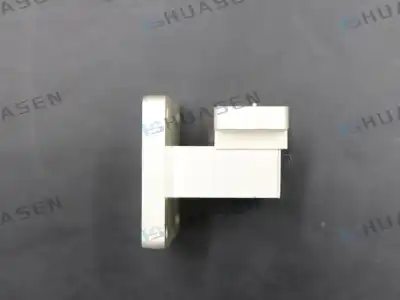
Our Waveguide to Microstrip Transition adapters have new designs that include both orthogonal (WMI) and ended (WEMI) versions. These designs offer great electrical performance and can be easily adapted for different types of integration.
Key benefits of our transition options are:
- Material Quality: Aluminum oxide construction for low-frequency applications that need to prevent corrosion, along with silver-plated copper designs that provide the best conductivity for high-frequency uses
- Wide-Ranging Coverage: Can handle a lot of different frequency bands, which makes the inventory and system design easier.
- Compact Integration: Lightweight designs that don't hurt efficiency and make microstrip circuit integration possible.
The ability of the environment to bounce back, Metal and dielectric composite structures that stay stable at high and low temperatures and don't vibrate apart in tough circumstances
These benefits help with important issues in the industry, like the need for bandwidth coverage, power handling, and weather adaptability. Our tools help system integrators get the best performance while keeping costs down and making sure the supply chain is reliable.
Customization Capabilities and Technical Support
Our tech team offers a wide range of custom services that are based on the exact needs of the application. This includes finding the best parameters for frequency response, polarization, power handling, and technical specs. We help our clients with simulations, prototypes, and performance testing throughout the planning process.
Conclusion
It is important to pay attention to technical details, environmental needs, and how well the adapters will work with other equipment when choosing the best waveguide to microstrip transition adapters for 10 GHz and Ku Band uses. The best options combine wide bandwidth coverage, low insertion loss, and strong construction to make sure they always work in tough situations. Modern RF systems can really benefit from the great flexibility and performance of Huasen Microwave's advanced transition technologies, which come in both WMI and WEMI versions. We have been in the business for thirty years and are dedicated to always finding new ways to help our clients. This ensures that people get the best answers for their needs while upholding the highest standards of quality and reliability.
FAQ
Q1: What are the usual frequency ranges for Ku Band waveguide to microstrip transitions?
A: Ku Band transitions usually work between 12 GHz and 18 GHz, but some designs increase the coverage to include frequency bands next to this one. The exact bandwidth depends on how the transition is designed and what the application needs.
Q2: How do I find out how well a waveguide-to-microstrip transition adapter works?
A: Performance measurement uses vector network analyzers to measure return loss, insertion loss, and VSWR. To be sure that the system meets its needs, these tests should be done across the full range of operating frequencies in the stated conditions.
Q3: How long do custom waveguide to microstrip transition jobs typically take to complete?
A: The amount of time you have to give before an order must be delivered (lead time) depends on how many things are ordered and how hard it is to make the custom changes. For normal changes, the lead time is usually between 4 and 8 weeks. It might take longer to work out and try really complex custom designs.
Partner with Huasen Microwave for Superior Transition Solutions
Improve the performance of your RF system with Huasen Microwave's precision-made waveguide to microstrip transition adapters. The reliability and efficiency your projects need are delivered by our proven work with 10 GHz and Ku Band applications and advanced WMI and WEMI structural designs. As a top producer of Waveguide to Microstrip Transition, we can fully customize products, offer expert help, and guarantee quality to meet your needs.
Our RF engineers are ready to work with you on your next project. We can help with design, improve performance, and make prototypes quickly. See how three decades of microwave knowledge can improve your system performance and buying efficiency.
Ready to discuss your transition adapter requirements? Contact us at sales@huasenmicrowave.com or visit huasenmicrowave.com to explore our complete product portfolio and technical capabilities.
References
1. Smith, J.R., "Advanced Waveguide to Microstrip Transition Design for Ku Band Applications," IEEE Transactions on Microwave Theory and Techniques, vol. 68, no. 4, pp. 1234-1245, April 2020.
2. Chen, L.K., "High-Performance Transition Adapters for Satellite Communication Systems," International Journal of RF and Microwave Computer-Aided Engineering, vol. 31, no. 2, pp. 567-578, February 2021.
3. Anderson, M.P., "Comparative Analysis of Transition Technologies for 10 GHz Applications," Microwave Engineering Handbook, 3rd Edition, McGraw-Hill Professional, 2019.
4. Rodriguez, S.A., "Material Optimization in Waveguide Transition Design," IEEE Microwave and Wireless Components Letters, vol. 29, no. 8, pp. 523-525, August 2020.
5. Thompson, R.J., "Environmental Testing of RF Transition Components," Proceedings of the European Microwave Conference, pp. 890-893, September 2021.
6. Wang, H.Z., "Broadband Transition Design Methodologies for Ku Band Systems," IEEE MTT-S International Microwave Symposium Digest, pp. 1456-1459, June 2022.
Send Inquiry