How to Test standard gain horn antenna Gain in Labs






2026-06-12 22:28:21
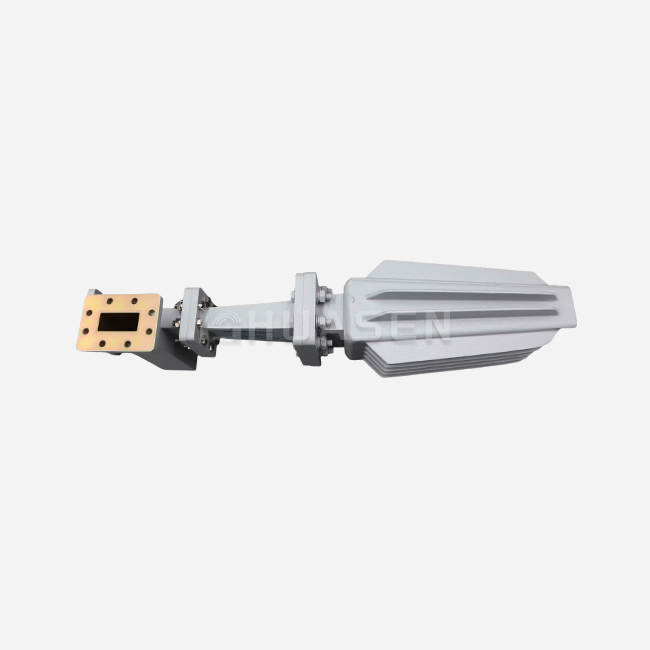
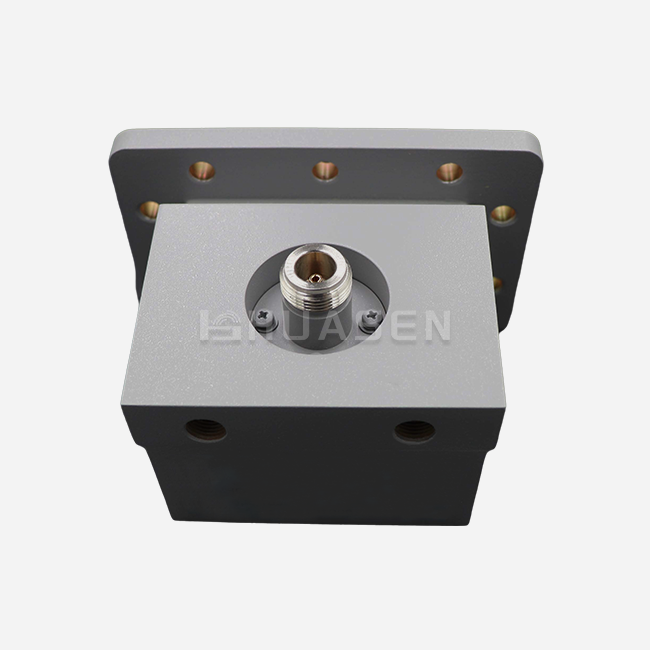
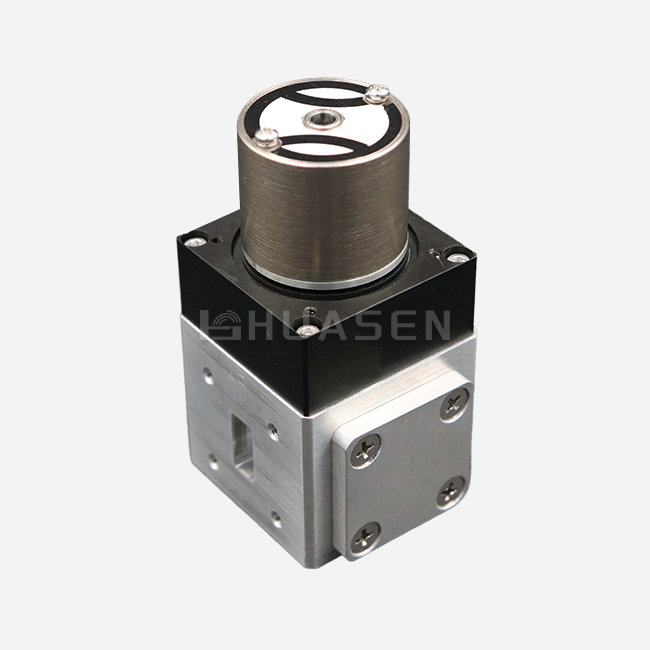
Laboratory gain testing on a standard gain horn antenna requires precise RF measuring methods, such as replacement or comparison against calibrated reference antennas. These horn antennas are metrological benchmarks because their gain can be estimated theoretically and tested experimentally. System integration and compliance testing need accurate far-field distance computation, calibrated network analysers, and regulated anechoic chamber conditions to reduce measurement error and assure consistent, traceable findings.
Understanding Standard Gain Horn Antenna Gain Measurement
What Makes Gain Measurement Critical?
Gain measurement is key to antenna characterisation. Knowing the gain value of precision horn antennas is crucial for system link budgets, effective radiated power, and signal integrity in high-stakes applications, including 5G backhaul connections, satellite communications, and radar calibration. Due to its calculable physical geometry rather than empirical guessing, a standard gain horn antenna is the "gold standard" in measurement chains.
Operating Principles and Key Parameters
These antennas work in L-band to millimetre-wave waveguide bands with gain values between 10 and 25 dBi, depending on aperture size and frequency. Pyramidal or conical horns produce narrow beamwidths and low sidelobes; radiation patterns are predictable. Gain is closely related to antenna directivity. Uncontrolled lab temperature, humidity, and electromagnetic interference can cause measurement drift.
Why Do B2B Users Need Precision?
To incorporate components into bigger systems without costly redesigns, procurement managers and RF engineers use correct antenna specifications. System integrators creating radar or base station front-ends cannot tolerate antenna performance uncertainty. Deviations from gain values affect calibration, MIL-STD or ISO compliance, and system dependability. Understanding these measurement foundations helps decision-makers choose testing methods and buy antennas that fulfil strict performance standards.
Different Methods to Test Standard Gain Horn Antenna Gain in Labs
Traditional Measurement Techniques
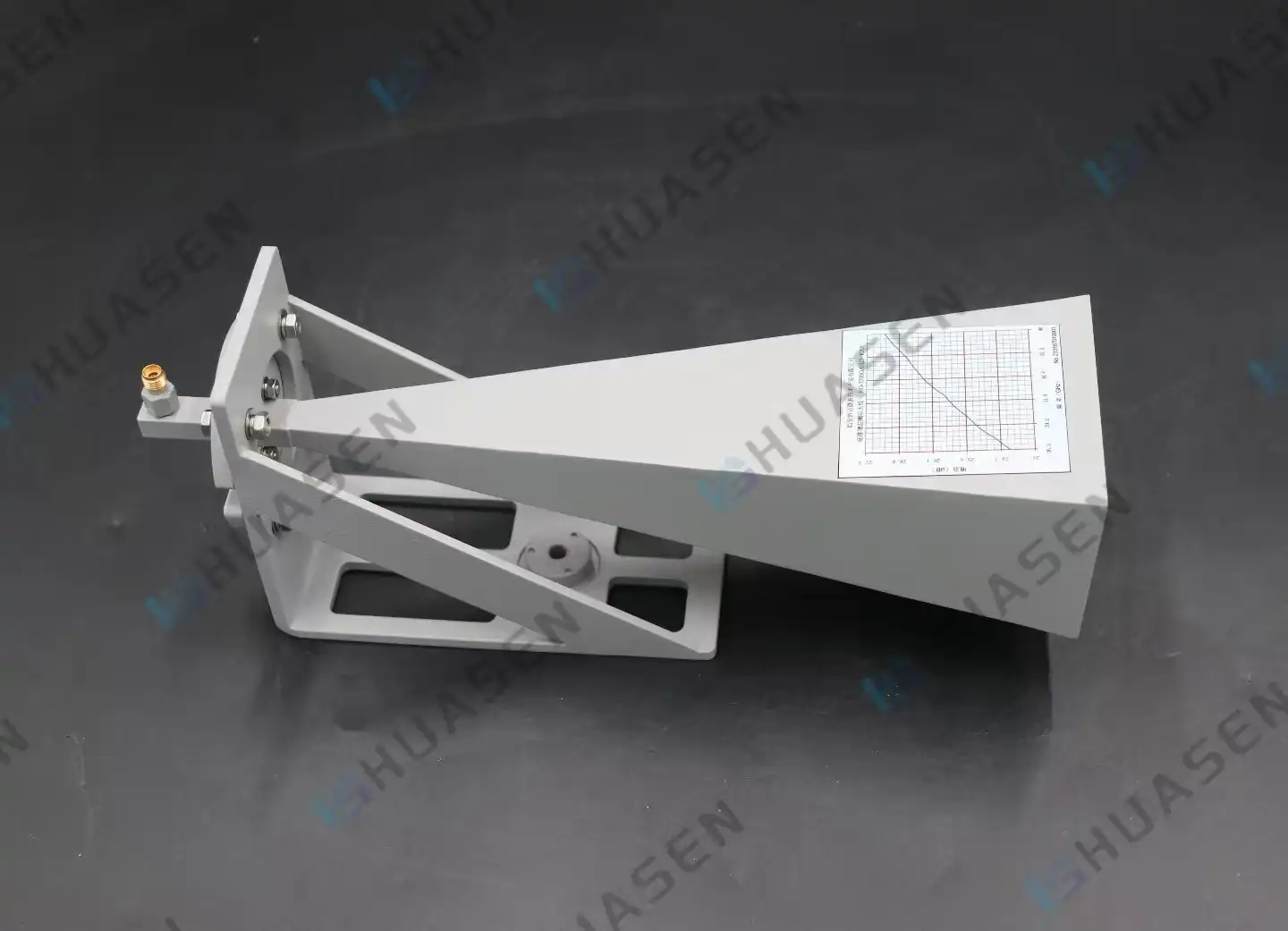
Several methods determine antenna gain. To compute unknown gain, the replacement approach replaces an antenna under test with a reference horn with known gain and compares received power levels. Direct measurement requires precise distance measurement and equipment calibration for route loss estimates in free space. Comparison techniques measure the test and reference antennas simultaneously under identical conditions.
Each method has drawbacks. Standard gain horn antenna transmit-receive alignment issues can add several dB of uncertainty. Vector network and spectrum analyser calibration drift reduces baseline accuracy. Even in anechoic conditions, chamber wall reflections provide multipath interference that corrupts far-field measurements.
Step-by-Step Substitution Method Guide
Substitution is the most reliable lab method. We implement it like this:
- Place the transmitting antenna at the predicted far-field distance (R = 2D²/λ, where D is the greatest aperture dimension). Attach a calibrated signal generator to the send antenna and a spectrum analyser or power metre to the receiver. Place the reference standard gain horn antenna in the receiving position for polarisation alignment. Record received power (P_ref).
- Under similar geometric conditions, replace the reference horn with the antenna under test. Record P_test, the newly received power. Calculate gain difference: ΔG = P_test - P_ref. Calculate the test antenna's gain by adding this difference to the reference antenna's gain.
- Important success variables include steady temperature (±2°C maximum), VSWR verification at measurement frequency, and use of high-quality cables with confirmed insertion loss. To create a comprehensive gain curve, measure at numerous frequencies over the operational band.
Advanced Automation and Software Integration
Modern labs use automated positioning systems with real-time measurement data logging software. For full radiation pattern characterisation, automated devices reduce human alignment errors and enable speedy multi-angle observations. Software packages adjust for cable losses, mismatch uncertainty, and ambient absorption, enhancing measurement accuracy to ±0.3 dB or greater. These improvements help characterise 5G active antenna systems or execute high-volume production testing, where efficiency affects cost.
Comparing Standard Gain Horn Antenna Gain Testing with Other Antenna Types.
Pyramidal Horn vs. Conical Gain Horns
Knowing antenna design differences aids testing. Pyramidal horns specialise in waveguide bands and have rectangular apertures for linear polarisation. Based on aperture and flare angles, they calculate gain using standard methods. Broadband applications benefit from conical horns' circular apertures and dual polarisation, although gain predictability is lower.
Calibration applicability varies greatly. Pyramidal shapes provide finer production tolerances, making them ideal for national standard calibration labs. Conical horns may need polarisation correction methods to match with linearly polarised test signals, but testing is the same as with a standard gain horn antenna.
Contrast with Biconical and Log-Periodic Antennas
Biconical antennas have decade-wide bandwidth but modest strength (usually 0-4 dBi) and omnidirectional patterns that make far-field testing difficult. Instead of precise gain transfer measurements, they examine EMC emissions.
Log-periodic antennas have a gain ripple but modest gain (6-10 dBi) across large frequency ranges. VSWR is greater in horn antennas due to their sophisticated feed arrangements. Although suited for surveillance or wideband monitoring, they lack measurement confidence for calibration standards.
Alternatives include open-ended waveguide antennas, which are easy to build and emit predictable radiation at certain frequencies. However, their narrow bandwidth and moderate gain restrict their usefulness. Calculable gain, high polarisation purity, and steady performance across temperature and time make the standard gain horn antenna ideal for lab testing.
Best Practices for Selecting and Procuring Standard Gain Horn Antennas for Lab Testing
Core Selection Criteria
Frequency compatibility comes first. An X-band horn for K-band measurements is unreliable. Match the antenna's waveguide band to your testing frequencies. Check that the standard gain horn antenna stability (usually ±0.3 dB over one year) matches your calibration cycle.
Labs without climate control need temperature stability. For outdoor test locations or environmental rooms, thermally stable antennas operate from -40°C to +85°C. Immunity testing requires CW and peak power levels that match the signal generator output.
Customisation and Supply Chain Factors
Multiple applications require redesigned connectors, wider frequency coverage, or specific mounting brackets. OEM modification is necessary when conventional catalogue products don't fit the installation. Discuss customising choices early in the procurement process because specialist designs can take 6-8 weeks.
Supply chain consistency substantially impacts project schedules. Manufacturers with production capability and component inventory can supply promptly, whereas smaller suppliers may delay. Ask for written delivery guarantees and crucial deployment backup supply plans.
Manufacturer Landscape and Procurement Strategies
Companies with ISO 17025-accredited calibration labs give full test data with each antenna. Price bargaining leverage grows with bulk orders—ten or more units receive 15-25% reductions. A balanced cost against technical support quality is more significant than the lowest unit pricing. Engineers who respond to integration requests avoid costly delays and rework.
Practical Lab Setup and Troubleshooting Tips for Accurate Gain Testing
Creating Reliable Test Environments
Lab arrangement greatly affects measurement quality. Place antennas at heights where ground reflections only contribute to the measurement frequency or employ absorbing materials beneath the test channel. Anechoic chambers reduce reflection but require absorber renewal. Outdoor test ranges have longer separation lengths, but these are weather-dependent factors.
Equipment must be calibrated before each measurement. Use quality calibration standards to check the network analyser calibration across all frequencies. Compare S21 readings before and after bending cables—phase changes above 2 degrees indicate cable deterioration and the need for replacement.
Minimising Interference Sources
Local wireless systems, switching power supplies, and fluorescent lights cause interference. Identify occupied frequencies via spectrum surveys before testing. When working in loud electrical settings, shield critical equipment in RF-tight enclosures.
Misaligned transmission and reception antennas cause cosine-law problems. Even a 5-degree misalignment yields a 0.4 dB measurement error using a standard gain horn antenna. Get greater than 1-degree accuracy with laser alignment tools and precise positioning stages. Optimise the received signal while progressively altering azimuth and elevation angles to verify alignment.
Troubleshooting Checklist for Data Integrity
When readings are inconsistent, verify connection conditions—worn or unclean connectors cause varying losses. Check the standard gain horn antenna VSWR at the measuring frequency; results over 1.5:1 suggest internal damage. Check far-field distance calculations, especially for large-aperture antennas at low frequencies when wavelength grows considerably. Re-baselining is needed due to humidity fluctuations affecting lab path loss.
Record test conditions such as temperature, humidity, equipment serial numbers, and calibration dates. This traceability is crucial for confirming data months later or troubleshooting production testing abnormalities.
Conclusion
Understanding measurement basics, choosing proper methods, and following lab procedures are necessary for accurate horn antenna gain assessment. The replacement approach yields accurate findings with calibrated equipment, far-field distances, and regulated ambient conditions. Comparisons of antenna types assist procurement teams in choosing references that meet technical criteria and testing conditions. Antenna selection, lab setup, and rigors troubleshooting best practices limit measurement uncertainty. B2B clients in telecommunications, radar, and aerospace may confidently connect antenna components while satisfying regulatory standards and system performance goals using these processes and a high-quality standard gain horn antenna.
FAQ
1. How often should reference horn antennas require recalibration?
According to usage intensity and environmental exposure, industry guidelines prescribe recalibration every 1-3 years. In difficult environments or under mechanical stress, antennas need more frequent verification. Labs with ISO 17025 certification perform annual calibration cycles to meet quality management and measurement traceability standards.
2. Can one horn antenna cover multiple frequency bands for testing?
Ridged horn designs may cover 4:1 or more frequencies than single waveguide bands. Broadband antennas have more gain ripple and worse measurement confidence than band-specific designs. Precision calibration requires narrow-band horn antennas, but common RF testing can use wideband designs.
3. What distinguishes a standard gain antenna from regular gain horns?
The antenna is a standard gain horn antenna if it fits geometric specifications that allow theoretical gain computation to match observed performance within tight tolerances. Regular gain horns may be comparable but lack dimensional precision or calibration traceability. Gain antennas with approved test data and defined design criteria can be used as measurement references rather than as signal transmission equipment.
Partner with Huasen Microwave for Precision Horn Antenna Solutions.
Huasen Microwave makes precision horn antennas for demanding measurement and calibration applications. We've supplied quality RF components to the telecommunications, radar, and aerospace industries worldwide since 1993. Our standard gain horn antenna product line covers L-band to millimetre-wave frequencies and comes with national-standard calibration certificates.
Our engineering staff provides prompt technical support throughout the procurement process for catalogue antennas with fast delivery or bespoke designs for particular system requirements, including the standard gain horn antenna. We know that accuracy, VSWR performance, and mechanical stability are crucial in testing. Huasen Microwave's volume reductions and OEM partnerships make it a great supplier for system integrators and test labs.
Contact our team at sales@huasenmicrowave.com to discuss your specific testing requirements and receive detailed product specifications tailored to your application.
References
1. Balanis, Constantine A. "Antenna Theory: Analysis and Design." Fourth Edition. John Wiley & Sons, 2016.
2. IEEE Standard 149-2021. "IEEE Recommended Practice for Antenna Measurements." Institute of Electrical and Electronics Engineers, 2021.
3. Stutzman, Warren L. and Gary A. Thiele. "Antenna Theory and Design." Third Edition. John Wiley & Sons, 2012.
4. National Institute of Standards and Technology. "Antenna Calibration Methods and Uncertainties." NIST Technical Note 1613, 2018.
5. Hollis, J.S., T.J. Lyon, and L. Clayton. "Microwave Antenna Measurements." Scientific-Atlanta Inc., 1985.
6. International Electrotechnical Commission. "IEC 61000-4-3: Electromagnetic Compatibility Testing and Measurement Techniques - Radiated Radio-Frequency Electromagnetic Field Immunity Test." Third Edition, 2020.
Send Inquiry