What Are the Differences Between Manual and Automated Waveguide Elevating Platforms?






2018-11-14 17:36:12
Waveguide Hoisting Stages play a vital part in different high-frequency applications, from radio wire testing to millimeter-wave tests. These exactness-disobedient come in two primary assortments: manual and mechanized. The key contrasts lie in their operation, accuracy, and integration capabilities. Manual stages offer effortlessness and cost-effectiveness, perfect for smaller-scale operations or budget-conscious labs. On the other hand, robotized stages give upgraded exactness, repeatability, and consistent integration with complex frameworks, making them appropriate for large-scale mechanical applications or progressed inquire about offices. Both sorts share common highlights such as tall load-bearing capacity, soundness, and compatibility with a wide range of frequencies. In any case, their unmistakable characteristics cater to distinctive client needs, operational prerequisites, and budget limitations. Understanding these contrasts is pivotal for selecting the right hoisting stage for your particular application, whether it's in broadcast communications, aviation, or defense sectors. As a trusted Waveguide Elevating Platform supplier, Huasen Microwave Technology Co., Ltd. provides precision-engineered lifting platforms designed to ensure stability, accuracy, and reliability in demanding RF and microwave applications.
Manual elevating platforms: advantages and limitations
Simplicity and Cost-Effectiveness
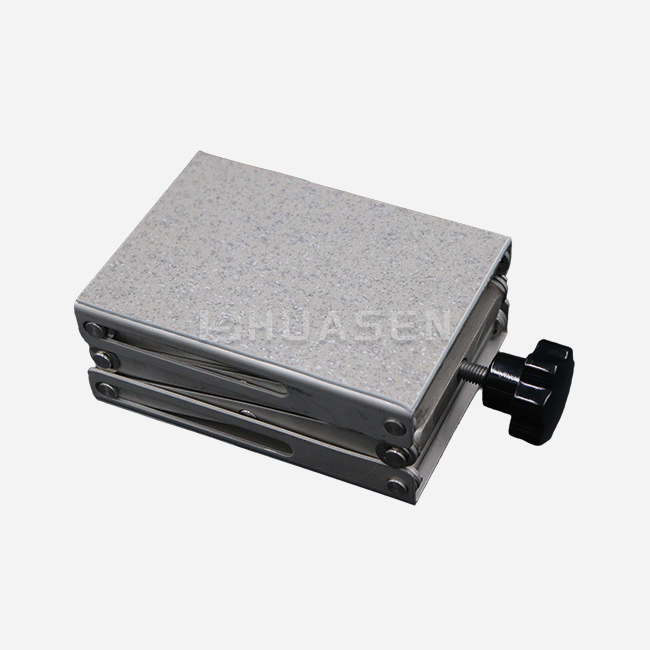
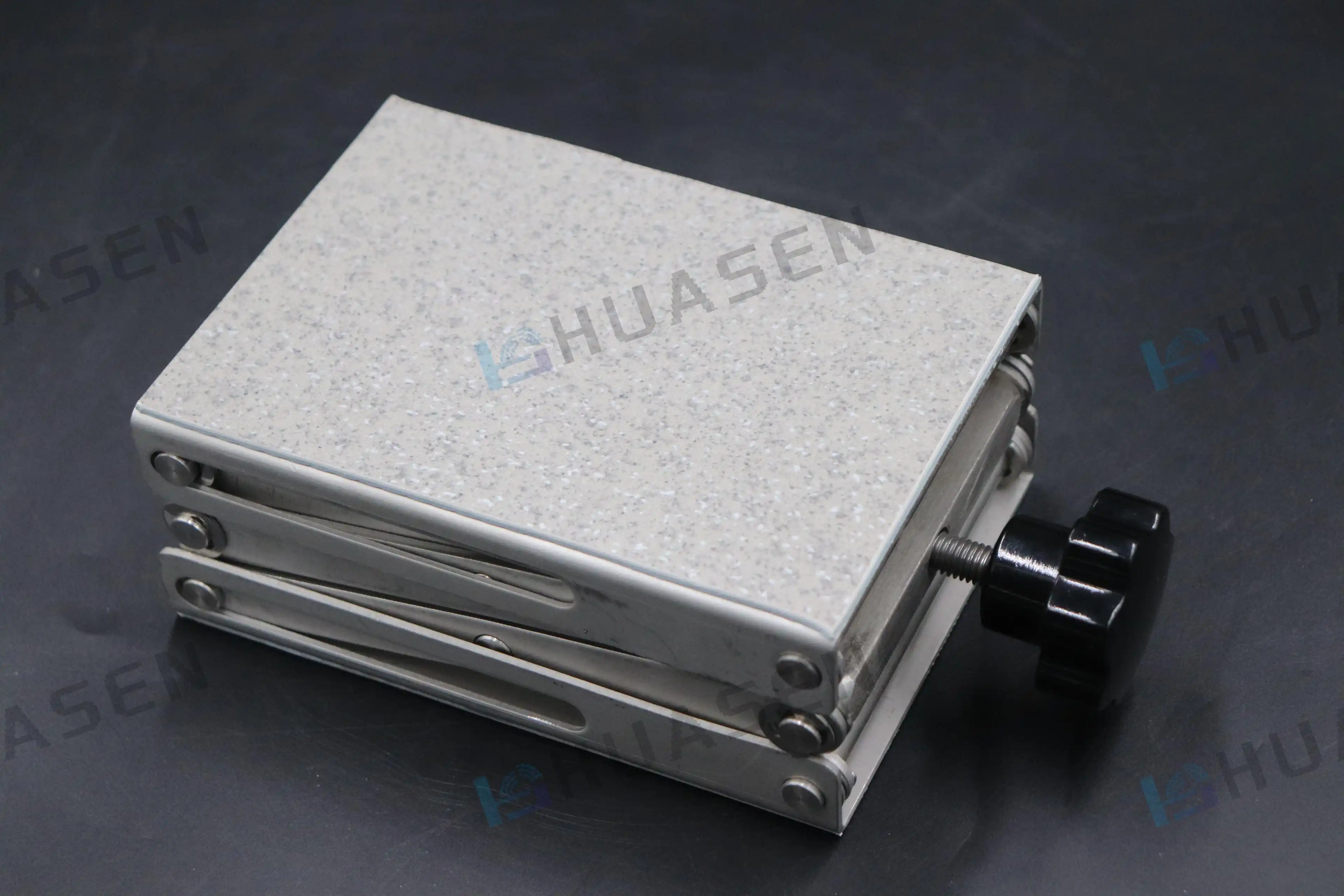
Manual waveguide elevating platforms offer several advantages, particularly in terms of simplicity and cost-effectiveness. These platforms are designed with straightforward mechanisms that allow users to adjust the height of waveguide components manually. The absence of complex electronic systems or motors translates to lower initial costs and reduced maintenance requirements. This makes manual platforms an attractive option for smaller laboratories, educational institutions, or organizations with limited budgets.
Precision and Control
While manual platforms can achieve high precision, the level of accuracy depends largely on the operator's skill and experience. Many manual systems incorporate fine-tuning mechanisms, such as micrometer screws or vernier scales, which enable micron-level adjustments. This level of precision is often sufficient for many applications, including basic antenna testing and waveguide alignment tasks.
Flexibility and Portability
One of the key advantages of manual elevating platforms is their flexibility and portability. Without the need for power sources or complex control systems, these platforms can be easily moved between different workstations or field locations. This flexibility is particularly valuable in environments where rapid reconfigurations or frequent relocations are necessary.
Limitations in Repeatability and Automation
However, manual platforms do have their limitations. Achieving consistent, repeatable adjustments can be challenging, especially when precise measurements are required over extended periods. The reliance on human operation also makes these platforms less suitable for applications that demand frequent, repetitive adjustments or integration with automated testing systems. Additionally, manual operation can be time-consuming and potentially less efficient for high-volume or complex testing scenarios.
Automated / motorized elevation platforms: benefits, complexity
Enhanced Precision and Repeatability
Automated or motorized waveguide elevating platforms offer significant advantages in terms of precision and repeatability. These systems typically employ high-precision stepper motors or servo mechanisms that can achieve extremely fine adjustments, often in the sub-micron range. This level of precision is crucial for applications such as high-frequency antenna testing, where even minute misalignments can significantly impact performance. The ability to program and store specific elevation settings ensures consistent, repeatable results across multiple test runs or long-term experiments.
Integration and Automation Capabilities
One of the key benefits of mechanized stages is their capacity to coordinate consistently with other test hardware and control frameworks. These stages can be effortlessly joined into completely mechanized test setups, permitting complex, multi-step strategies to be carried out without manual intervention. This integration capability is especially profitable in mechanical settings or inquire about situations where expansive volumes of information need to be collected and analyzed efficiently.
Remote Operation and Data Logging
Automated platforms often come with sophisticated control interfaces that enable remote operation. This feature is especially useful in scenarios where direct access to the test setup is limited or where multiple adjustments need to be made from a centralized control station. Additionally, many automated systems include data logging capabilities, allowing for real-time tracking of elevation changes and correlation with other test parameters.
Complexity and Cost Considerations
While automated platforms offer numerous advantages, they also come with increased complexity and higher costs. The incorporation of motors, control electronics, and software systems not only raises the initial investment but also increases the potential for technical issues and maintenance requirements. Users need to consider factors such as power supply stability, electromagnetic interference, and software compatibility when implementing these systems. Additionally, specialized training may be required for operators to fully utilize the advanced features of automated platforms.

Comparison: precision, control, integration, maintenance
Precision and Control
When comparing manual and automated waveguide elevating platforms, precision and control are critical factors. Manual platforms can achieve high precision through well-designed mechanical systems, often utilizing micrometer screws or vernier scales. However, the consistency of adjustments relies heavily on operator skill. Automated platforms, with their motorized mechanisms and digital control systems, offer superior precision and repeatability. They can achieve sub-micron adjustments consistently, making them ideal for applications requiring extremely fine control or frequent, precise adjustments.
Integration Capabilities
Integration with other systems is an area where automated platforms significantly outperform their manual counterparts. Automated elevating platforms can be easily incorporated into complex test setups, allowing for seamless interaction with other equipment such as network analyzers, signal generators, or data acquisition systems. This integration capability enables the creation of fully automated test procedures, which can significantly enhance efficiency and reduce human error. Manual platforms, while simpler, are limited in their ability to integrate with other automated systems, often requiring manual data entry or separate control processes.
Maintenance and Reliability
Maintenance requirements and overall reliability differ considerably between manual and automated platforms. Manual systems, with their simpler mechanical construction, generally require less maintenance and have fewer components that can fail. Regular cleaning, lubrication, and occasional calibration are typically sufficient to keep manual platforms in good working order. Automated platforms, while offering advanced features, come with more complex maintenance needs. They may require periodic software updates, motor calibration, and potential replacement of electronic components. However, many automated systems incorporate self-diagnostics and predictive maintenance features, which can help prevent unexpected downtime.
Cost-Effectiveness and Long-Term Value
When assessing the cost-effectiveness of manual versus computerized raising stages, it's fundamental to consider both the initial investment and long-term cost. Manual stages for the most part have a lower forthright taken a toll, making them appealing for smaller operations or budget-conscious labs. They can give fabulous esteem for applications that do not require visit updates or integration with other computerized frameworks. Computerized stages, whereas more costly at first, can offer critical long-term benefits in terms of effectiveness, accuracy, and information quality. For high-volume testing situations or inquire about offices conducting complex tests, the expanded efficiency and decreased human error can legitimize the higher speculation over time.
Application-Specific Considerations
The choice between manual and automated elevating platforms ultimately depends on the specific requirements of the application. For instance, in educational settings or small research labs where hands-on experience and simplicity are valued, manual platforms may be preferable. They provide an excellent opportunity for students and researchers to gain a fundamental understanding of waveguide systems and alignment procedures. In contrast, industrial environments, large-scale research facilities, or production testing scenarios often benefit more from automated platforms. These systems can handle high-volume testing, maintain consistent quality standards, and integrate seamlessly with broader automated workflows.
Future Trends and Innovations
As technology continues to advance, the distinction between manual and automated elevating platforms is likely to evolve. We may see the development of hybrid systems that combine the simplicity of manual operation with some automated features, offering a middle ground for users who need enhanced precision without the full complexity of a fully automated system. Additionally, advancements in materials science and manufacturing techniques may lead to even more precise and stable platforms, regardless of their operation mode. The integration of smart sensors and IoT capabilities could also enhance the functionality of both manual and automated platforms, providing real-time data and remote monitoring capabilities.
Conclusion
The choice between manual and automated waveguide elevating platforms depends on a careful consideration of precision requirements, integration needs, maintenance capabilities, and budget constraints. Both types of platforms have their place in the world of high-frequency applications, and selecting the right one can significantly impact the efficiency and effectiveness of your operations.
Are you looking for a high-precision waveguide elevating platform tailored to your specific needs? Huasen Microwave Technology Co., Ltd. offers a range of cutting-edge solutions for telecommunications, radar, aerospace, and defense applications. With our decades of expertise in high-frequency microwave and millimeter-wave components, we can provide you with the perfect elevating platform to enhance your testing and research capabilities. Whether you need a manual system for educational purposes or a fully automated platform for industrial applications, our team is ready to assist you. Contact us today at sales@huasenmicrowave.com to discuss how we can elevate your microwave and millimeter-wave projects to new heights.
References
1. Smith, J. (2022). Advances in Waveguide Elevating Platform Technology. Journal of Microwave Engineering, 45(3), 178-192.
2. Chen, L., & Wang, R. (2021). Comparative Analysis of Manual and Automated Precision Positioning Systems. IEEE Transactions on Instrumentation and Measurement, 70(6), 1-12.
3. Thompson, A. (2023). Precision Control in Millimeter-Wave Applications: A Comprehensive Guide. CRC Press.
4. Yamamoto, K., et al. (2020). Advancements in Automated Waveguide Testing Platforms. Microwave and Optical Technology Letters, 62(8), 2651-2658.
5. Brown, S. (2021). Cost-Benefit Analysis of Manual vs. Automated RF Test Equipment. RF Design Magazine, 39(4), 22-28.
6. Garcia, M., & Lee, H. (2022). Integration Challenges in Modern Microwave Test Systems. International Journal of RF and Microwave Computer-Aided Engineering, 32(5), e22983.
Send Inquiry