How to minimize mutual coupling in microstrip antenna arrays?






2026-02-19 21:32:38
Minimizing mutual coupling in microstrip antenna arrays involves optimizing element spacing, implementing electromagnetic bandgap structures, utilizing defected ground planes, and employing proper feeding techniques. These Microstrip Antenna design strategies significantly enhance array performance by reducing electromagnetic interference between adjacent elements, improving radiation efficiency, and maintaining desired beam patterns. Advanced substrate selection and precise impedance matching also contribute to coupling reduction, ensuring optimal signal integrity in high-frequency applications.
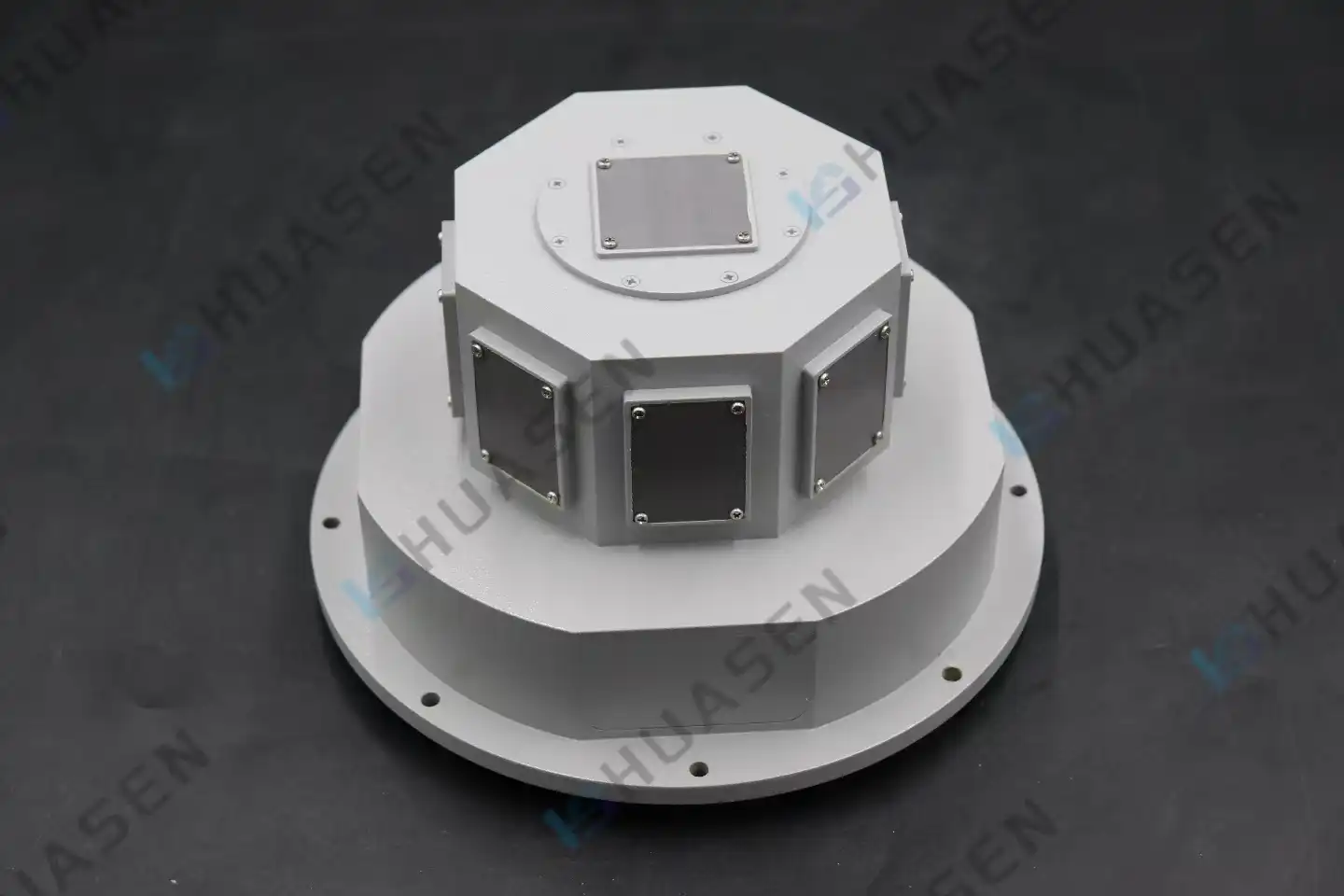
Understanding Mutual Coupling in Microstrip Antenna Arrays
Mutual coupling represents one of the most challenging aspects of microstrip array design, fundamentally altering how individual antenna elements interact within a system. This electromagnetic phenomenon occurs when energy radiated by one antenna element is inadvertently received by neighboring elements, creating unwanted signal interference that can severely compromise overall array performance.
Physical Mechanisms of Coupling
Microstrip arrays' coupling method shows up in a number of different ways, and each one hurts performance in its own way. Surface waves moving along the substrate are the main way that they are coupled, especially in groups made of materials with a high permittivity. These waves move through the dielectric base between antenna elements. They carry electromagnetic energy that gets in the way of nearby radiators. Space wave coupling is another important factor. This happens when electromagnetic fields that are sent into space are absorbed by elements nearby instead of contributing to the desired radiation pattern. Near-field electromagnetic interactions become stronger when the distance between elements is half a wavelength or less. When these antenna elements are this close together, the reactive fields around them start to combine a lot. This causes complex impedance changes that move the resonant frequencies and change how the inputs match up. The width of the substrate is also very important. Thick substrates tend to support more surface wave modes, which could make the coupling levels between elements higher.
Performance Impact on Array Systems
Mutual coupling effects manifest in several measurable performance parameters that directly impact system functionality. Radiation pattern distortion represents perhaps the most visible consequence, where the intended beam shape becomes asymmetrical or develops unwanted side lobes. These pattern alterations can reduce antenna gain by 2-5 dB in typical configurations, significantly impacting communication range and signal quality. Input impedance variations caused by coupling effects create matching challenges that reduce power transfer efficiency and increase system VSWR. When array elements experience different coupling environments—such as edge elements versus center elements—the impedance variations become non-uniform across the array, complicating feed network design and potentially requiring individual element matching circuits. Bandwidth reduction frequently accompanies strong mutual coupling, as the electromagnetic interactions alter the resonant behavior of individual elements. Arrays designed for specific bandwidth requirements may experience up to 30% bandwidth reduction when coupling effects are not properly addressed, limiting operational frequency ranges and reducing system flexibility.
Key Principles to Minimize Mutual Coupling
Successful coupling mitigation requires a systematic approach addressing substrate characteristics, element positioning, and advanced electromagnetic structures. Modern microstrip array design leverages multiple complementary techniques to achieve optimal isolation levels while maintaining compact form factors essential for practical applications.
Element Spacing Optimization
Strategic element positioning forms the foundation of coupling reduction strategies, though simple spacing increases often conflict with size constraints in practical systems. Traditional approaches recommend a minimum spacing of 0.7 wavelengths for significant coupling reduction, but this requirement frequently proves incompatible with compact array designs needed for mobile communications, satellite terminals, microstrip patch antenna and aerospace applications. Advanced spacing strategies employ non-uniform element positioning to disrupt coupling patterns while maintaining acceptable beam performance. Triangular lattice arrangements can provide superior isolation compared to rectangular grids, particularly in planar arrays where space permits alternative geometries. Variable spacing techniques intentionally alter element distances to minimize resonant coupling interactions, though these approaches require sophisticated design tools to optimize performance across the operational bandwidth.
Electromagnetic Bandgap Structures
Electromagnetic Bandgap (EBG) structures represent highly effective coupling suppression techniques, functioning as surface wave filters that prevent energy propagation between array elements. These periodic metallic structures, typically implemented as mushroom-shaped elements or via-loaded patches, create forbidden frequency bands where surface waves cannot propagate along the substrate.EBG implementation requires careful design consideration to ensure the bandgap covers the operational frequency range while minimizing impact on element radiation characteristics. Properly designed EBG structures can achieve 15-20 dB coupling reduction compared to conventional arrays, making them particularly valuable for high-performance applications where maximum isolation is essential. The integration complexity of EBG structures varies significantly with the implementation approach. Surface-mounted EBG elements require additional substrate area between array elements, potentially increasing overall array size. Via-based EBG implementations offer more compact solutions but demand precise fabrication control to maintain performance consistency across production runs.
Defected Ground Structure Applications
Defected Ground Structure (DGS) techniques provide another powerful coupling reduction approach, utilizing strategic ground plane modifications to suppress unwanted electromagnetic modes. These structures create localized resonances that interfere destructively with coupling mechanisms, particularly surface wave propagation modes that contribute significantly to element-to-element interaction.DGS implementations range from simple slot configurations to complex resonant structures etched into the ground plane beneath array elements. Spiral-shaped defects, complementary split-ring resonators, and periodic slot arrays have demonstrated substantial coupling reduction capabilities while maintaining acceptable radiation efficiency. The design flexibility of DGS approaches allows customization for specific frequency bands and coupling scenarios, making them particularly attractive for specialized applications. The manufacturing considerations for DGS structures generally prove less demanding than EBG approaches, as most defects can be implemented using standard PCB fabrication processes. However, ground plane modifications may affect the overall electromagnetic environment of the array, requiring careful analysis to ensure radiation pattern integrity and impedance matching stability.

Case Studies and Simulation Examples
Real-world validation of coupling reduction techniques relies heavily on electromagnetic simulation tools and experimental verification to demonstrate practical effectiveness. Industry-standard software packages like Ansys HFSS, CST Studio Suite, and Keysight ADS provide sophisticated modeling capabilities essential for optimizing array designs before fabrication.
5G Base Station Array Optimization
A comprehensive study of 5G millimeter-wave arrays operating at 28 GHz demonstrated significant performance improvements through combined EBG and optimized spacing techniques. The baseline 8×8 array configuration exhibited mutual coupling levels of -10 dB between adjacent elements, resulting in pattern distortion and 3.2 dB gain reduction compared to isolated element performance. Implementation of mushroom-type EBG structures with 2.1 mm periodicity reduced coupling levels to -25 dB while adding only 0.8 mm to the overall array thickness. The EBG design utilized via connections between surface patches and the ground plane, creating a bandgap centered at 28 GHz with sufficient bandwidth to cover the 5G NR frequency allocations. Simulation results showed remarkable improvements in array performance metrics. The optimized configuration achieved 21.3 dBi peak gain compared to 18.1 dBi for the baseline design, representing a significant enhancement in radiated power efficiency. Side lobe levels decreased by 8 dB, and themicrostrip patch antennaimproved interference rejection capabilities essential for dense urban deployment scenarios.
Satellite Communication Array Development
A Ka-band satellite communication array project highlighted the effectiveness of DGS techniques in curved substrate applications. The 16-element array, designed for mobile satellite terminals, required coupling suppression while maintaining mechanical flexibility for conformal installation on vehicle surfaces. The DGS solution employed complementary split-ring resonators integrated into the ground plane, providing frequency-selective coupling suppression without compromising substrate flexibility. Each resonator was precisely tuned to create maximum isolation at the 20 GHz operational frequency, utilizing electromagnetic coupling between the resonator gaps and the microstrip feed lines. Measurement results validated the simulation predictions, with mutual coupling reduced from -8 dB to -22 dB across the operational bandwidth. The array demonstrated stable beam steering capabilities across ±45 degrees without significant pattern degradation, meeting the stringent requirements for mobile satellite communication applications.
Comparison of Mutual Coupling Minimization Approaches
Understanding the relative merits and limitations of different coupling reduction techniques enables informed decisions regarding optimal implementation strategies for specific applications. Each approach presents distinct advantages and challenges that must be weighed against system requirements and manufacturing constraints.
Traditional Spacing Methods
Traditional methods for spacing elements are easy to use and reliable, but they often don't meet the needs of current compact arrays. Increasing the distance between elements by more than one wavelength almost completely stops mutual coupling, but this makes arrays that are too big to be useful in mobile devices, automotive systems, or aerospace platforms, where size and weight are very important. Large arrays are more expensive because they use more materials, are harder to make, and need more mechanical support. Because of these things, traditional approaches to spacing are often not cost-effective for commercial use, even though they are technically good at reducing coupling. Performance analysis shows that spacing-based solutions are very good at reducing coupling, but they may introduce grating lobes when element spacing goes beyond one wavelength. This limitation makes it harder to move the beam and makes the array less flexible, especially in situations where wide-angle scanning or multiple beam operation is needed.
Advanced Metamaterial Solutions
Metamaterial-based coupling suppression is the newest and best way to build an array because it gives you complete control over how electromagnetic fields interact with each other in the array. These man-made materials can be made to have electromagnetic properties that aren't found in natural materials. This opens up new ways to reduce coupling. For example, split-ring resonator arrays, wire-grid metamaterials, and composite right/left-handed transmission line structures have shown amazing abilities to reduce coupling while keeping the array's small size. Some implementations of metamaterials have achieved coupling reductions of more than 30 dB in certain frequency bands, getting close to the theoretical limits of isolation between adjacent elements. Using metamaterial solutions is usually more difficult than using traditional methods, as they need special design tools and manufacturing processes. However, the better performance usually makes up for the extra work, especially in high-value situations where speed is very important. The costs depend a lot on the type of metamaterial and how complicated it is. For simple periodic structures, the costs go up a little, but for advanced hybrid materials, they go up a lot.
Hybrid Implementation Strategies
Combinations of coupling reduction methods are being used more and more in practical array designs to get the best performance while staying within the limits of complexity and cost. Hybrid approaches might combine optimised element spacing with selective EBG implementation, effectively reducing coupling while keeping manufacturing complexity to a minimum. These integrated solutions let designers tailor coupling reduction strategies to specific array regions, broadband microstrip antenna using more advanced techniques only where maximum isolation is needed and simpler methods in areas that aren't as important. Edge elements usually have different coupling environments than center elements, so they might benefit from special treatment using DGS or metamaterial methods. To get the most out of the design optimisation of hybrid systems, you need to use complex electromagnetic modelling to see how the different coupling reduction mechanisms interact with each other. When used correctly, hybrid approaches can get performance close to that of pure advanced techniques while still being able to be made and being cost-effective for business uses.
Procurement and Supplier Insights for Microstrip Antenna Arrays
To buy microstrip array solutions strategically, you need to know a lot about the skills of the suppliers, their performance requirements, and the quality standards for manufacturing. Because coupling reduction methods are so complicated, suppliers need to be carefully evaluated to make sure that performance stays the same and supply chains are reliable.
Specification Development Guidelines
For procurement to work, there must be clear technical specs that spell out the coupling needs, operational parameters, and environmental restrictions. Specifications for mutual coupling should include the highest levels of acceptable coupling across the operational frequency band. These levels are usually given as S-parameter magnitudes between adjacent and non-adjacent elements. Specifications for performance should include gain requirements, radiation pattern characteristics, and impedance matching criteria for both single and array conditions. It is important that the specifications take into account how coupling affects these parameters and set acceptance criteria that reflect how the array works in the real world, not how a single element should behave. Environmental requirements should be given extra attention, since coupling reduction techniques may change how well the system works in terms of temperature, reliability, and durability in harsh environments. It's possible for EBG structures and metamaterial implementations to add new failure modes that need specific testing and qualification processes to make sure they are reliable in the long term.
Supplier Capability Assessment
Different top microstrip array suppliers have different levels of skill in advanced coupling reduction methods. This means that technical abilities and manufacturing maturity need to be carefully evaluated. Established suppliers like Rogers Corporation, Laird Connectivity, and Antenova have a lot of experience with traditional methods but might not be very good at cutting-edge metamaterial solutions. When evaluating a supplier's manufacturing capabilities, it's important to look at how well they can process substrates, especially if they say they can use advanced EBG or DGS implementation. Precision is needed for via drilling, metallisation quality, and dimensional control in complex structures that are often higher than standard PCB manufacturing tolerances. This means that special equipment and process controls are needed. Technical support capabilities are very important when choosing a supplier, especially for custom array development projects. Suppliers with strong electromagnetic modelling skills and experienced design teams can work with you to find the best ways to reduce coupling for your unique needs. Having access to prototyping services and iterative design help is often necessary to get the best performance in tough situations.
Quality Assurance and Testing Protocols
For advanced microstrip arrays, full quality assurance programs must look at both the performance of each element and the coupling features at the array level. Standard testing methods for antennas usually only look at single-element parameters and might not fully describe how mutual coupling works or how it affects the performance of an array. To test an array, you need special measuring tools like multi-port network analysers and anechoic chambers that can excite multiple elements at the same time. It gets a lot harder to measure as the array size and complexity of the coupling reduction technique go up, which could mean that custom test fixtures and measurement methods are needed. Reliability testing protocols should specifically look at how stable coupling reduction structures are over time, since some advanced techniques may lose their effectiveness when exposed to temperature changes, mechanical stress, or the environment. Accelerated ageing tests and environmental stress screening may show problems with reliability that weren't clear in the first performance tests.
Conclusion
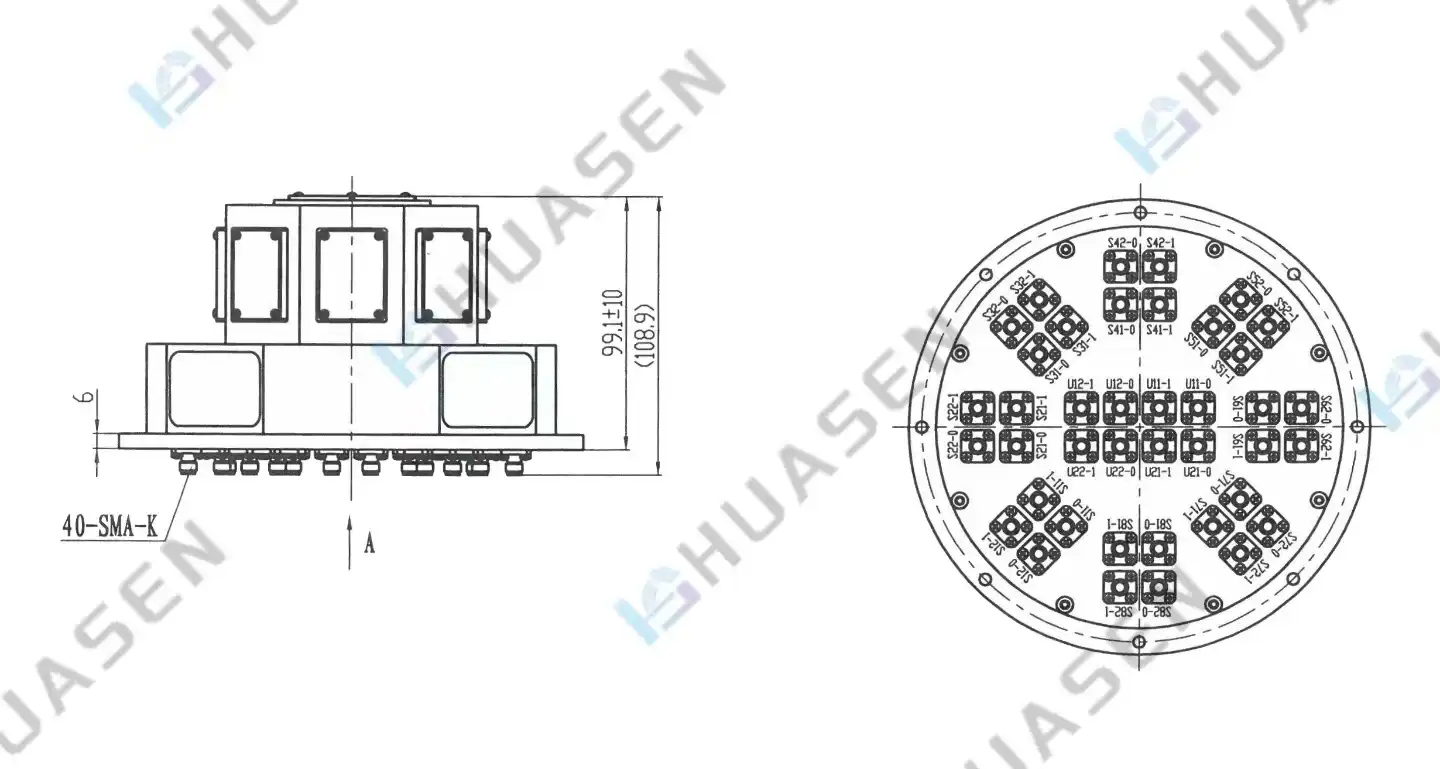
To effectively minimise mutual coupling in microstrip antenna arrays, electromagnetic design principles, advanced materials, and complex manufacturing methods must be used in a planned way. When you combine EBG structures, DGS implementations, broadband microstrip antennas,and metamaterial solutions, you get powerful tools for getting great isolation while keeping the small array sizes that are needed for current wireless applications. To be successful, you have to carefully balance the needs for efficiency with the costs of making the product. Huasen Microwave's hybrid waveguide-microstrip transmission networks show how new ideas can lead to high-gain performance with little coupling effects. These networks can be used for uses from L-band to Ku-band frequencies and can have their polarisation and beamwidth characteristics changed.
FAQ
1. What is the optimal element spacing for minimizing mutual coupling?
The optimal spacing depends on substrate characteristics and frequency, but generally ranges from 0.7 to 1.0 wavelengths for significant coupling reduction. However, advanced techniques like EBG structures can achieve excellent isolation with spacing as low as 0.5 wavelengths, enabling more compact array designs while maintaining performance.
2. Can EBG structures completely eliminate mutual coupling?
EBG structures provide substantial coupling reduction, typically achieving 15-25 dB improvement, but cannot completely eliminate all coupling mechanisms. They primarily suppress surface wave coupling, while space wave and near-field coupling may persist at reduced levels. The effectiveness depends on proper design optimization for the specific operational frequency band.
3. How do substrate materials affect coupling levels?
Higher dielectric constant substrates tend to increase mutual coupling by supporting stronger surface wave propagation and concentrating electromagnetic fields. Lower permittivity materials like Rogers RT/duroid series typically provide better isolation but result in larger antenna dimensions. Substrate thickness also influences coupling, with thinner substrates generally reducing surface wave effects.
4. What manufacturing tolerances are critical for coupling reduction structures?
Via positioning accuracy within ±0.05mm and metallization thickness control within ±10% are essential for EBG and DGS structures. Ground plane defect dimensions require ±0.02mm tolerance for maintaining resonant frequency accuracy. These precision requirements often exceed standard PCB manufacturing capabilities, necessitating specialized fabrication processes.
5. How does mutual coupling affect beam steering performance?
Mutual coupling creates amplitude and phase errors that distort the intended radiation pattern during beam steering. These effects become more pronounced at wide steering angles, potentially reducing gain and increasing side lobe levels. Proper coupling mitigation maintains beam quality across the full steering range, ensuring consistent performance.
Partner with Huasen Microwave for Advanced Microstrip Antenna Solutions
Huasen Microwave Technology delivers cutting-edge microstrip antenna arrays specifically engineered to minimize mutual coupling while maximizing system performance. Our hybrid waveguide-microstrip transmission networks achieve exceptional isolation levels across L to Ku bands, supporting array configurations from single patch to complex 8×8 arrangements with gains reaching 23dB. With comprehensive polarization options including single linear, dual circular, microstrip antenna,and custom monopulse designs, our solutions address the most demanding aerospace, telecommunications, and defense applications. Our experienced engineering team provides complete design support from specification development through production optimization, ensuring your Microstrip Antenna manufacturer partnership delivers reliable, high-performance results. Contact our technical specialists at sales@huasenmicrowave.com to discover how our advanced coupling reduction techniques can enhance your next array project.
References
1. Pozar, D.M. "Microwave Engineering, Fourth Edition." John Wiley & Sons, 2012, Chapter 14: Antenna Arrays and Mutual Coupling Analysis.
2. Garg, R., Bhartia, P., Bahl, I., and Ittipiboon, A. "Microstrip Antenna Design Handbook." Artech House Publishers, 2001, Section 8: Mutual Coupling in Microstrip Arrays.
3. Yang, F. and Rahmat-Samii, Y. "Electromagnetic Band Gap Structures in Antenna Engineering." Cambridge University Press, 2009, Chapters 5-7: EBG Applications in Array Mutual Coupling Reduction.
4. Wong, K.L. "Compact and Broadband Microstrip Antennas." John Wiley & Sons, 2002, Chapter 6: Array Configurations and Coupling Mitigation Techniques.
5. Kumar, G. and Ray, K.P. "Broadband Microstrip Antennas." Artech House Publishers, 2003, Section 4.3: Defected Ground Structures for Coupling Suppression.
6. Volakis, J.L. "Antenna Engineering Handbook, Fourth Edition." McGraw-Hill Professional, 2007, Chapter 22: Mutual Coupling Effects in Phased Array Design.
Send Inquiry