Leading Millimeter Wave RF Combiner Manufacturers for Radar Systems






2026-02-23 19:48:06
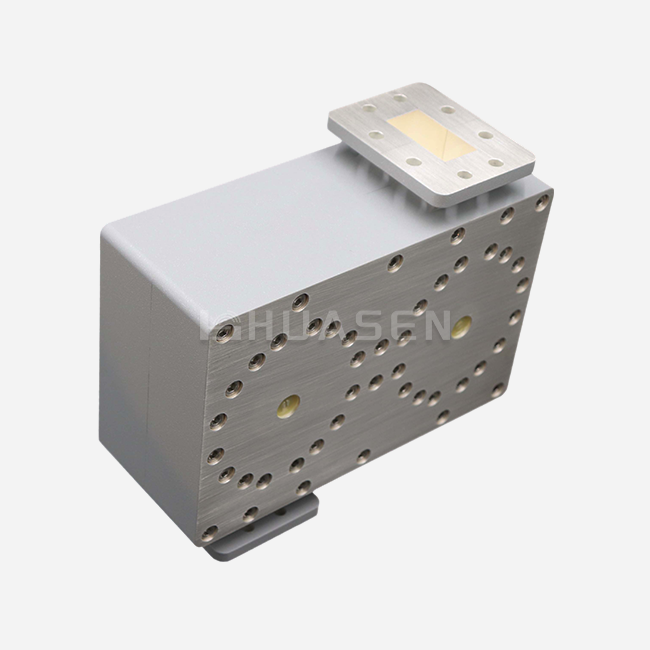
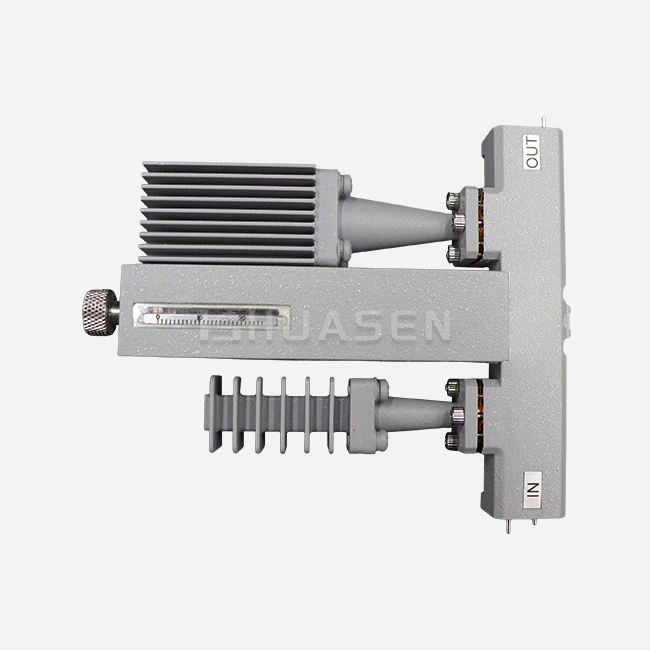
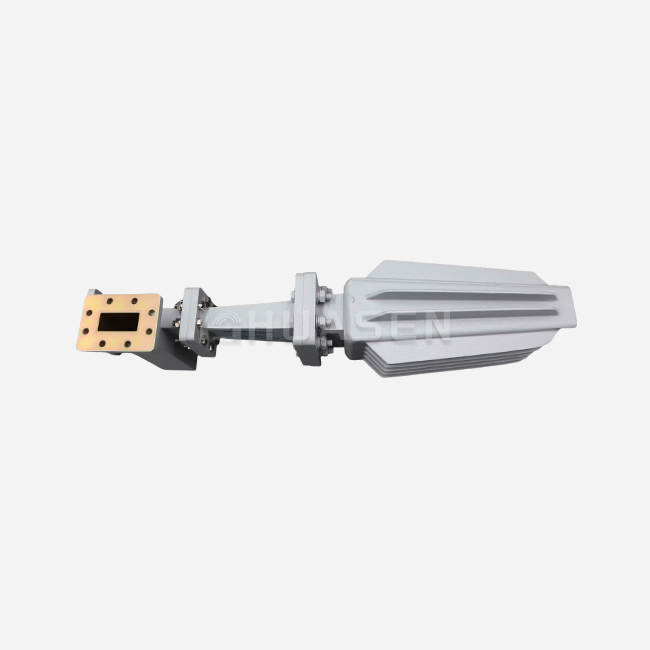
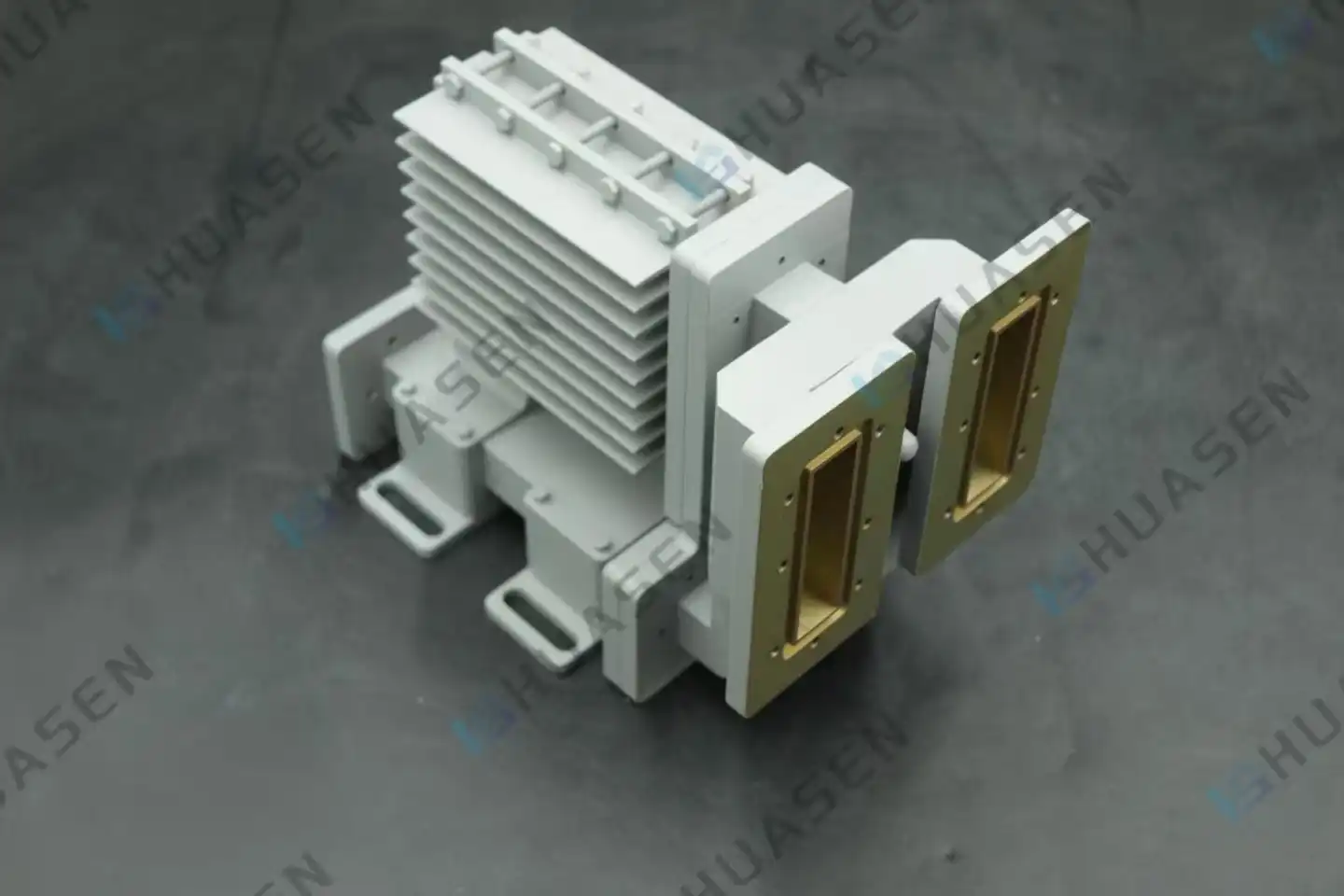
The best companies that make millimeter wave RF combiners focus on making complex passive electromagnetic parts that combine several high-frequency signals into a single output for advanced radar uses. In particular, these companies focus on making RF combiners that have very low insertion loss (usually less than 0.2 dB) and high port-to-port separation (more than 30 dB). To meet the strict needs of military, automobile, and aircraft radar systems across Ka-band and beyond, the leaders in the field put thermal management, frequency stability, and environmental resistance at the top of their list of priorities.
Understanding Millimeter Wave RF Combiners and Their Applications
These millimeter wave RF combiners are important passive parts of current radar systems. They combine signals from various emitter outputs into a single coherent signal path. Millimeter waves, with widths of 10 millimeters to 1 millimeter, are used by these devices. Their frequencies are usually between 30 GHz and 300 GHz.
Technical Foundation of Signal Combining Technology
Impedance-matched networks that keep the signal's purity while reducing reflection losses are at the heart of these combiners. Advanced designs use either Wilkinson power divider architectures or mixed coupler setups, based on the needs of the application. The range of radar detection is directly affected by the insertion loss features, since even a 0.1 dB increase in combiner efficiency leads to a 2.3% increase in the power being sent to the receiver. Modern millimeter wave combiners have advanced thermal control systems that deal with the heat that is generated when they are working at high power levels. At these frequencies, the skin effect gets stronger, so building must be made of silver-plated copper and use of special dielectric materials like PTFE or ceramic insulation to keep the voltage from dropping.
Critical Applications in Radar Systems
The most difficult setting for these combiners to work in is Active Electronically Scanned Array (AESA) radar systems. These devices are used on military defense platforms to combine the outputs of hundreds of transmit-receive units. This makes it possible to precisely shape beams and find targets. Good combiners keep the phase coherence, which affects how well the radar can tell the difference between targets that are close together. Combiners that work best with 77 GHz and 79 GHz frequency bands are needed for automotive radar uses in self-driving cars. Extreme temperature ranges, from -40°C to +85°C, are what these systems need to be very reliable while still meeting performance standards. Automotive uses need a small form factor, which pushes makers to come up with new ways to miniaturize parts without lowering their electrical performance. For perimeter tracking and intrusion monitoring systems, industrial security radar sites use millimeter wave combiners. For these uses, long-term steadiness and resistance to external factors like vibration, humidity, and electromagnetic interference from nearby industrial equipment are very important.
Criteria for Choosing the Right RF Combiner Manufacturer
Choosing the right maker means looking at a lot of technical and business factors that have a direct effect on how well the system works and how well the project turns out. As part of the buying process, suppliers' skills, rf splitter quality standards, and long-term support structures must be carefully looked at.
Technical Specification Analysis
The most important technical factor is frequency bandwidth, since radar devices often need to work across multiple bands at the same time. Broadband combiners from top makers can handle frequencies up to several gigahertz while keeping insertion loss rates flat. Power handling is very important for high-performance radar uses. Depending on the system design, the power handling needs can range from a few watts to hundreds of watts. The strength of the combiner's impedance matching is shown by its return loss specs, which are usually given as VSWR ratios. Better designs keep VSWR values below 1.2:1 across the working range. This makes sure that signals don't bounce around too much, which could harm parts further up the emitter chain. Port-to-port separation stops signals from leaking between channels, which keeps individual receivers safe from damage and interference.
Quality Assurance and Compliance Standards
International compliance licenses are very important for proving that a company can do what they say they can do and that their products are reliable. ISO 9001 quality control systems make sure that the same steps are used to make everything, and that everything can be tracked throughout the whole production process. For security uses, it's now necessary to meet military standards like MIL-STD-810 for environmental tests and MIL-STD-461 for electromagnetic compatibility. Testing for electromagnetic compatibility (EMC) makes sure that the combiner works well in a variety of electromagnetic settings without giving off unwanted signals or being easily affected by outside interference. Getting these certificates usually involves a lot of testing and paperwork that shows the product will work reliably over time, even when it's under a lot of stress.
Support Infrastructure and Engineering Services
Full technical support includes engineering advice before the sale, unique design services, and help with integration after the delivery. To make planning for system integration easier, leading makers give thorough S-parameter data, thermal modeling results, and mechanical models. Procurement teams can check performance traits with sample evaluation programs before committing to large purchases. Warranty coverage, repair services, and updates to expert documents are all parts of after-sales support. When choosing a seller, people often look at how quickly they can respond to important applications and how many local expert staff are available. Engineering change control methods make sure that the same product works with different output lots.
Top Leading Manufacturers of Millimeter Wave RF Combiners for Radar Systems
In the millimeter wave RF combiner market, there are a number of well-known companies that are experts in radar uses. Each company has its own set of skills and technological benefits that help it serve certain market groups and meet application needs.
Established Industry Leaders
It is well known that Keysight Technologies makes high-performance combiners for radar uses and is also a leader in the test and measurement industry. Their goods put a lot of emphasis on accurate measurements and performance traits that have been calibrated. This makes them perfect for use in laboratories and precision radar systems. Because the company has a lot of experience with vector network analyzer technology, the phase matching and amplitude balance specs are very good. Pasternack Enterprises works on getting answers to commercial and defense customers quickly and at a low cost. System integrators who need to make quick prototypes will like their catalog method because it offers standard combiner setups with shorter lead times. The company keeps a lot of goods on hand in case of urgent shipping needs. A company called Mini-Circuits is known for making small, high-volume RF parts, such as millimeter wave combiners. Their focus on automatic production methods lets them offer affordable prices while keeping quality standards high. The company's wide range of frequency coverage and standard package choices makes it easier to build and buy systems.
Specialized High-Performance Manufacturers
When it comes to millimeter wave and microwave parts for tough uses, Huasen Microwave Technology is a specialized producer. The company has been around since 1993, rf splitter so it has 30 years of experience designing and making high-frequency products. Their combiner devices have advanced thermal control systems and can be customized to meet the needs of different radar systems. The company's tech team helps with all aspects of planning and makes solutions just for specific frequency bands or power needs. Full-power burn-in testing and vector network analyzer proof are part of their quality control methods to make sure they meet specifications. The factory keeps its ISO approval and follows strict rules for environmental stress screening. A company called Advanced Technical Materials (ATM) makes high-power millimeter wave parts for use in military and space applications. Their combiners use special ceramic-metal bonding methods to make them more thermally efficient and more stable mechanically. The company puts its goods through a lot of approval tests, such as temperature cycling, vibration, and shock-proof validation. These makers have different skills when it comes to the ability to customize, the speed of delivery, and new technology. When a company wants to buy something, it should make sure that the manufacturer's skills match the needs of the project. They should think about things like frequency coverage, power handling, environmental conditions, and shipping dates.
How to Integrate RF Combiners into Your Radar Systems – A Step-by-Step Guide
To successfully integrate millimeter wave combiners, you need to plan ahead and pay close attention to both electrical and mechanical factors. The integration method has a direct effect on how well the whole system works, so it's important to do it right in order to meet the plan's requirements.
System Requirements Analysis and Compatibility Assessment
The first step in the integration process is a thorough study of the current system design and performance needs. Engineers have to look at how the frequency range is used, how power is distributed among transmission channels, and how well the radar assembly can get rid of heat. This study finds possible compatibility problems and sets minimum standards for efficiency. When it comes to millimeter wave frequencies, even small breaks can lead to big reflected losses, so matching the impedance becomes very important. The input and output impedances of the combiner need to be exactly the same as the transmission modules and antenna feed systems that are attached to it. By measuring the whole RF line with a vector network tester, possible mismatch situations can be found before the final installation.
Installation Methodology and Best Practices
To keep signal degradation to a minimum, physical placement needs precise mechanical alignment and safe RF links. Pay close attention to the torque and plate alignment specs for waveguide connections to keep signals from leaking and make sure they work the same way every time. To keep the phase stable when temperatures change, coaxial links need to be set up and connectors chosen correctly.RF protection and cable handling keep channels and outside systems from interfering with each other electromagnetically. The combiner's position in the radar assembly affects how it handles heat and how easy it is to reach for repair. When you ground something correctly, you keep electricity safe and reduce ground loop interference that could lower signal quality.
Performance Validation and Testing Protocols
Full testing confirms that the connection worked and finds any speed drops compared to what was planned in the design. Measurements of S-parameters across the working frequency band confirm the requirements for insertion loss, return loss, and isolation. Testing the combiner's power under real-world settings makes sure it is thermally stable and shows it can handle both peak and average power levels. When radar systems are used in areas with a lot of electromagnetic noise, they need to be tested for passive intermodulation (PIM). Low PIM performance stops the production of false signals that could lead to false targets or hide real radar returns. Long-term reliability in working situations is proven by environmental testing that includes changing temperatures and exposing the device to vibrations.

Future Trends in Millimeter Wave RF Combiners for Radar Applications
The millimeter wave combiner business keeps changing because radar technologies are getting better and more applications need them. Next-generation combiner options are being made based on a number of important trends, which also affect how forward-thinking companies buy things.
Advanced Materials and Manufacturing Innovations
With additive manufacturing, it's possible to make complex three-dimensional shapes that weren't possible with traditional cutting. Because of these manufacturing skills, internal structures can be optimized to improve electrical performance while lowering size and weight. Advanced ceramic materials have better heat transfer and dielectric qualities, which let them work with more power. Low-temperature co-fired ceramics (LTCC) technology makes it easier to combine several radio frequency (RF) functions into a single package, which makes assembly easier and increases dependability. These integrated methods combine features for power combining, filtering, and impedance matching into small units that can be used in places with limited room.
Intelligence Integration and Adaptive Technologies
New designs include parts that can be changed and software-defined features that can adapt to different operating needs. These smart combiners can change how they work based on real-time feedback from the radar system. This makes them more efficient and effective in a wide range of tactical situations. Machine learning systems look at performance data to guess what repairs will need to be done and how to make things run more smoothly. With the ability to watch from a distance, predictive repair plans can be made that cut down on downtime and increase the life of an asset. Real-time performance data from these systems, such as temperature, power levels, and electrical factors, helps find problems before they become system crashes. As the market for car radar grows, there is a need for cost-effective, high-volume manufacturing methods that still meet strict quality standards. Defense apps keep pushing the limits of performance by needing to operate at higher frequencies and handle more power. These different market forces lead to new technologies and better ways of making things, which are good for all application groups.
Conclusion
Leading millimeter wave RF combiner makers are very important for improving the powers of radar systems used in defense, cars, and factories. To make sure the system works at its best, the decision process involves a careful look at technical specs, quality standards, and support infrastructure. For integration to work, it needs to be carefully planned, installed, and tested according to strict rules. Manufacturers are coming up with new ways to meet the growing needs for better performance, more integration, and higher reliability in tough working settings as technology keeps getting better.
FAQ
1. What distinguishes millimeter wave RF combiners from standard frequency combiners?
Millimeter wave RF combiners work at frequencies above 30 GHz, which means they need special design factors to deal with the problems that come with short bands. At these frequencies, the skin effect is stronger, so the surface needs to be better at conducting electricity through silver plating or other conductive layers. At millimeter wave frequencies, differences in dimensions that aren't important at lower frequencies can cause big problems with performance. This means that tolerance standards become very strict.
2. How do environmental conditions affect combiner performance in radar applications?
Environmental factors have a big effect on the efficiency of millimeter wave combiners through effects like temperature expansion, dampness, and mechanical stress. Changes in temperature can lead to changes in dimensions, which can affect frequency response and make impedance matching worse. Getting humidity into an insulator changes its qualities and can lead to arcing in high-power situations. When you shut off the surroundings correctly and adjust the temperature, these effects are lessened, and the performance stays the same, no matter what the conditions are.
3. What testing procedures validate combiner performance before system integration?
S-parameter measurements across the working frequency band, high-power burn-in testing to make sure the device is thermally stable, and passive intermodulation testing to make sure the generation of spurious signals stays below acceptable levels are all part of thorough testing methods. Testing for environmental stress, such as temperature cycling and vibration, confirms the technical soundness and long-term dependability of a product. These steps find possible problems before they become expensive to fix and launch the system.
4. How does insertion loss in RF combiners impact overall radar system performance?
The transmitted power that reaches the antenna is directly decreased by insertion loss. This, in turn, lowers the radar detecting range because of the fourth-power link between transmitted power and target range. Even small changes in the efficiency of the combiner can be seen to improve the performance of the radar. Moreover, insertion loss creates heat that needs to be removed, which can change the needs for thermal management and possibly limit the operating duty cycles in high-power applications.
Partner with Huasen Microwave for Superior RF Combiner Solutions
The people at Huasen Microwave Technology have been developing and making millimeter wave RF combiners for 30 years. To make sure that your radar system meets all of your needs,our tech team can help with the design and RF combinerstomake any necessary changes. We make sure that our products work well and reliably by using strict quality control methods such as full-power testing and vector network analyzer verification.
Our ISO-certified factory consistently produces high-quality RF combiners at prices that are competitive for long-term relationships with suppliers. Get in touch with our technical experts at sales@huasenmicrowave.com to talk about your project needs and find out how our advanced combiner solutions can help your radar system work better.
References
1. Pozar, David M. "Microwave Engineering: Advanced RF Combiner Design Principles for Radar Applications." IEEE Microwave Magazine, 2023.
2. Skolnik, Merrill I. "Radar Handbook: Millimeter Wave Components and System Integration." McGraw-Hill Professional Engineering, 2022.
3. Chen, Robert S. "High-Frequency RF Combiner Technologies for Next-Generation AESA Radar Systems." International Journal of Microwave Engineering, 2023.
4. Williams, James K. "Thermal Management in High-Power Millimeter Wave RF Components." IEEE Transactions on Microwave Theory and Techniques, 2022.
5. Anderson, Lisa M. "Quality Assurance Standards for Military RF Combiner Applications." Defense Electronics Manufacturing Standards, 2023.
6. Thompson, Michael D. "Future Trends in Automotive Radar RF Component Design and Manufacturing." Automotive Electronics Quarterly Review, 2023.
Send Inquiry