RF Test Bench Layout Optimization for Waveguide Calibration Kits






2026-02-23 19:48:04
RF test bench plan optimization for waveguide calibration kits is an important part of microwave testing infrastructure that has a direct effect on the accuracy of measurements and the performance of the system. Setting up the test setting correctly is important for making sure that the vector network analyzer is calibrated correctly and that signal loss and external interference are kept to a minimum. Waveguide calibration kit parts, like precision loads, short circuits, Waveguide Calibration Kit, and transmission line standards, are placed in a way that makes it possible to take exact S-parameter readings at millimeter-wave frequencies. Layout optimization that works well cuts down on regular mistakes and improves repeatability in high-frequency testing situations.
Introduction
Waveguide calibration kits are basic, precise tools that make accurate RF testing possible in many fields, from building next-generation 5G infrastructure to testing defense systems in space. Optimizing the layouts of RF test benches is a key factor that has a direct effect on the accuracy of measurements, the speed of testing, and the general performance of the system. A well-organized test setting gets rid of systematic mistakes and improves the purity of the signal during the calibration process. It's important for procurement managers, test engineers, distributors, and OEM clients to fully understand how the right layout design affects their business choices and operations. The order of the test bench and the accuracy of the measurements have an impact on the time it takes to make new products, the rules for quality control, and finally, the success of complicated RF projects. Professional testing settings depend on clear, reliable calibration methods to make sure that precise measurements are used to determine whether a product will work and be ready for the market. Modern RF systems are getting more complicated, so they need more advanced ways to be calibrated that can handle bigger frequency ranges, higher power levels, and stricter accuracy standards. Technical teams can get the most out of their investment in precision instruments and get reliable, traceable test results if they understand these optimization principles.

Understanding Waveguide Calibration Kits and Their Role in RF Test Benches
Essential Components and Configuration
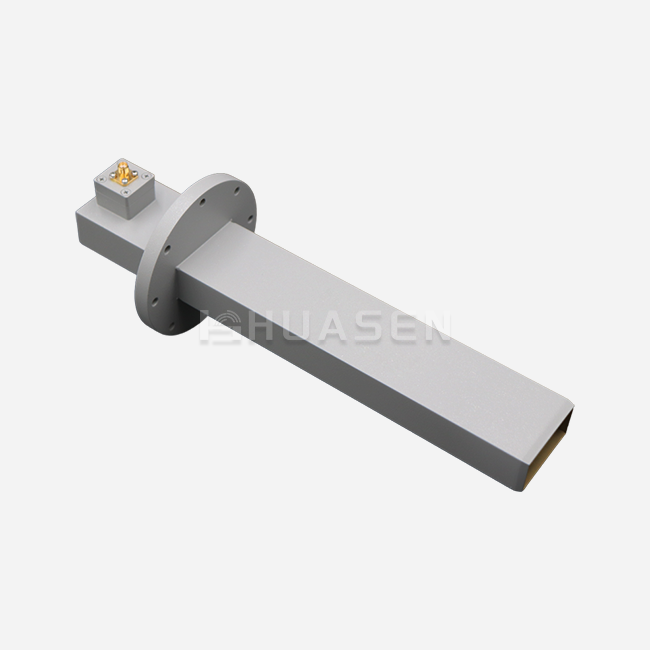
Vector Network Analyzers need to be calibrated within certain frequency bands, especially for microwave and millimeter-wave readings. Waveguide calibration kits contain precise standards that are made for this purpose. Waveguide-to-coaxial adapters, precision loads, short circuits, and transmission line sections that set up reference planes for accurate S-parameter readings are all part of these complete systems. Twelve error-correction methods are built into modern waveguide calibration devices to get rid of systematic measurement flaws. J-type and K-type waveguide-to-coaxial adapters, waveguide matching loads with VSWR requirements of 1.03 or better, fixed waveguide short plates with VSWR ratios above 60, and precision waveguide sections at quarter-wave, eighth-wave, and three-eighths-wave lengths are some of the standard parts.
Measurement Accuracy and Performance Benefits
Using properly set up waveguide calibration methods greatly raises the accuracy of measurements while lowering the errors that come with systems that aren't calibrated. These changes directly lead to better consistency, which means that test results will be the same across multiple measurement sessions and users. The mathematical error correction methods get rid of the effects of flaws in the test tools, lost cables, and broken connectors. These calibration kits are very accurate and cover a wide range of frequencies. They are useful for research labs, military communication tools, aircraft radar systems, and telecommunications infrastructure. Being able to confidently describe active parts, passive filters, and radio systems speeds up the development of new products and makes performance testing more reliable.
Identifying Common Challenges in RF Test Bench Layouts for Waveguide Calibration
Signal Integrity Issues and Environmental Factors
RF test bench setups often have regular issues that make calibration and measurement accuracy less reliable. One of the most common problems is signal loss caused by joints that aren't lined up right. This is especially true at millimeter-wave frequencies, where mechanical limits become more important. Bad placement of fixtures causes unwanted shadows that mess up measurement data, and limited space often forces parts to be arranged in less-than-ideal ways. The way cables are routed has a big effect on the quality of the signal, waveguide calibration kits,especially when long linking cables cause phase changes and insertion losses that change as the cables move. Electromagnetic interference can get into sensitive measurement lines when grounding methods aren't strong enough. Changes in temperature and mechanical vibrations in the surroundings add to the uncertainty.
Design Rules to Make Things Work Better
A good test bench design puts signal integrity first by paying close attention to the quality of the connectors, how the cables are managed, and how stable the fixtures are. The actual plan should keep the distance between important parts as short as possible while still letting repair and replacement parts be easily reached. When electromagnetic shielding is done right, it stops interference from outside sources and keeps the resistance levels stable along the signal line. Modular design lets you change the layout of a system easily as testing needs change, so you can use different waveguide bands and measurement cases without having to rethink the whole system. These design principles let the procurement and engineering teams take a close look at current setups and find ways to make them better in ways that improve the accuracy of the calibration and the trust in the measurements.
Step-by-Step Guide to Optimizing Your RF Test Bench Layout
Assessment and Planning Phase
The first step in the optimization process is to carefully look over the current test bench setups using structured evaluation checklists and measurement confirmation steps. In this first step, speed problems, mechanical limitations, and places where signal integrity changes can make a big difference are found. Documenting where present components are placed, how cables are routed, and how they are grounded sets the stage for focused improvements. To come up with the best ways to deal with environmental issues like temperature stability, mechanical shaking sources, and electromagnetic interference levels, we need to look at them all. During the evaluation phase, it is important to think about how the system will work with new test tools and technologies and how it will need to be expanded in the future.
Implementation and Verification Strategies
During this phase, systematic improvements are made to fix any weaknesses that have been found while keeping operations running smoothly. Component placement optimization includes putting important parts in the right place to keep signal paths short while also making sure there is enough heat management and mechanical stability. Improvements to cable management make repair and eye analysis easier while lowering signal degradation.
Here are the main methods for putting them into action for effective plan optimization:
- Signal Path Minimization: Place the VNA, calibration kit, and device being tested so that the RF signal lines are as short as possible. This lowers insertion loss and phase error.
- Improve mechanical stability: use strong mounting options for all important parts to stop measurement changes caused by movement during testing processes.
- Controlling the environment: keep the temperature and humidity stable while reducing electromagnetic interference by using the right protection and grounding methods.
- Modular Configuration: Make setups that are adaptable to different test settings and waveguide bands without having to be completely reconfigured.
These strategies for execution deal with the main problems that make measurements less accurate and set up long-lasting habits that will ensure operating success in the long run. The methodical technique makes sure that changes work better with current workflows andwaveguide calibration kitsmake the whole system run better. Comparative readings and statistical analysis of calibration accuracy are used in the verification step to make sure that the optimization worked. This iterative method makes sure that changes to the layout improve performance as planned while also finding any unexpected effects that need more attention.
Comparing Top Waveguide Calibration Kits to Support Your Procurement Decisions
Performance Criteria and Technical Specifications
To make smart purchasing choices, you need to carefully look at the performance features of the calibration kit, its frequency range, and its long-term dependability. Some important technical specs are the return loss performance across a certain frequency range, the mechanical repeatability of connector contacts, and the consistency of electrical features over temperature. The accuracy of measurements and the life of a component are directly related to the quality of the precise machining and surface processes. Frequency coverage is an important factor in the decision process because wider bandwidth capabilities lower the need for goods and make test methods easier for multiple projects. The choice of materials, manufacturing standards, and surface finish specifications are all signs of component quality. These things affect both the electrical performance and the mechanical stability of the part.
Market Analysis and Supplier Evaluation
Keysight Technologies, Anritsu Corporation, and Rohde & Schwarz are some of the best-known companies in their fields for making precise testing equipment that meets the strict needs of the aircraft and defense industries. These well-known suppliers offer a wide range of frequency options, a lot of technical information, and help networks around the world that make sure operations run smoothly for a long time. New providers like Maury Microwave, Copper Mountain Technologies, and Pasternack offer affordable options with new features and prices that are easy on the wallet. When evaluating, the total cost of ownership should be taken into account, which includes the original purchase price, the need for maintenance, the frequency of recalibration, and the availability of technical assistance. Buying in bulk can save you a lot of money and make sure that the specs of each part are the same across all test units. When buying things from other countries, global shipping processes and customs issues can affect when things are delivered and how much the whole job costs. Reliability in the supply chain is becoming more important as test equipment becomes key infrastructure that needs to stay up and running during product development processes.

Maintaining and Prolonging the Lifespan of Your Waveguide Calibration Kit
Routine Maintenance and Storage Protocols
Following the right upkeep steps will keep the calibration accurate and extend the life of the equipment, increasing its return on investment. Cleaning waveguide contacts and connecting surfaces on a regular basis stops contamination from building up and lowers electrical performance over time. Using the right cleaning chemicals and lint-free materials keeps the surface in good shape while getting rid of rust and particle contamination. When not in use, sensitive parts are kept in controlled storage settings that keep them safe from changes in temperature and humidity as well as mechanical damage. Protective boxes with handmade foam inserts keep parts from moving around and keep inventory management organized. Environmental tracking systems keep an eye on the conditions of storage to make sure they meet the manufacturer's requirements.
Quality Assurance and Documentation Practices
Systematic recording of calibration intervals, measurement verification results, and the history of a component makes it possible to plan preventative maintenance and ensures compliance with the quality system. In order to meet traceability standards, calibration kits often need to keep thorough records of how they work over time. These records must include statistical analyses of measurement accuracy and drift. Checking measurements against reference standards on a regular basis ensures continued accuracy and shows which parts need to be fixed or replaced. These quality assurance practices make sure that equipment is as reliable as possible and that it doesn't break down at the worst times, which would mess up important testing plans. Preventive repair plans lower long-term costs and make sure that measurement accuracy stays the same over the life of the equipment.
Conclusion
Optimizing the layout of an RF test bench for waveguide calibration kits is a basic need for getting accurate, repeatable readings in current microwave testing settings. This guide shows a structured way to deal with important problems and gives useful answers that make measurements more accurate and operations run more smoothly. When these optimization methods are used correctly, waveguide calibration kits help companies get the most out of their investments in precision instruments and get better testing results for a wide range of uses, from aerospace systems to internet infrastructure.
FAQ
1. What factors determine the accuracy of waveguide calibration compared to coaxial systems?
At millimeter-wave frequencies, waveguide calibration devices are more accurate because they have lower loss and fewer connection gaps. Because waveguide flanges are precisely machined, they can make mechanical links that work more often than threaded coaxial interfaces. Also, the TEM mode transmission in rectangular waveguides makes the electrical properties more predictable over a wide range of frequencies.
2. How do I verify compatibility between different calibration kit manufacturers and my VNA equipment?
To make sure that the calibration kit works with your VNA, you need to make sure that its frequency range matches its specs and that it has the right connector types and mechanical connections. Most current VNAs can use more than one calibration method, but you should make sure that the software that comes with your model is compatible with the kit you want to use. Most manufacturer paperwork includes compatibility grids that make this choice easier.
3. What maintenance procedures are essential for preserving calibration accuracy over time?
As part of normal care, waveguide surfaces need to be cleaned with the right solvents and lint-free materials, stored correctly in a controlled environment, and checked against traceable standards on a frequent basis. Before each use, it should be looked at visually for mechanical damage, wear patterns, or rust. Recalibration by trained metrology laboratories once a year makes sure that the accuracy stays high and gives proof that the quality system is following the rules.
Partner with Huasen Microwave for Superior Waveguide Calibration Solutions
Huasen Microwave Technology makes waveguide calibration kits that are carefully designed to meet the strict needs of military, defense, and telecommunications uses. With more than 30 years of experience making high-frequency parts, our complete calibration systems offer 12 error-correction features that work with the best vector network analyzers. Our high-precision waveguide parts have great VSWR performance and keep the mechanical accuracy that is needed for accurate readings.
As a reliable company that makes waveguide calibration kits, we offer full technical help throughout the whole buying process, from reviewing your original specifications to giving you advice on how to keep them in good shape over time. Email our engineering team at sales@huasenmicrowave.com to talk about your unique testing needs and find out how our tried-and-true calibration solutions can help you measure better while lowering the cost of testing as a whole.
References
1. Blackham, D.V. and Pollard, R.D. "An Improved Technique for Permittivity Measurements Using a Coaxial Probe." IEEE Transactions on Instrumentation and Measurement, Vol. 46, No. 5, 1997.
2. Chen, L.F., Ong, C.K., Neo, C.P., Varadan, V.V., and Varadan, V.K. "Microwave Electronics: Measurement and Materials Characterization." John Wiley & Sons, 2004.
3. Engen, G.F. and Hoer, C.A. "Thru-Reflect-Line: An Improved Technique for Calibrating the Dual Six-Port Automatic Network Analyzer." IEEE Transactions on Microwave Theory and Techniques, Vol. 27, No. 12, 1979.
4. Marks, R.B. "A Multiline Method of Network Analyzer Calibration." IEEE Transactions on Microwave Theory and Techniques, Vol. 39, No. 7, 1991.
5. Rytting, D.K. "Network Analyzer Error Models and Calibration Methods." Hewlett-Packard Application Note, 1998.
6. Williams, D.F., Marks, R.B., and Davidson, A. "Comparison of On-Wafer Calibrations." IEEE Transactions on Microwave Theory and Techniques, Vol. 38, No. 10, 1990.
Send Inquiry