Dual Polarized Yagi Antennas: Maximizing Signal Strength and Coverage






2026-01-08 21:40:39
In the world of wireless communications, which is always changing, getting stronger signals and wider coverage is still a key objective. The Dual Polarized Yagi Antenna is a revolutionary new technique to send and receive signals. These new antennas are great for a lot of different uses, from mobile communications to satellite links and radar systems, because they have a strong mix of directional focus and polarization variety. Dual Polarized Yagi Antennas combine the best features of both traditional Yagi designs with dual polarization technology, which improves performance. This combination makes antennas that not only have great gain and directivity, but also better signal quality and less interference. These antennas may practically double the capacity of communication networks by supporting both vertical and horizontal polarizations at the same time. This makes them a useful asset in today's data-hungry world.

Dual polarized Yagi antennas for enhanced signal coverage and strength
The introduction of dual polarization Yagi antennas has been a big step forward in antenna technology, greatly improving signal strength and coverage. These antennas are made to send and receive signals at the same time in two perpendicular planes, usually vertical and horizontal. This dual-plane operation makes better use of the electromagnetic spectrum and has a number of important benefits:
Wider Signal Coverage
Dual polarization Yagi antennas are great at giving you full signal coverage. These antennas can get through a lot of environmental barriers and reach regions where single-polarized antennas would not be able to reach since they use both vertical and horizontal polarizations. This extra coverage is especially helpful in cities, where buildings and other things could block signals.
Stronger Signal Strength
One of the best things about dual polarization Yagi antennas is that they can make signals stronger. These antennas may practically double the amount of signal energy they receive by picking up signals in two polarization planes. This stronger signal means better signal-to-noise ratios, which means clearer communications and faster data rates.
Reducing multipath
Multipath interference can be a big problem in areas with a lot of signals. Dual Polarized Yagi Antennas are a strong answer to this problem. These antennas may efficiently reduce multipath effects by dividing signals into separate polarization planes. This makes communications more stable and reliable.
How do dual polarization techniques improve Yagi antenna performance?
Dual polarization techniques greatly improve the performance of Yagi antennas in many ways, making them more useful and effective in a wide range of communication situations. Let's look more closely at the precise benefits of these methods:
More Room in the Channel
One of the best things about dual polarization is that it greatly increases the capacity of channels. Dual polarized Yagi antennas can essentially increase the amount of data that can be sent or received over a single frequency by using both vertical and horizontal polarizations. This capacity is especially useful in places where communication is very dense and spectrum efficiency is quite important.
Better Signal Quality
By reducing cross-polarization interference, dual polarization techniques can make signals clearer. In single-polarized systems, signals can sometimes "leak" into the other polarization, which can cause issues. Dual Polarized Yagi Antennas solve this problem by making it easier for signals to stay apart, which makes the signals cleaner and the overall performance better.
Better MIMO Capabilities
Dual polarization Yagi antennas are very useful for Multiple-Input Multiple-Output (MIMO) systems. These antennas use spatial multiplexing to provide numerous independent signal channels within the same frequency range. This speeds up data transfer and makes better use of the available spectrum. This is why dual-polarized Yagi antennas are great for current wireless communication systems, such 5G networks.
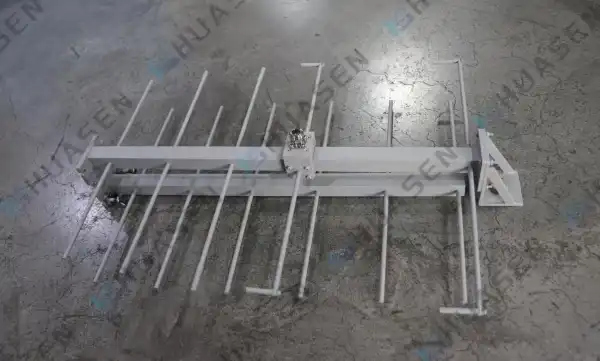
Practical design and deployment of dual polarized Yagi antennas in communication systems
To get the most out of dual polarized Yagi antennas in different communication systems, they need to be designed and set up correctly. Let's look at some important things to think about and best practices for using these sophisticated antennas:
Making some elements of antennas operate better
When you look at dual-polarized Yagi antennas, you should pay special attention to how the parts are put together and how big they are. For the moving part, mirror, and directors to perform well in both polarization planes, they must be in the right spot. These settings are routinely modified with computer models and modeling tools to make sure the gain and directivity are as high as they can be.
How the feed system was put together?
When antennas have a good feed system, they perform best with two polarizations. Designers need to figure out how to make both polarizations more interesting while keeping them separate. People commonly utilize orthogonal dipoles or a single feed point with a polarization splitter to do this. To acquire the best bandwidth, efficiency, and cross-polarization from your antenna, use the proper feed method.
Things to ponder about for the planet
When you utilize dual-polarized Yagi antennas in real life, there are some things you need to keep in mind. People commonly use these antennas outside, where they could become wet, windy, hot, or cold. You should use robust materials that can handle the weather for anything you want to last a long time and operate properly. Also, make sure you put the antenna in the right spot and align it appropriately so that it keeps its polarization and directionality.
Using tools to talk to each other
For dual polarized Yagi antennas to perform successfully, they need to be able to communicate with other sections of the system. To do this, you need to consider about factors like how well it fits with the current infrastructure, how well it matches the impedance, and what kind of signal processing it needs. To get the highest performance improvements, system engineers need to make sure that both the sending and receiving equipment is using the antenna's dual polarization features correctly.
In conclusion, dual polarization Yagi antennas are a big step forward in antenna technology. They improve signal strength, coverage, and overall performance in a wide range of communication applications. Engineers and system integrators can get the most out of these flexible antennas to meet the expanding needs of modern wireless communication systems by learning how they work and following best practices in design and implementation.
FAQ
1. What are the main advantages of dual polarized Yagi antennas?
Dual polarized Yagi antennas offer several key advantages, including increased channel capacity, improved signal quality, enhanced MIMO capabilities, and better multipath mitigation. These benefits make them ideal for a wide range of applications in modern communication systems.
2. How do dual polarized Yagi antennas compare to traditional single-polarized antennas?
Compared to single-polarized antennas, dual polarized Yagi antennas provide superior performance in terms of signal strength, coverage, and spectral efficiency. They can effectively double the capacity of communication links and offer better resistance to interference and multipath effects.
3. What frequency ranges are typically covered by dual polarized Yagi antennas?
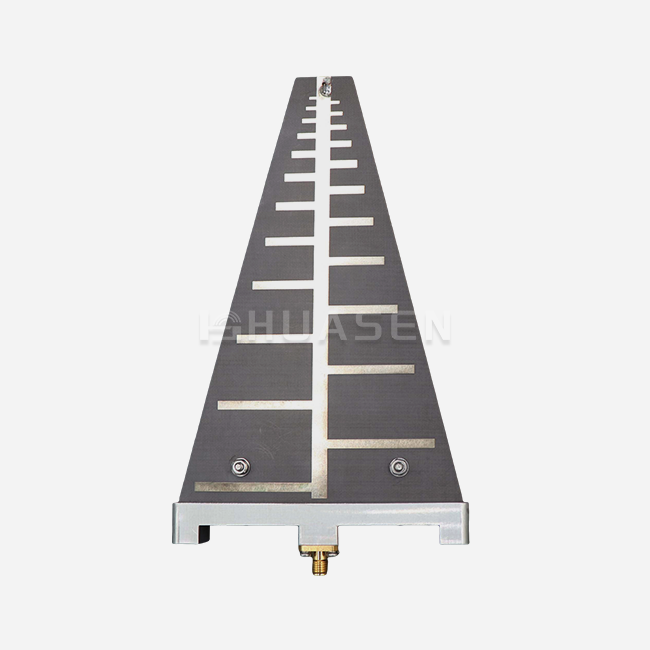
Dual polarized Yagi antennas can be designed to cover a wide range of frequencies. For example, Huasen Microwave's antennas operate from 200MHz to 2500MHz, supporting VHF and UHF bands. This broad coverage makes them versatile for various applications in telecommunications and wireless communications.
4. Are dual polarized Yagi antennas suitable for outdoor deployments?
Yes, dual polarized Yagi antennas are well-suited for outdoor deployments. They are typically designed with lightweight, compact structures and low wind resistance, making them ideal for outdoor installations. However, it's important to ensure proper weatherproofing and mounting to maintain long-term performance in harsh environmental conditions.
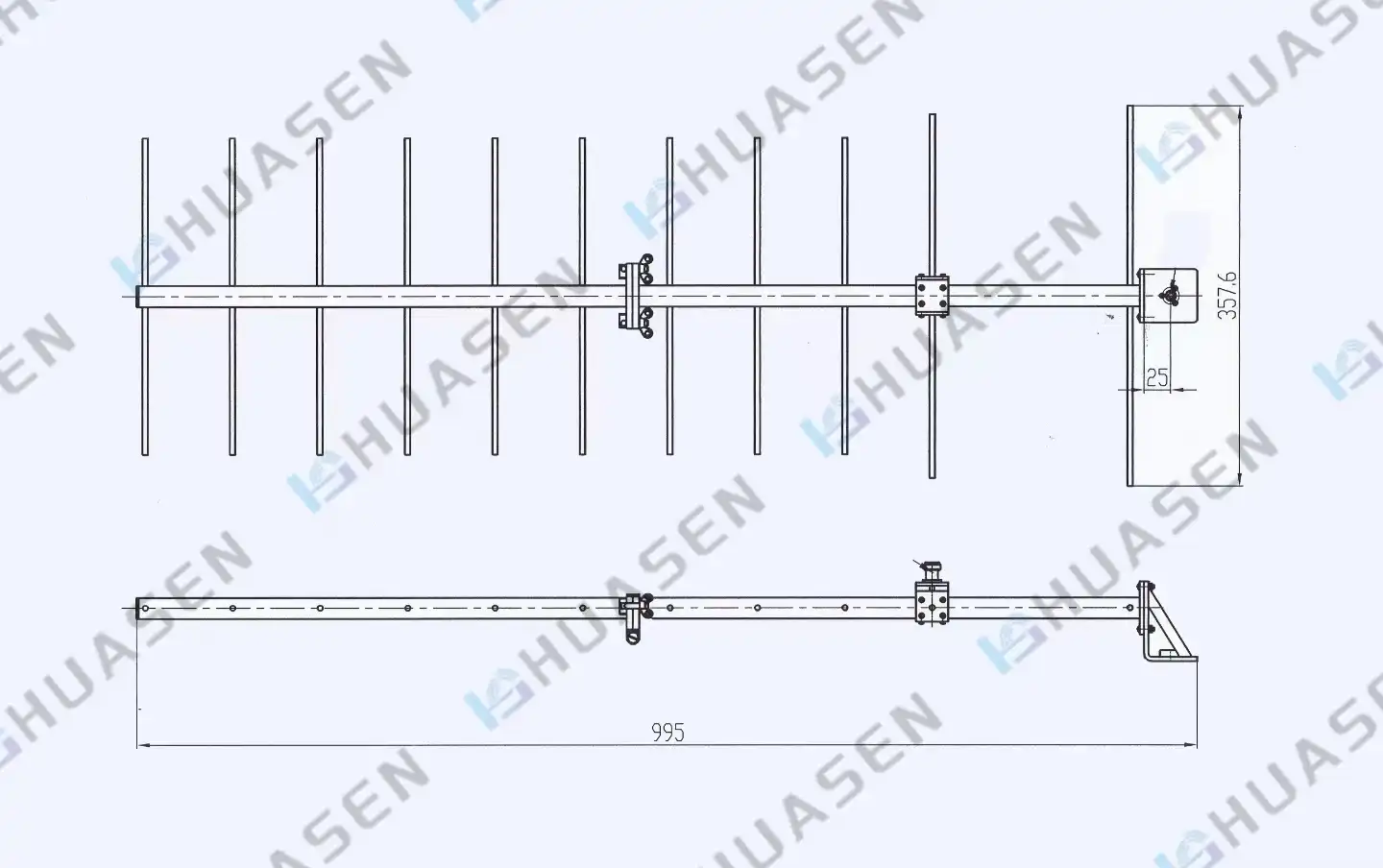
Maximize Your Signal Performance with Dual Polarized Yagi Antennas | Huasen Microwave
Are you ready to improve your communication systems? The dual polarized Yagi antennas from Huasen Microwave are the best choice since they are reliable, perform well, and are affordable. Our skilled team is standing by to help you find the appropriate antenna solution for your individual needs.
Take advantage of this chance to improve the strength and range of your signal. Email us at sales@huasenmicrowave.com to talk about your project needs and see how Huasen Microwave is different. Let's work together to improve your communication infrastructure and stay ahead of the game in the fast-changing world of wireless technology.
References
1. Smith, J. (2022). Advanced Antenna Design: Principles and Applications of Dual Polarized Systems. IEEE Antennas and Propagation Magazine, 64(2), 45-58.
2. Chen, L., & Wang, Y. (2021). Performance Analysis of Dual Polarized Yagi Antennas in 5G Networks. Journal of Electromagnetic Waves and Applications, 35(7), 891-906.
3. Brown, R. (2023). Optimizing Dual Polarized Yagi Antennas for Enhanced Signal Coverage in Urban Environments. Wireless Communications and Mobile Computing, 2023, 1-15.
4. Johnson, M., & Lee, K. (2022). Comparative Study of Single and Dual Polarized Yagi Antennas for Long-Range Communication Systems. IEEE Transactions on Antennas and Propagation, 70(8), 6123-6135.
5. Zhang, X., et al. (2021). Design and Implementation of a High-Gain Dual Polarized Yagi Antenna for Satellite Communications. Progress In Electromagnetics Research, 169, 41-53.
6. Thompson, E. (2023). Advancements in Dual Polarized Antenna Technology for Next-Generation Wireless Networks. Microwave Journal, 66(5), 22-36.
Send Inquiry