How to Choose the Best Waveguide Loop Coupler for Radar Applications?






2026-01-09 21:57:06
The technical parameters, operational environment, and system integration needs must all be carefully considered when choosing the best Waveguide Loop Coupler for radar applications. The selection of these crucial RF components is essential for obtaining dependable performance since they allow for accurate signal sampling and monitoring in radar systems. In addition to having outstanding VSWR characteristics and wide frequency compatibility spanning the X, Ku, and Ka bands, the perfect loop coupler must strike a balance between coupling precision, directivity, power management, and environmental endurance.
Understanding Waveguide Loop Couplers in Radar Systems
The Fundamental Role of Loop Couplers in Radar Technology
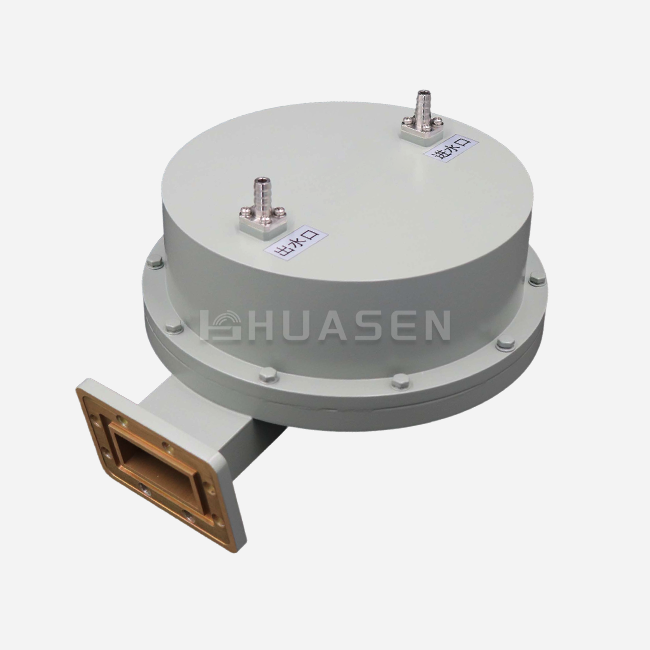
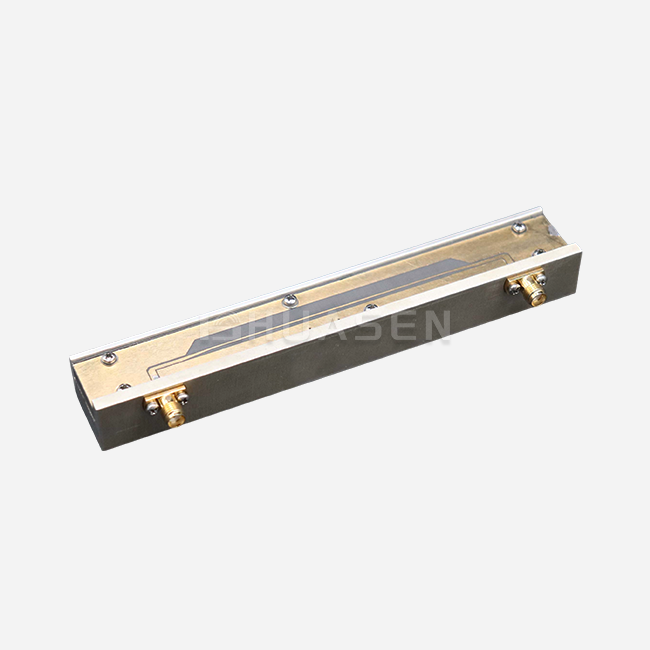
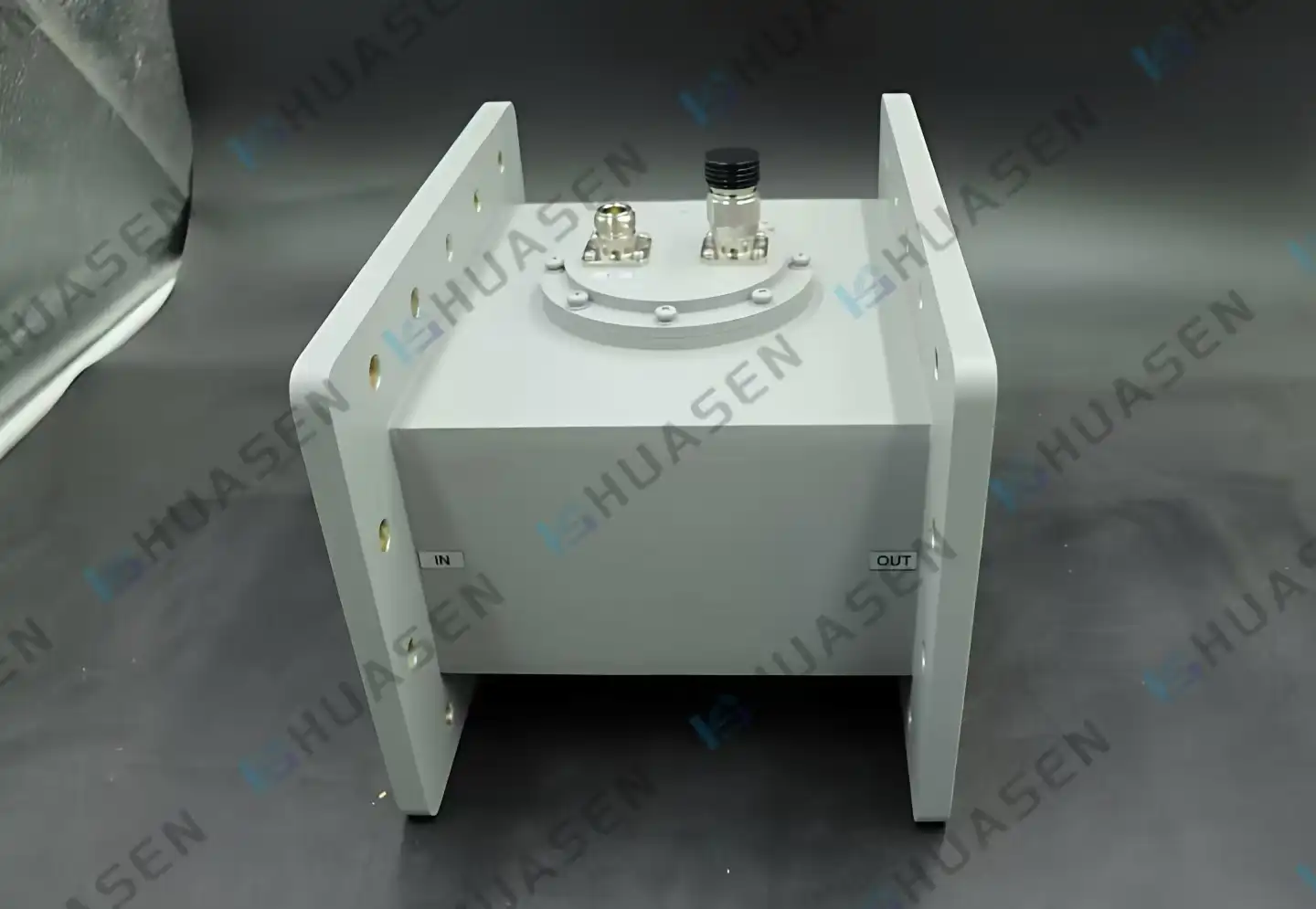
In radar systems, waveguide loop couplers are crucial signal monitoring devices that allow engineers to sample transmitted and reflected signals without interfering with the main signal channel. These precise parts extract a preset amount of the signal passing through the primary waveguide using the principles of electromagnetic field coupling. A precisely positioned loop antenna inside the waveguide construction that reacts to the electromagnetic wave's magnetic field component is the coupling mechanism.
Loop couplers are essential for VSWR measurement, power monitoring, and system protection in radar applications. They make it possible to evaluate transmitter performance in real time and assist in identifying possible problems like antenna mismatch or component failure. Loop coupling devices are very useful in high-power radar systems where signal integrity is crucial due to their non-intrusive nature.
Electromagnetic Operating Bands and Frequency Response
Loop couplers in contemporary radar systems are made to support particular electromagnetic bands, allowing them to function over a variety of frequency ranges. These couplers are frequently used for military surveillance systems and weather radar in X-band (8.2-12.4 GHz) applications. While advanced military applications and high-resolution automobile radar are made possible by Ka-band systems (26.5-40 GHz), Ku-band implementations (12.4-18 GHz) facilitate satellite communication and precision tracking radar.
The performance of radar systems is directly impacted by the Waveguide Loop Coupler's frequency response characteristics. Optimal coupling devices show low insertion loss and retain constant coupling coefficients throughout their designated bandwidth. In outdoor radar systems, where component performance can be greatly impacted by external factors, temperature stability becomes especially crucial. Reliable operation under severe conditions is ensured by high-quality loop couplers, which exhibit stable electrical characteristics across a broad temperature range.
Advantages Over Alternative Coupler Technologies
Loop couplers offer distinct advantages compared to directional and hybrid coupler alternatives in radar applications. Their simple mechanical construction provides exceptional reliability and reduces potential failure points. The isolated loop design minimizes interference with the main signal path while delivering precise coupling characteristics. Unlike more complex coupler designs, loop couplers maintain consistent performance across broader frequency ranges with reduced sensitivity to manufacturing tolerances.
Key Criteria for Choosing the Best Waveguide Loop Coupler
Critical Performance Metrics for Radar Applications
The effectiveness of radar systems is directly impacted by a number of critical performance characteristics, which must be carefully considered when choosing a Waveguide Loop Coupler. Procurement experts can make well-informed judgments that are in line with their unique operating requirements by having a thorough understanding of these factors.
The most basic specification is the coupling coefficient, which establishes how much signal is taken for monitoring. Coupling values for radar applications usually range from 20dB to 60dB, depending on the particular power levels and monitoring needs. Higher coupling values (40–60dB) are suitable for basic power monitoring in high-power systems, whereas lower coupling values (20–30dB) are suitable for high-sensitivity measurement applications.
For precise VSWR measurements and system diagnostics, the coupler's capacity to discriminate between forward and reverse signals is indicated by its directivity requirements. Reliable separation of incident and reflected signals is ensured by quality loop couplers, which attain directivity values above 15dB. In radar systems, where accurate load matching evaluation is crucial for peak performance, this feature becomes very significant.
Signal quality and system efficiency are directly impacted by return loss and VSWR parameters. Premium loop couplers reduce signal reflections and maintain system performance by keeping main line VSWR values below 1.1 and sub-line VSWR values below 1.25. At higher frequencies, where even minor mismatches can seriously impair radar performance, these low reflection qualities become even more crucial.
Material Considerations and Manufacturing Quality
The physical construction and materials used in loop coupler manufacturing significantly influence long-term reliability and performance consistency. High-grade aluminum or brass waveguide construction provides excellent electromagnetic shielding while maintaining structural integrity under thermal cycling conditions. Precision machining tolerances ensure consistent electrical performance and reliable mechanical connections.
Surface treatment and plating specifications affect both electrical performance and environmental resistance. Silver or gold plating on internal surfaces reduces conductor losses and prevents oxidation that could degrade performance over time. Proper surface treatments become particularly important in marine radar applications where salt spray and humidity can accelerate corrosion processes.
Frequency Compatibility and Bandwidth Considerations
The frequency range throughout which the Waveguide Loop Coupler retains acceptable performance qualities is determined by the bandwidth parameters. Devices with bandwidth capabilities of 20% or less are advantageous for many radar applications because they guarantee steady coupling and directivity across the operating frequency range. This bandwidth restriction simplifies system design, lowers the need for component inventory, and helps ensure consistent performance.
The need for multi-band operation in modern radar systems is growing, which makes broadband coupler designs appealing for system simplification. But it's important to carefully consider the trade-off between bandwidth and performance accuracy. While broadband designs give operational flexibility at the cost of some performance optimization, narrow-band couplers frequently offer higher directivity and coupling accuracy within their designated frequency range.

Designing and Specifying Waveguide Loop Couplers for Optimal Results
Critical Design Parameters and Specifications
Both electrical and mechanical factors that affect system integration and performance must be carefully considered when specifying a Waveguide Loop Coupler. Coupling qualities and frequency response are determined by the physical loop dimensions and location inside the waveguide structure. During the design stage, electromagnetic modeling tools aid in the optimization of these parameters, guaranteeing consistent performance over the operational frequency range.
The average and peak power circumstances found in radar applications must be covered by power rating standards. High peak power levels are frequently used in military and weather radar systems, which can harm components with low ratings. To withstand these harsh circumstances without sacrificing performance, quality loop couplers have sturdy construction and thermal management features.
Both the linked port and the main transmission line must have their VSWR standards carefully considered. Exceptional couplers maintain sub-line VSWR below 1.25 while achieving main line VSWR values of 1.1 or higher. These requirements provide precise coupling qualities with no effect on the primary signal path.
Mechanical Integration and Environmental Requirements
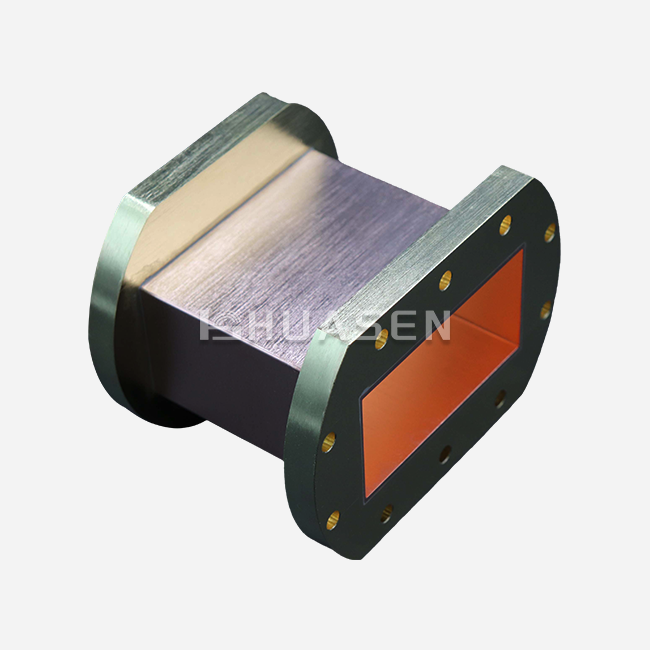
Mechanical design considerations play a crucial role in successful loop coupler implementation. Waveguide compatibility encompasses both dimensional accuracy and flange specifications that ensure reliable connections within existing radar systems. Standard waveguide sizes from BJ9 through BJ140 cover most common radar frequency bands, providing flexibility for various system architectures.
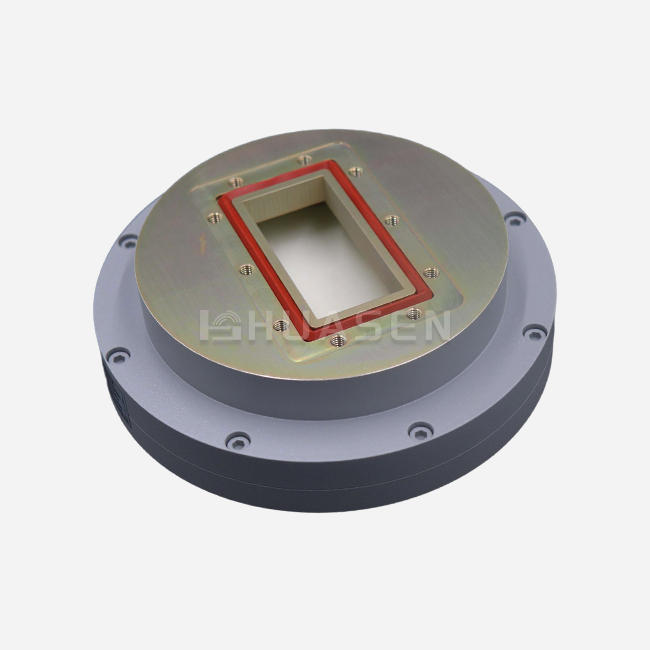
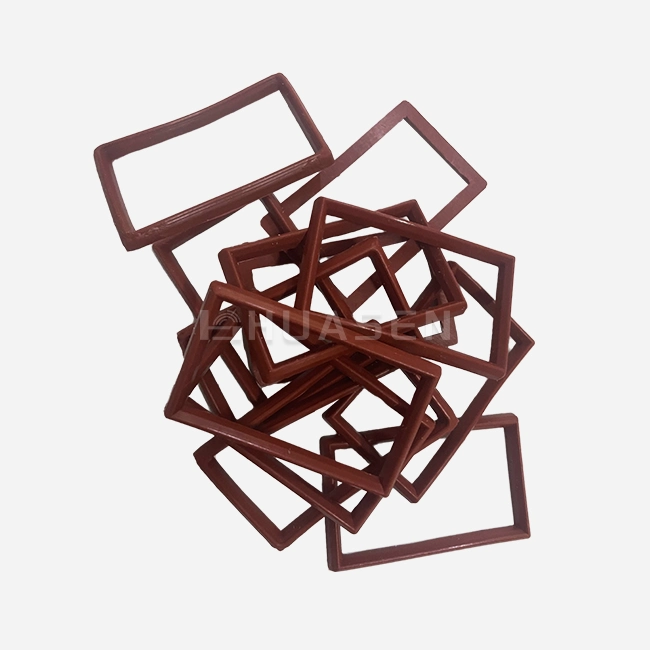
Environmental sealing requirements become particularly important for outdoor radar installations exposed to weather conditions. Quality Waveguide Loop Couplers incorporate gasket seals and protective coatings that maintain performance integrity under temperature cycling, humidity, and precipitation exposure. These environmental protection features ensure long-term reliability without requiring frequent maintenance or replacement.
Customization Capabilities and Application-Specific Solutions
Customized loop coupler designs tuned for certain operational needs are advantageous for many radar applications. Unique mechanical configurations, customized frequency responses, and custom coupling settings can improve system performance above and beyond what is offered by standard goods. Skilled manufacturers provide engineering assistance to create customized solutions that tackle specific problems or limitations.
Modified coupling coefficients, improved directivity standards, or unique environmental protection features are examples of customization choices. These changes address specific operational needs while enabling the best possible interaction with current radar architectures. When choosing suppliers for crucial radar system deployments, the availability of customized solutions frequently becomes a determining factor.
Comparison and Evaluation of Leading Waveguide Loop Coupler Brands and Suppliers
Industry Leader Analysis and Capabilities Assessment
There are a number of well-known producers in the waveguide component sector that provide loop coupler systems with different specializations and capacities. Procurement experts may make well-informed judgments based on their unique requirements and goals by being aware of each supplier's strengths.
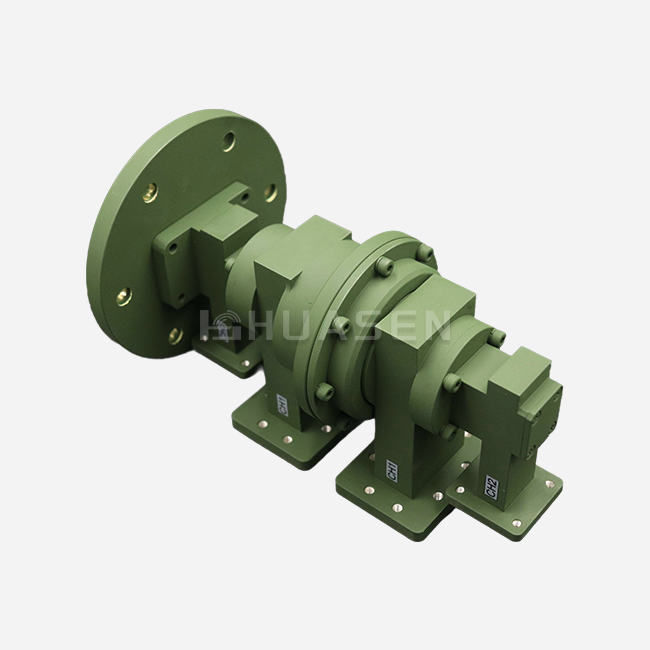
Since 1993, Huasen Microwave Technology has become a reputable producer of high-performance waveguide loop couplers. Their products have superior sealing qualities that guarantee steady operation in challenging environmental circumstances. Loop couplers from the company preserve sub-line VSWR below 1.25 and main line VSWR below 1.1 while meeting bandwidth requirements of 20% or less. With directivity more than 15dB, coupling configurations of 20, 25, 30, 35, 40, 45, 50, and 60dB are available. The majority of common radar frequency bands are covered by these devices' waveguide compatibility, which ranges from BJ9 to BJ140.
Businesses with varying specializations and areas of focus are among the other well-known producers in this sector. While some focus on compact designs or broadband performance, others highlight high-power handling characteristics. The selection of suppliers is frequently influenced by long-term support concerns, customisation requirements, and particular application requirements.
Supplier Evaluation Criteria and Selection Factors
Effective supplier evaluation requires assessment of multiple factors beyond basic product specifications. Technical support capabilities influence both initial system integration success and long-term operational support. Suppliers offering comprehensive engineering assistance, detailed technical documentation, and responsive customer service provide significant value for complex radar system implementations.
Manufacturing quality and process control directly impact product consistency and long-term reliability. Established manufacturers typically maintain ISO quality certifications and implement rigorous testing protocols that ensure consistent performance across production lots. These quality systems become particularly important for high-volume procurements where performance variations could affect system reliability.
Delivery reliability and supply chain stability affect project timelines and inventory management strategies. Suppliers with established manufacturing capabilities and reliable component sourcing can better support demanding delivery schedules. The availability of expedited delivery options and inventory buffers helps address urgent requirements without compromising quality.
Procurement Best Practices for Waveguide Loop Couplers
Supplier Selection and Qualification Processes
Successful procurement of waveguide loop couplers begins with thorough supplier qualification that evaluates both technical capabilities and business reliability. Qualified suppliers should demonstrate relevant manufacturing experience, appropriate quality certifications, and established customer references in radar applications. The evaluation process should include facility assessments, process reviews, and sample testing to verify claimed capabilities.
Technical documentation quality provides insight into supplier expertise and attention to detail. Comprehensive datasheets, test reports, and application notes indicate thorough engineering support and product development processes. Suppliers providing detailed specifications, performance curves, and environmental test data demonstrate commitment to transparency and technical excellence.
Cost-Benefit Analysis and Volume Considerations
Reliability, maintenance needs, and the availability of technical support are examples of total cost of ownership considerations that are included in effective cost analysis, which goes beyond initial unit pricing. Because they have longer service lives and lower failure rates, higher-quality components frequently offer better long-term value. Project economics can be greatly impacted by volume pricing concerns, especially for large radar system deployments.
Future growth plans, as well as current needs, should be taken into consideration in procurement strategies. Flexibility for project scalability is provided by building partnerships with suppliers who can accommodate both prototype quantities and production volumes. Long-term contracts can guarantee component availability for system growth and maintenance while securing an advantageous price.
Lifecycle cost modeling that takes into account component dependability, replacement prices, and the effects of system outages should be part of the appraisal process. Despite higher initial costs, premium components with stronger dependability characteristics can offer better overall value. For vital radar systems, when downtime results in severe operational or financial consequences, this study becomes more crucial.

Conclusion
Technical standards, supplier capabilities, and long-term support requirements must all be carefully considered when choosing the best Waveguide Loop Coupler for radar applications. Specific operational requirements must be met by key performance factors such as environmental durability, VSWR characteristics, directivity, and coupling precision. Effective procurement techniques guarantee dependable supplier connections that support ongoing projects and future needs while striking a balance between initial expenses and overall ownership value.
FAQ
Q1: What coupling values are most suitable for radar power monitoring applications?
Coupling values between 30dB and 50dB typically provide optimal performance for most radar power monitoring requirements. These values offer sufficient signal strength for accurate measurements while minimizing impact on the main transmission path. High-power radar systems often utilize 40-50dB coupling, while sensitive measurement applications may require 20-30dB coupling for enhanced signal levels.
Q2: How important is directivity specification in radar loop couplers?
Directivity specifications exceeding 15dB are essential for accurate VSWR measurements and system diagnostics in radar applications. Higher directivity values improve the coupler's ability to distinguish between forward and reverse signals, enabling precise load matching assessment. This characteristic becomes increasingly critical at higher frequencies, where measurement accuracy directly impacts radar performance optimization.
Q3: What environmental protection features should radar loop couplers include?
Radar loop couplers require robust environmental sealing to withstand outdoor conditions, including temperature cycling, humidity, precipitation, and UV exposure. Quality devices incorporate gasket seals, corrosion-resistant materials, and protective coatings that maintain electrical performance under harsh conditions. These features ensure reliable long-term operation without frequent maintenance or premature replacement.
Partner with Huasen Microwave for Superior Waveguide Loop Coupler Solutions
Huasen Microwave stands ready to support your radar system requirements with precision-engineered waveguide loop couplers designed for exceptional performance and reliability. Our extensive experience since 1993 in high-frequency microwave components ensures access to proven solutions that meet demanding radar application requirements. As a trusted waveguide loop coupler supplier, we provide comprehensive technical support, competitive pricing for volume requirements, and reliable delivery schedules that support your project success. Contact our engineering team at sales@huasenmicrowave.com to discuss your specific requirements and discover how our advanced loop coupler technology can enhance your radar system performance.
References
1. Pozar, David M. "Microwave Engineering, Fourth Edition." John Wiley & Sons, 2012.
2. Collin, Robert E. "Foundations for Microwave Engineering, Second Edition." IEEE Press, 2001.
3. Ragan, Gerald L. "Microwave Transmission Circuits: Volume 9, Radiation Laboratory Series." McGraw-Hill Book Company, 1948.
4. Marcuvitz, Nathan. "Waveguide Handbook: Volume 10, Radiation Laboratory Series." McGraw-Hill Book Company, 1951.
5. Montgomery, Carol Gray. "Technique of Microwave Measurements: Volume 11, Radiation Laboratory Series." McGraw-Hill Book Company, 1947.
6. Baden Fuller, A.J. "Microwaves: An Introduction to Microwave Theory and Techniques, Third Edition." Pergamon Press, 1990.
Send Inquiry