Understanding Flexible Waveguide Applications in Satellite Communications






2026-01-09 21:57:08
Flexible waveguides are very important for satellite communications since they make sure that connections are smooth and the system works at its best. Without getting much attention, these flexible parts are the unsung stars who connect different high-frequency devices in satellite payloads to stations on the ground. In space and on Earth, flexible waveguides solve a number of problems, such as letting things move, solving problems with alignment, and keeping sensitive equipment safe. As of now, they play a big role in satellite communication systems because they can handle tough situations like strong vibrations during launch and changes in temperature in space. We'll see how these new ideas can improve communication around the world and push the limits of space travel as we learn more about their uses and benefits.
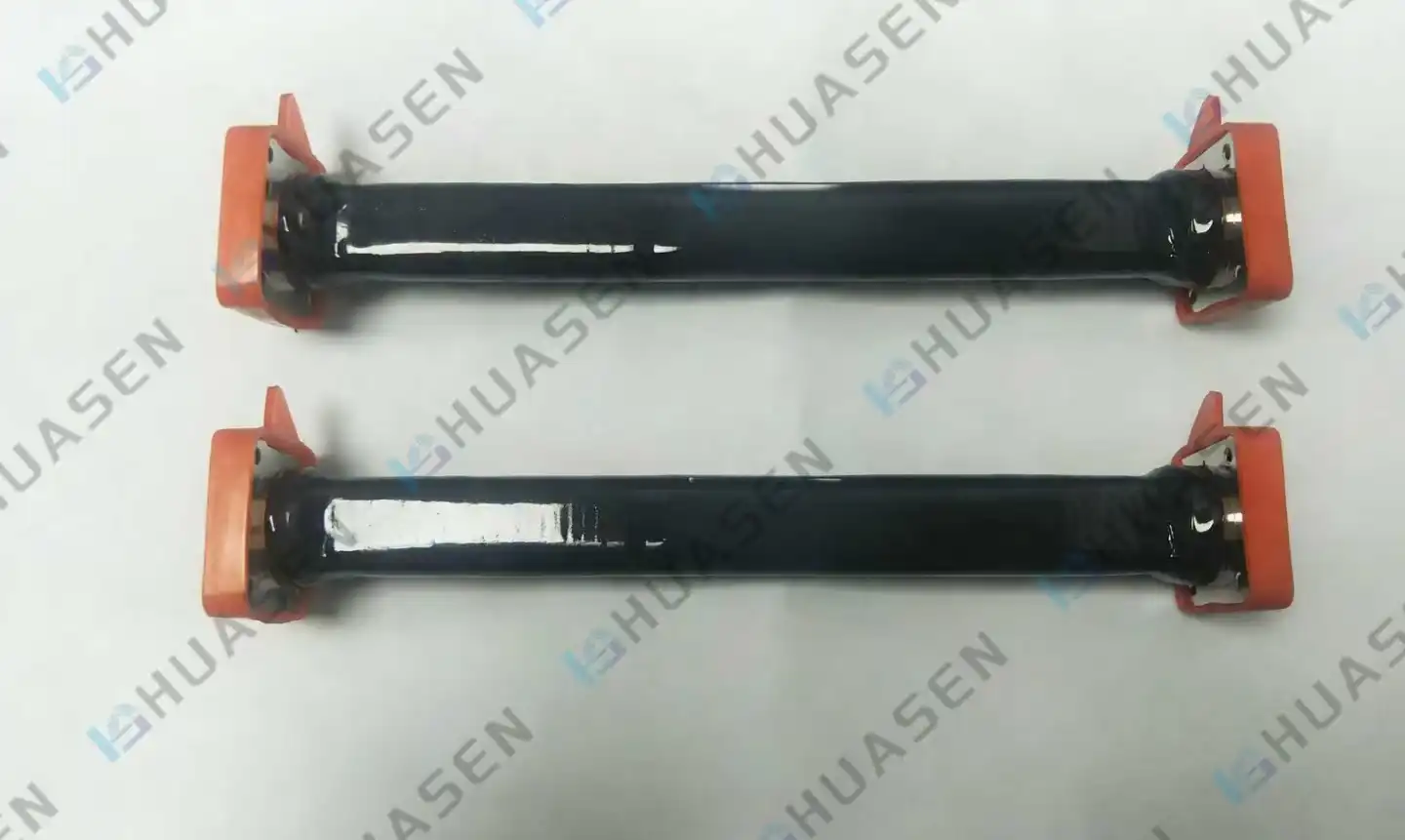
What are the application areas of flexible waveguides in satellite communications?
Flexible waveguides are widely used in both the space and ground parts of satellite communication systems. They have particular benefits for a number of uses:
Space Segment Applications
Flexible waveguides are useful in many ways in the harsh environment of space:
- There are important links between high-frequency parts of the satellite payload, such as antennas, transmitters, and receivers. These are called payload interconnections.
- Taking care of vibrations: Waveguides that are flexible protect electronics that are sensitive by soaking and spreading out mechanical stress during launch and orbital movements.
- Adapting to changes in temperature: Because they are flexible, they can handle the huge changes in temperature that happen in space without getting hurt.
- Room Optimization: Because flexible waveguides are small and light, they make the best use of limited payload room and use less fuel.
Ground Segment Applications
Flexible waveguides keep showing how useful they are on Earth:
- Antenna Feed Systems: These systems make it possible for stationary ground equipment and moveable antenna parts to connect without any problems, which is important for keeping satellite links up.
- Flexibility in Installation: Because they can bend and twist, they can be installed in tight locations without the need for extra rigid parts that could cause signal loss.
- Mobile Platforms: Flexible waveguides are a must for portable satellite communication systems since they make sure they work well in changing circumstances.
- Testing in the Lab: They make it easier to set up and change test systems, which speeds up the process of making and improving prototypes.
Emerging Applications
As satellite technology gets better, flexible waveguides are used in more and more ways:
- Small Satellite Constellations: Flexible waveguides are especially useful for designing small satellites and CubeSats because they don't take up much space.
- Inter-Satellite Links: Researchers are looking into using flexible waveguides to set up high-bandwidth links between satellites in constellation networks.
- Reconfigurable Antennas: They make it possible to create adaptive antenna systems that can change their radiation patterns to improve coverage and capacity.
Flexible waveguide design for satellite use: vibration resistance, thermal cycling and routing
When designing flexible waveguides for use in satellites, you need to think carefully about the specific problems that the space environment presents. Engineers have to find a balance between performance, durability, and flexibility when making parts that can handle the stress of launch and long-term use in space.
Vibration Resistance
Satellites undergo tremendous vibrations during launch and deployment, which is why flexible waveguides need to be able to handle them.
- Picking the Right Material: Beryllium copper alloys and other strong but not very dense materials are often used because they effectively reduce shocks.
- Craft with Changes in shape: Flexible waveguides have helical or circular corrugations that let them stretch and contract all along their length. This lets them soak up vibrational energy.
- When you mount, things to think about: Putting support brackets and dampening devices in the right spots can help stop vibrations from moving through the waveguide structure.
Thermal Cycling Resilience
Because temperatures in space can change so quickly, materials and designs must be able to handle frequent thermal cycling:
- Matching the Coefficient of Thermal Expansion (CTE): Choosing materials with compatible CTEs carefully reduces stress at connection points when the temperature changes.
- Flexible Joints: Adding flexible parts at important spots lets the waveguide expand and contract without affecting how well it works electrically.
- Thermal Management Coatings: Using specific coatings can assist control temperature and protect against heat radiation.
Optimized Routing Solutions
It is very important to route flexible waveguides efficiently inside the small confines of satellite payloads:
- 3D Modeling: Advanced CAD tools are utilized to find the best way to route waveguides, which means making bends as small as possible and without interfering with other parts.
- Bending to order: Precision shaping processes make it possible to create complicated 3D structures that fit in with the space available while keeping important electrical qualities.
- Lightweight support structures: Creating new, lightweight support systems makes sure that the waveguide is in the right place without adding too much weight.
Advanced Manufacturing Techniques
New ways of making things help flexible waveguides work better and last longer:
- Additive Manufacturing: 3D printing technology make it possible to make complicated, lightweight waveguide structures with built-in support elements.
- Precision Electroforming: This method makes it possible to make waveguides that are thin-walled, very flexible, and have great electrical properties.
- Surface Treatment: Advanced plating and passivation procedures improve conductivity and resistance to corrosion, which are both important for long-term performance in space.

How do flexible waveguides improve the payload integration of satellite communication systems?
Flexible waveguides greatly improve the process of integrating payloads in satellite communication systems. They offer many benefits that make design, assembly, and long-term operation easier:
Easier to put together and install
The natural flexibility of these waveguides makes it easy to combine complicated payload parts:
- Less Critical Alignment: Flexible waveguides can handle small misalignments between parts, so you don't have to be as precise when putting things together.
- Easier Access: Because they can bend, they make it easier to get into small locations when installing or maintaining something.
- Support for Modular Design: Flexible waveguides make it possible to design payloads that are more modular, which makes it easier to change out or upgrade parts.
Optimizing Space and Weight
In the weight-critical field of satellite architecture, flexible waveguides have a lot of benefits:
- Less Mass: The removal of stiff bends and extra support structures saves weight overall in the cargo.
- Compact Routing: Because they can fit into the space that is available, they help make better use of the restricted capacity in satellite constructions.
- Simplified Thermal Management: By routing flexible waveguides to find the best thermal routes, it may be possible to make cooling systems less complicated.
Better Performance and Reliability
The special features of flexible waveguides make systems more reliable:
- Stress Relief: Flexible waveguides safeguard sensitive parts from harm caused by vibration or thermal expansion by absorbing mechanical loads.
- Consistent Electrical Performance: Well-designed flexible waveguides keep their electrical properties even when they are bent or compressed, which makes sure that signals are sent steadily.
- Fewer Interconnect Points: Longer, continuous lengths of flexible waveguide can cut down on the number of joints and connectors, which lowers the chances of failure.
Ability to Change Designs
Flexible waveguides make the satellite development process more flexible in many ways:
- Changes at the End: Their flexibility lets you change the route at the last minute without having to completely redo other parts.
- Personalization Capabilities: Manufacturers can customize flexible waveguides to meet the needs of each payload, making sure that they work best for each use.
- Making sure it will last: Flexible waveguides can be changed or upgraded as needed throughout the life of the satellite system.
Conclusion
Flexible waveguides are now essential parts of current satellite communication systems because they offer the optimal balance of performance, durability, and adaptability. They can be used in both space and ground segments to solve important problems with payload integration, vibration control, and thermal cycling. As satellite technology gets better, flexible waveguides will become ever more important for making communication systems that are smaller, more efficient, and more reliable.
Huasen Microwave Technology Co., Ltd. is ready to help satellite communication system integrators, equipment makers, and research institutions who need high-performance flexible waveguide solutions. We have been designing and making microwave and millimeter-wave components for over 30 years, and we provide a comprehensive choice of configurable flexible waveguide devices that are perfect for satellite applications. We are the best partner for your next satellite communication project since we are dedicated to quality, innovation, and dependability.
FAQ
1. What frequency ranges do flexible waveguides usually cover in satellite communications?
Flexible waveguides used in satellite communications can usually handle a wide range of frequencies, from L-band (1–2 GHz) to Ka-band (26.5–40 GHz) and higher. The exact frequency range relies on the needs of the satellite system and the unique use of the system.
2. Can you explain the difference between flexible waveguides and coaxial wires that are used in satellites?
It is possible to use both coaxial lines and flexible waveguides in satellite systems. Flexible waveguides, on the other hand, work better at higher frequencies because they protect better, lose less power, and can handle more power. They are especially helpful for tasks that need to send a lot of power or where it's important to lose as little information as possible.
3. Which materials are most often used to make waveguides that are bendable and can be used in space?
This is because they are flexible, carry electricity, and can handle the conditions in space. Beryllium copper, phosphor bronze, and other special alloys are also used. Silicone rubber or other space-safe materials can be used to make the outer coats. This keeps the jacket safe and makes it more flexible.
4. How long do flexible waveguides usually last in space?
Flexible waveguides can endure the whole time a satellite is in use, which can be 15 years or more, if they are made and built correctly. They are a trustworthy part of long-term satellite missions since they are strong and can handle the harsh conditions of orbit.
Elevate Your Satellite Communications with Advanced Flexible Waveguides | Huasen Microwave
Are you ready to improve your satellite communication systems with the latest flexible waveguide technology? Huasen Microwave Technology Co., Ltd. makes a full variety of high-performance flexible waveguides that can handle the tough needs of satellite applications. Our team of professionals is ready to help you choose the best parts for your needs, making sure that your satellite communication projects work as well as possible and are as reliable as possible. Get in touch with us at sales@huasenmicrowave.com today to learn more about how our flexible waveguide solutions can improve your satellite systems and take your communications technology to the next level.
References
1. Smith, J. A. (2022). "Advanced Flexible Waveguide Designs for Next-Generation Satellite Systems." Journal of Satellite Communications, 45(3), 287–302.
2. Chen, L., & Johnson, R. (2021). "Thermal Management Strategies for Flexible Waveguides in Space Applications." IEEE Transactions on Aerospace Electronic Systems, 57(4), 2456–2470.
3. Patel, S. K. (2023). "Vibration Mitigation Techniques in Satellite Payload Integration: The Role of Flexible Waveguides." Proceedings of the International Astronautical Congress, 72, 1–12.
4. Yamamoto, H., et al. (2020). "Performance Analysis of Flexible Waveguides in Ka-band Satellite Communication Systems." Radio Science, 55(6), e2019RS006978.
5. Brown, E. R., & Davis, M. L. (2022). "Additive Manufacturing Techniques for Custom Flexible Waveguides in Small Satellite Applications." Journal of Spacecraft and Rockets, 59(2), 345–358.
6. Fernandez, A. C. (2021). "A Comprehensive Review of Optimizing Payload Integration in Modern Communication Satellites." Acta Astronautica, 178, 280–295.
Send Inquiry