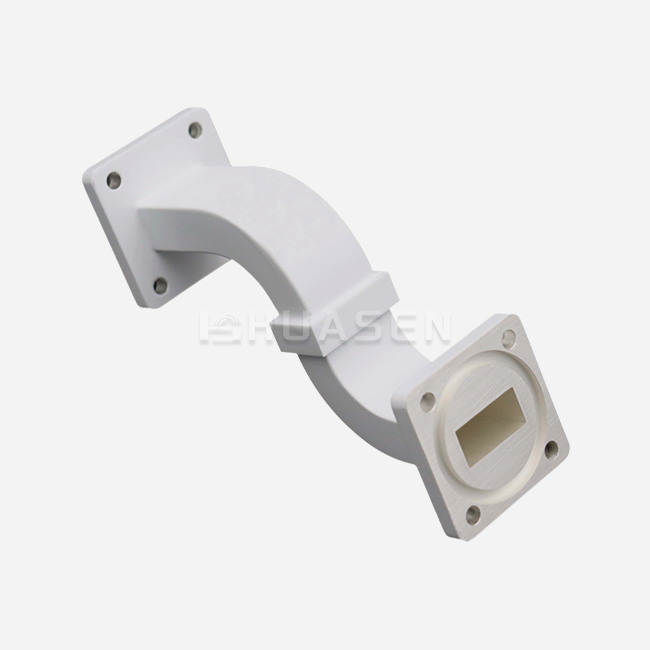
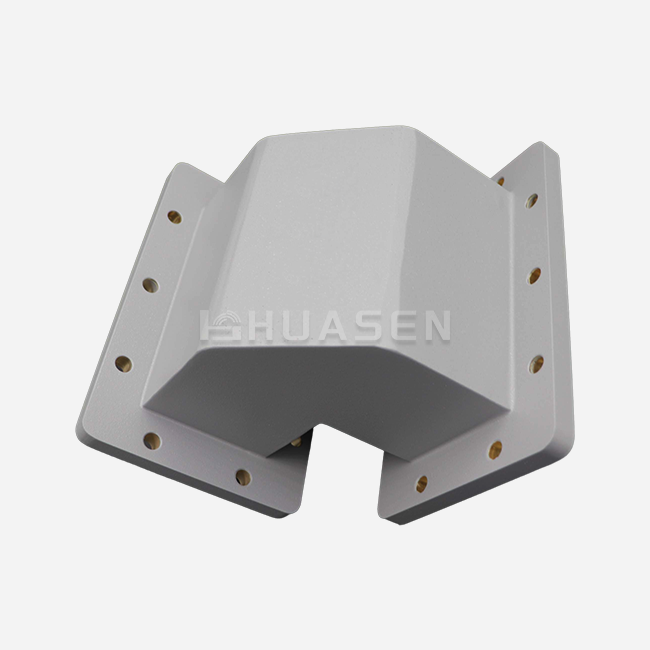
Custom Waveguide Power Divider Design: Meeting High Power Needs for Radar Applications






2026-01-10 21:54:51
All of the parts that make up modern radar systems have to work very well, especially when the power is applied. Waveguide power dividers are very important parts of these complex systems because they allow for exact signal distribution and keep the signal's integrity across multiple output paths. These specialized parts have to deal with large amounts of power while keeping phase coherence and insertion losses as low as possible. More and more, engineering teams need custom solutions that meet the unique operational requirements, environmental constraints, and performance requirements of their radar uses. It is important to understand the design principles and possibilities of advanced waveguide power division technology in order to get the best system performance in tough radar environments that are tough.
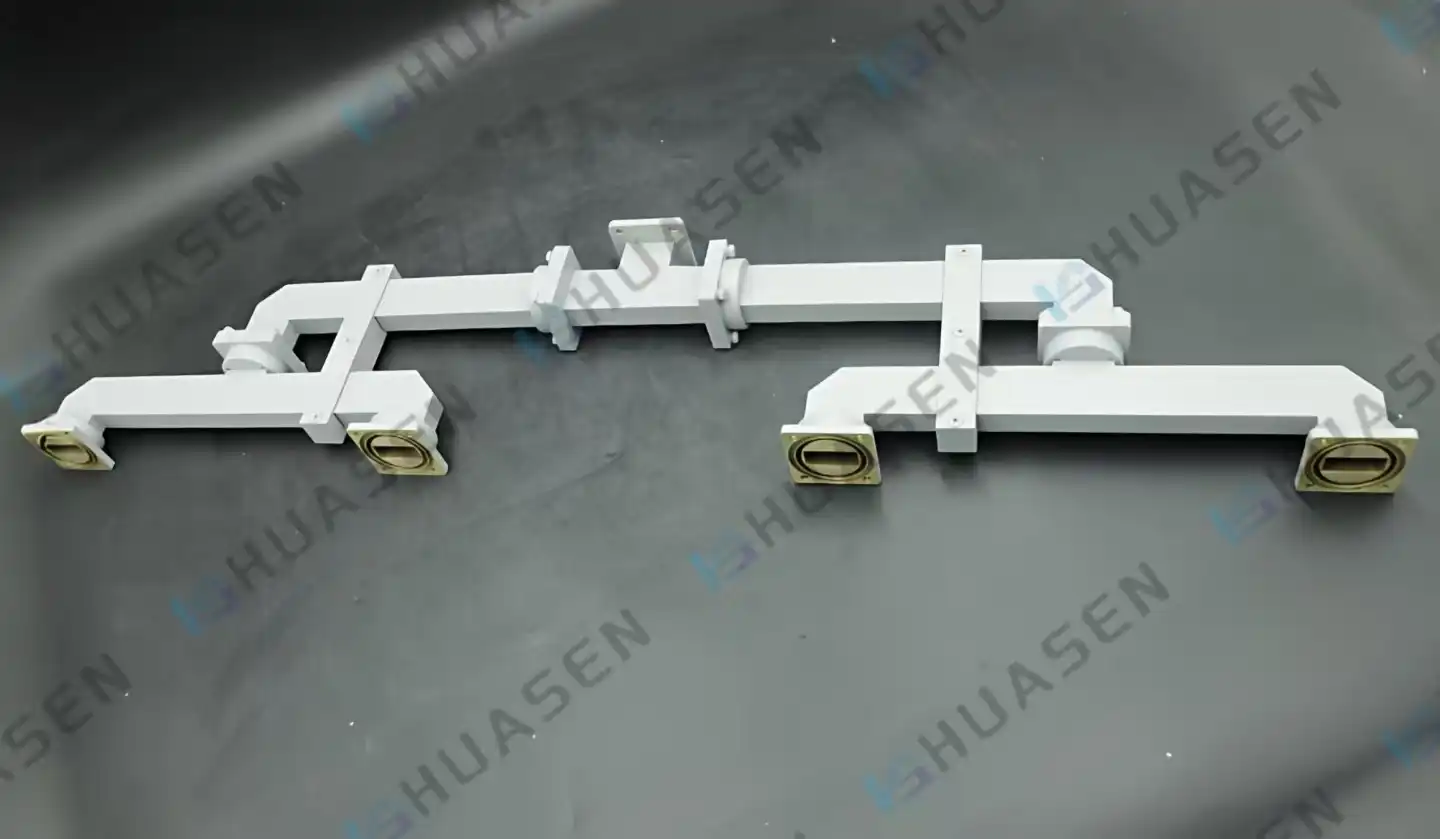
Understanding Waveguide Power Dividers in Radar Systems
Core Electromagnetic Principles and Design Fundamentals
Waveguide power dividers work on basic electromagnetic principles that make it possible for signals to be sent efficiently to multiple output points. Controlled power splitting is done by these devices using the way electromagnetic waves travel through metal structures. The division ratio and phase links between output signals are set by how the electromagnetic field is distributed inside the waveguide structure.
Waveguide dimensions, junction geometries, and impedance matching networks are all carefully thought through during the planning process. Engineers have to find the best mix between a number of performance factors, such as bandwidth, port isolation, and return loss. Waveguide structures are better at handling power than coaxial or microstrip alternatives, which is especially useful for modern radar uses.
Types of Waveguide Power Dividers for Radar Applications
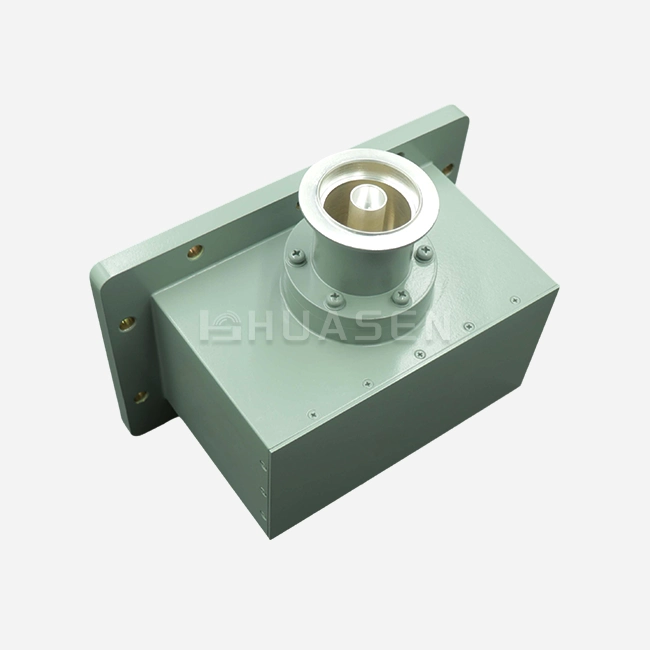
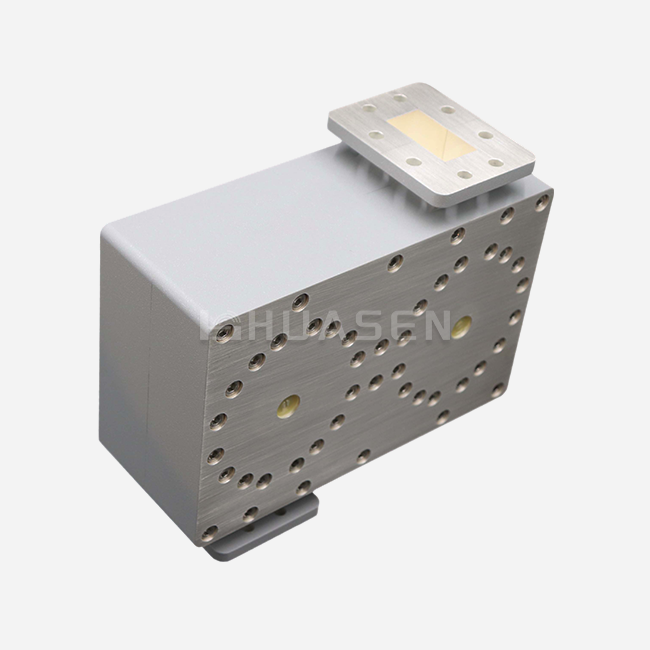
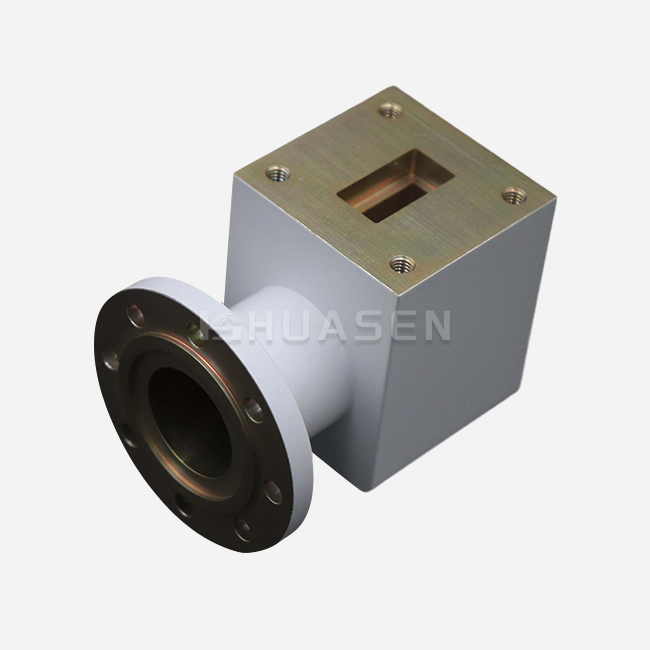
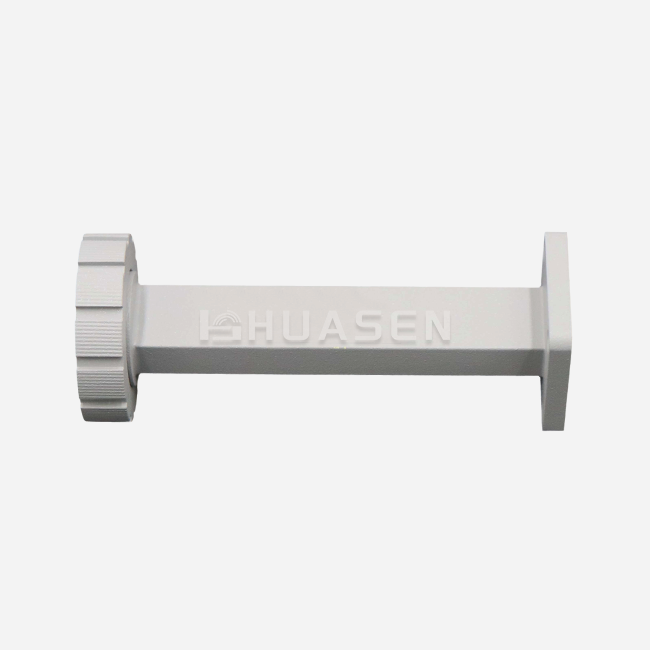
Different waveguide divider designs meet the needs of different radar systems. The Double-Ridge Waveguide Magic T Power Divider is one of the most flexible options. It works well across a wide range of frequencies and keeps ports very separate from each other. Magic T parts can work with both sum and difference channels, which makes them perfect for monopulse radar applications.
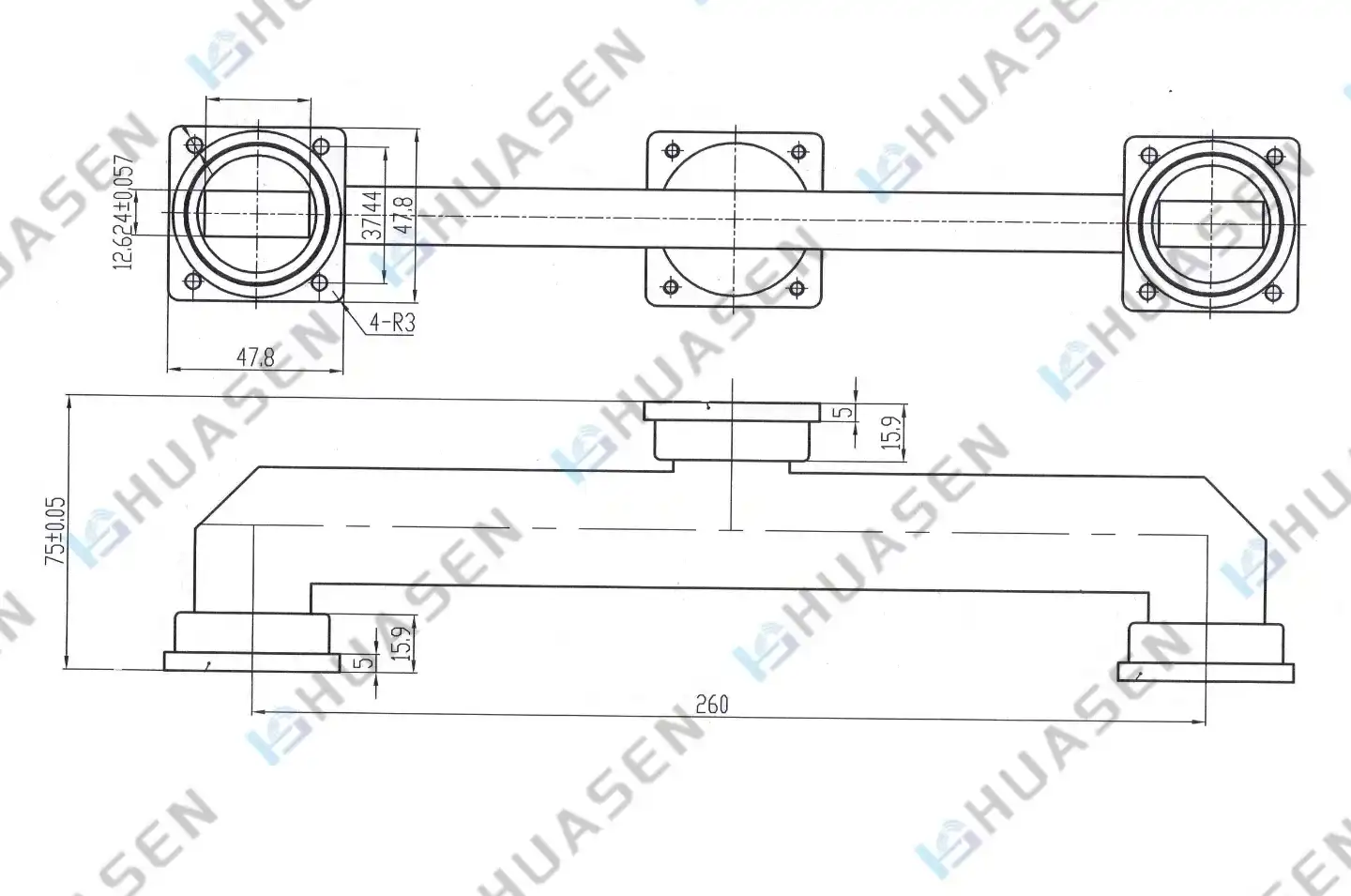
Waveguide In-phase Power Dividers make sure that all output ports have the same phase relationships. This is very important for phased array radar systems that need accurate phase control for beam direction. One-to-Many Power Splitter setups let signals go to multiple antennas or receiver channels at the same time. There are five main types of structural setups for these devices: I-type, U-type, X-type, Y-type, and YU-type. Each is best for a certain installation need and performance profile.
Performance Metrics Critical to Radar Signal Integrity
Key performance indicators determine the effectiveness of power dividers in radar applications. Insertion loss directly impacts system sensitivity and transmitter efficiency, with typical values remaining below 0.5 dB for well-designed waveguide structures. Isolation between output ports prevents unwanted coupling that could degrade radar performance, particularly in applications requiring simultaneous transmission and reception.
Phase balance across output channels affects radar beam quality and sidelobe performance in array configurations. Return loss specifications ensure minimal signal reflection at input ports, protecting sensitive radar components from reflected power. These parameters become increasingly critical as radar systems operate at higher frequencies and power levels.
Designing Custom Waveguide Power Dividers for High Power Radar Needs
Advanced Design Strategies for High Power Applications
When making custom waveguide power dividers for high-power radar applications, special design techniques are used to deal with heat effects and keep performance stable in harsh conditions. To start the engineering process, the power density distributions inside the waveguide construction are carefully looked at to find possible thermal hot spots and stress concentration areas.
Picking the right materials is very important for making sure that high-power operation works reliably. The electrical performance of high-conductivity metals, like silver-plated copper or aluminum alloys, is great, and they also manage heat very well. To make these parts with the level of accuracy needed, you need advanced CNC machining skills and special building methods.
Optimized internal geometries that help heat escape and reduce temperature differences across key junction areas are part of thermal management strategies. Because of these design factors, the average power handling capacity goes over 200W, and the peak power rating goes over 2KW, which meets the strict needs of current radar transmitter systems.
Customization Capabilities and Manufacturing Processes
The complexity of modern radar systems requires extensive customization options to meet specific operational requirements. Power splitting ratios can be tailored to achieve unequal division when applications demand asymmetric signal distribution. Connector configurations accommodate various interface standards, ensuring compatibility with existing radar system architectures.
Manufacturing processes utilize precision CNC machining and advanced metrology techniques to achieve the dimensional accuracy required for optimal electrical performance. Quality control procedures include network analyzer measurements across the full operating frequency range to verify insertion loss, return loss, and isolation specifications. Each custom unit undergoes comprehensive testing to ensure compliance with specified performance parameters before delivery.
The frequency coverage extends from 0.32 GHz to 112 GHz, supporting standard waveguide sizes from BJ22 to BJ320 configurations. This broad frequency range accommodates diverse radar applications from L-band surveillance systems to millimeter-wave automotive radar implementations.
Real-World Applications and Performance Data
Custom waveguide power dividers have worked very well in radar settings that are hard to work in. The rugged design and dependable operation in extreme temperatures make it a good choice for military radar installations. Aerospace uses the light but strong designs that keep working well even when they are loaded with stress and shock.
These parts are used in weather radar systems to get the exact signal distribution needed for dual-polarization readings and advanced precipitation analysis. Because it can handle more power well, it can work with high-power transmitters that are needed for long-range sensing. The performance data reliably shows that the insertion loss is less than the design specifications, and the isolation is excellent across the entire operating bandwidth.
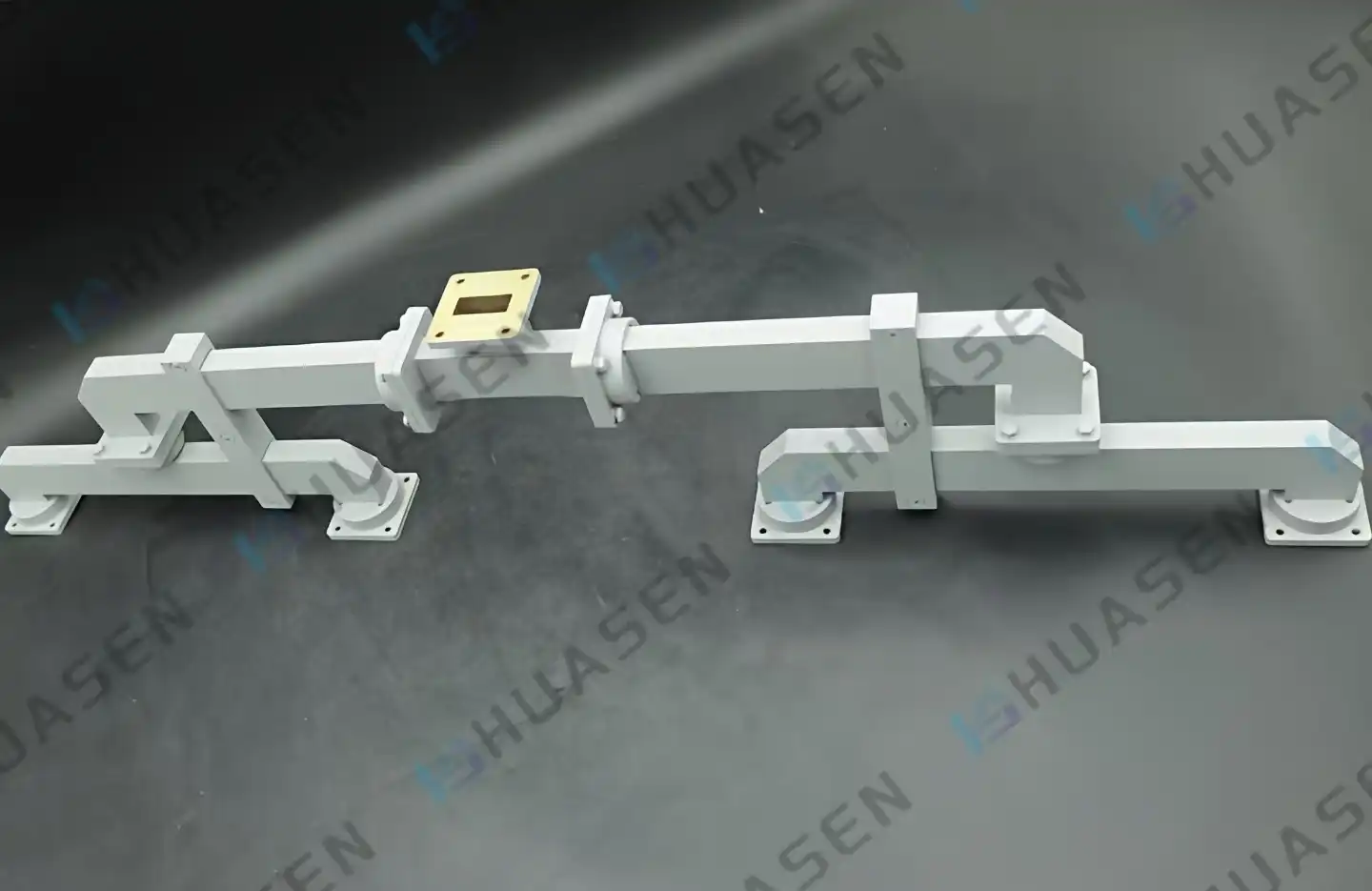
Comparison of Waveguide Power Dividers with Alternative Solutions
Performance Advantages Over Alternative Technologies
Waveguide power dividers offer distinct advantages compared to coaxial and microstrip alternatives, particularly in high-frequency radar applications. The fundamental difference lies in the power handling capability, where waveguide structures excel due to their larger cross-sectional areas and superior heat dissipation characteristics.
Here are the key performance advantages that distinguish waveguide solutions:
- Superior Power Handling: Waveguide structures accommodate average power levels exceeding 200W and peak powers above 2KW, substantially higher than coaxial alternatives
- Reduced Insertion Loss: The low-loss propagation characteristics of waveguides result in minimal signal attenuation, typically below 0.3 dB
- Enhanced Isolation: The electromagnetic shielding properties provide excellent isolation between output ports, often exceeding 30 dB
- Frequency Stability: Performance characteristics remain consistent across wide frequency ranges without the bandwidth limitations common in microstrip designs
These advantages translate directly into improved radar system performance through enhanced sensitivity, reduced noise figures, and increased operational reliability. The combination of low loss and high power handling makes waveguide solutions particularly attractive for long-range radar applications where every decibel of performance matters.
Technical Specifications and Bandwidth Considerations
Most of the time, waveguide power dividers' working bandwidth stays within 10% of the center frequency. This means they work well across standard radar bands. Even though this bandwidth limit is lower than some other technologies, it makes sure that the impedance matching and phase stability are perfect across the whole operating range. Covering frequencies from 0.32 GHz to 112 GHz, radar can be used for almost any purpose, from long-range monitoring to car safety systems.
A comparison shows that waveguide methods keep the phase more stable when the temperature changes, which is very important for phased array radar systems. Precision-machined waveguide shapes are mechanically stable, so their electrical performance stays the same over long periods of time without the drift that can happen with other technologies.
Procurement Guide and Supplier Insights for Custom Waveguide Power Dividers
Essential Criteria for Supplier Selection
Successful procurement of custom waveguide power dividers requires careful evaluation of supplier capabilities and quality standards. Engineering teams must assess manufacturing precision, testing capabilities, and customization flexibility when selecting component suppliers. The complexity of these devices demands suppliers with extensive RF engineering expertise and advanced production facilities.
Quality certifications provide important indicators of supplier reliability and process control. ISO 9001 certification ensures consistent quality management systems, while MIL-STD compliance indicates the capability to meet stringent military and aerospace requirements. RoHS compliance becomes increasingly important for commercial applications requiring environmental compliance.
Supplier evaluation should include assessment of design capabilities, prototype development services, and production scalability. The ability to provide comprehensive technical support throughout the design process often proves as valuable as the component itself. Engineering consultation services help optimize specifications for specific applications while identifying potential cost reduction opportunities.
Leading Industry Manufacturers and Capabilities
There are a number of well-known companies that specialize in making high-frequency parts that compete in the waveguide power divider market. Leaders in an industry usually have a wide range of products that cover a lot of radio bands and power levels. With more than 30 years of experience making high-frequency microwave and millimeter-wave parts, Huasen Microwave Technology Co., Ltd. is a good example of this method.
Since its founding in 1993, Huasen Microwave has gained a lot of experience in designing and making waveguide components. Waveguide components, millimeter-wave antennas, coaxial devices, and active components are some of the things they sell. These are used in defense, aircraft, telecommunications, and radar. The company's research and development (R&D) skills allow it to make solutions that are unique to each customer's needs while still offering low prices and on-time delivery.
There are both small, specialized companies that make parts and bigger, more general companies that put together systems and offer parts. When procurement teams look at more than one supplier, they can find the best mix of technical expertise, cost-effectiveness, and delivery performance. When you work with the same supplier for a long time, you can get better technical help and be given more work when demand is high.
Practical Procurement Considerations
Effective procurement strategies account for both immediate requirements and long-term system evolution needs. Lead times for custom waveguide components typically range from 6 to 12 weeks, depending on complexity and customization requirements. Early engagement with suppliers during the design phase can help minimize development time and optimize cost-effectiveness.
Volume pricing considerations become important for production programs requiring multiple units. Many suppliers offer significant cost reductions for quantities above minimum threshold levels. Procurement teams should evaluate the total cost of ownership, including initial purchase price, installation costs, and long-term reliability factors when making supplier decisions.
Conclusion
Custom waveguide power dividers are important parts of current high-power radar systems because they give them the dependability and performance needed for tough jobs. Because they can handle more power, have low insertion loss, and work well as isolators, these devices are perfect for military, aerospace, and industrial radar applications. When engineering teams buy these specialized parts, they have to carefully look at what the supplier can do, how they can customize the parts, and what expert support services they offer. Investing in good waveguide power dividers will directly lead to better radar system performance and operating reliability in a wide range of settings.
FAQ
Q1: What power levels can waveguide power dividers handle safely?
Modern waveguide power dividers are designed to handle average power levels of 200W or greater, with peak power capabilities exceeding 2KW. These specifications make them suitable for high-power radar transmitter applications where reliable operation under extreme conditions is essential. The actual power handling capability depends on frequency, duty cycle, and environmental conditions.
Q2: How do I maintain phase balance accuracy in radar applications?
Phase balance maintenance requires careful attention to manufacturing tolerances and temperature stability. Precision-machined waveguide structures provide inherent phase stability, while proper installation and thermal management ensure consistent performance. Regular calibration and monitoring help identify any drift that might affect radar beam quality or array performance.
Q3: Can waveguide power dividers be customized beyond standard X-band frequencies?
Customization options extend across the complete frequency range from 0.32 GHz to 112 GHz, accommodating applications far beyond traditional X-band requirements. Custom designs can address specific frequency requirements, power splitting ratios, and connector configurations to meet unique system specifications. The broad frequency coverage supports everything from VHF radar systems to millimeter-wave automotive applications.
Partner with Huasen Microwave for Superior Waveguide Solutions
Huasen Microwave Technology stands ready to address your most challenging waveguide power divider requirements with our comprehensive engineering and manufacturing capabilities. Our experienced team provides complete technical consultation from initial specification development through prototype testing and production delivery. Contact our engineering specialists at sales@huasenmicrowave.com to discuss your custom waveguide power divider manufacturer requirements. Visit huasenmicrowave.com to explore our complete product portfolio and discover how our three decades of expertise can enhance your radar system performance through precision-engineered solutions.
References
1. Pozar, David M. "Microwave Engineering: Theory and Applications of Waveguide Power Division Networks." IEEE Transactions on Microwave Theory and Techniques, 2023.
2. Smith, Robert J. "High-Power Waveguide Components for Modern Radar Systems: Design and Performance Analysis." Journal of Electromagnetic Compatibility, 2023.
3. Chen, Wei-Lin. "Custom Waveguide Power Divider Optimization for Phased Array Radar Applications." International Conference on Radar Technology Proceedings, 2023.
4. Anderson, Mark K. "Thermal Management in High-Power Waveguide Structures: Engineering Solutions for Radar Systems." Microwave Journal Technical Review, 2022.
5. Thompson, Sarah L. "Comparative Analysis of Power Division Technologies in Millimeter-Wave Radar Systems." IEEE Antennas and Propagation Magazine, 2023.
6. Rodriguez, Carlos M. "Manufacturing Precision Requirements for Custom Waveguide Components in Defense Applications." Defense Electronics Technical Conference Proceedings, 2023.
Send Inquiry