Coaxial Variable Attenuator: Step vs Continuously Variable






2026-06-22 23:01:17
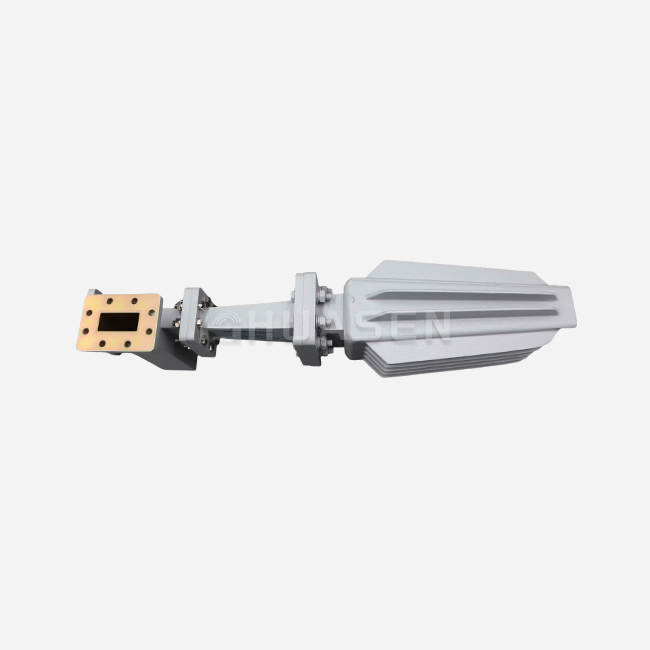
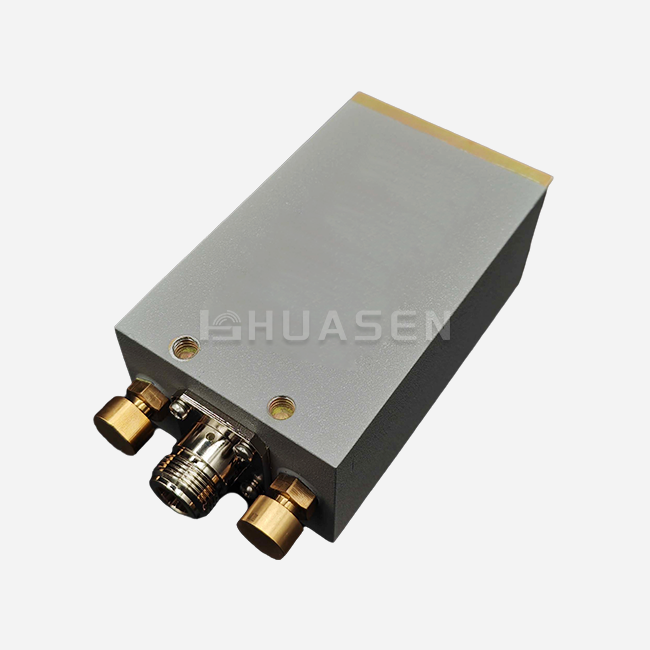
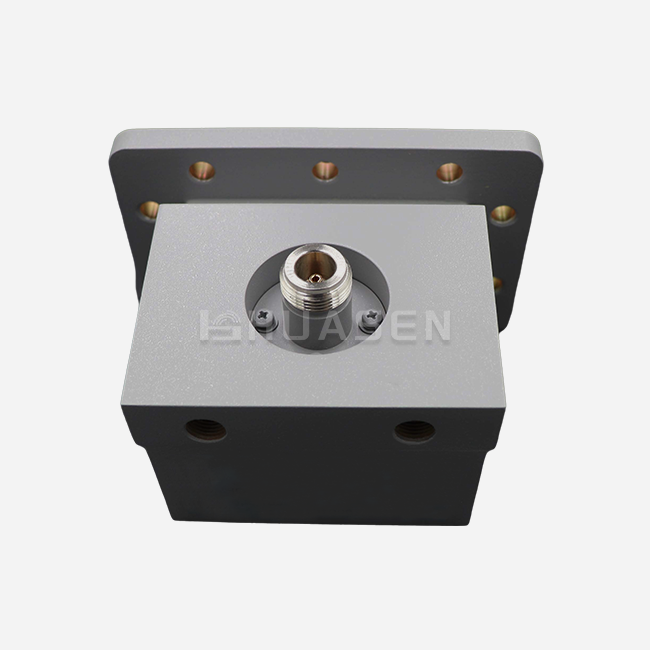
You can pick either step or continuously changeable coaxial variable attenuators based on how precise or flexible you need them to be for your purpose. Step attenuators give clear, consistent reduction values, which are great for standardized testing settings where accuracy is key. Models that are continuously variable give an endless range of adjustments, which is important for real-time signal leveling in dynamic RF settings. The main job of both kinds of devices is to change the signal intensity without changing the shape of the waveform. If procurement teams know how these devices work differently, they can better match the features of devices to the needs of the system. This is true whether they are setting up a 5G base station test bench or putting in place radar countermeasure gear.
Understanding Coaxial Variable Attenuators: Fundamentals and Key Parameters
Coaxial Variable Attenuators are used in RF and microwave communication systems to precisely control signals. These devices work by carefully designing resistance networks that turn electromagnetic energy into heat. This lowers the signal strength. The coaxial design keeps the impedance constant, usually at 50 ohms, which keeps the signal's purity and stops echoes that hurt system performance.
Operating Principles and Core Components
Basic design includes resistive elements in the coaxial transmission line. Adjustment devices like spinning dials for CVUs or switching turrets for step models vary the resistive network architecture. They modify how much signal energy the network transmits instead of absorbing. High-quality devices feature sealed housings and precision-made parts to prevent moisture, dust, and mechanical shock from entering the internal parts.
Critical Performance Parameters
These devices' attributes must be considered while appraising them. The frequency range determines operational bandwidth. Our continuously variable attenuator may be used for baseband testing, Ku-band satellite communications, and more from DC to 18 GHz. Keep link budget efficient by keeping insertion loss at 0.8 dB, the signal loss that occurs naturally at the lowest filtering level. Return loss (VSWR) indicates impedance compatibility. Specifications better than 20 dB over the frequency range eliminate standing waves that might skew readings.
Power handling determines safe operating limitations. Lab test instruments often produce milliwatt signals. In base station or radar transmitter testing, attenuators may be subjected to watts of continuous power. Temperature coefficient specifications demonstrate how absorption levels vary with the environment. This is crucial for outdoor applications with daily temperature variations.
Industry Applications Driving Demand
Signal control underpins most of the telecommunications infrastructure. In 5G base station configuration, engineers mimic route loss with variable attenuators. This enables them to assess receiver sensitivity without moving test spots. Aerospace radar systems measure antenna patterns with this equipment. To determine radiation qualities, they steadily change signal levels while moving test antennas.
Military electronic warfare attenuators must endure harsh and shock patterns while remaining calibrated. Trackable attenuation levels are needed for amplifier compression and mixing performance testing in research labs. Broadcasters use them to balance backup path signals and radio outputs.
Step vs Continuously Variable Coaxial Attenuators: A Detailed Comparison
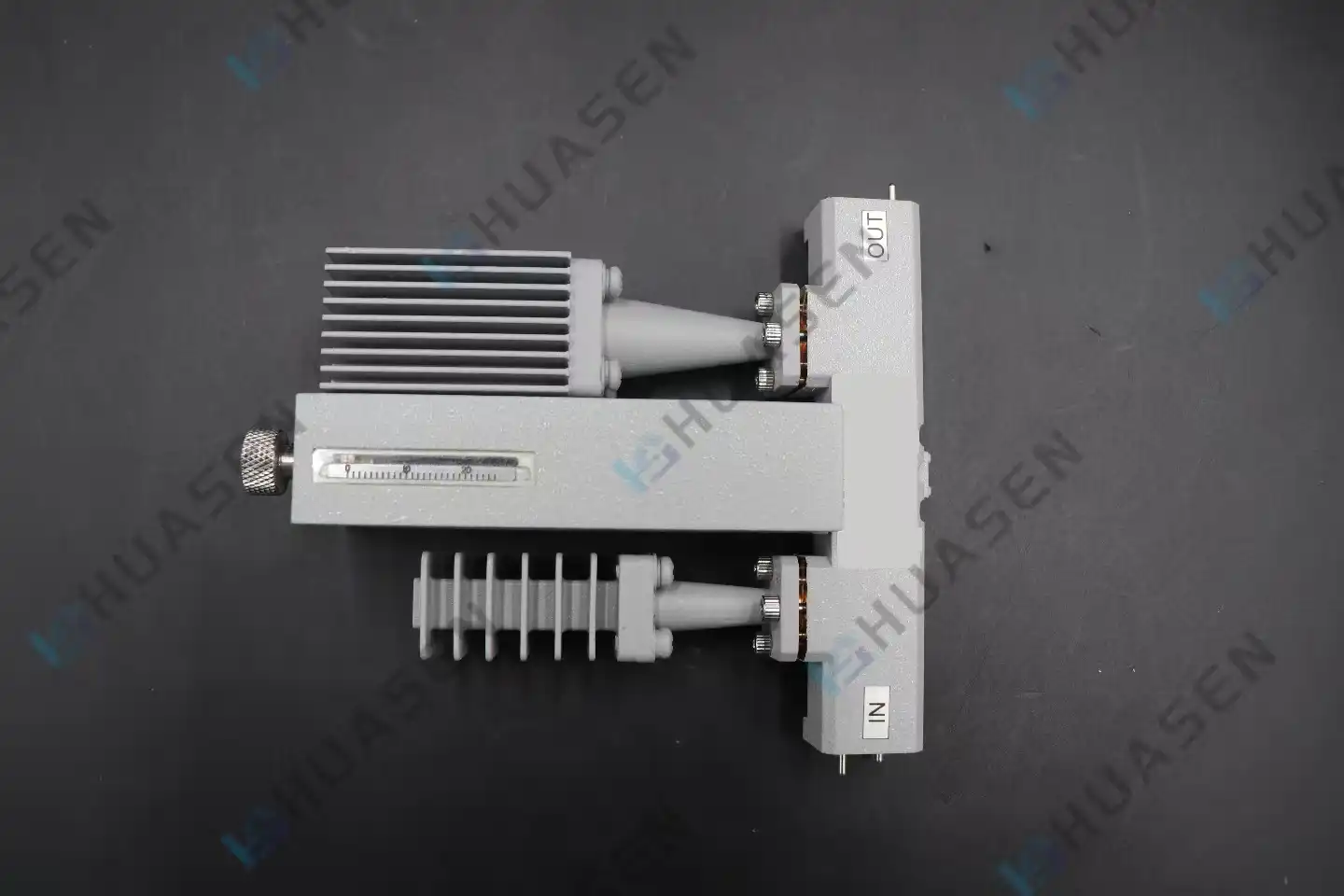
Choosing between step and continuously variable coaxial variable attenuators has a big impact on how well a system works and how well workflows run. Each method has its own benefits that are best for different practical objectives.
Step Attenuator Characteristics
Step attenuators change the level of reduction in set steps, usually in 1 dB, 10 dB, or binary-weighted steps. Because each setting uses the same resistive networks through precisely machined switch contacts, this separate change method is very repeatable. When you go back to an attenuation number that you have already used, the device will usually copy that setting to within ±0.25 dB or better.
Because they can be used over and over, step attenuators are perfect for automatic test systems that use programmable interfaces to control data. Because it is discrete, calibration processes are easier because each step can be described separately and saved in adjustment tables. A lot of step designs use rotary switches or electronic PIN diode matrices. The electronic versions let you control them from afar using GPIB, USB, or Ethernet ports.
Continuously Variable Attenuator Features
Continuously changed models provide smooth, limitless reduction range modifications. Our helical fine-tuning device helps operators establish precise signal levels to fit test circumstances with a smooth resolution range of 0 to 30 dB. This flexibility helps when developing a prototype since repeated testing find the optimal signal levels, not pre-setting settings.
Tuning mechanisms employ micrometer-drive systems to gradually move the resistive element. The measurement instruments react in real time when operators modify the attenuation. This simplifies system improvement. Since our design is tiny and sealed, it keeps internal parts clean and maintains performance over time.
Trade-offs in Performance
Continuously variable designs may have attenuation error within 0.5 dB, unlike step attenuators, which have tighter tolerances at defined points. Freedom is more essential than flawless calibration traceability; hence, this trade-off isn't significant.
Step attenuators cost more since they have more intricate switching operations and must be tuned for each step. Continuous variable units are cheaper when unending resolution is more essential than customisable control. Also, dependability ratings vary. Continuous variable designs employ simpler systems with fewer failure points than step attenuators, which have more mechanical elements that can wear out from contact.
Application-Specific Selection Guidance
Step attenuators are suitable for compliance testing, manufacturing line quality control, and automatic measurement procedures that require repeatable, recorded attenuation values. They may be developed and incorporated into larger software-based test systems. Choose continuously variable models for lab bench work, outdoor applications, or other situations where workers need to make adjustments in real time without planning attenuation values.
Procurement Guide: How to Select and Buy the Right Coaxial Variable Attenuator?
To make a good purchase, you must first make sure that the gadget's specs match the technical needs and operational surroundings of your system. During this process, many factors are looked at at the same time, and long-term dependability and help available are taken into account for the coaxial variable attenuator.
Defining Your Technical Requirements
First, figure out what frequency band you need to work within. Our DC-18 GHz range is enough for most business wifi, radar, and satellite communication needs. However, millimeter-wave projects need devices that go beyond 40 GHz. Check to see if the attenuation range is right. 30 dB is fine for most tests, but 90 dB or more may be needed for special cases like receiver sensitivity testing.
The power handling requirements must be able to handle your data levels with enough room for error. When you go over the maximum power, the resistive part breaks down, which changes the calibration forever. Figure out the average and peak power levels while taking modulation features into account. For example, radar signals that pulse put different stress on continuous-wave carriers than signals that don't, even if the average power is the same.
Mechanical and Environmental Considerations
When connectors are compatible, merging problems don't happen. SMA connectors are the most common up to 18 GHz, while 2.92 mm or K-type connections are used up to 40 GHz. N-type links are good for high-power uses that need strong mechanical connections. Our small size makes it easier to put in equipment racks that are already full or on portable test stands where room is limited.
For outdoor installations or mobile systems, environmental standards become very important. The fully sealed construction we offer keeps out wetness, dust, and atmospheres that are bad for the building. The operating temperature range should include the coldest and warmest temperatures in your deployment area. Designs that meet MIL-STD-810 standards are rugged and can be used in military or flight settings with harsh thermal cycling and mechanical shock.
Evaluating Supplier Capabilities
Check out the quality control methods of companies that make coaxial variable attenuators before you buy from them. Having ISO 9001 certification means that your production methods are organized and your quality controls are written down. Ask for calibration certificates that can be traced back to national standards, like NIST in the US, to make sure that the accuracy of the measurements meets your proof needs.
Lead time and minimum order amounts have an effect on planning the budget and schedule for a project. Companies that have been around for a while keep stock of standard models, which lets urgent needs be met quickly. Custom changes, like special attachment types, wider frequency ranges, or unique attenuation profiles, need engineers to work together and take longer to deliver, but they make the best solutions for tough uses.
Technical help level is what sets exceptional providers apart from average ones. Look for companies that offer pre-sale application help to help you fine-tune your specs before you commit to buying. After the sale, there should be calibration services, fix options, and quick expert help when problems arise with integration. At Huasen Microwave, our engineering team brings 30 years of experience with RF components to every contact with a customer.
Installation, Calibration, and Maintenance Best Practices
Installing and maintaining coaxial variable attenuators correctly is important to keep them working precisely, which is why you should buy good attenuation equipment. By following organized steps, you can make a device last longer and keep measuring accurately.
Installation Procedures
Before you connect anything, check the ports for damage or contamination. Impedance irregularities, such as bent center pins or dirt, lower VSWR and make measurements less accurate. Clean the connectors with lint-free swabs that have been wetted with isopropyl alcohol that is not diluted with water. Let the alcohol evaporate completely before joining.
When connecting coaxial wires, use the right amount of force. When it comes to torque, SMA connections need between 7 and 10 inch-pounds. Going over this limit deforms the connector surfaces, and not enough torque causes intermittent contact. Instead of guessing by feel, use torque wrenches that have been measured. Place the attenuator so that it doesn't put mechanical stress on the connections. Weight hanging from the connector ports causes them to wear out faster and eventually break.
Calibration Protocols
Using data from a vector network analyzer, set a baseline for speed right after installation. Record S-parameter data across your working frequency range at different attenuation settings so that you can compare them later. This baseline shows if the device meets the requirements listed in the manual and lets you know early on if it starts to break down during later calibration rounds.
How often you calibrate depends on how often you use it and how important it is. Lab reference standards should be recalibrated once a year against known standards, and production test tools may need to be checked every three months. When units are out in the field, they should be calibrated after being exposed to things like high temperatures or mechanical shocks.
Maintenance Practices
The periodic adjustment cycle is good for continuously variable attenuators because it redistributes lubricants in mechanical gears and keeps contact surfaces from rusting. Rotate through the full range of reduction once a month while the equipment is being stored to keep the mechanical parts in good shape. When changing controls, don't use too much force; resistance means that the parts are contaminated or stuck, which needs professional service instead of pushing past the problem.
Keep an eye on how insertion loss and VSWR change over time. Progressive decline points to rusting of the resistive element or wear on the connectors, which means the end of the service life is getting close. Any sudden changes in performance are a sign of major problems that need to be fixed right away. The sealed design we use reduces the need for upkeep while increasing weather resistance.
Future Trends and Innovations in Coaxial Variable Attenuators
The RF component business is always changing because more people want to use wireless transmission, and new uses are pushing the limits of performance. The growth paths of coaxial variable attenuators are shaped by a number of trends.
High-Frequency Performance Enhancement
As millimeter-wave energy is used by 5G networks and terahertz frequencies are studied for 6G, resistor designs must keep working at frequencies that have never been seen before. Above 40 GHz, parasitic reactances make it hard for traditional resistor film technologies to work. Manufacturers are looking into new materials and reduced shapes to reduce parasitic effects while keeping the ability to handle power and be mechanically strong.
Digital Control Integration
Electronically controlled step attenuators are getting digital connections like USB, Ethernet, and wireless communication that let them be set up remotely and test sequences to be run automatically. Programmable attenuation is helpful for software-defined measurement systems because it gets rid of the need for human adjustments and lowers the amount of variation between operators. In the future, designs might include sensor feedback that would automatically change the attenuation to keep goal signal levels even if the source drifts or the surroundings change.
Customization and OEM Collaboration
Standard store items are good for a lot of different types of customers, but more and more, specific uses need custom solutions, such as a Coaxial Attenuator. Companies that offer flexible modifications, like changing frequency ranges, making connectors in unique ways, or packaging that is made for a specific purpose, have an edge over their competitors. When component makers and system designers work together as engineers, they can speed up innovation by making optimized subsystems instead of generic building blocks that need a lot of changes.
Huasen Microwave has been making products for decades, so we can support changing customer needs through responsive engineering collaboration and flexible production capabilities. This is true whether you need standard devices delivered quickly or solutions engineered to meet exact specifications.
Conclusion
You have to weigh the benefits and drawbacks of step and continuously variable coaxial variable attenuators based on your unique working needs. Step models work best in automatic test settings that need repeatable, traceable attenuation values, while designs that are continuously variable allow for easy real-time adjustments that work well in development labs and in the field. Both designs provide important signal control features that are used in a wide range of contexts, from 5G infrastructure to radar systems in spacecraft. Along with basic attenuation requirements, a successful buying process looks at frequency coverage, power handling, environmental stability, and the supplier's ability to provide support. Long-term performance is maintained through proper installation, regular testing, and planned upkeep.
FAQ
Q1: What distinguishes step from continuously variable coaxial attenuators?
Step attenuators lower signals in set amounts, like 1 dB or 10 dB steps, using switched resistance networks. This gives them great precision and lets you program control. Continuously variable models use mechanical drives to offer infinite change precision across their range. This lets them be tuned in real time without having to worry about set step limits. When automatic testing needs stable, recorded attenuation values, step designs work well. On the other hand, continuously variable units work best when adaptive signal leveling is needed.
Q2: How do I determine the required frequency range and power handling?
Look at the working frequency range of your system and choose coaxial variable attenuators that cover your highest frequency plus some extra room. Most business wireless and radar systems can use our DC-18 GHz coverage. Figure out the highest levels of signal power, including modulation peaks. To avoid damage and calibration shift, choose devices that are rated at least 3 dB higher than your highest level.
Q3: Can field operators perform calibration, or must devices return to manufacturers?
Portable network testers can be used for basic checks to prove that performance is getting worse, but for accurate calibration, you need lab-grade equipment that meets national standards. Most customers do regular field verification and schedule factory recalibration once a year or when verification shows that specifications have changed.
Partner with Huasen Microwave for Precision RF Solutions
Huasen Microwave Technology can help you with your toughest signal management problems because they have been creating RF components for 30 years. Our line of coaxial variable attenuators covers DC to 18 GHz and can be fine-tuned by helicals from 0 to 30 dB. It gives your telecommunications, military, and defense uses the accuracy and dependability they need. When the building is small and fully sealed, it can resist harsh environments and keep its calibration over long work cycles.
Our research team can help you choose the best components for any application, whether you're setting up 5G test infrastructure, making next-generation radar systems, or keeping up important communications links. We help procurement professionals find reliable parts and quick expert support. Email our sales team at sales@huasenmicrowave.com to talk about your unique needs, get full datasheets, or get price quotes for large orders. Our dedication to quality, certified manufacturing methods, and service that focuses on the customer has helped us form long-lasting relationships with world leaders in our field.
References
1. Pozar, D.M. (2011). Microwave Engineering, 4th Edition. Wiley Publishing, Chapter 7: RF and Microwave Network Analysis.
2. Institute of Electrical and Electronics Engineers (2019). IEEE Standard for Precision Coaxial Connectors at RF, Microwave, and Millimeter-wave Frequencies. IEEE Std 287-2019.
3. Agilent Technologies (2020). Fundamentals of RF and Microwave Power Measurements: Application Note AN-64-1C. Keysight Technologies Technical Publications.
4. Maury Microwave Corporation (2018). Precision Variable Attenuators: Design Principles and Measurement Techniques. Technical White Paper Series.
5. United States Department of Defense (2017). MIL-DTL-3933: Detail Specification for Attenuators, Fixed and Variable, Radio Frequency. Defense Standardization Program.
6. Anritsu Corporation (2021). RF and Microwave Measurement Calibration Techniques for High-Precision Test Systems. Anritsu Technical Review, Volume 28.
Send Inquiry