Fixed vs. Variable Coaxial Loads: Which One Fits Your Test Scenarios Better?






2019-02-20 09:05:03
Choosing the right Coaxial Load for your RF and microwave testing needs is essential for getting accurate results and a system that works well. Your individual test situations, frequency needs, and power handling abilities will determine whether you need a fixed or variable Coaxial Load solution. Fixed Coaxial Load units work consistently and reliably within set parameters, making them perfect for standardized testing situations. On the other hand, variable Coaxial Load systems give engineers the freedom to change settings based on changing test needs. Both types deliver ultra-low reflection characteristics with VSWR values below 1.03, ensuring minimal signal distortion. Companies may improve their testing infrastructure and achieve more precise measurements in telecommunications, radar, aerospace, and the military by recognizing the specific benefits and uses of each Coaxial Load category.
Understanding Fixed Coaxial Loads
Design, Architecture, and Structure
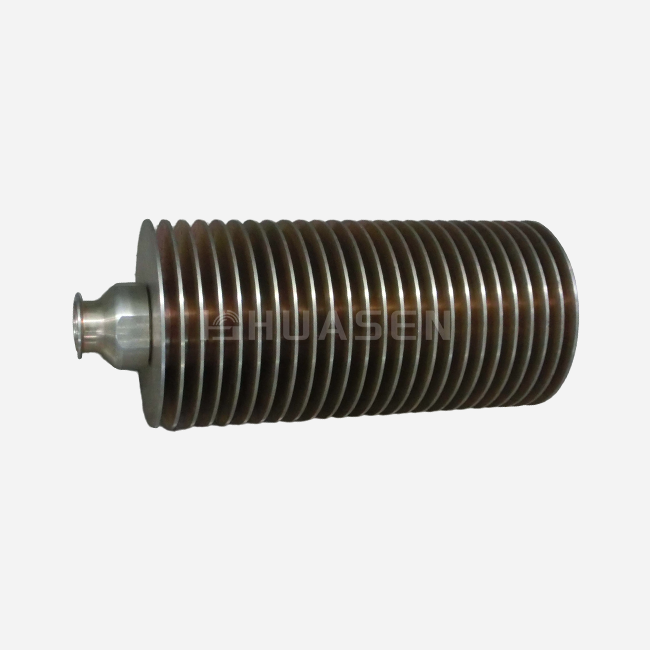
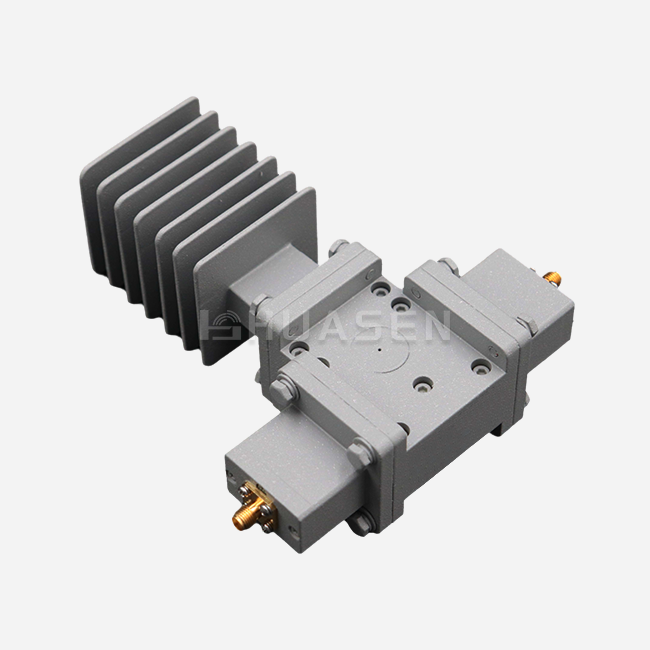
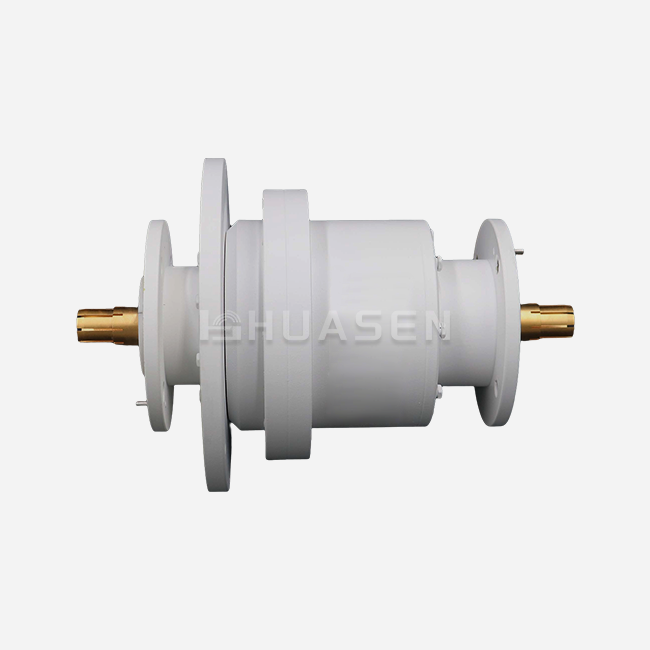
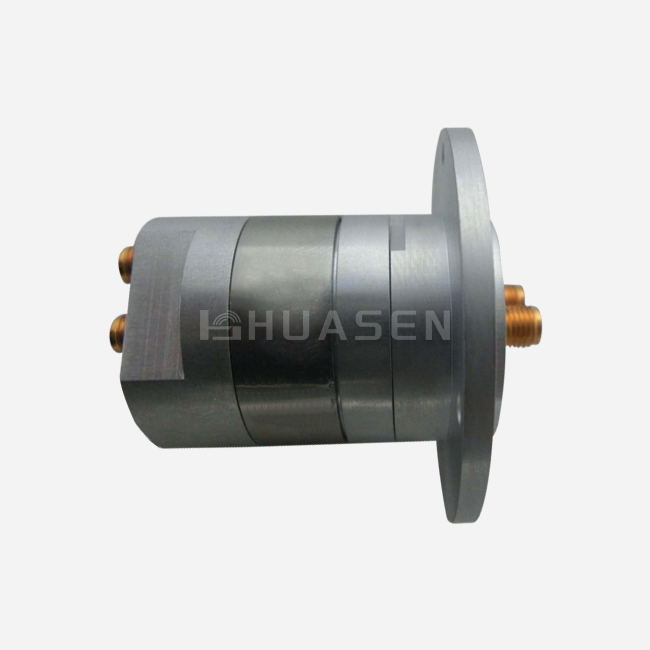
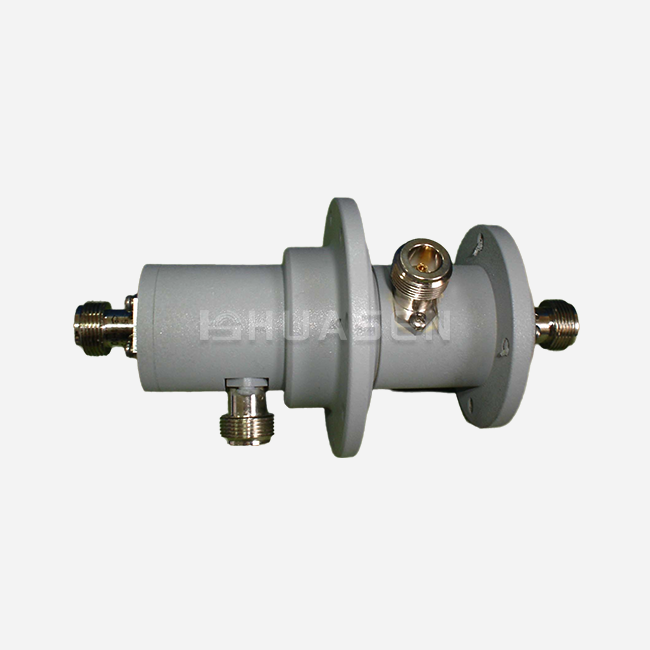
Fixed Coaxial Load configurations feature precisely engineered resistive elements integrated into stable housing structures that maintain consistent electrical properties across operating conditions. The design architecture uses advanced CNC machining processes to get tight tolerances, which means that each fixed Coaxial Load part meets strict performance specifications. These devices utilize premium copper and aluminum materials, combined with gold-plated connectors, to deliver superior electrical contact and minimal insertion loss of approximately ±0.05 dB. Because fixed Coaxial Load units are small and easy to move around, they can be added to test benches without needing a lot of reconfiguring. Engineers particularly value fixed Coaxial Load solutions for applications where standardized testing protocols demand consistent, repeatable results. The resistive design principle enables DC-start frequency capabilities with exceptionally low-frequency reflection characteristics, making fixed Coaxial Load systems particularly suitable for comprehensive frequency range testing from DC to 60 GHz across multiple connector types, including N-type, SMA, and 7/16 variations.
Performance Characteristics and Reliability
The operational reliability of fixed Coaxial Load components stems from their robust construction and rigorous testing protocols implemented during manufacturing. At different points in the production process, every fixed Coaxial Load unit goes through thorough quality assurance checks to make sure it is consistent and reliable. Thermal stability is an important performance measure for fixed Coaxial Load devices. This means that the temperature drift stays below 0.01 dB per degree Celsius, which ensures that the devices work the same way in different environments. Fixed Coaxial Load solutions support average power dissipation up to 400 watts and peak power handling capabilities reaching 5000 watts, accommodating diverse testing requirements. The ultra-low reflection characteristics inherent to fixed Coaxial Load technology, with VSWR maintained below 1.05, minimize signal distortion and measurement uncertainty. ISO 9001 certification backs all fixed Coaxial Load manufacturing processes, while RoHS and REACH compliance ensure environmental safety standards. Organizations implementing fixed Coaxial Load systems benefit from one-year comprehensive warranties and professional technical support, providing confidence in long-term operational excellence.
Application Scenarios and Industry Use Cases
Fixed Coaxial Load implementations find widespread adoption across RF and microwave testing laboratories where standardized measurement protocols demand consistent performance. Telecommunications infrastructure development relies heavily on fixed Coaxial Load components for verifying transmission line integrity and signal quality. Radar system development engineers utilize fixed Coaxial Load devices to calibrate measurement systems and establish baseline performance references for complex RF circuits. Aerospace and defense equipment manufacturers incorporate fixed Coaxial Load solutions into their testing procedures to ensure compliance with stringent military specifications and performance standards. Research facilities developing 5G and 6G technologies employ fixed Coaxial Load systems for preliminary system characterization and validation studies. The plug-and-play compatibility of fixed Coaxial Load units with standard RF test equipment accelerates integration timelines and reduces setup complexity for laboratory environments.
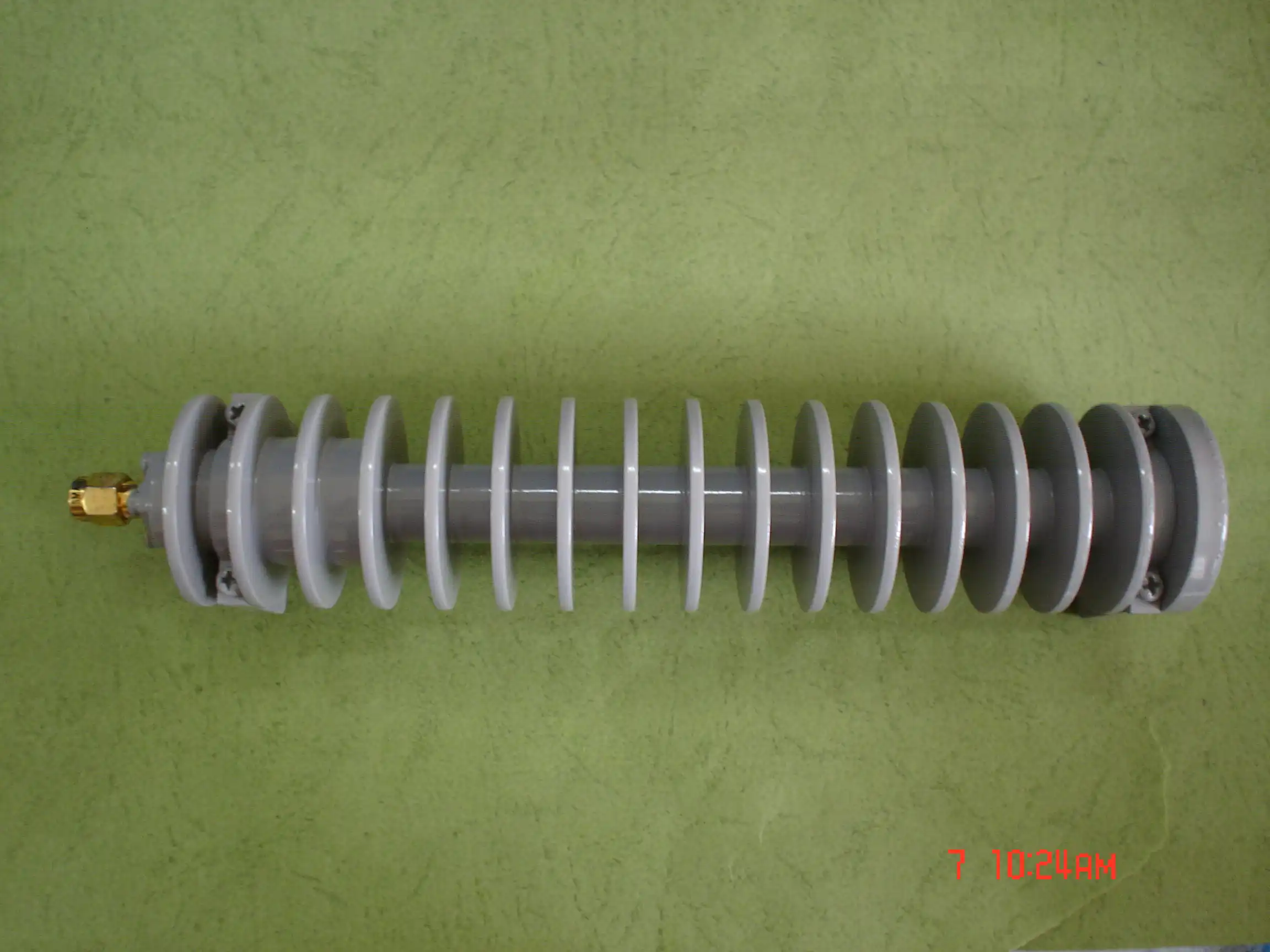
Exploring Variable Coaxial Loads
Adaptive Configuration and Flexibility
Variable Coaxial Load systems represent advanced solutions designed for dynamic testing environments where application requirements frequently shift. With Variable Coaxial Load technology, engineers may change the impedance and power dissipation settings without having to replace all of the test fixtures. This gives them a lot of operational flexibility. The adaptive architecture of changeable Coaxial Load components allows for varied frequency bands and connector configurations, making it easy to switch between different test scenarios. Modern variable Coaxial Load designs incorporate sophisticated mechanical and electrical tuning mechanisms that maintain VSWR performance below 1.03 across adjustable operating ranges. Variable Coaxial Load solutions are different from fixed ones since they are flexible. This lets test engineers fine-tune configurations for individual measurement needs. High-power variable Coaxial Load setups use plate-type and water-cooled designs that let them run for long periods of time in very hot settings. Engineers appreciate variable Coaxial Load systems for research applications and developmental testing phases where specification requirements remain fluid and evolving.
Power Handling and Thermal Management
Advanced variable Coaxial Load configurations incorporate sophisticated thermal management systems capable of handling extreme power levels while maintaining electrical performance stability. Water-cooled variable Coaxial Load designs represent premium solutions for applications demanding sustained high-power dissipation, extending operational capabilities well beyond standard air-cooled implementations. Plate-type variable Coaxial Load configurations provide intermediate solutions, balancing power handling capacity with practical installation requirements. The thermal stability of variable Coaxial Load components maintains insertion loss consistency below ±0.05 dB across wide temperature ranges, with temperature coefficients typically remaining under 0.01 dB per degree Celsius. Variable Coaxial Load systems designed for high-power applications incorporate precision resistive elements engineered from advanced materials that withstand extreme thermal stress. Active variable Coaxial Load products combine resistive and absorptive elements, utilizing microwave absorbing materials optimized for high-frequency performance and exceptional power dissipation. The versatile connector compatibility of variable Coaxial Load devices, supporting N-type, SMA, and 2.92-type connectors, accommodates integration across diverse test platforms.
Customization Capabilities and Tailored Solutions
Huasen Microwave recognizes that every RF application demands unique specifications, offering extensive customization options for variable Coaxial Load solutions. Engineers can specify variable Coaxial Load performance characteristics, including impedance levels, frequency ranges, connector types, and power handling requirements according to precise application demands. Variable Coaxial Load customization extends to mechanical mounting interfaces, allowing seamless integration into specialized test fixtures and measurement systems. The efficient production processes and local inventory hubs supporting variable Coaxial Load manufacturing enable rapid turnaround for customized configurations, reducing procurement timelines significantly. Variable Coaxial Load solutions can be tailored to operate across complete frequency spectrums from DC to 60 GHz, supporting emerging technologies and advanced research initiatives. Precision engineering techniques deliver customized variable Coaxial Load components with insertion loss tolerances of ±0.05 dB and impedance matching accuracy supporting optimal measurement performance. Organizations selecting customized variable Coaxial Load solutions benefit from dedicated technical consultation services, ensuring optimal configuration selection for specific test requirements and performance objectives.

Comparative Analysis: Fixed versus Variable Coaxial Loads
Performance Metrics and Measurement Accuracy
Both fixed and variable Coaxial Load solutions deliver exceptional performance metrics, with the selection criteria depending primarily on application requirements rather than absolute performance superiority. Fixed Coaxial Load units provide stable, predictable performance characteristics ideal for standardized testing environments and established measurement protocols. Variable Coaxial Load systems maintain equivalent reflection coefficients and insertion loss specifications while offering configuration flexibility for evolving test scenarios. The ultra-low VSWR specifications maintained by both Coaxial Load categories, typically below 1.03, ensure minimal signal distortion and measurement uncertainty in sensitive RF applications. Thermal stability represents a shared performance advantage across both fixed and variable Coaxial Load technologies, with temperature drift remaining negligible across operational ranges. Laboratory validation studies consistently demonstrate that appropriately configured fixed and variable Coaxial Load solutions produce equivalent measurement accuracy when operating within their respective design parameters.
Cost-Benefit Analysis and Economic Considerations
Fixed Coaxial Load implementations typically present lower initial acquisition costs due to standardized manufacturing processes and established production economies of scale. Variable Coaxial Load systems cost more since they are more flexible and can be customized, which makes them more valuable in dynamic testing conditions. The long-term costs of owning permanent Coaxial Load systems are low and easy to estimate, which helps established testing labs manage their budgets. In research and development settings where flexibility makes greater initial costs worthwhile, variable coaxial load investments offer a better return on investment. Organizations consolidating multiple fixed Coaxial Load units to accommodate diverse testing scenarios should evaluate variable Coaxial Load solutions as potential cost-reduction alternatives. The extended lifespan of both Coaxial Load categories, supported by comprehensive warranties and technical maintenance, ensures long-term economic efficiency.
Conclusion
Selecting between fixed and variable Coaxial Load solutions requires careful evaluation of your specific testing requirements, frequency specifications, and operational flexibility needs. Fixed Coaxial Load systems excel in standardized laboratory environments with consistent measurement protocols, delivering reliable performance at economical price points. Variable Coaxial Load technologies provide adaptive solutions for dynamic research environments and evolving application specifications. Both Coaxial Load categories deliver exceptional performance with VSWR below 1.03 and comprehensive thermal stability, ensuring measurement accuracy across telecommunications, radar, aerospace, and defense applications.
Ready to Optimize Your RF Testing Performance?
Huasen Microwave stands as a leading Coaxial Load manufacturer and trusted Coaxial Load supplier, delivering premium-quality RF solutions backed by over three decades of industry expertise. Whether your project demands fixed stability or variable flexibility, our comprehensive range of Coaxial Load products meets the most demanding requirements in telecommunications, radar, aerospace, and defense sectors. Our commitment to precision engineering, thermal stability, and exceptional durability has established Huasen Microwave as the preferred partner for industry professionals seeking reliable, high-performance RF components. Partner with us today and experience the difference that premium Coaxial Load solutions can deliver to your testing infrastructure. Contact our team today: sales@huasenmicrowave.com.
References
1. IEEE Standards for RF and Microwave Measurement Techniques: Coaxial Transmission Line Characterization and Load Impedance Specifications (IEEE 1149.1-2019)
2. Pozar, D. M. (2011). Microwave Engineering: Advanced Techniques and Applications in RF Component Design and Measurement Systems. Pearson Education
3. Collin, R. E. (2001). Foundations for Microwave Engineering: Coaxial Load Theory and High-Frequency Component Analysis. McGraw-Hill Professional
4. International Organization for Standardization (2015). ISO 9001:2015 Quality Management Systems Applied to RF and Microwave Equipment Manufacturing
5. Knight, M. T., & Davidson, D. B. (2014). Advanced RF Testing Methods: Impedance Matching, Load Characterization, and Measurement Uncertainty in Coaxial Systems. IEEE Microwave Magazine
6. Transmitter and Receiver Verification Standards for Telecommunications: Performance Requirements for Coaxial Load Testing and RF Component Validation (ITU-T G.703 Series Recommendations)
Send Inquiry