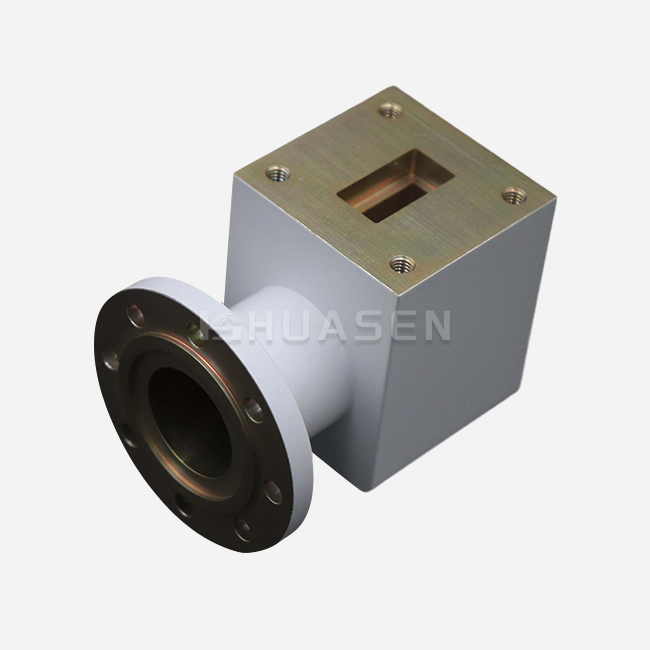
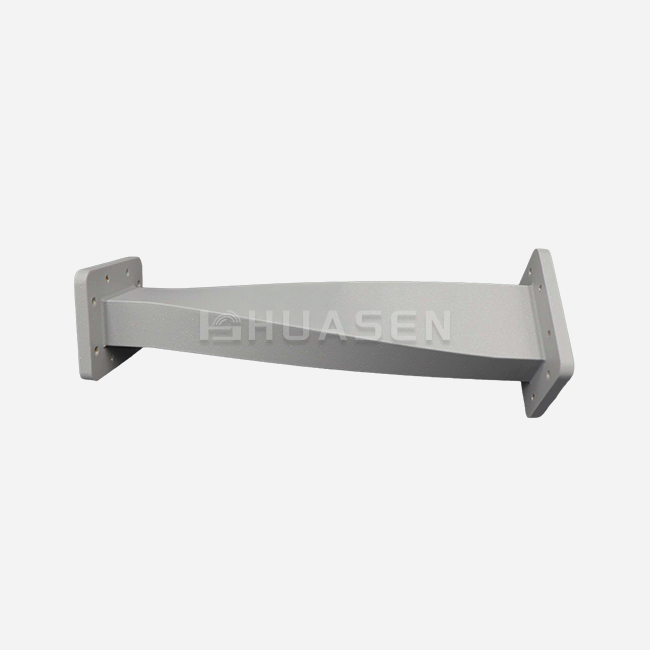
What key performance indicators should be prioritized when selecting a Dual Channel Waveguide Rotary Joint?






2019-02-19 11:43:26
Selecting the optimal Dual Channel Waveguide Rotary Joint demands careful evaluation of critical performance indicators that directly impact system reliability and operational efficiency. When evaluating a Dual Channel Waveguide Rotary Joint, engineers must prioritize inter-channel isolation performance, power handling capacity, frequency coverage bandwidth, and mechanical durability characteristics. The Dual Channel Waveguide Rotary Joint serves as a crucial component in radar systems, satellite communications, and high-power microwave transmission applications, requiring a comprehensive assessment of electrical specifications and mechanical robustness. Available configurations, including U+I, U+L, and U+U types, ensure compatibility with diverse system architectures while maintaining superior isolation exceeding 50 dB. Understanding which performance metrics require prioritization enables informed selection decisions that optimize system performance, minimize signal degradation, and ensure long-term operational reliability across demanding aerospace, defense, and telecommunications applications.
Electrical Performance Indicators
Inter-Channel Isolation and Signal Integrity
The inter-channel isolation specification represents the most critical electrical performance indicator when evaluating Dual Channel Waveguide Rotary Joint solutions for sensitive applications. Superior isolation performance protects signal integrity by minimizing unwanted coupling between adjacent transmission channels, preventing cross-talk and signal degradation. Huasen Microwave's Dual Channel Waveguide Rotary Joint designs consistently achieve inter-channel isolation exceeding 50 dB, with premium configurations delivering performance levels reaching 60 dB or beyond. This unique ability to isolate signals means that signals sent through one channel won't be affected by energy leaking from other channels. This is very important for radar systems that need very accurate angular resolution and very little noise figure degradation. The Dual Channel Waveguide Rotary Joint's shielding effectiveness, which is certified at 100 dB across the 1-40 GHz band, protects against electromagnetic interference that is necessary in aerospace and defense settings. Engineers should prioritize isolation specifications matching their specific noise budget requirements, as inadequate isolation directly compromises measurement accuracy and system detection sensitivity.
Frequency Coverage and Bandwidth Specifications
Comprehensive frequency coverage represents an essential performance indicator influencing the operational range and application versatility of Dual Channel Waveguide Rotary Joint components. The 2.6 GHz to 40 GHz coverage bandwidth accommodates modern radar systems, satellite communications infrastructure, and emerging 5G/6G technologies, providing substantial operational flexibility. Engineers must verify that the selected Dual Channel Waveguide Rotary Joint configuration supports the specific frequency bands required by their application, as improper frequency matching introduces insertion loss and degrades transmission efficiency. Huasen's Dual Channel Waveguide Rotary Joint designs deliver consistent electrical performance across the entire frequency spectrum, maintaining low insertion loss and stable VSWR characteristics regardless of operating frequency. Multi-octave frequency coverage within a single Dual Channel Waveguide Rotary Joint unit eliminates the requirement for separate components across different frequency bands, substantially reducing system complexity and component inventory requirements. Organizations developing systems supporting multiple frequency bands should prioritize Dual Channel Waveguide Rotary Joint designs demonstrating flat insertion loss curves and minimal frequency-dependent performance variation.

Power Handling and Thermal Characteristics
Power handling capability represents a fundamental electrical performance indicator directly correlating with system reliability and operational lifespan. The Dual Channel Waveguide Rotary Joint must safely dissipate continuous-wave power up to 600 watts while accommodating peak power pulses reaching 600 kilowatts, specifications critical for high-energy radar applications. Thermal management considerations affect how well the Dual Channel Waveguide Rotary Joint can keep its performance stable over long periods of use, especially when sending pulsed signals.High-end Dual Channel Waveguide Rotary Joint designs have precise bearing assemblies and specific cooling routes that spread thermal energy evenly, stopping localized hot spots that shorten the life of parts. Engineers should give priority to Dual Channel Waveguide Rotary Joint designs that include thermal monitoring features or thermally optimized housing designs. This will make sure that the joints can work in military and aerospace temperature settings for a long time. Adequate power handling capacity prevents premature component failure and unexpected system downtime in critical defense and communication applications.
Mechanical Performance Characteristics
Bearing Durability and Rotational Life Expectancy
Mechanical durability represents a paramount performance indicator determining the Dual Channel Waveguide Rotary Joint operational lifespan and maintenance requirements. Huasen Microwave's Dual Channel Waveguide Rotary Joint designs feature reinforced bearing assemblies engineered for continuous operation exceeding 5,000,000 rotations at 30 RPM, establishing exceptional mechanical reliability standards. The bearing architecture within the Dual Channel Waveguide Rotary Joint must withstand sustained rotational stress without introducing friction-related signal loss or mechanical wear that compromises electrical performance. Premium bearing materials and precision manufacturing tolerances ensure that Dual Channel Waveguide Rotary Joint components maintain low torque characteristics throughout their operational lifespan, critical for applications demanding minimal parasitic mechanical resistance. Engineers evaluating Dual Channel Waveguide Rotary Joint options should prioritize specifications documenting confirmed operational life under representative load conditions, as bearing quality directly impacts total cost of ownership and system availability. Reinforced bearing designs distinguish premium Dual Channel Waveguide Rotary Joint solutions from competitive alternatives, justifying their selection in mission-critical applications.
Structural Integration and Configuration Flexibility
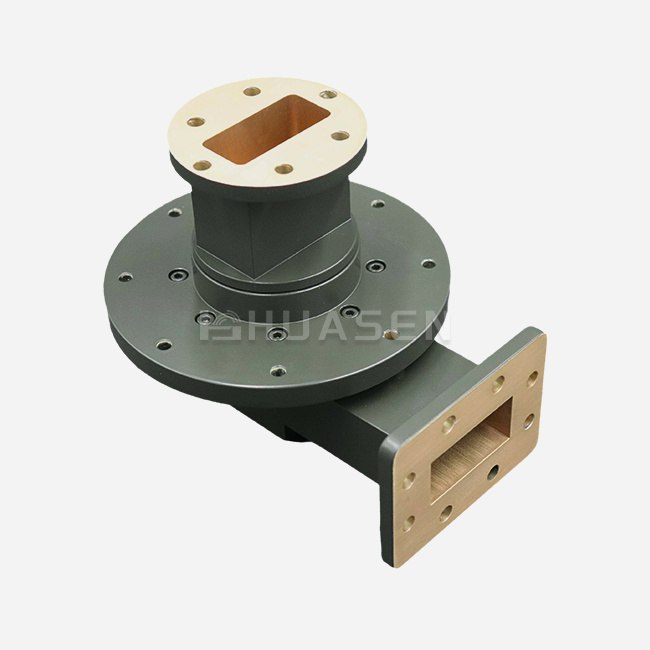
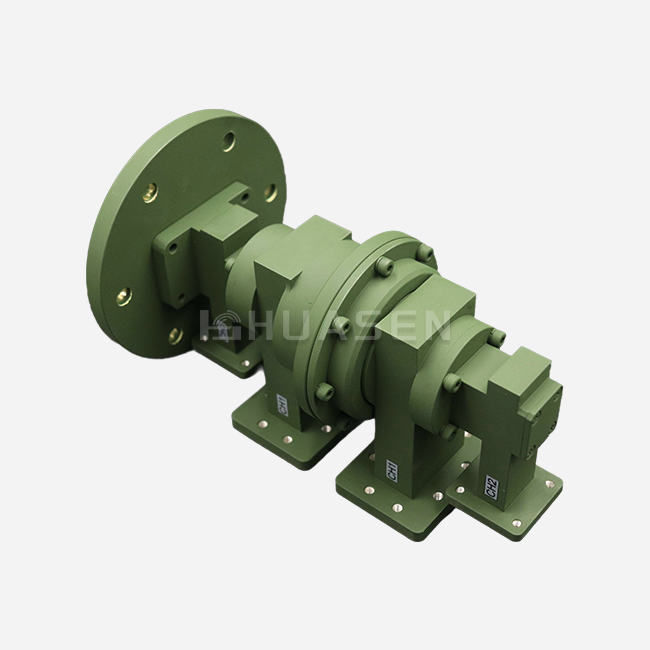
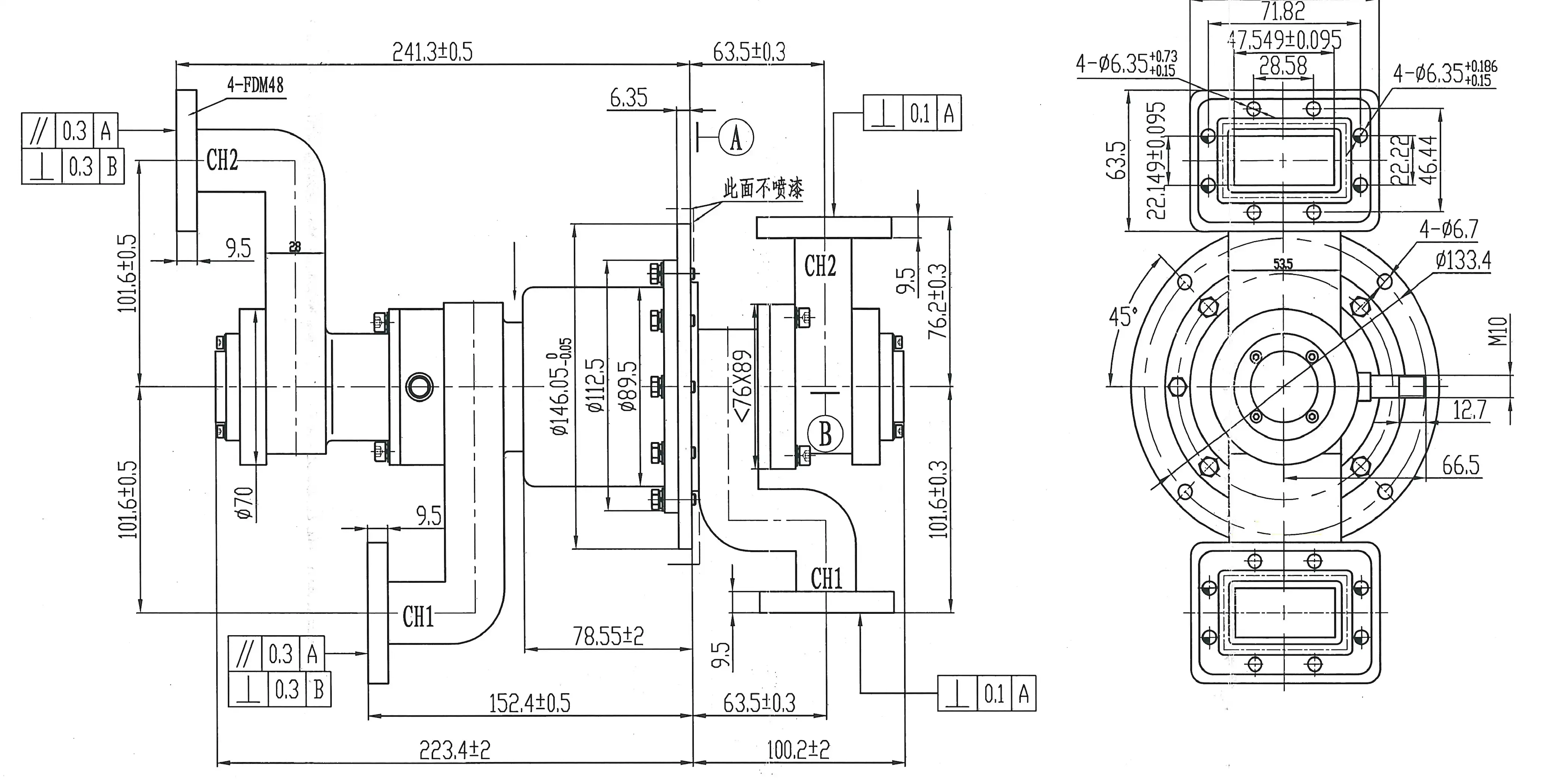
The physical architecture of the Dual Channel Waveguide Rotary Joint significantly influences installation complexity and system integration feasibility. Available configuration types—U+I, U+L, and U+U—provide engineering teams substantial flexibility for accommodating diverse antenna geometries and transmission path requirements within existing system platforms. The integrated Dual Channel Waveguide Rotary Joint design reduces overall component count while improving mechanical stability compared to multiplexed arrangements using separate single-channel devices. Compact design features of the Dual Channel Waveguide Rotary Joint enable installation within space-constrained environments, particularly valuable for satellite antenna systems and vehicular-mounted radar platforms. Engineers should prioritize Dual Channel Waveguide Rotary Joint options offering standard flange interfaces compatible with industry-standard waveguide dimensions, ensuring drop-in replacement capability and minimizing mechanical redesign requirements. The Dual Channel Waveguide Rotary Joint structural integrity directly influences overall platform stability and performance consistency throughout demanding operational scenarios.
Environmental Protection and Reliability Standards
Environmental protection ratings establish the Dual Channel Waveguide Rotary Joint's suitability for deployment across diverse operational environments and climatic conditions. The IP67 rating designating Dual Channel Waveguide Rotary Joint components ensures comprehensive dust and fluid resistance, enabling reliable operation in maritime platforms, desert environments, and high-humidity conditions. Huasen Microwave's Dual Channel Waveguide Rotary Joint manufacturing processes incorporate ISO 9001 certification and RoHS/REACH compliance, establishing global quality standards and environmental sustainability commitments. Rigorous pre-shipment testing protocols verify that every Dual Channel Waveguide Rotary Joint unit meets stringent electrical and mechanical specifications, including VSWR, insertion loss, and isolation measurements. Organizations requiring compliance documentation for defense procurement or aerospace qualification standards should prioritize Dual Channel Waveguide Rotary Joint suppliers providing comprehensive certification portfolios and validated test reports. Environmental protection and quality assurance metrics directly influence Dual Channel Waveguide Rotary Joint reliability in mission-critical applications.
Selection Criteria and Application Alignment
Performance-to-Application Matching
Successful Dual Channel Waveguide Rotary Joint selection requires systematic alignment between specified performance indicators and actual application requirements. Radar system designers must prioritize isolation and power handling specifications, while satellite communications engineers emphasize frequency coverage and mechanical reliability. The Dual Channel Waveguide Rotary Joint configuration selection process demands technical consultation with experienced component engineers who understand system-level performance implications. Customization options available through Huasen Microwave enable Dual Channel Waveguide Rotary Joint optimization for specific frequency bands and flange configurations, ensuring optimal performance alignment. Engineers should develop comprehensive performance requirement matrices documenting all critical indicators, then systematically evaluate candidate Dual Channel Waveguide Rotary Joint designs against these specifications. This methodical approach prevents costly component substitutions and ensures system performance objectives are achieved.
Cost-Effectiveness and Total Ownership Considerations
While initial procurement cost influences purchasing decisions, the total cost of ownership provides a more meaningful economic assessment for Dual Channel Waveguide Rotary Joint selections. Premium Dual Channel Waveguide Rotary Joint designs offering superior isolation and extended operational lifespan deliver substantial long-term value despite higher initial investment. The integrated Dual Channel Waveguide Rotary Joint architecture eliminates duplicate components, reducing system complexity and associated maintenance requirements. Huasen Microwave's comprehensive one-year warranty and dedicated technical support minimize unexpected failure costs and system downtime expenses. Organizations evaluating Dual Channel Waveguide Rotary Joint options should calculate lifecycle costs, incorporating procurement expenses, maintenance requirements, and reliability performance metrics to identify genuinely economical solutions.
Customization and Scalability Opportunities
The Dual Channel Waveguide Rotary Joint flexibility enables customization, addressing unique system requirements and emerging technological demands. Huasen Microwave engineers collaborate with customers to develop customized Dual Channel Waveguide Rotary Joint solutions optimized for specific frequency bands, power levels, and mechanical interfaces. This collaborative approach ensures the selected Dual Channel Waveguide Rotary Joint configuration perfectly matches system architecture and performance objectives. Scalable Dual Channel Waveguide Rotary Joint designs accommodate future technology upgrades and system expansions, protecting long-term technology investments.
Conclusion
Prioritizing inter-channel isolation, power handling capacity, frequency coverage, and mechanical durability ensures optimal Dual Channel Waveguide Rotary Joint selection for demanding aerospace, defense, and telecommunications applications. Huasen Microwave's commitment to precision engineering and quality manufacturing delivers Dual Channel Waveguide Rotary Joint solutions exceeding industry standards while providing comprehensive technical support and customization capabilities for diverse operational requirements.
FAQ
1. What isolation performance should I prioritize in a Dual Channel Waveguide Rotary Joint?
Inter-channel isolation exceeding 50 dB represents the recommended minimum threshold for most applications, with 60 dB isolation providing optimal performance in sensitive radar systems. Huasen Microwave's Dual Channel Waveguide Rotary Joint designs consistently achieve these specifications, ensuring minimal cross-talk and superior signal integrity. The EMI/RFI shielding effectiveness of 100 dB further protects signal quality in electromagnetically congested environments, essential for defense applications requiring reliable component performance under operational stress.
2. Which frequency coverage bandwidth does the Dual Channel Waveguide Rotary Joint support?
The Dual Channel Waveguide Rotary Joint spans 2.6 GHz to 40 GHz, accommodating modern radar systems, satellite communications, and 5G/6G technologies. This comprehensive frequency coverage eliminates the requirement for separate components across different operational bands. The consistent electrical performance across this entire spectrum ensures reliable system operation regardless of transmission frequency.
3. What power handling capabilities should I expect from a Dual Channel Waveguide Rotary Joint?
The Dual Channel Waveguide Rotary Joint safely handles continuous-wave power up to 600 watts and accommodates peak power pulses reaching 600 kilowatts. These specifications support high-energy radar applications and demanding satellite communication systems requiring substantial electromagnetic energy transmission capability.
4. How does the Dual Channel Waveguide Rotary Joint perform in extended continuous operations?
Reinforced bearing assemblies enable the Dual Channel Waveguide Rotary Joint to operate reliably, exceeding 5,000,000 rotations at 30 RPM. Superior mechanical durability combined with thermal management capabilities ensures sustained performance throughout extended operational periods, critical for mission-critical defense and aerospace applications.
Dual Channel Waveguide Rotary Joint | Huasen Microwave Manufacturing Solutions
Discover Huasen Microwave's cutting-edge Dual Channel Waveguide Rotary Joint, engineered to revolutionize your RF signal transmission and radar system performance. As a leading Dual Channel Waveguide Rotary Joint manufacturer and trusted Dual Channel Waveguide Rotary Joint supplier, we deliver innovative solutions combining exceptional isolation performance with uncompromising reliability. Founded in 1993, Huasen Microwave has consistently advanced RF and microwave technology, delivering high-frequency components that drive telecommunications, radar, aerospace, and defense innovation forward. Our Dual Channel Waveguide Rotary Joint stands apart through superior inter-channel isolation reaching 60 dB, integrated design architecture reducing system complexity, and customization capabilities addressing unique operational requirements. Whether you're developing advanced radar platforms, satellite ground stations, or medical imaging systems, our engineering team collaborates with you to optimize Dual Channel Waveguide Rotary Joint configurations, delivering peak performance. Experience the Huasen difference—where decades of technological expertise combine with precision manufacturing excellence. Contact our team of experts today at sales@huasenmicrowave.com to learn how our dual-channel waveguide rotary joint solutions can enhance your system performance.
References
1. IEEE Standard 1785: Waveguide and Coaxial Radio-Frequency Rotating Joints—Electrical and Mechanical Performance Specifications for Dual-Channel Transmission Systems (IEEE 2020)
2. Pozar, D. M. (2012). Microwave Engineering: Advanced Components and Rotating Joint Design for High-Frequency Applications. Pearson Education Professional
3. Collin, R. E. (2002). Foundations for Microwave Engineering: Waveguide Theory and Rotary Joint Coupling Characteristics. McGraw-Hill Scientific Publishers
4. International Organization for Standardization (2019). ISO 13849-1: Safety of Machinery—Dual Channel Waveguide Systems and Rotating Component Reliability Standards for Aerospace Applications
5. Gupta, K. C., & Singh, M. (2010). Microwave Components and Device Applications: Waveguide Rotary Joints and EMI Shielding Performance in Radar Systems. IEEE Microwave Theory and Techniques Society Journal
6. Microwave Filter Design and RF Component Testing Standards: Performance Validation Protocols for Dual-Channel Waveguide Rotary Joints in Satellite Communications and Defense Infrastructure (MIL-STD-1377C Series Specifications)
Send Inquiry