Antenna Near Field Measurement Probe Buying Guide for Engineers






2026-01-17 23:40:08
When your antenna testing results show inconsistent patterns or cross-polarization errors exceed acceptable thresholds, the problem often traces back to probe selection. Engineers face a critical challenge: choosing an Antenna Near Field Measurement Probe that delivers precise measurements across diverse frequency bands while maintaining signal integrity. This comprehensive buying guide addresses the technical specifications, performance criteria, and practical considerations that determine whether your near-field antenna testing delivers reliable data or costly measurement errors, helping you make informed decisions that impact project success and budget allocation.
Understanding Antenna Near Field Measurement Probe Fundamentals
The selection of an appropriate Antenna Near Field Measurement Probe begins with understanding the underlying measurement principles and how probe characteristics affect test accuracy. Near-field measurement techniques have revolutionized antenna characterization by enabling controlled environment testing without requiring extensive outdoor ranges. The probe serves as the critical interface between your test antenna and measurement equipment, directly influencing data quality and reliability. Engineers must recognize that probe performance parameters such as cross-polarization isolation, frequency response, and impedance matching fundamentally determine measurement fidelity. A well-chosen Antenna Near Field Measurement Probe minimizes systematic errors while providing repeatable results across multiple test sessions.
Types of Near-Field Measurement Probes and Their Applications
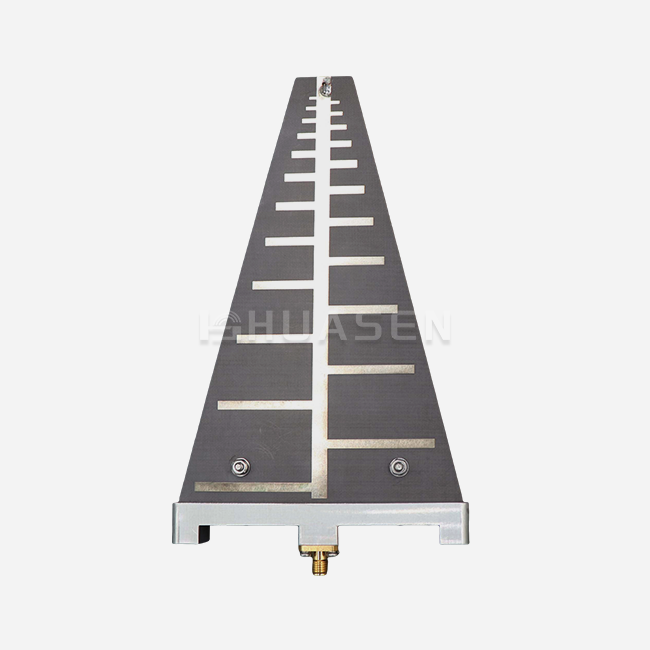
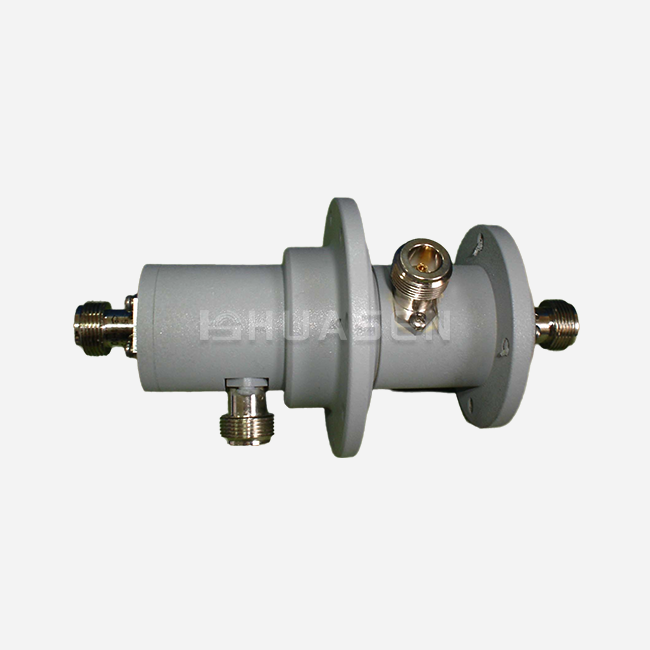
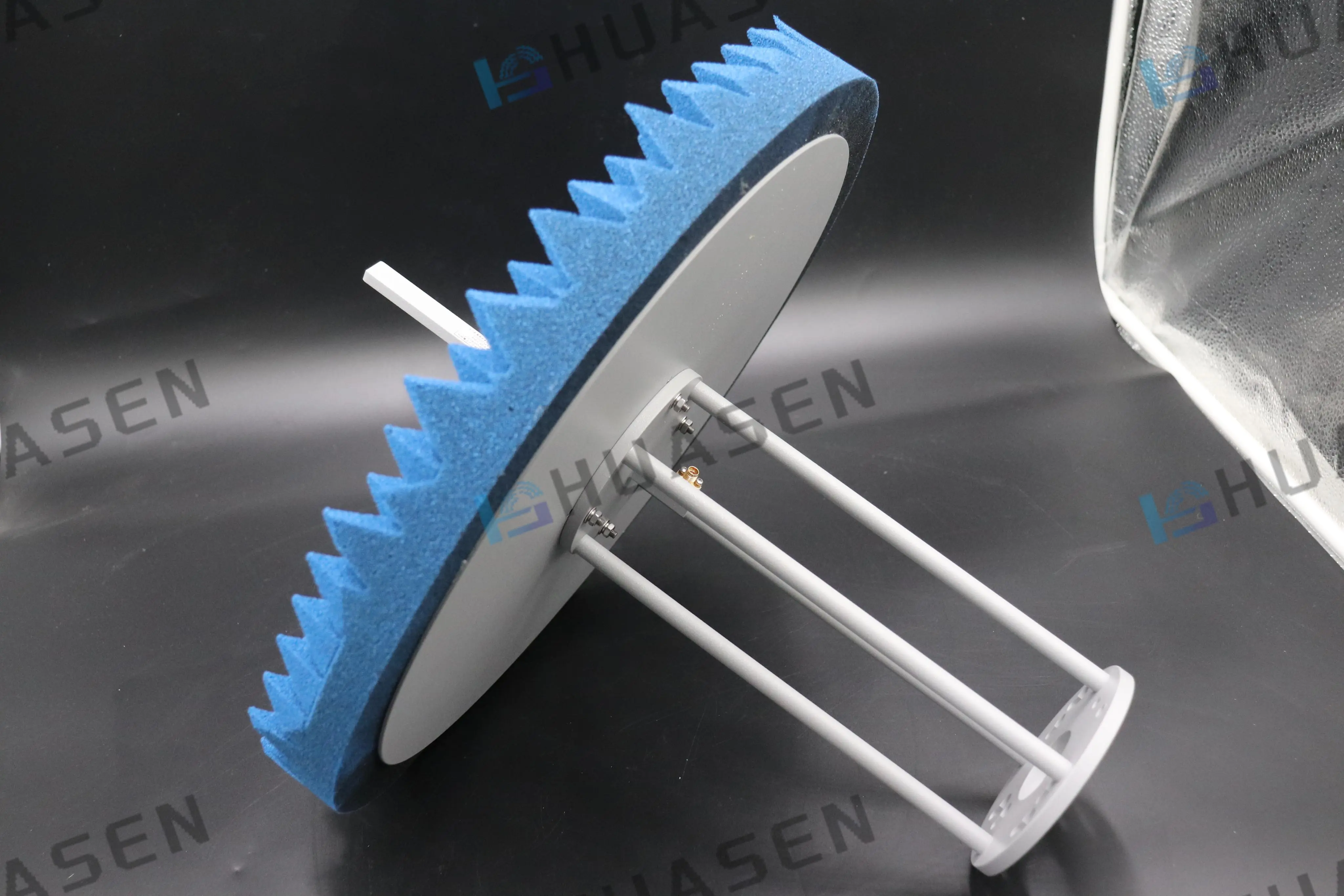
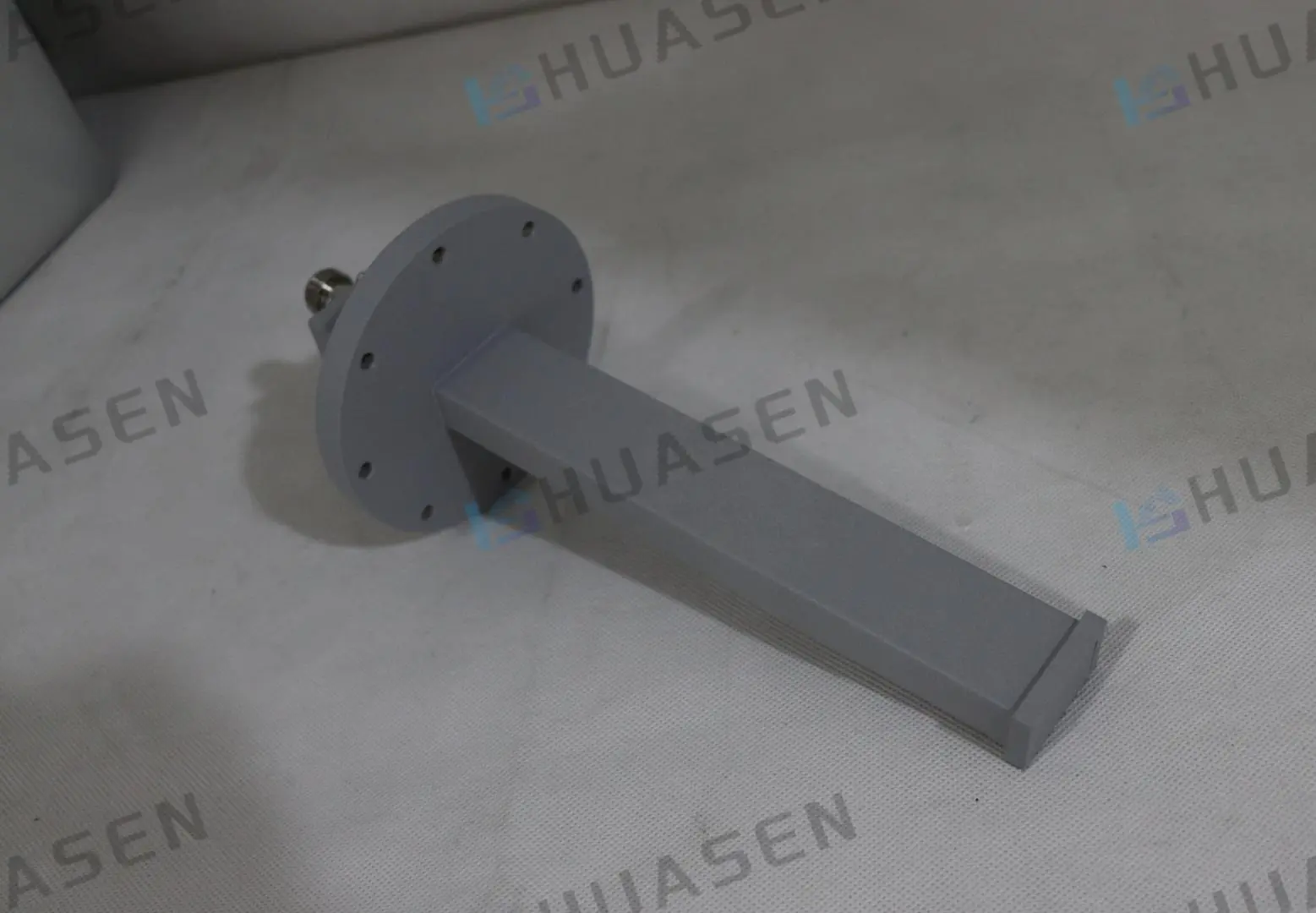
Different testing scenarios demand specific probe configurations, and understanding these distinctions prevents costly mismatches between equipment capabilities and project requirements. Orthogonal feed probes (WOEWP) excel in standard planar and cylindrical scanning applications where linear polarization measurements are required. These probes utilize waveguide technology to maintain excellent cross-polarization isolation, typically exceeding 25dB across operational frequency ranges. Waveguide orthogonal feed Type I probes (WOEWPI) offer enhanced performance in applications demanding superior pattern purity and minimal probe-induced measurement distortion.
For applications requiring simultaneous dual-polarization data acquisition, dual-polarization near-field measurement probes (WOEWDP) provide significant time savings by eliminating the need for multiple measurement runs with probe repositioning. These specialized probes capture both orthogonal polarization components in a single scan, reducing measurement time by approximately fifty percent while maintaining individual channel isolation performance. Broadband near-field measurement probes (WBOEWP) address scenarios where engineers must characterize antenna performance across wide frequency ranges, spanning multiple octaves without probe replacement. This capability proves particularly valuable in telecommunications and defense applications where broadband antenna systems operate across diverse frequency allocations.
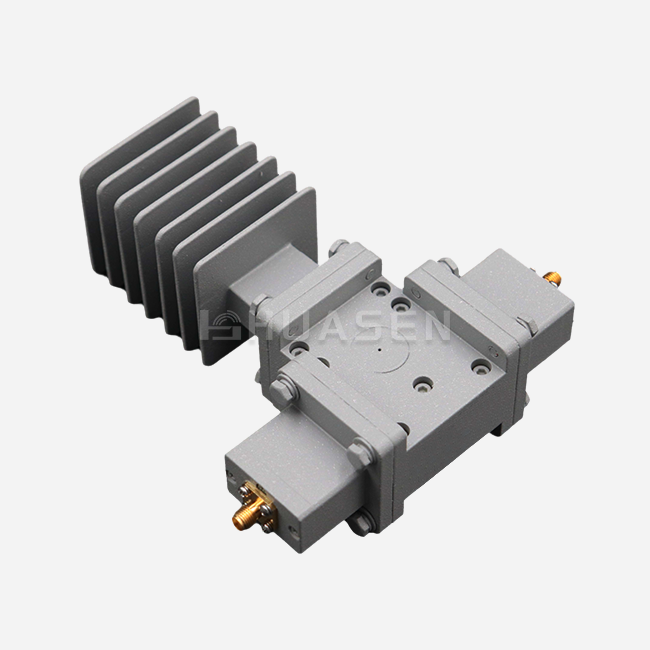
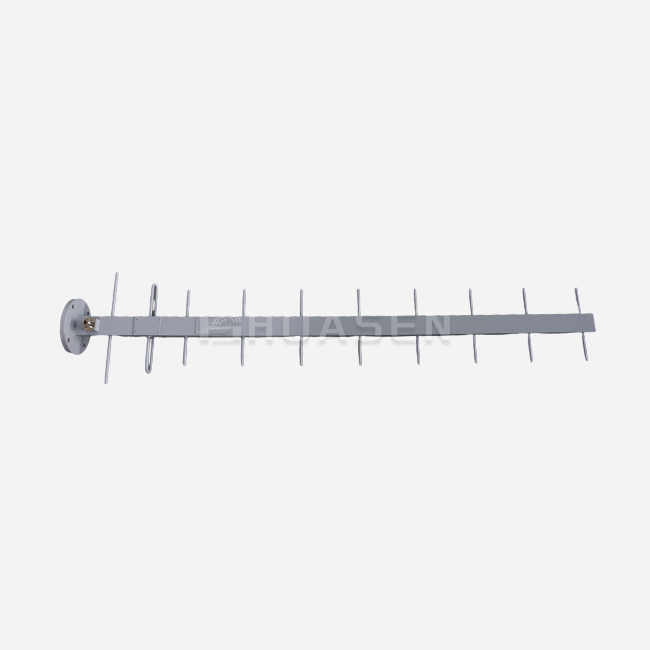
Coaxial symmetric dipole probes (COECP) serve specific applications in lower frequency ranges where waveguide dimensions become impractically large. These probes offer excellent impedance matching with standard coaxial measurement systems while maintaining acceptable polarization purity. Waveguide termination feed probes (WOEWPE) provide specialized solutions for applications requiring minimal back reflection and enhanced pattern stability across frequency bands from 0.49GHz to 112GHz. Understanding these probe type distinctions enables engineers to match measurement requirements with appropriate hardware configurations, ensuring optimal test results.
Critical Specifications for Antenna Near Field Measurement Probe Selection
Technical specifications determine whether an Antenna Near Field Measurement Probe meets your measurement accuracy requirements and integrates seamlessly with existing test infrastructure. Cross-polarization isolation stands as perhaps the most critical performance parameter, with values exceeding 25dB considered essential for high-quality antenna pattern measurements. This specification directly impacts your ability to accurately characterize antenna polarization purity and discriminate between co-polarized and cross-polarized radiation components. Insufficient cross-polarization isolation introduces measurement errors that cannot be easily corrected through post-processing techniques.
Frequency Range and Bandwidth Considerations
The operational frequency range of your Antenna Near Field Measurement Probe must encompass all frequencies of interest with adequate margin for measurement setup flexibility. Modern applications spanning telecommunications, satellite communications, and radar systems often require coverage from sub-GHz frequencies through millimeter-wave bands exceeding 100GHz. Probes offering continuous coverage from 0.49GHz to 112GHz provide versatility for multi-band antenna characterization without equipment changes. Engineers should verify that specified frequency ranges represent actual calibrated performance rather than theoretical operational limits, as probe characteristics often degrade near band edges.
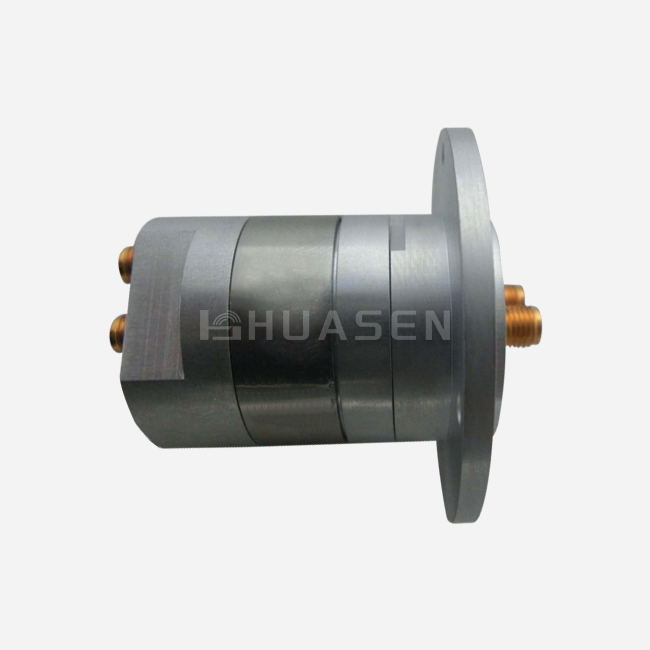
Connector compatibility represents another essential specification affecting measurement system integration. Standard connector types including K, SMA-K, and 2.92-K interfaces ensure compatibility with most vector network analyzers and measurement receivers used in near-field antenna test ranges. The connector interface quality directly influences measurement repeatability, with gold-plated contacts providing enhanced conductivity and corrosion resistance for long-term reliability. Engineers should verify that connector specifications match measurement equipment requirements and that appropriate adapters or cable assemblies are readily available for system integration.
Physical Design and Construction Quality
The mechanical design of an Antenna Near Field Measurement Probe significantly impacts measurement accuracy and long-term reliability. Precision-machined waveguide structures ensure optimal signal propagation with minimal internal reflections that could corrupt measurement data. High-grade aluminum construction with oxide coating or copper with silver/gold plating provides excellent electromagnetic shielding while maintaining mechanical stability across temperature variations. Probe dimensions ranging from 100mm to 1000mm accommodate different measurement geometries, with compact designs facilitating integration into space-constrained test chambers.
Construction quality becomes particularly critical in production environments where probes experience frequent handling and positioning adjustments. Robust mechanical design with secure connector mounting prevents measurement drift caused by physical stress or vibration. The probe housing should provide adequate electromagnetic shielding to prevent external interference while maintaining thermal stability during extended measurement sessions. Engineers evaluating Antenna Near Field Measurement Probe options should examine construction details including waveguide wall thickness, connector reinforcement, and overall mechanical rigidity as indicators of long-term reliability and measurement consistency.
Integration with Measurement Systems and Test Ranges
Successful Antenna Near Field Measurement Probe implementation requires careful consideration of compatibility with existing or planned measurement infrastructure. Planar, cylindrical, spherical, and time-domain near-field measurement systems each present unique integration requirements affecting probe selection and positioning hardware. The probe must interface seamlessly with scanner positioning systems, maintaining proper orientation and alignment throughout the measurement volume. Positioning accuracy directly influences spatial sampling quality, with modern systems achieving sub-millimeter positioning precision for millimeter-wave frequency characterization.
Calibration Procedures and Measurement Accuracy
Proper calibration represents a fundamental requirement for achieving reliable measurement results with any Antenna Near Field Measurement Probe. Standard calibration techniques include reference antenna measurements, known signal source characterization, and probe pattern correction procedures. Engineers should establish calibration protocols that address frequency-dependent probe characteristics, ensuring measurement accuracy across the entire operational bandwidth. Facilities equipped with calibrated anechoic chambers, such as the three-chamber configuration including 21-meter, 9-meter, and 5-meter chambers operating from 0.5GHz to 220GHz, provide the controlled environments necessary for rigorous probe calibration and validation.
Advanced measurement systems incorporate probe correction algorithms that compensate for known probe pattern characteristics, effectively removing probe-induced measurement errors from acquired data. These correction techniques require accurate probe characterization data, typically provided by manufacturers as part of the probe delivery package. Engineers should verify that comprehensive probe correction data accompanies purchased equipment and that correction algorithms are compatible with measurement system software. The measurement dynamic range, reaching up to 50dB in well-designed systems, depends critically on probe characteristics including sensitivity, noise figure, and linearity across operational power levels.
Quality Assurance and Long-Term Support Considerations
Selecting an Antenna Near Field Measurement Probe from manufacturers with established quality management systems ensures consistent performance and reliable long-term support. ISO9001 certification indicates systematic quality control processes throughout manufacturing operations, while RoHS and REACH compliance demonstrates environmental responsibility and regulatory adherence. These certifications provide confidence that purchased equipment meets international quality standards and will perform reliably throughout its operational lifetime.
Manufacturer Experience and Technical Capabilities
The manufacturer's technical expertise and industry experience directly influence probe design quality and post-sale support effectiveness. Companies with decades of specialization in microwave and millimeter-wave component manufacturing bring deep technical knowledge to probe design challenges. Facilities equipped with comprehensive testing capabilities including vector network analyzers, spectrum analyzers up to 320GHz, and specialized near-field measurement systems demonstrate the technical infrastructure necessary for thorough product development and validation. Production capabilities spanning precision CNC machining, advanced brazing techniques, and specialized waveguide fabrication methods ensure consistent manufacturing quality.
Engineers should evaluate manufacturer qualifications including equipment manufacturer certifications, environmental management system compliance, and occupational health and safety management certifications as indicators of operational maturity and professional capability. Recognition as a National High-Tech Enterprise or holder of regional quality awards suggests sustained commitment to technical excellence and innovation. Access to experienced technical support staff who understand both product specifications and application requirements proves invaluable when addressing integration challenges or troubleshooting measurement anomalies during probe deployment and operation.
Conclusion
Selecting the right Antenna Near Field Measurement Probe requires balancing technical specifications, measurement system compatibility, and manufacturer support capabilities to achieve accurate, repeatable antenna characterization results that justify equipment investment.
Cooperate with Huasen Microwave Technology Co., Ltd.
Partner with China Antenna Near Field Measurement Probe manufacturer Huasen Microwave Technology Co., Ltd., established in 1993 as a National High-Tech Enterprise with over 30 years of expertise in microwave and millimeter-wave components. As a leading China Antenna Near Field Measurement Probe supplier and China Antenna Near Field Measurement Probe factory, we operate a 3,000-square-meter facility with advanced testing capabilities including three calibrated anechoic chambers (21m, 9m, 5m) covering 0.5GHz-220GHz, planar near-field systems, and over 60 precision instruments including 110GHz vector network analyzers. Our China Antenna Near Field Measurement Probe wholesale offerings include orthogonal feed, dual-polarization, and broadband probes with Antenna Near Field Measurement Probe for sale featuring cross-polarization isolation exceeding 25dB. Contact our High Quality Antenna Near Field Measurement Probe team for competitive Antenna Near Field Measurement Probe price quotes at sales@huasenmicrowave.com and discover how our ISO-certified manufacturing excellence serves telecommunications, aerospace, defense, and automotive industries worldwide.
References
1. "Near-Field Antenna Measurement Techniques and Probe Design Considerations" by J. Appel-Hansen, IEEE Transactions on Antennas and Propagation
2. "Antenna Measurement Handbook" by D. Slater, Scientific-Atlanta
3. "Spherical Near-Field Antenna Measurements" edited by J.E. Hansen, Peter Peregrinus Ltd
4. "Modern Antenna Handbook" edited by Constantine A. Balanis, John Wiley & Sons
5. "Phased Array Antenna Handbook" by Robert J. Mailloux, Artech House Publishers
Send Inquiry