Waveguide Window Design for High-Frequency RF & Microwaves






2026-06-10 21:46:02
Waveguide window design is a tricky mix of electromagnetic theory and mechanical engineering. It solves the problem of keeping signals pure in high-frequency RF and microwave systems while also keeping the surroundings separate. Because these parts are clear, they let electromagnetic energy pass through a waveguide transmission line while keeping out wetness, contaminants, and changes in pressure. When it comes to radar sites, satellite ground stations, and defence communication networks where reliability can't be compromised, the right design has a direct effect on insertion loss, power handling capacity, and system life.
Understanding Waveguide Windows – Fundamentals and Principles
Definition and Core Function
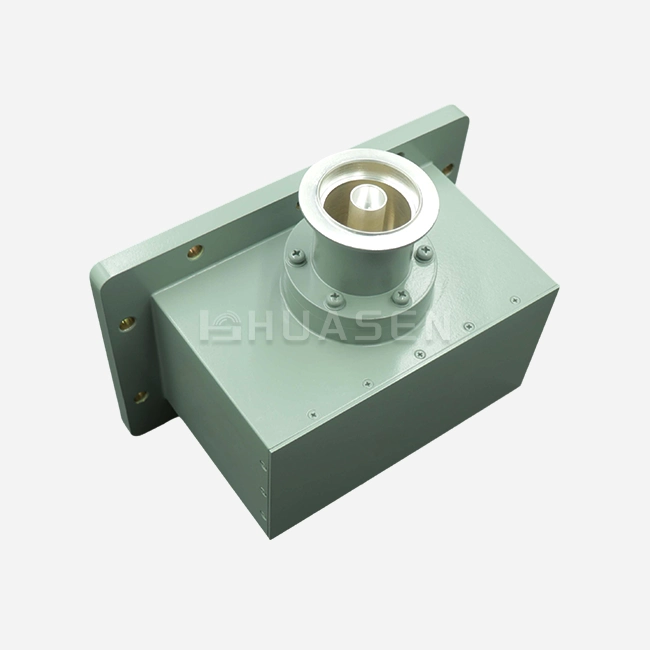
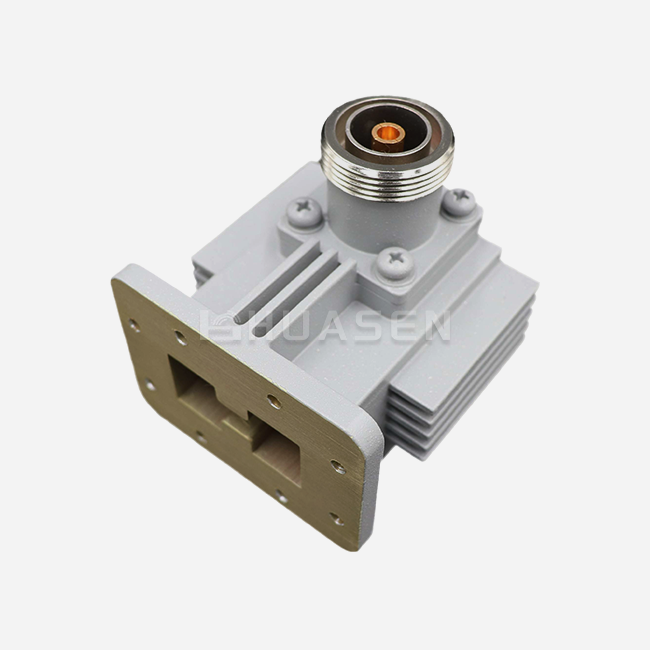
As an electromechanical link, a waveguide window physically splits two environmental zones inside a waveguide system without stopping the flow of electromagnetic waves. Maintaining air pressure differences or making hermetic seals while letting radio energy move freely is a problem that engineers have been trying to solve for a long time. When made correctly, the window adds very little reflection and absorption, keeping the signal's consistency over the whole frequency range it works at.
Impedance matching is what the basic process depends on. The dielectric material breaks the waveguide's characteristic resistance, making a capacitive gap. To make up for this, engineers carefully calculate the width of the window and choose materials with exact dielectric values. This blocks reflections at the desired frequency band. This idea explains why a window that works well for X-band radar doesn't work well for Ka-band satellite communications.
Material Selection and Dielectric Properties
Material choice has a direct effect on both how well electromagnetics work and how long something lasts mechanically. PTFE is a cheap material that works well in situations with less than 1 kW of average power. This means it can be used in wireless bridging tools and radio transmission systems. Its low dielectric constant reduces impedance mismatch, but it can't be used in high-power settings because of how hot it is.
Quartz and high-purity alumina clay are the most common materials used in high-power settings because they carry heat and electricity better than other materials. It is common for ceramic windows to handle normal power levels above 5 kW while keeping voltage standing wave ratios below 1.10:1. Because the material can get rid of heat, it stops hot spots from forming that would otherwise cause dielectric breakdown. Ultra-high vacuum systems are popular in particle accelerators and advanced radar installations. Ceramic windows can keep helium from leaking at rates better than 1×10⁻⁸ atm cc/sec, meeting strict standards for a hermetic seal.
Borosilicate glass is a good compromise between price and function because it can handle modest power and works well in vacuums. The material is especially useful in test equipment and lab settings where flexibility and quick development are more important than maximum power capacity.
Thickness Optimisation and Surface Treatment
The electric activity is directly related to the thickness of the window. Too thin, and the mechanical stability is compromised by differences in pressure; too thick, and dielectric losses rise while bandwidth decreases. To find the best width, design engineers use a formula that takes into account the dielectric constant and the centre frequency. They aim for an electrical length of a quarter of a wave within the dielectric material. This method reduces echoes as much as possible at the design frequency, but it allows for slightly higher VSWR at the band ends.
Both electric and mechanical performance are affected by the quality of the surface finish. Microscopic roughness scatters high-frequency signals and creates places where moisture can start to build up, which both slow down the system over time. Manufacturers use polishing methods to get a surface hardness of less than 0.4 micrometres. This lowers scattering losses and makes cleaning easier during maintenance rounds.
Coatings that don't reflect light are a new way to use internet technology. Multi-layer dielectric coatings increase the useful bandwidth by adding more impedance-matching steps, but they make the production process more difficult and cost more. These treatments are good for broad systems that need to work across octave bandwidths, like 5G infrastructure and multi-mission radar units.
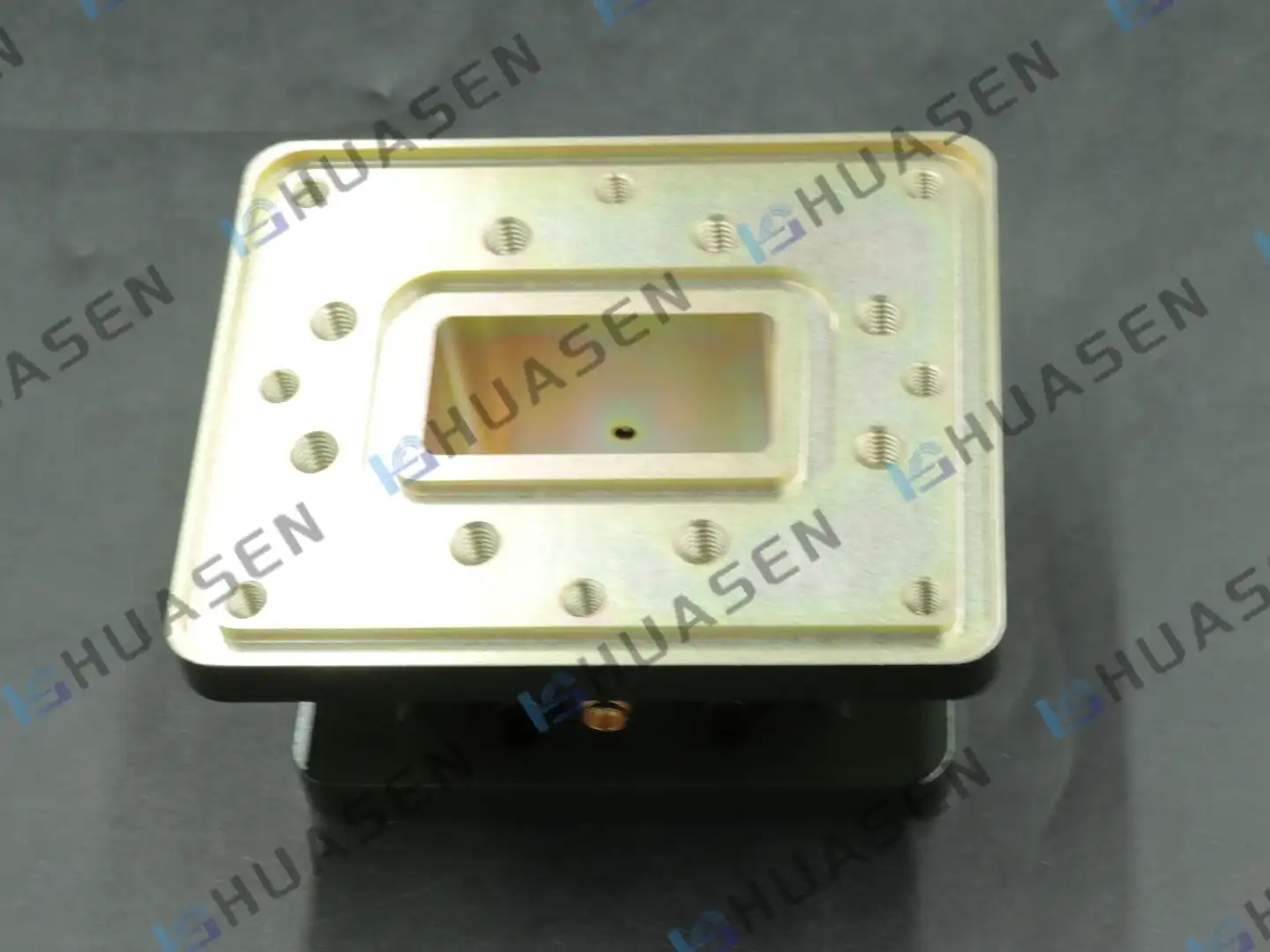
Waveguide Window Applications in Modern RF & Microwave Systems
Defence and Aerospace Radar Systems
Airborne radar sites have a unique problem: as you go higher in the atmosphere, the pressure drops, which makes the air inside the unpressurised waveguide runs less dielectrically strong. At 30,000 feet, there is a much greater chance of a power breakdown and arcing. This problem can be fixed with waveguide windows that seal the waveguide system. This lets techs use dry nitrogen or sulphur hexafluoride to keep the pressure inside the transmission line at sea level. This pressure boosts the ability to handle power by a factor of ten, which lets high-power transmitters work consistently in situations where the upper atmosphere is thin.
Ground-based phased array radar systems use ceramic pressure screens to separate equipment rooms with temperature control from antenna arrays outside. The window can handle a difference in pressure of 30 to 60 PSI and send pulses at megawatt levels. This keeps indoor amplifiers and signal processing equipment safe from humidity, salt spray, and temperature changes.
Satellite Communication Earth Stations
Commercial satellite launch systems need to be able to send signals without interruption and protect the environment. Inside temperature-controlled buildings, kilowatts of continuous RF power are generated by high-power amps. Outside, big parabolic antennas are mounted. At the point where the waveguide leaves the house, there needs to be a pressure window to keep outside moisture from condensing inside the transmission line. Even small amounts of condensation can cause voltage breakdown paths, which can damage communication links worth millions of dollars that connect ships, rural towns, and emergency services.
The window selection process strikes a balance between insertion loss and mechanical strength. A SATCOM operator setting up a new Ku-band connection might choose a quartz window rated for 5 kW average power with insertion loss below 0.05 dB, even though it costs more per unit, because it will last 20 years and need very little upkeep.
Industrial Heating and Scientific Instrumentation
Microwave plasma devices and industrial heating tools work in harsh temperatures where regular parts break down quickly. The magnetron or klystron source is kept away from the hard process area by ceramic windows that can handle temperature changes from room temperature to several hundred degrees Celsius. High-purity alumina's resistance to thermal shock keeps it from cracking badly during rapid heating cycles. This keeps production going in places that make semiconductors and work with materials.
Particle accelerators are the most difficult applications because they need screens that keep the vacuum very high while sending RF energy into resonant holes. In a normal placement, a ceramic window might need to be able to survive a vacuum of 1×10⁻⁹ Torr on one side and atmospheric pressure on the other. This is a lot of mechanical stress that would break less-than-sturdy designs in hours.
Choosing the Right Waveguide Window for Your Needs
Frequency Band Compatibility
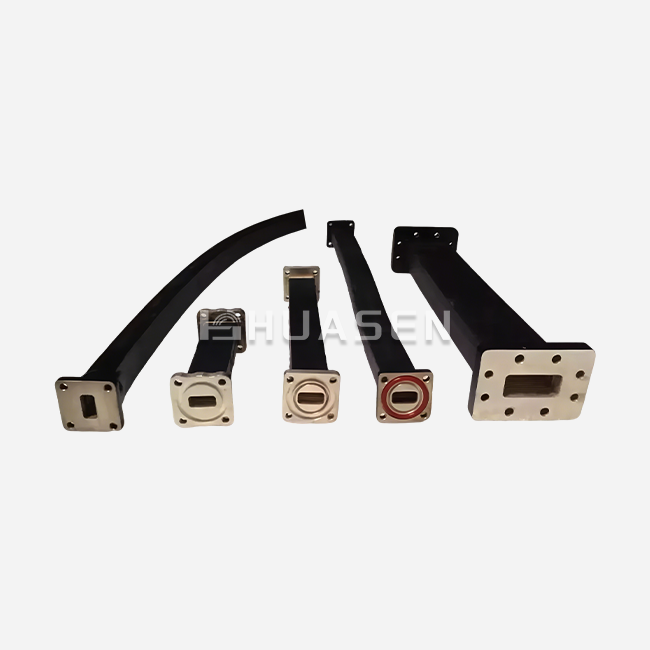
Waveguide window sizes are different for each frequency band, and pressure screens need to be perfectly matched to both the waveguide size and the frequency they are used at. A window design for a WR-28 guide for Ka-band satellite stations (26.5-40 GHz) is very different from that for a WR-90 waveguide that serves X-band radar (8.2-12.4 GHz). The electromagnetic behaviour of the window is based on its electrical thickness, which is measured in waves instead of millimetres. When you try to use an X-band window in a Ka-band programme, you get high VSWR and possible arcing, which makes the system useless.
Along with the middle frequency, engineers list the frequency range. For single-use systems like weather radar that work at a fixed frequency, a tight tolerance (+/- 2%) is fine. But for wideband systems like electronic warfare systems, a wider tolerance (+/- 10% or more) is needed. This can be achieved by using advanced dielectric coating techniques or carefully choosing the materials.
Power Handling and Thermal Management
Average power usage and peak power values are two different specifications that are both important for choosing the right window. With a 1% duty cycle, a pulsed radar emitter could make 100 kW of peak power and 1 kW of average power. The window has to be able to handle the rapid peak voltage without sparking and get rid of the constant heat load caused by dielectric losses.
Because they transfer heat about 30 times better than PTFE, ceramic screens work great in high-average-power situations. This feature stops localised heating that would weaken the insulator and cause thermal runaway if it happened. A base station builder choosing parts for a 5G huge MIMO array would choose ceramic windows that can work continuously at several kilowatts per element; even though they cost more, this is to make sure that outdoor placements will be reliable for many years.
Mounting provisions affect thermal performance. Windows with metal flanges immediately bolted to aluminium waveguide housings efficiently transfer heat. Isolated mounting schemes, which are sometimes needed to lower mechanical stress, need more modest power derating.
Custom Design Considerations
Custom-engineered waveguide pressure windows that go beyond catalogue specs are needed for many advanced uses. If a defence contractor is making an aircraft jammer, they might need a window that works across multiple waveguide bands at the same time. This would require a multi-section design with steps in the resistance. Setting environmental conditions, such as the working temperature range, shock and shaking levels according to MIL-STD-810, and long-term pressure cycle expectations, is the first step in the customisation process.
Manufacturers like Huasen Microwave use their many years of experience in design to find the best window shape by simulating electromagnetic fields and guessing VSWR and insertion loss before making a sample. The iterative process finds the best balance between electromagnetic performance and mechanical limits. This finds the best balance between bandwidth, power handling, and physical stability. Initial prototypes for custom projects usually take 6 to 10 weeks, and production lead times range from 4 to 8 weeks, based on the supply of materials and the need for quality control.
Maintenance, Cleaning, and Longevity of Waveguide Windows
Inspection Protocols and Early Failure Detection
Visual inspection is still the best way to figure out what's wrong with a waveguide window. Engineers look at the dielectric surface for carbon tracking, which is a dark spot that shows that the material has been hit by arcs many times, which wears it down over time. Even small tracking points point to pollution or too much power, both of which need to be looked into right away. It is important to check the window flange for rust and mechanical damage, since installing it incorrectly can bend the metal frame and make the seal less effective.
Seal strength is checked once a year with pressure tests. Technicians raise the pressure in the waveguide part to the recommended amounts and check it every 24 hours to see if the pressure drops. Detectable leaking means that either the gasket is breaking down or the dielectric is cracking, which means that the window needs to be replaced. This proactive method stops major failures during important operations. This is especially helpful in remote sites where emergency fixes are hard to get to and cost a lot of money.
Cleaning Procedures and Contamination Prevention
Surface pollution is the main reason why windows fail before they should. When high power is applied, dust, salt layers, and fingerprint oils weaken the dielectric, which leads to limited arc paths. To clean properly, you should first use dry compressed air to get rid of any fine dust or dirt. Then, you should use lint-free optical wipes to apply isopropyl alcohol. You should stay away from harsh chemicals and rough materials because they can damage the dielectric properties or scratch the surface.
Cleaning rules for installation areas are similar to those used in chip manufacturing. When technicians work on windows, they wear gloves that don't have powder on them and try to do their work in places with low particle counts. This level of care is especially important for windows that will be used in high-power radar systems, where even the smallest bit of dirt can cause problems that cost tens of thousands of dollars to fix in the transmitter.
Environmental sealing keeps wetness out of the areas where flanges meet, which improves the life of the product. Good EMI gaskets and waveguide pressure windows keep electromagnetic waves going and keep out outside elements. But you have to be careful when choosing the material for the gasket—conductive gaskets shouldn't put too much mechanical stress on the ceramic insulator, which could crack it. Manufacturers define torque values and tightening steps that spread the clamping force out widely and stop stress from building up in one area.
Conclusion
Waveguide window design is an important area of engineering where electromagnetic theory, materials science, and precision production all come together to solve real-world problems. When making a choice, it's important to find a mix between price, delivery schedules, frequency compatibility, and power handling needs. The gadgets keep expensive transmission gear safe and allow signals to travel reliably in a wide range of settings, from business 5G networks to defence radar systems. Buying good windows from well-known brands will pay off in the long run by lowering your repair costs, keeping your system running longer, and giving you peace of mind when things get tough.
FAQ
1. How do I select between PTFE, quartz, and ceramic window materials?
The main things that determine what material to use are the power levels and the surroundings. When cost is the most important factor, PTFE works best in normal uses below 1 kW. This makes it perfect for business wireless infrastructure and broadcast equipment. Quartz and ceramic are needed for high-average-power systems with more than 5 kW of power because they conduct heat better and keep the insulator from breaking down. Ceramic waveguide windows are used in high-vacuum science equipment and particle accelerators because they don't let much gas escape and can keep helium leak rates below 1×10⁻⁸ atm cc/sec. When making a choice, you should also think about how to handle mechanical shocks. Ceramic is better at handling vibrations than quartz, but it costs more.
2. What causes waveguide pressure window failures?
Over-pressurisation beyond the allowed specs, improper flange fitting torque that causes frame warping, and RF arcing caused by surface contamination are all common ways for things to go wrong. When dust, wetness, or fingerprint oils get on the dielectric surface, they form weak spots where voltage breaks down first, leaving behind the distinctive carbon tracking marks. Microscopic cracks form over time because of thermal stress caused by too much power or not enough cooling. Degradation of the gasket lets both air leaks and moisture in, which both speed up the failure process. To avoid problems, people should follow the instructions for fitting torque, handle things in a clean way, and do eye checks once a year to look for early warning signs.
3. Does installing a window significantly affect system VSWR?
When built correctly for the frequency band, high-quality windows cause very little VSWR decline. The inductive setting that most precision units use to make up for the capacitive gap caused by the dielectric material adds less than 0.05 to the system VSWR. The important thing is to make sure that the electrical thickness of the window is right for the frequency range. A window that works well for X-band radar doesn't work well for other frequencies. Due to limits in bandwidth, wideband systems may have slightly higher VSWR at the edges of the bands. However, advanced multi-layer coatings can increase the useful bandwidth at the cost of higher manufacturing.
Partner with Huasen Microwave for Precision Waveguide Window Solutions
Picking the right Waveguide Window provider has a direct effect on how reliable your system is and how much it costs to run over its lifetime. Huasen Microwave Technology has been making RF and microwave parts for 30 years and brings that experience to every project, whether it's for regular WR-series pressure windows or fully customized solutions for defense and military uses. Our engineering team helps with all aspects of design, from the first electromagnetic modeling to the confirmation of prototypes and the start of mass production. We have strong quality control that follows ISO 9001 guidelines. This means that we make sure that every window meets the written standards for VSWR, insertion loss, and mechanical integrity. With global logistics skills, your products can be delivered easily to installation places all over the world. You can also get quick technical help and warranty services to protect your investment. Get in touch with our applications engineering team at sales@huasenmicrowave.com to talk about your needs and find out why top Waveguide Window makers choose Huasen Microwave as their part supplier for mission-critical RF systems.
References
1. Marcuvitz, N. (1986). Waveguide Handbook, Institution of Engineering and Technology Press, revised edition.
2. Pozar, D. M. (2011). Microwave Engineering, 4th Edition, John Wiley & Sons, Chapter 4: Microwave Network Analysis.
3. Saad, T. S. (1971). Microwave Engineers' Handbook, Volume 1, Artech House, sections on waveguide discontinuities and window design.
4. Collin, R. E. (2001). Foundations for Microwave Engineering, 2nd Edition, IEEE Press, Chapter 5: Waveguide Components.
5. Harvey, A. F. (1963). Microwave Engineering, Academic Press, detailed treatment of dielectric windows and impedance matching techniques.
6. Montgomery, C. G., Dicke, R. H., and Purcell, E. M. (1948). Principles of Microwave Circuits, McGraw-Hill, MIT Radiation Laboratory Series Volume 8, historical foundation of waveguide window theory.
Send Inquiry