The Ultimate Guide to Choosing the Best Parabolic Antenna for Satellite Communication






2025-11-11 23:45:01
Selecting the right Parabolic Antenna wire for today's communication requires cautious thought of numerous specialized parameters and operational necessities. An illustrative radio wire serves as the basic interface between ground-based frameworks and orbital satellites, deciding the quality and unwavering quality of information transmission. Whether you're setting up a VSAT arrangement, updating radar frameworks, or conveying broadcast communications infrastructure, understanding the key components that impact radio wire execution is essential. This comprehensive direct investigation investigates the crucial standards, specialized determinations, and down-to-earth considerations that will offer assistance you make an educated choice when choosing an illustrative radio wire for your partisan communication needs.
Understanding Parabolic Antenna Fundamentals
Physical Design and Operational Principles
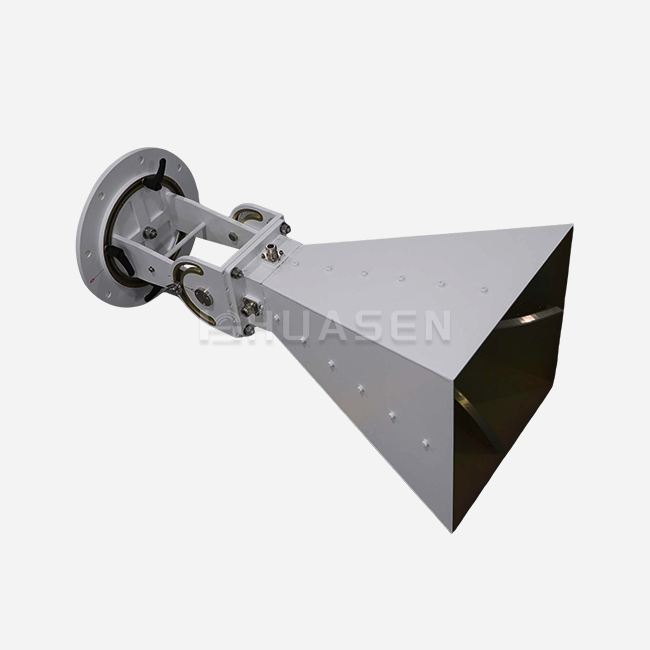
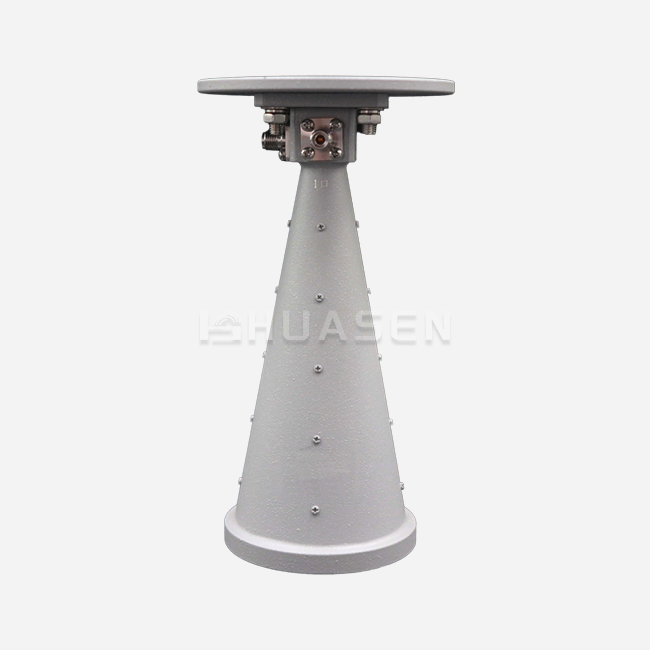
The illustrative radio wire works on the guideline of electromagnetic wave reflection, where approaching signals from satellites are centered onto a bolster point situated at the parabola's central length. This geometric arrangement guarantees that parallel waves arriving from far-off satellites focus accurately at the nourish horn, maximizing flag collection proficiency. The reflector surface must keep up remarkable precision, ordinarily within a fraction of the working wavelength, to accomplish ideal execution. Present-day fabricating procedures utilize accurate CNC machining to make reflector surfaces with opening breadths extending from 0.05 meters for convenient applications to 12 meters for high-capacity commercial establishments. The relationship between opening estimate and pick-up follows a logarithmic design, where multiplying the distance across increments picks up by roughly 6 decibels. Surface exactness becomes progressively more important at higher frequencies, as millimeter-wave applications require resolutions measured in micrometers. Fabric determination plays an imperative part in keeping up dimensional stability over temperature variations, with aerospace-grade aluminum and copper amalgams giving the vital flexibility while minimizing thermal expansion coefficients that might corrupt performance.
Frequency Range and Bandwidth Considerations
From the L-band at 1-2 GHz to the Ka-band, which extends beyond 40 GHz, satellite communication systems operate in a variety of frequency bands, each with its own propagation characteristics and regulatory limitations. The parabolic antenna must exhibit reliable performance throughout the allocated bandwidth while preserving pattern stability and impedance matching. Multi-mission flexibility is made possible by wideband designs that can cover up to 40% of bandwidth, enabling a single antenna system to accommodate a variety of communication protocols and frequency allocations. However, complex feed network design and close attention to phase center stability over the operating range are necessary to achieve such broadband performance. Superior performance metrics, such as reduced axial ratios for circular polarization applications and improved cross-polarization discrimination, can be attained by narrowband systems tuned for certain frequency allocations. By enabling simultaneous transmission and reception on orthogonal polarizations, advanced dual-polarized setups practically double channel capacity without requiring extra spectrum allocation.
Gain and Beamwidth Specifications
Antenna pick-up speaks to the system's capacity to concentrate electromagnetic energy in a particular direction, measured in decibels relative to an isotropic radiator. High-gain allegorical receiving wire frameworks, conveying 23 to 32.5 decibels, empower communication with removed satellites while minimizing obstructions from adjoining orbital positions. The relationship between pick up and beamwidth takes after a reverse design, where higher pick up arrangements create smaller pillar points extending from 3.3 to 9.5 degrees. This centering capability demonstrates basic in swarmed orbital situations where exact bar controlling avoids flag cover with neighboring satellites. Sidelobe execution decides the antenna's vulnerability to impedances from off-axis sources, with cutting-edge plans accomplishing E-plane sidelobes under -13 decibels and H-plane execution coming to -15 decibels. Balanced bolster setups can advance move forward sidelobe concealment to -25 decibels or better by disposing of gap blockage effects.

Technical Specifications for Optimal Performance
Polarization Configuration Options
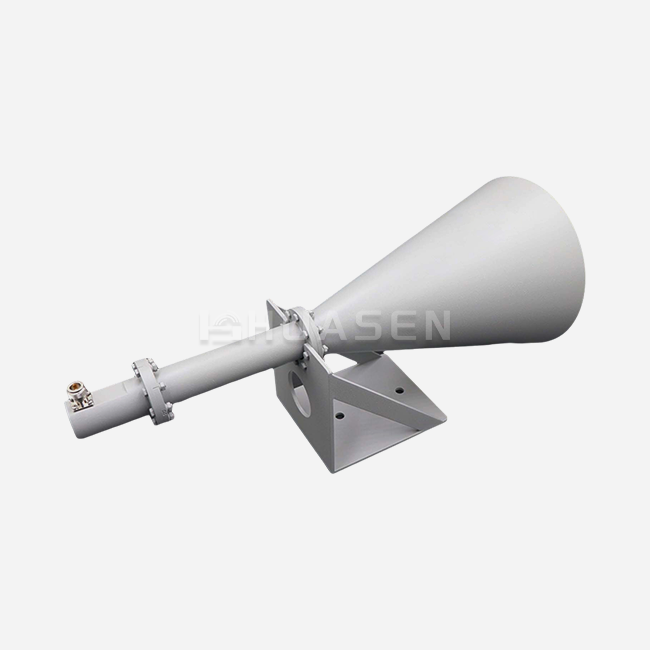
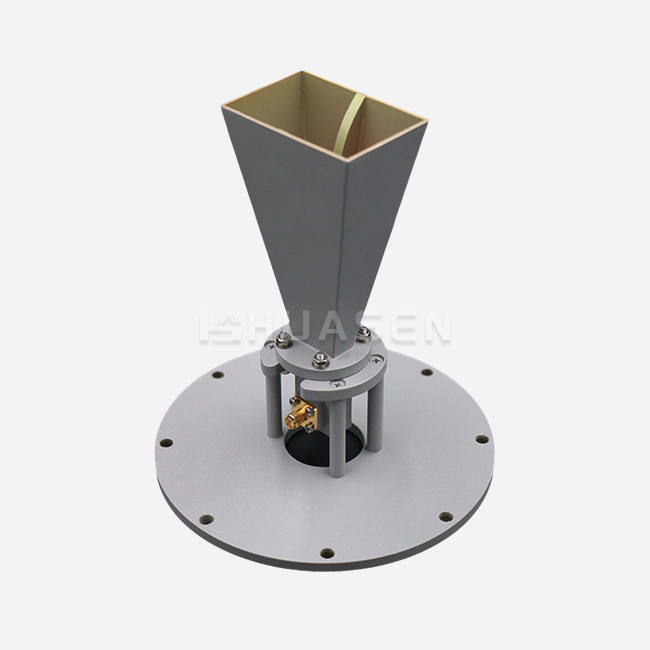
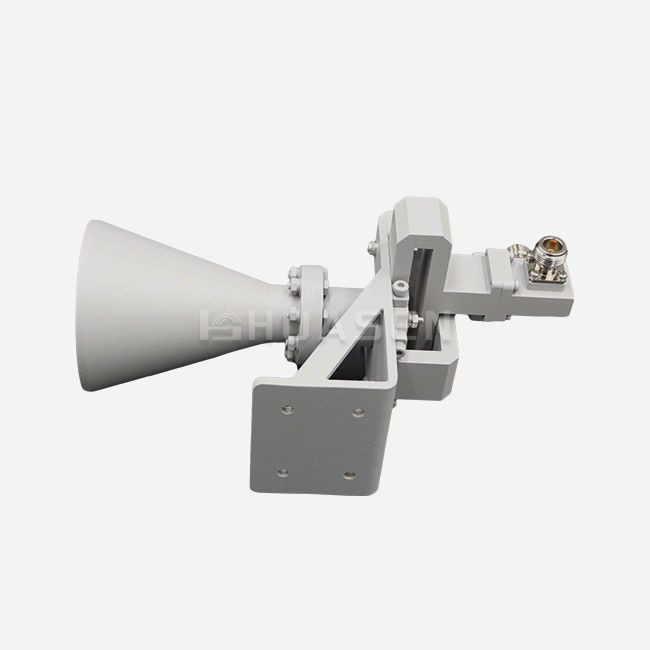
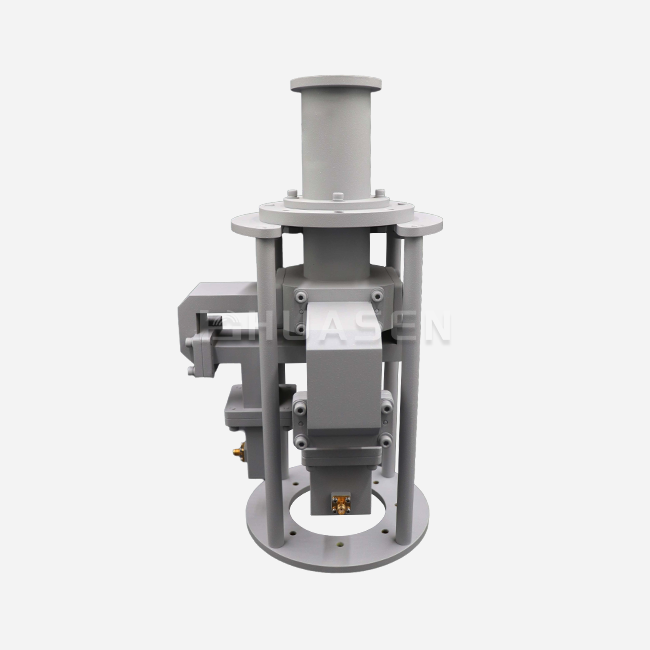
Different polarization schemes are used by contemporary communication systems to optimize range efficiency and flag separation. Using N-type or SMA connectors for strong RF connections, double direct polarization exemplary radio wire frameworks back flat and vertical introduction simultaneously. This setup empowers recurrence reuse by transmitting autonomous information streams on orthogonal polarizations, effectively multiplying channel capacity within the same transfer speed assignment. The segregation between polarization planes ordinarily surpasses 30 decibels, guaranteeing negligible cross-talk between channels. Double circular polarization speaks to an elective approach, advertising left-hand and right-hand circular arrangements with pivotal proportions kept up underneath 1.5 decibels for narrowband applications or 3 decibels for wideband usage. Circular polarization gives inborn resistance to flag blurring caused by precipitation and air unsettling influences, making it especially appropriate for versatile and sea applications. Bolster arrangement plan essentially impacts polarization purity, with orthomode transducers empowering proficient division and combination of orthogonal signals, while keeping up stage coherence over the working bandwidth.
Connector Standards and Interface Compatibility
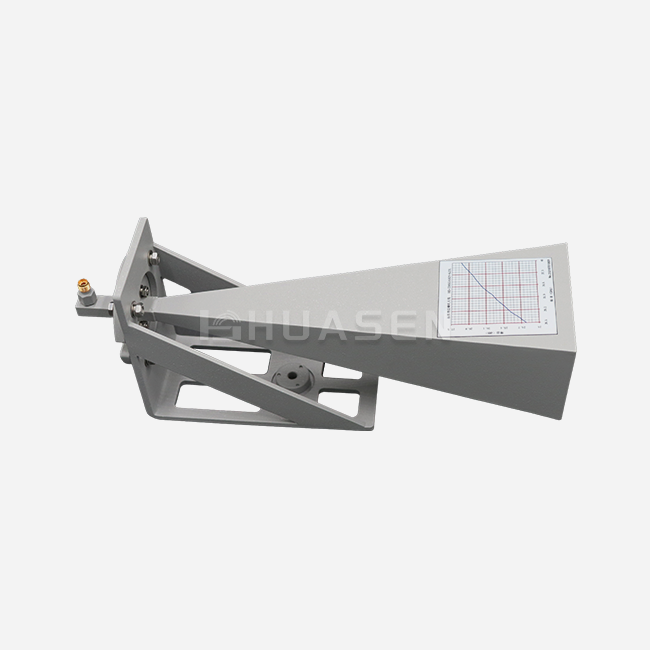
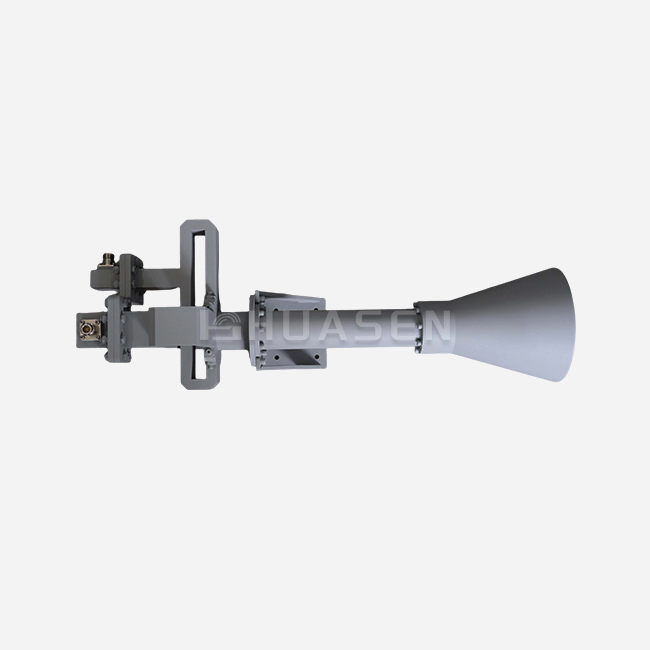
System integration of the Parabolic Antenna requires cautious consideration of mechanical and electrical interface guidelines to ensure consistent compatibility with the existing framework. Standard waveguide interfacing, including WR-75 and CPR-229 setups, gives low-loss associations for high-frequency applications where coaxial moves would present unsatisfactory inclusion misfortune. The allegorical receiving wire bolster framework must suit these standard interfacing whereas maintaining electrical execution details over a wide temperature range. Comprehensive mounting units encourage exact radio wire arrangement, consolidating azimuth and height alteration components with precise determination adequate for exact fanning following. Compatibility with major VSAT and lackey communication stages guarantees that receiving wire frameworks coordinate easily with different handset gear and arrange administration frameworks. Secluded plan standards empower field overhauls and upkeep methods without requiring total framework substitution, decreasing lifecycle costs and amplifying operational longevity.
Quality Assurance and Manufacturing Standards
Manufacturing brilliance decides the long-term unwavering quality and execution consistency of allegorical receiving wire frameworks sent in the basic communication framework. ISO9001 certification guarantees that generation forms keep up thorough quality control conventions through the fabricating cycle, from crude material assessment through final quality assurance. Accuracy CNC machining accomplishes the surface exactness required for millimeter-wave applications, with robotized estimation frameworks confirming reflector forms against plan details. High-quality copper and aluminum materials give the vital electrical conductivity and mechanical properties while standing up to erosion in open-air situations. Weather-resistant coatings ensure uncovered surfaces from bright radiation, temperature cycling, and moisture ingress that may degrade execution over expanded periods. Comprehensive testing strategies approve pick up characteristics, voltage standing wave proportion, and cross-polarization separation some sometimes for recently shipped products. RoHS and REACH compliance illustrate a commitment to natural duty. Each allegorical receiving wire experiences 100 percent execution testing, disposing of imperfect units sometime recently client delivery.

Application-Specific Selection Criteria
Satellite Communication System Requirements
VSAT organizations require reliable receiving wire frameworks able to maintain up steady network over various geographic areas and climatic conditions. The radio wire must convey adequate pick up to near connect budgets amid unfavorable climate occasions, when barometric weakening increments flag way misfortunes. Transfer speed prerequisites shift essentially over applications, from voice and information administrations requiring modest throughput to high-definition video dispersion requiring multi-megabit capacities. The allegorical receiving wire gap estimate straightforwardly impacts achievable information rates, with bigger reflectors supporting higher balance orders and coding efficiencies. Versatile partisan terminals confront one-of-a-kind limitations, adjusting execution prerequisites against measure and weight restrictions that influence mobility and sending adaptability. Settled soil stations advantage from bigger openings and more modern following frameworks. Dual-feed arrangements empower concurrent communication with numerous satellites, supporting excess techniques and stack adjusting over orbital resources.
Environmental and Structural Considerations
Installation situations of the Parabolic Antenna altogether affect antenna performance and lifespan, requiring careful assessment of installation conditions during the selection process. Wind stacking calculations decide basic necessities for receiving wire mounting frameworks, guaranteeing mechanical soundness amid extreme climate occasions. Coastal establishments confront quickened erosion from salt spray, requiring upgraded defensive coatings and fabric details. Temperature extremes influence dimensional stability and electronic component unwavering quality, especially in leave or cold situations where everyday temperature swings surpass 50 degrees Celsius. Snow and ice aggregation can modify reflector surface characteristics, degrading electrical execution until natural conditions improve. A few illustrative radio wire plans join warming components or hydrophobic coatings to minimize precipitation impacts. Legitimate location choice and natural moderation procedures guarantee that sent receiving wire frameworks keep up execution determinations throughout their operational lifetime.
Future-Proofing and Scalability Options
Technology advancement in partisan communication frameworks requires receiving wire arrangements capable of adjusting to changing necessities without total framework substitution. Wideband allegorical receiving wire plans covering recurrence ranges from 1 to 300 GHz give adaptability for future recurrence allotments and benefit relocations. Customizable opening choices empower capacity updates by replacing smaller reflectors with bigger units while holding existing nourishment frameworks and mounting the foundation. Measured bolster systems back polarization reconfiguration, transitioning from straight to circular polarization as tadpole star groupings advance. Venture into high-quality allegorical receiving wire frameworks with archived update ways to secure capital uses against untimely out-of-date quality. Producer-bolstered programs giving long-term access to save parts and specialized help guarantee continued operation as component advances mature.
Conclusion
Choosing the ideal allegorical receiving wire for disciple communication requires a comprehensive assessment of specialized details, application prerequisites, and natural variables. Huasen Microwave Innovation conveys high-performance arrangements with uncommon transmission capacity scope, customizable arrangements, and demonstrated unwavering quality over broadcast communications, aviation, and defense segments. Our precision-engineered receiving wires combine advanced fabricating capabilities with thorough quality control, guaranteeing prevalent execution in demanding applications. With decades of experience in RF and microwave innovation, we give specialized back and customization choices fundamental to meeting advanced communication challenges.
FAQ
1. What aperture size should I choose for my satellite communication system?
Aperture choice depends on required pickup, accessible mounting space, and interface budget calculations. Bigger breadths give higher pickup, but increase wind stacking and establishment complexity. Analyze your particular recurrence band, fawning removal, and information rate requirements to decide the ideal measure. Our design group can help with the nitty-gritty connected budget analysis.
2. How does dual polarization improve satellite communication capacity?
Dual polarization empowers synchronous transmission of autonomous information streams on orthogonal polarizations, successfully multiplying unearthly proficiency. This method maximizes accessible transfer speed utilization while keeping up flag segregation surpassing 30 decibels. Both straight and circular polarization setups offer particular points of interest depending on application prerequisites and adherent transponder characteristics.
3. What maintenance procedures ensure long-term antenna performance?
Regular review of mounting equipment, weatherproof seals, and reflector surface condition avoids execution corruption. Yearly arrangement confirmation keeps up ideal pick up and avoids flag misfortune. Weather-resistant coatings ought to be reviewed for damage, and bolster components require intermittent cleaning to expel flotsam and jetsam accumulation, influencing electrical performance.
4. Can parabolic antennas operate across multiple frequency bands?
Wideband plans supporting up to 40 percent transfer speed empower multi-band operation inside the indicated frequency ranges. Be that as it may, arrange complexity increases with transfer speed requirements. Narrowband optimized frameworks provide predominant execution for single-frequency applications. Counsel specialized details to confirm recurrence scope compatibility with your operational requirements.
High-Performance Parabolic Antenna Supplier | Huasen Microwave
As a trusted parabolic antenna manufacturer and parabolic antenna supplier, Huasen Microwave Technology Co., Ltd. brings over 25 years of expertise in delivering cutting-edge RF and microwave solutions. Our comprehensive product portfolio includes customizable dual-polarized configurations, ultra-wideband designs, and precision-engineered systems tailored to your specifications. Whether you're deploying satellite communication networks, radar systems, or aerospace applications, our technical team provides dedicated support from initial consultation through installation and beyond. We invite you to experience the Huasen difference—superior quality, innovative engineering, and responsive customer service. Contact our sales team today at sales@huasenmicrowave.com to discuss your parabolic antenna requirements and discover how our solutions can enhance your communication infrastructure performance and reliability.
References
1. Balanis, C.A. (2016). Antenna Theory: Analysis and Design (4th Edition). John Wiley & Sons, New Jersey.
2. Milligan, T.A. (2005). Modern Antenna Design (2nd Edition). IEEE Press, Hoboken, New Jersey.
3. Stutzman, W.L. & Thiele, G.A. (2012). Antenna Theory and Design (3rd Edition). John Wiley & Sons, New York.
4. Rudge, A.W. et al. (1986). The Handbook of Antenna Design, Volume 1. Peter Peregrinus Ltd, London.
5. Kraus, J.D. & Marhefka, R.J. (2002). Antennas for All Applications (3rd Edition). McGraw-Hill, New York.
6. Volakis, J.L. (2007). Antenna Engineering Handbook (4th Edition). McGraw-Hill Professional, New York.
Send Inquiry