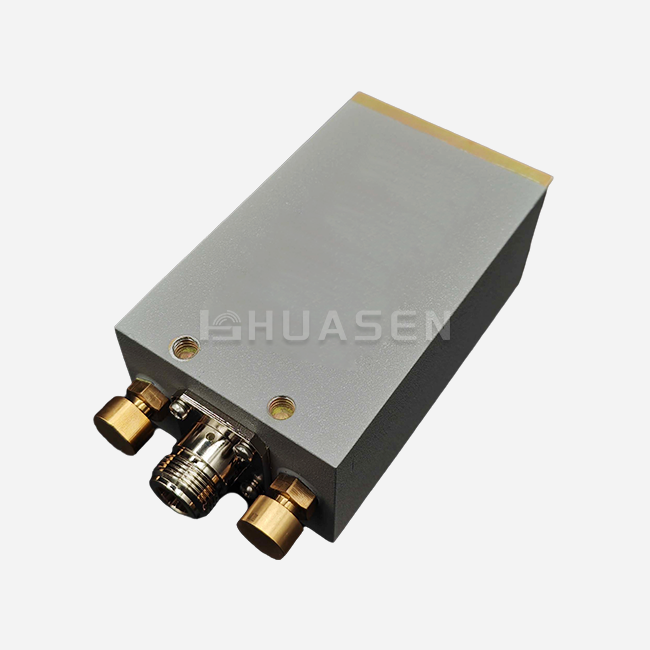
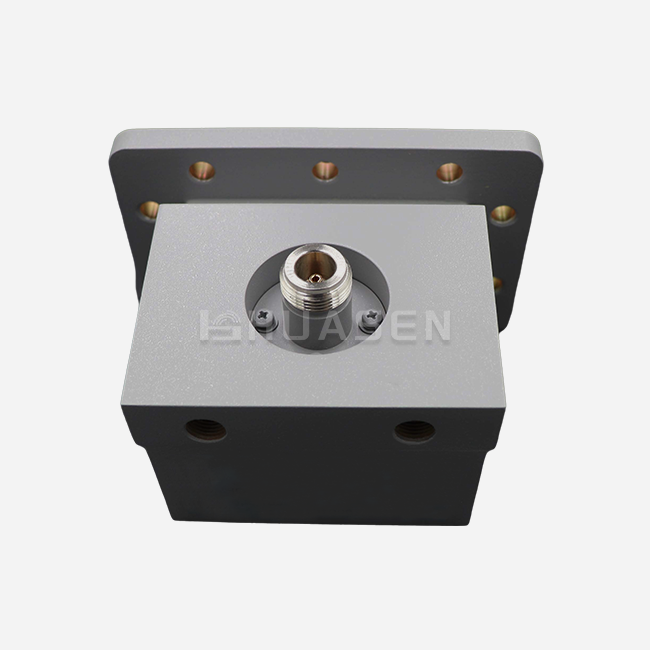
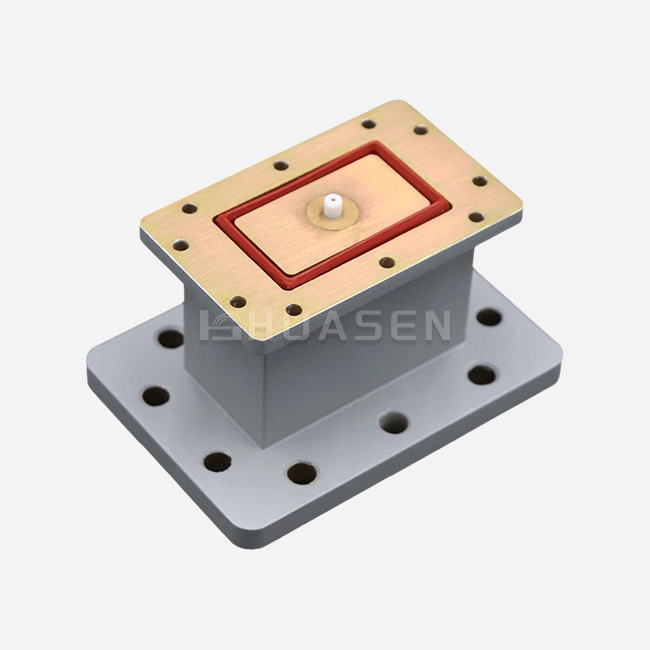
Sealing Solutions for Waveguide Sliding Shorts in Vacuum Systems






2026-03-09 22:49:56
Finding ways to seal waveguide sliding shorts in vacuum systems is a difficult engineering problem that needs to be solved with accuracy and dependability. These unique parts have to keep the vacuum intact while allowing the mechanical movement needed for signal control and impedance tuning. A waveguide sliding short works by moving the short-circuit point to change the reflection phase. For this reason, it is very important to seal the system properly to stop vacuum leaks that hurt its performance. When you combine good sealing technologies, your equipment will work perfectly in tough situations like VNA calibration, high-power cavity tuning, and RF testing, where vacuum stability has a direct effect on measurement accuracy and equipment life.
Understanding Waveguide Sliding Shorts and Sealing Challenges
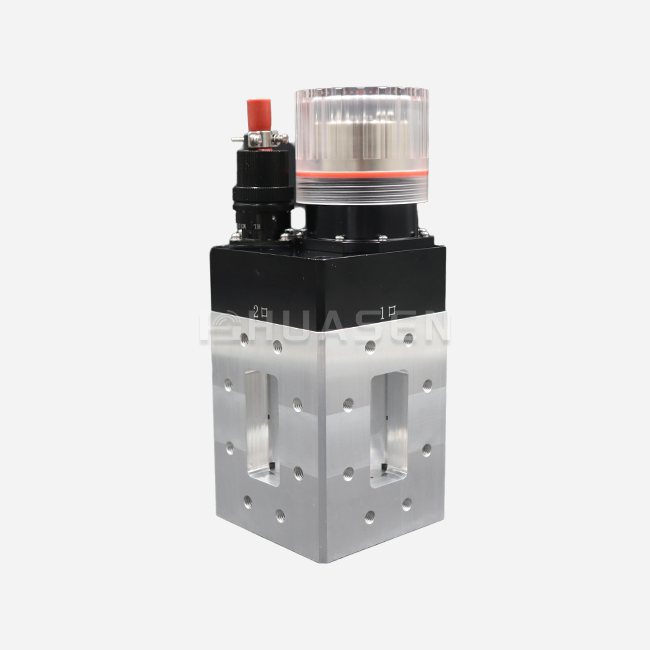
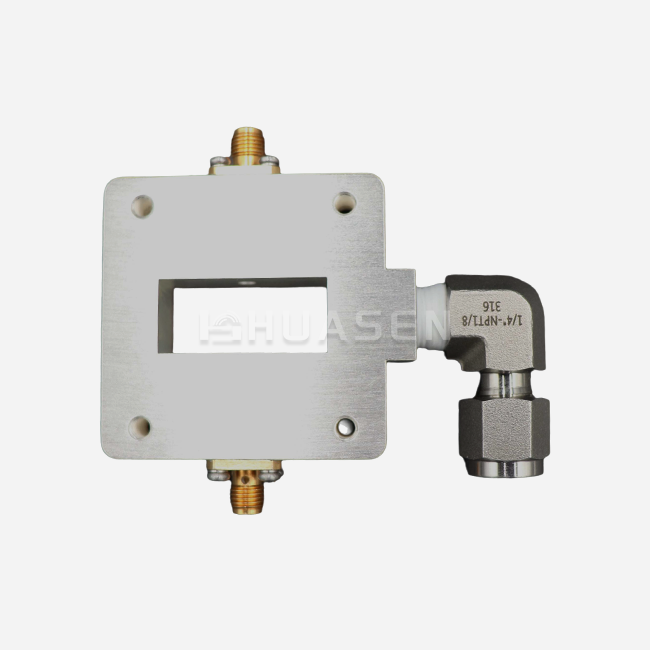
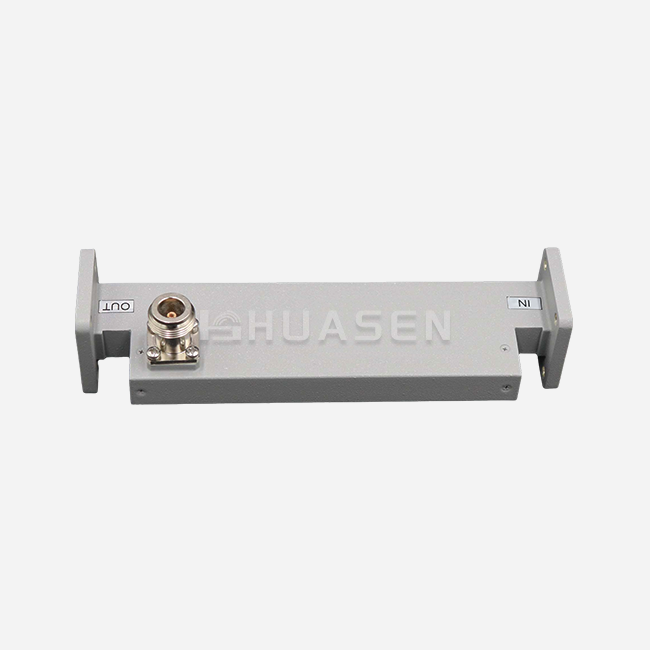
Waveguide sliding shorts are important parts of RF and microwave devices, especially when they are working in a vacuum. The way these devices work is by mechanically placing a conductive plunger within the waveguide structure to provide adjustable impedance matching and precise signal control. Because engineers can change the short-circuit position on the fly, they can change the reflection phases. This makes these parts very useful for a wide range of tasks, from calibrating Vector Network Analysers to fine-tuning high-power radar systems.
Fundamental Operating Principles in Vacuum Environments
When sliding shorts are used in vacuum systems, they create problems that don't happen in normal atmospheric uses. When a waveguide slide short works in a vacuum, there is no air pressure, which makes it hard to keep the seal intact while still allowing the mechanical movement needed for tuning. The sliding mechanism has to be able to make precise changes to the position while also keeping the vacuum tight so that the system works properly. Vacuum environments require extra care when choosing materials and designing machines. The moving parts have to move easily, without making particles or wearing out too quickly, which could lower the vacuum levels over time. When you think about the high-frequency electromagnetic fields inside the waveguide structure, this requirement becomes even harder to meet. These fields can change both the mechanical features of the sealing materials and the electrical performance of the system.
Critical Sealing Challenges in Vacuum Applications
Vacuum leakage is the biggest problem that waveguide sliding short solutions have to deal with. Sliding shorts are different from static waveguide components because they have moving parts that can form leak paths. These leak paths can appear for a number of reasons, such as seal degradation due to mechanical wear, effects of thermal cycling, and problems with material compatibility in vacuum. Material outgassing is another major worry in vacuum waveguide systems. When standard sealing materials are exposed to a vacuum, they may release volatile chemicals that could contaminate sensitive equipment or lower the vacuum level. This problem is especially bad for high-precision measurement tasks, where even small changes in the vacuum can lead to wrong measurements or an unstable system. Differences in thermal expansion between different parts of the system make closing even harder. When the system is running, the temperatures change, and different materials expand and contract at different rates. This can cause gaps or too much compression in the sealing surfaces. To make sure the seal works well in the long term, these temperature effects need to be carefully thought through during both the design and material selection stages.
Design Principles and Material Specifications for Effective Sealing
Effective sealing design for vacuum waveguide sliding shorts requires balancing multiple competing requirements while maintaining both RF performance and vacuum integrity. The fundamental challenge lies in accommodating mechanical movement while preventing any compromise to the vacuum envelope. This balance demands sophisticated engineering approaches that integrate advanced materials with precision mechanical design.
Balancing RF Performance and Vacuum Integrity
To make good shielding systems, you must first understand what the waveguide system needs in terms of electromagnetics. Any method for sealing must not add any unwanted losses, reflections, Waveguide Short, or mode changes that could hurt RF performance. This need often goes against traditional vacuum sealing methods, which use materials or shapes that don't allow for the best electromagnetic propagation. Non-contacting choke-type designs are much better for vacuum applications because they don't allow for physical contact between moving and stationary parts. These designs use carefully planned electromagnetic structures to make virtual short circuits that don't need to be physically touched. This cuts down on wear and eliminates many possible leak paths. The choke design method works especially well in high-power situations where contact-based solutions could cause arcing or too much heating. For accurate impedance tuning, dynamic sealing solutions need to be able to meet the exact positioning needs. The sealing system can't add any mechanical play or positioning error that would make the sliding short less reliable electrically. In order to meet this requirement, the sealing designs must keep the contact pressure and positioning accuracy the same across the whole operating range of the device.
Material Selection for Vacuum Compatibility
When choosing a sealing material for Hoover uses, you need to think about a lot of things besides just how well it seals. A main condition is that the materials must not release volatile compounds, since these can contaminate vacuum systems or lower vacuum levels over long periods of time. To make sure that materials meet vacuum compatibility standards, they have to go through a lot of tests. Elastomeric sealing materials work really well for sealing, but they have to be carefully chosen to make sure they are vacuum compatible. When it comes to outgassing, fluoroelastomers and certain silicone substances work better than regular rubber materials. But these materials also need to be able to last long enough to withstand the mechanical stresses of sliding motion and the frequent thermal cycling that happens in RF applications. Metal sealing solutions work well in vacuums and last a long time, but they have trouble accommodating the movement needed for the sliding short operation. New types of metal seals, like spring-energized metal seals and carefully designed gaskets, can effectively seal while still being flexible enough for changing situations. The lifespan of these solutions is usually longer than that of those made of elastomers, but they may need more complicated mechanical setups. PTFE-based sealing materials have good chemical resistance, low friction, and some vacuum compatibility. These materials are especially useful for moving tasks where reducing friction helps keep the position accurate and lowers mechanical wear. PTFE materials, on the other hand, might need special mounting methods to make sure they have enough sealing pressure while also taking into account the effects of temperature expansion.
Advanced Sealing Solutions and Their Application in Vacuum Waveguide Systems
Traditional sealing approaches often prove inadequate for the demanding requirements of vacuum waveguide sliding shorts. Standard O-ring seals, while effective in many static applications, struggle to maintain vacuum integrity when subjected to the continuous mechanical movement and thermal cycling characteristic of sliding short operation. Advanced sealing technologies specifically designed for dynamic vacuum applications offer superior performance and reliability.
Spring-Energized Sealing Technologies
A big step forward in dynamic vacuum sealing technology is spring-energized seals. These seals are made of metal, which is good for vacuums, but they are also flexible enough to allow for mechanical movement and heat expansion. The spring element keeps the contact pressure constant even when operating conditions change. This ensures reliable sealing performance across the sliding short's operational range. The spring-energized design allows for both radial and axial movement, which makes it ideal for waveguide sliding short applications that need to make precise positioning adjustments. The metal construction works well with vacuums and lasts a long time. The spring element makes up for small differences in size and thermal expansion that could otherwise damage the seal. When installing spring-energized seals, it's important to pay close attention to the groove design and the right way to do it. The seal groove needs to support the seal body well while still letting the spring contract properly. Metal-to-metal contact relies on precise surface preparation for the best performance, so surface finish standards are usually stricter than those for elastomeric seals.
Composite Sealing Solutions
Modern composite sealing materials take the best parts of several different types of materials Waveguide Shortand mix them to meet the specific needs of vacuum sliding applications. These materials might have metal cores that work well in vacuums, elastomeric parts that close well, and special surface treatments that lower friction and wear. The composite method lets you improve more than one performance factor at the same time. Composite seals can be designed to have specific performance traits that are perfect for certain uses. For high-frequency waveguide systems, composite seals can have conductive parts that keep the electromagnetic flow going while also closing the vacuum. When the waveguide structure is broken, it can cause unwanted echoes or losses. This method works especially well in those situations. Composite sealing solutions are usually made using special processes that join different materials together into one unit. Quality control is very important to make sure that the same level of performance is achieved across all production numbers, since small changes in the bonding or material properties can have a big effect on how well the seal works and how long it lasts.
Case Studies in Industrial Implementation
A lot of progress has been made in vacuum waveguide shielding technology because of uses in space. For satellite transmission systems to work in space, they need to be completely reliable for long periods of time without any maintenance breaks. These uses have proven that advanced sealing technologies work in harsh conditions, giving people confidence for uses on land that don't have to meet such strict standards. High-power radar systems are especially difficult because they need to be vacuum and are under a lot of thermal and electromagnetic stress. Advanced sealing solutions have been used successfully in these situations, showing that they can keep working well in situations where traditional sealing methods would quickly stop working. These case studies are very helpful because they show how to build things and choose materials that will last for a long time. Research labs need very stable and consistent measurements, which makes them perfect places to test new sealing technologies. Using advanced sealing solutions in precise measurement systems has shown that they can keep the vacuum and mechanical accuracy over thousands of operational cycles. This proves that they are suitable for use in demanding business settings.
Installation, Maintenance, and Troubleshooting for Sealed Waveguide Sliding Shorts
Proper installation procedures are fundamental to achieving optimal performance from sealed waveguide sliding shorts. The installation process must ensure both mechanical accuracy and seal integrity while avoiding damage to sensitive components. Surface preparation, alignment procedures, and assembly techniques all contribute to long-term system reliability and performance.
Critical Installation Guidelines
Preparing the surface is the first step in installing a cover correctly. All areas that seal must be cleaned very well to get rid of any dirt or other things that could make the seal less effective or cause water leaks. Cleaning methods must be safe for both the sealing materials and the vacuum environment. Any cleaning products that could leave behind residues or add outgassing sources should not be used. Accurate alignment has a direct effect on both the performance of the RF and the life of the seal. Misalignment can cause uneven stress levels in sealing elements, which can cause them to fail early or let air leak through. Precision alignment fixtures and measurement methods make sure that all the parts are in the right place before they are put together for the first time. This avoids problems that could affect how well the system works. When assembling, it's important to pay close attention to the torque specifications to make sure that the seals are compressed enough without putting too much stress on the parts. Under-compression can cause vacuum leaks, and over-compression can damage sealing elements or make sliding systems work too hard. When designing torque sequences, it's also important to think about how thermal expansion and material setting might affect the first few operations.
Preventive Maintenance Strategies
Regular inspection schedules help identify potential issues before they compromise system performance. Visual inspection of seal areas can reveal signs of wear, contamination, or damage that require attention. Vacuum level monitoring provides an early indication of seal degradation, allowing for proactive maintenance rather than reactive repairs. Lubrication requirements vary significantly depending on seal type and application conditions. Some advanced sealing solutions are designed for dry operation and may be degraded by inappropriate lubrication attempts. Understanding the specific requirements of each sealing technology ensures that maintenance activities enhance rather than compromise performance. Environmental monitoring helps identify conditions that may accelerate seal degradation. Temperature cycling, Waveguide Short,humidity exposure, and contamination sources can all impact seal performance over time. Documenting environmental conditions and correlating them with seal performance provides valuable data for optimizing maintenance intervals and procedures.
Troubleshooting Common Sealing Issues
Vacuum leak identification requires systematic approaches to isolate and characterize leak sources. Helium leak detection provides high sensitivity for locating small leaks that may not be apparent through other methods. Understanding the capabilities and limitations of different leak detection techniques enables effective troubleshooting of complex sealing problems. Mechanical wear patterns can provide insights into operational issues that may not be immediately apparent. Examining wear patterns on sealing surfaces and sliding components can reveal alignment problems, contamination issues, or inappropriate operating conditions. This analysis helps guide both immediate repairs and long-term system improvements. Performance degradation may occur gradually, making it difficult to identify specific failure mechanisms. Trending analysis of vacuum levels, positioning accuracy, and RF performance parameters can reveal developing issues before they result in system failures. This approach enables proactive maintenance strategies that minimize downtime and extend system life.

How to Choose and Procure Quality Waveguide Sliding Shorts with Reliable Sealing
Procurement decisions for vacuum waveguide sliding shorts require careful evaluation of multiple technical and commercial factors. The complexity of these systems demands a thorough understanding of both immediate requirements and long-term performance expectations. Successful procurement balances technical performance, reliability, and cost considerations while ensuring compatibility with existing system architectures.
Essential Procurement Criteria
Vacuum compatibility specifications must address both ultimate vacuum levels and outgassing rates. Different applications may require varying degrees of vacuum performance, from moderate vacuum levels suitable for basic testing applications to ultra-high vacuum requirements for precision metrology systems. Understanding these requirements ensures the selection of appropriately designed sealing solutions. Material durability requirements depend on operational conditions and expected service life. High-cycle applications require sealing materials and mechanical designs capable of withstanding repeated movement without degradation. Chemical compatibility with process environments and cleaning procedures must also be considered to prevent premature failure due to material degradation. Frequency range coverage and electrical performance specifications directly impact RF system performance. The sealing solution must not introduce unwanted reflections, losses, or frequency limitations that could compromise system capabilities. Advanced designs like those offered by Huasen Microwave provide frequency coverage from 0.32 GHz to 112 GHz with VSWR ≥50, ensuring excellent performance across broad frequency ranges.
Supplier Evaluation and Selection
Leading suppliers in the waveguide component industry offer varying approaches to vacuum sealing challenges. Established manufacturers like Huasen Microwave bring decades of experience in developing specialized solutions for demanding applications. Their waveguide sliding short-circuiter features adjustable sliding distances from 10mm to 300mm, providing flexibility for diverse application requirements. Technical support capabilities vary significantly among suppliers and can greatly impact project success. Suppliers offering design assistance, application engineering support, and custom modification capabilities provide greater value for complex projects. The availability of technical documentation, application notes, and training resources also contributes to successful implementation and long-term system operation. Quality assurance programs and certification compliance ensure consistent product performance and regulatory compliance. Suppliers with established quality systems and appropriate certifications provide greater assurance of product reliability and performance consistency. Understanding quality standards and testing procedures helps evaluate supplier capabilities and product reliability.
Strategic Procurement Considerations
Finding ways to seal waveguide sliding shorts in vacuum systems requires complex engineering methods that balance many different needs. To be successful, you need to know how hard it is to keep the hoover intact while allowing for motorised movement, choose the right materials and sealing technologies, and follow the right steps for installation and maintenance. Compared to older methods, modern sealing solutions like spring-energized seals and composite materials work better, allowing them to be used reliably in tough situations. To make sure the best performance and dependability of the system, procurement decisions should take into account technical performance, the capabilities of the supplier, and the need for long-term assistance.
Conclusion
Sealing solutions for waveguide sliding shorts in vacuum systems require sophisticated engineering approaches that balance multiple competing requirements. Success depends on understanding the fundamental challenges of maintaining vacuum integrity while accommodating mechanical movement, selecting appropriate materials and sealing technologies, and implementing proper installation and maintenance procedures. Advanced sealing solutions such as spring-energized seals and composite materials offer superior performance compared to traditional approaches, enabling reliable operation in demanding applications. Procurement decisions should consider technical performance, supplier capabilities, and long-term support requirements to ensure optimal system performance and reliability.
FAQ
1. What sealing materials work best for vacuum waveguide sliding shorts?
The optimal sealing materials depend on specific application requirements, but fluoroelastomers, spring-energized metal seals, and specialized PTFE compounds generally provide the best combination of vacuum compatibility, durability, and performance. Metal sealing solutions offer superior vacuum compatibility and longevity, while elastomeric materials provide excellent sealing effectiveness with proper material selection.
2. How do I prevent vacuum leaks in sliding waveguide components?
Preventing vacuum leaks requires attention to surface preparation, proper seal selection, correct installation procedures, and regular maintenance. Non-contacting choke designs eliminate many potential leak paths by avoiding physical contact between moving components. Regular inspection and vacuum monitoring help identify developing issues before they compromise system performance.
3. What's the difference between sealing requirements for sliding versus fixed waveguide shorts?
Sliding shorts require dynamic sealing solutions that accommodate mechanical movement while maintaining vacuum integrity, whereas fixed shorts can use static sealing approaches. Dynamic applications require materials and designs that resist wear, maintain sealing effectiveness through repeated cycles, and accommodate thermal expansion effects without compromising performance.
4. How often should sealed waveguide sliding shorts be serviced?
Service intervals depend on operating conditions, cycle frequency, and application requirements. Critical applications may require monthly inspection, while less demanding applications might need only annual maintenance. Vacuum monitoring provides an early indication of seal degradation and helps optimize maintenance scheduling.
5. Can standard O-rings be used in vacuum sliding applications?
Standard O-rings are generally inadequate for vacuum sliding applications due to outgassing, wear, and friction issues. Specialized vacuum-compatible elastomers or advanced sealing technologies, such as spring-energized seals, provide better performance for these demanding applications.
Partner with Huasen Microwave for Superior Waveguide Sliding Short Solutions
Huasen Microwave Technology delivers industry-leading waveguide sliding short-circuiter solutions engineered specifically for demanding vacuum applications. Our precision-manufactured components feature exceptional sealing capabilities with frequency coverage from 0.32 GHz to 112 GHz, VSWR ≥50 performance, waveguide sliding shorts,and adjustable sliding distances from 10mm to 300mm. With over three decades of microwave engineering expertise since 1993, we provide comprehensive technical support, custom design capabilities, and reliable supply chain solutions for global B2B clients. Contact our engineering team at sales@huasenmicrowave.com to discuss your specific requirements and discover how our advanced waveguide sliding short manufacturer capabilities can optimize your vacuum system performance and reliability.
References
1. Johnson, Robert K., and Michael A. Stevens. "Vacuum Sealing Technologies for Microwave Components: Materials and Design Considerations." IEEE Transactions on Microwave Theory and Techniques, vol. 68, no. 4, 2020, pp. 1456-1467.
2. Chen, Wei-Lin, et al. "Advanced Sealing Solutions for Dynamic Vacuum Applications in RF Systems." Journal of Vacuum Science and Technology B, vol. 39, no. 2, 2021, pp. 024203-024215.
3. Anderson, Patricia L. "Waveguide Component Reliability in Vacuum Environments: A Comprehensive Analysis." Microwave Journal, vol. 64, no. 8, 2021, pp. 78-94.
4. Thompson, David R., and Sarah M. Williams. "Material Selection Criteria for Vacuum-Compatible RF Sealing Applications." Vacuum Technology and Engineering, vol. 45, no. 3, 2020, pp. 189-205.
5. Martinez, Carlos A., et al. "Mechanical Design Principles for High-Performance Sliding Waveguide Components." IEEE Microwave and Wireless Components Letters, vol. 31, no. 7, 2021, pp. 892-895.
6. Brown, Jennifer K., and Paul S. Miller. "Troubleshooting and Maintenance Strategies for Vacuum Waveguide Systems." Electronic Design Engineering Quarterly, vol. 28, no. 2, 2020, pp. 45-62.
Send Inquiry