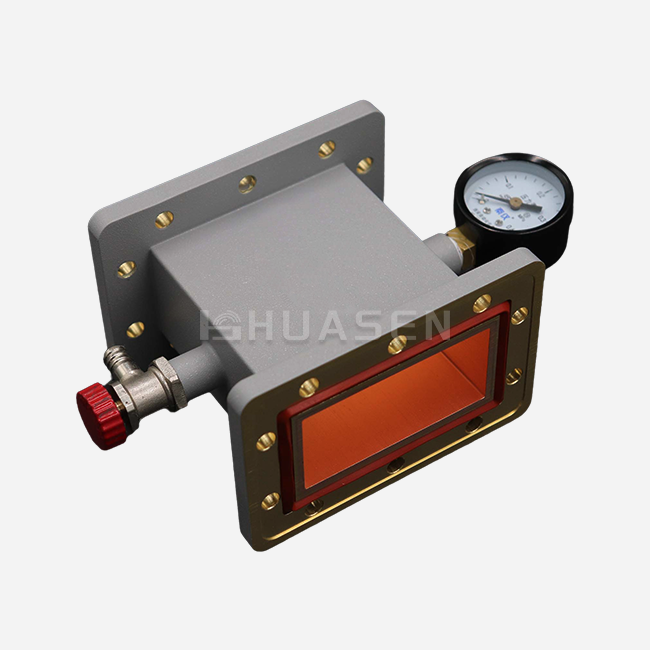
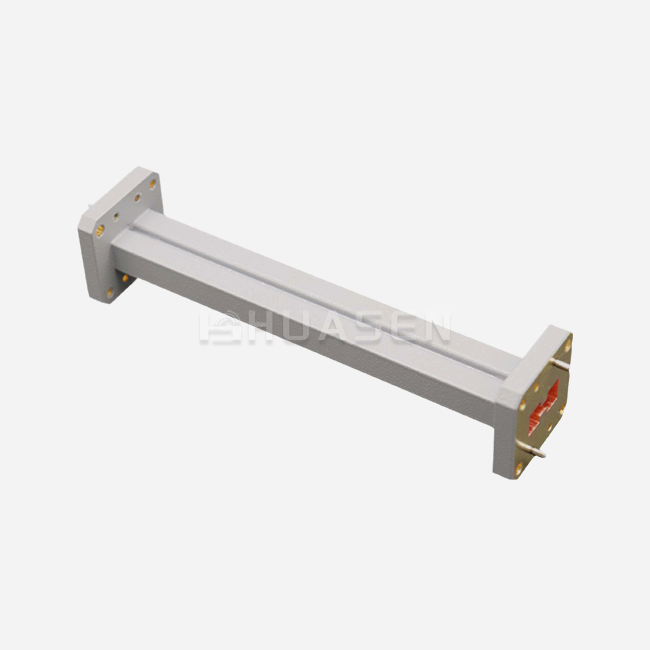
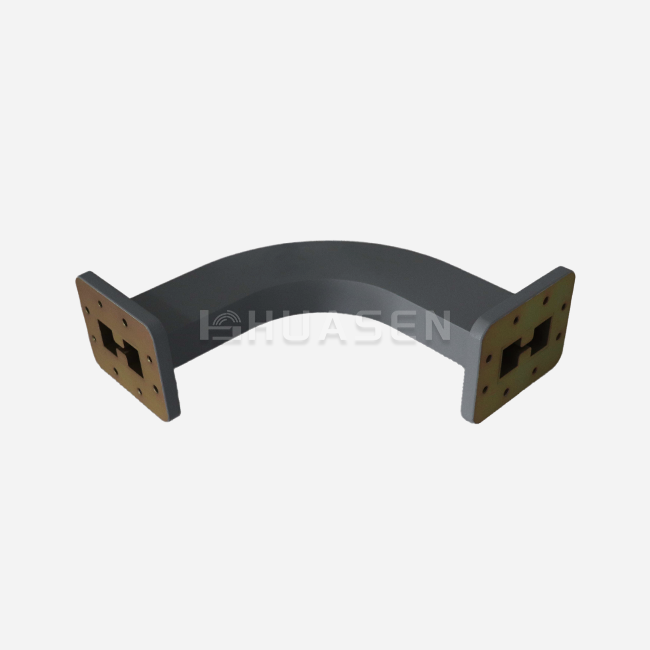
What Makes a Straight Waveguide Critical in Signal Path?






2026-01-19 20:22:45
When your satellite communication system loses signal strength halfway through transmission, or your radar detection range suddenly drops by thirty percent, the culprit might be hiding in plain sight within your signal path. A straight waveguide serves as the fundamental building block for maintaining signal integrity in high-frequency electromagnetic transmission systems, providing low-loss pathways that preserve power levels and minimize reflection across critical applications in aerospace, defense, telecommunications, and scientific research. Understanding what makes these components critical can mean the difference between mission success and costly system failures in environments where every decibel of signal strength matters.
Understanding the Role of Straight Waveguide in Signal Transmission
The straight waveguide represents more than just a hollow metallic tube—it functions as a precision-engineered electromagnetic highway that guides microwave and millimeter-wave signals with exceptional efficiency. In modern RF and microwave systems, where signal integrity directly impacts system performance, the straight waveguide provides a controlled environment for electromagnetic wave propagation that cannot be matched by coaxial cables or other transmission line technologies at higher frequencies. The fundamental principle behind straight waveguide operation involves confining electromagnetic energy within a bounded structure, forcing the waves to propagate along a specific path while maintaining their phase relationships and power levels.
What sets the straight waveguide apart from alternative transmission methods is its ability to support specific electromagnetic modes—patterns of electric and magnetic field distribution that remain constant along the propagation direction. The Circular Straight Waveguide, for instance, supports multiple electromagnetic modes including TE11, TM01, and TE21, each offering distinct propagation characteristics suited to different application requirements. These modes propagate through the waveguide structure without the dielectric losses inherent in cable-based systems, making straight waveguides particularly valuable for high-power applications where heat dissipation and power handling become critical concerns.
The engineering precision required for straight waveguide manufacturing directly impacts signal path performance. Inner diameter tolerances as tight as ±0.001 inches ensure consistent cutoff frequencies and impedance characteristics throughout the transmission path. Even minor dimensional variations can introduce unwanted mode conversion, increased VSWR (Voltage Standing Wave Ratio), and signal degradation that compromises system performance. Material selection plays an equally critical role—high-conductivity copper minimizes ohmic losses, while lightweight aluminum offers advantages in weight-sensitive aerospace applications without significantly sacrificing electrical performance. Stainless steel variants provide enhanced mechanical strength and corrosion resistance for harsh environmental conditions, though with slightly higher insertion loss characteristics.
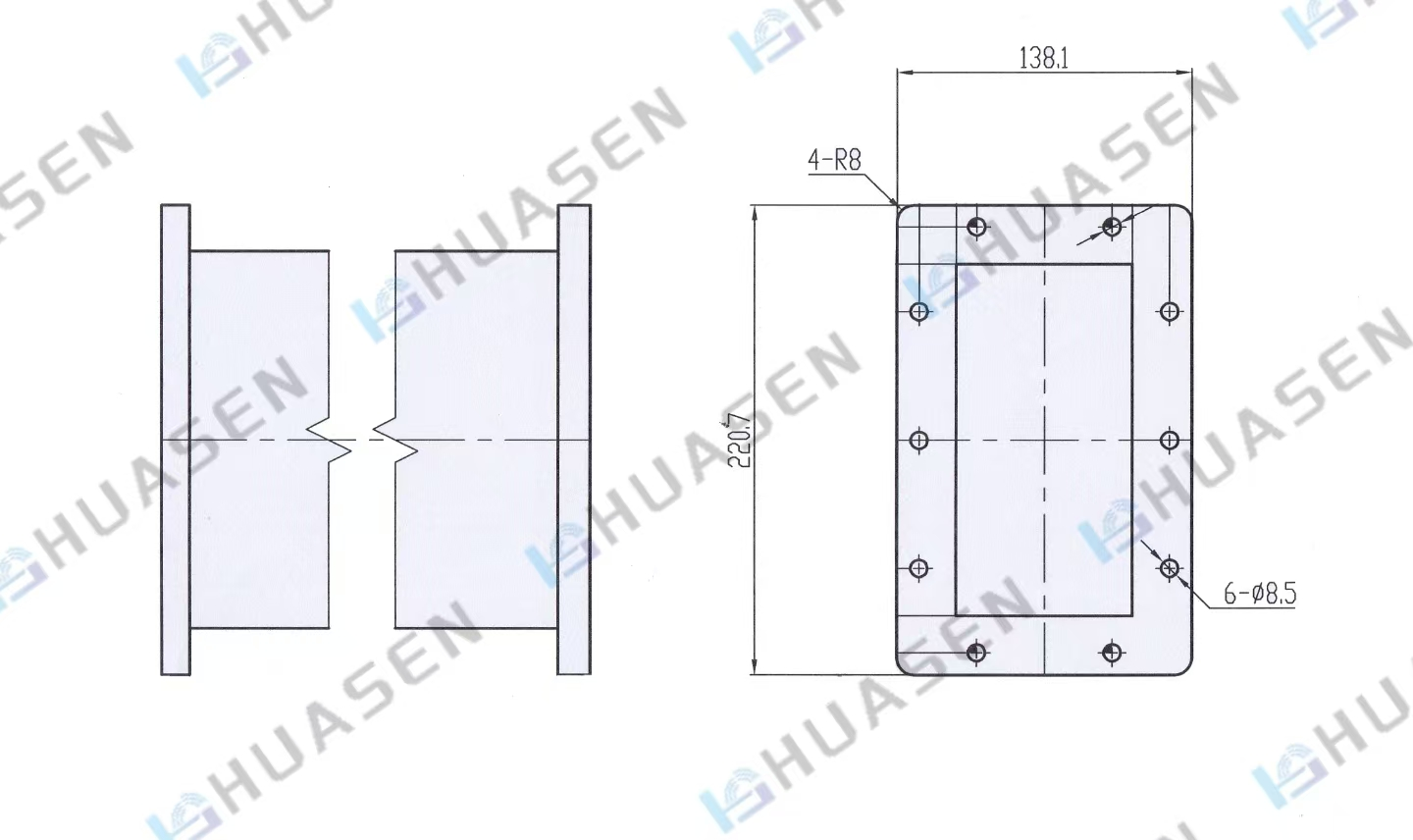
Why Signal Integrity Depends on Straight Waveguide Precision
Signal integrity in high-frequency systems depends fundamentally on minimizing reflection, attenuation, and phase distortion throughout the transmission path. The straight waveguide achieves this through its simple, unobstructed geometry that provides a direct path for electromagnetic propagation without the bends, discontinuities, or coupling points that introduce losses in more complex waveguide assemblies. When signals propagate through a properly designed straight waveguide section, insertion loss can be kept below 0.01 dB per meter—a performance level that enables transmission over substantial distances without requiring signal amplification or regeneration.
Reflection characteristics represent another critical aspect of signal path performance where straight waveguides excel. With VSWR specifications typically maintained at ≤1.05:1, modern straight waveguide sections minimize the standing wave patterns that degrade power transfer efficiency and can damage high-power transmitters. This low reflection coefficient results directly from the precise dimensional control and surface finish quality achieved through advanced manufacturing processes including precision CNC machining and specialized surface treatments. The circular straight waveguide geometry offers particular advantages in this regard, as its rotational symmetry eliminates the corner discontinuities present in rectangular waveguide designs that can introduce higher-order mode excitation and increased reflection at certain frequencies.
Phase stability along the signal path becomes especially critical in applications such as phased array radar systems, where precise phase relationships between multiple signal paths must be maintained to achieve proper beam steering and pattern formation. Straight waveguide sections provide highly predictable phase velocity characteristics that remain stable across temperature variations and mechanical stress. The low thermal expansion coefficients of materials like aluminum and copper, combined with the waveguide's simple geometry, ensure that electrical length remains consistent even when environmental conditions change. This phase stability translates directly to improved system performance in applications ranging from satellite communication ground stations to advanced radar installations where phase coherence across multiple channels determines detection capability and target discrimination.
Electromagnetic Mode Propagation in Circular Straight Waveguides
The physics of electromagnetic wave propagation within circular straight waveguides reveals why these components perform so effectively in critical signal paths. Unlike rectangular waveguides where mode patterns exhibit distinct directional characteristics, the circular cross-section provides rotational symmetry that supports both transverse electric (TE) and transverse magnetic (TM) modes with unique propagation properties. The dominant TE11 mode in circular waveguides offers the lowest cutoff frequency for a given waveguide diameter, making it the primary mode for most applications. This mode exhibits excellent power handling capabilities and maintains field distributions that minimize surface current densities on the waveguide walls, thereby reducing conductor losses and enabling high-power transmission without risk of breakdown or excessive heating.
Higher-order modes such as the TM01 and TE21 find specialized applications in circular straight waveguide systems. The TM01 mode, characterized by its axially symmetric magnetic field pattern, proves particularly valuable in applications requiring mode purity and specific polarization characteristics. However, mode selection and control require careful attention to waveguide dimensions, operating frequency, and launch conditions. Operating too far above the cutoff frequency can enable multiple modes to propagate simultaneously, leading to modal dispersion effects that distort signal waveforms and degrade transmission quality. Proper system design ensures operation in the desired mode while maintaining sufficient margin above cutoff to avoid excessive attenuation, yet far enough below the next mode's cutoff to prevent unwanted mode conversion.
The cutoff frequency phenomenon represents a fundamental characteristic of waveguide operation that distinguishes it from other transmission line types. Below the cutoff frequency for a given mode, electromagnetic waves experience exponential attenuation and cannot propagate through the waveguide structure. This frequency-selective behavior enables straight waveguides to function as high-pass filters while providing low-loss transmission for frequencies above cutoff. For circular straight waveguides, the cutoff wavelength relates directly to the inner diameter, with precise mathematical relationships governing the transition between propagating and evanescent wave behavior. Engineers exploit this characteristic to design waveguide systems that naturally suppress unwanted lower-frequency signals while efficiently transmitting the desired operating band.
Material Selection and Manufacturing Excellence for Optimal Performance
Material selection for straight waveguide construction represents a critical engineering decision that balances electrical performance, mechanical properties, weight considerations, and cost factors. High-conductivity copper stands as the premium choice for applications demanding minimal insertion loss and maximum power handling capability. The excellent electrical conductivity of copper—approximately 5.8 × 10^7 S/m for oxygen-free high-conductivity grades—translates directly to lower surface resistance and reduced ohmic losses as electromagnetic energy propagates along the waveguide walls. For applications spanning satellite ground stations to high-power radar transmitters, copper straight waveguides deliver the performance margins necessary for reliable operation under demanding conditions.
Aluminum alloys offer compelling advantages in weight-sensitive applications where mass reduction directly impacts system feasibility or operating costs. Aerospace systems, satellite payloads, and portable radar installations benefit from aluminum's density of approximately 2.7 g/cm³ compared to copper's 8.9 g/cm³, achieving weight savings exceeding sixty-five percent for equivalent waveguide sections. While aluminum's electrical conductivity of roughly 3.8 × 10^7 S/m results in slightly higher insertion loss compared to copper, the difference often proves acceptable when system-level trade-offs favor reduced weight. Advanced aluminum alloys specifically formulated for RF applications provide optimized combinations of conductivity, machinability, and mechanical strength that support precision manufacturing while maintaining excellent electrical performance.
Stainless steel circular straight waveguides address specialized requirements where corrosion resistance, mechanical strength, or operation in chemically aggressive environments outweigh pure electrical performance considerations. Marine radar systems, industrial microwave applications, and outdoor installations exposed to harsh weather conditions benefit from stainless steel's superior corrosion resistance and structural durability. The lower electrical conductivity of stainless steel necessitates careful system design to accommodate higher insertion losses, but surface plating with high-conductivity materials can mitigate this limitation. Silver plating provides the lowest surface resistance of commonly available platings, while gold plating offers excellent conductivity combined with superior corrosion resistance and long-term stability. Passivation treatments further enhance stainless steel waveguides' environmental resistance, ensuring reliable performance throughout extended operational lifetimes.

Advanced Manufacturing Processes Ensuring Dimensional Precision
Manufacturing precision determines whether a straight waveguide meets its theoretical performance potential or suffers from degraded characteristics that compromise system operation. Precision CNC machining represents the foundation of modern waveguide manufacturing, enabling the tight dimensional tolerances essential for consistent electrical performance. Computer-controlled turning and boring operations achieve inner diameter tolerances of ±0.001 inches or better, ensuring that cutoff frequencies, characteristic impedance, and mode propagation characteristics match design specifications. The cylindrical geometry of circular straight waveguides lends itself particularly well to CNC turning processes, where rotation of the workpiece combined with precision tool positioning produces excellent concentricity and surface finish.
Surface roughness specifications for waveguide interiors typically range from 32 to 63 microinches Ra (arithmetic average roughness), with finer finishes required for higher-frequency applications where skin depth becomes comparable to surface irregularity dimensions. At millimeter-wave frequencies above 30 GHz, surface roughness can significantly increase conductor losses as current density concentrates in an increasingly thin layer near the waveguide surface. Specialized finishing processes including precision boring, honing, and electropolishing achieve the mirror-like surface finishes necessary for minimal loss at these elevated frequencies. The circular straight waveguide geometry facilitates uniform surface finishing across the entire inner circumference, avoiding the sharp corners and geometric transitions present in rectangular waveguides where maintaining consistent surface quality presents greater challenges.
Dimensional verification and quality control procedures ensure that manufactured waveguides meet stringent performance requirements. Coordinate measuring machines (CMMs) provide three-dimensional inspection capabilities with measurement uncertainty below 0.0001 inches, verifying inner diameter, length, concentricity, and straightness parameters. Optical comparators and image measuring instruments complement CMM inspection by rapidly assessing critical dimensions and surface characteristics. For circular straight waveguides, specialized gauge pin sets verify inner diameter conformance at multiple positions along the waveguide length, detecting any taper or deviation from nominal dimensions that could degrade electrical performance. Network analyzer measurements validate electrical characteristics including insertion loss, return loss, and VSWR across the operating frequency band, providing final confirmation that manufactured components meet specified performance levels.
Critical Applications Where Straight Waveguide Performance Matters Most
Satellite communication systems represent one of the most demanding applications for circular straight waveguide technology, where signal path losses directly impact link budgets and determine achievable data rates over space-to-ground links spanning thousands of kilometers. Earth station antenna feed systems employ straight waveguide sections to route signals between the antenna focal point and receiver/transmitter equipment with minimal loss and maximum power handling capability. Operating frequencies extending from C-band (4-8 GHz) through Ku-band (12-18 GHz) and into Ka-band (26.5-40 GHz) place stringent requirements on waveguide performance, as insertion loss measured in tenths of decibels can significantly impact system margins. The low-loss characteristics of properly designed circular straight waveguides—achieving insertion loss below 0.01 dB/meter in many cases—preserve precious signal power that would otherwise be lost to conductor and dielectric effects.
Military and civilian radar systems depend on straight waveguide performance for transmitting high-power pulses from magnetron or klystron sources to antenna arrays while maintaining signal integrity during reception of weak echo returns. Weather radar installations operating at S-band or C-band frequencies employ substantial waveguide runs connecting equipment rooms to rooftop antenna installations, where accumulated insertion loss would degrade both transmission efficiency and receiver sensitivity if not minimized through proper waveguide selection and installation. Phased array radar systems present even more stringent requirements, as multiple parallel signal paths must maintain precise phase relationships to achieve proper beam steering. Circular straight waveguides provide the phase stability and low-loss performance necessary for these advanced radar architectures, enabling detection ranges and angular resolution that determine system effectiveness.
Aerospace and defense applications push straight waveguide technology to its performance limits, demanding components that maintain reliable operation under extreme environmental conditions including rapid temperature cycling, high vibration levels, and exposure to humidity, salt spray, and other corrosive agents. Aircraft communication systems, satellite transponders, and missile guidance electronics rely on circular straight waveguide sections that continue functioning despite acceleration forces, temperature extremes ranging from -65°C to +150°C, and atmospheric pressure variations from vacuum to multiple atmospheres. The mechanical robustness of properly designed waveguides, combined with appropriate material selection and surface treatments, ensures signal path integrity throughout the operational envelope. Hermetic sealing techniques prevent moisture ingress that could degrade electrical performance or cause corrosion, while precision flange interfaces maintain electrical continuity and minimize reflection at waveguide junctions.
High-Power Transmission Capabilities in Critical Systems
Power handling capability distinguishes straight waveguides from alternative transmission line technologies in applications where kilowatts or even megawatts of RF power must be transmitted between system components. The absence of center conductors or dielectric insulation materials eliminates the breakdown mechanisms that limit coaxial cable power ratings, allowing circular straight waveguides to handle average power levels exceeding 10 kW and peak power pulses reaching hundreds of kilowatts without risk of arcing or damage. This high-power capability proves essential in radar transmitters, industrial microwave heating systems, and RF plasma generation equipment where power levels far exceed the capacity of alternative transmission methods.
Thermal management becomes a critical consideration in high-power straight waveguide applications, as even the small insertion losses characteristic of well-designed waveguides translate to significant heat dissipation when multiplied by kilowatt-level power flows. Copper waveguides benefit from the metal's excellent thermal conductivity of approximately 400 W/(m·K), enabling efficient heat spreading and dissipation through the waveguide walls. Aluminum waveguides offer somewhat lower thermal conductivity around 200 W/(m·K) but compensate through lighter weight and larger surface area to volume ratios that facilitate convective cooling. Waveguide mounting and support structures must provide adequate thermal paths while avoiding mechanical stresses that could distort the precision dimensions necessary for optimal electrical performance.
Corona discharge and multipactor breakdown represent potential failure mechanisms in high-power waveguide systems operating under vacuum or reduced pressure conditions. Corona occurs when electric field strengths exceed the breakdown threshold of air or other gases present in the waveguide, creating ionized plasma that absorbs RF energy and can lead to progressive damage. Surface roughness, contamination, and geometric discontinuities can create localized field enhancements that trigger breakdown at power levels below the theoretical capacity. Precision manufacturing processes, thorough cleaning procedures, and proper conditioning protocols mitigate these risks, enabling straight waveguides to achieve their full power handling potential in demanding applications ranging from particle accelerator RF systems to space-based communication transmitters.
Huasen Microwave's Advanced Circular Straight Waveguide Solutions
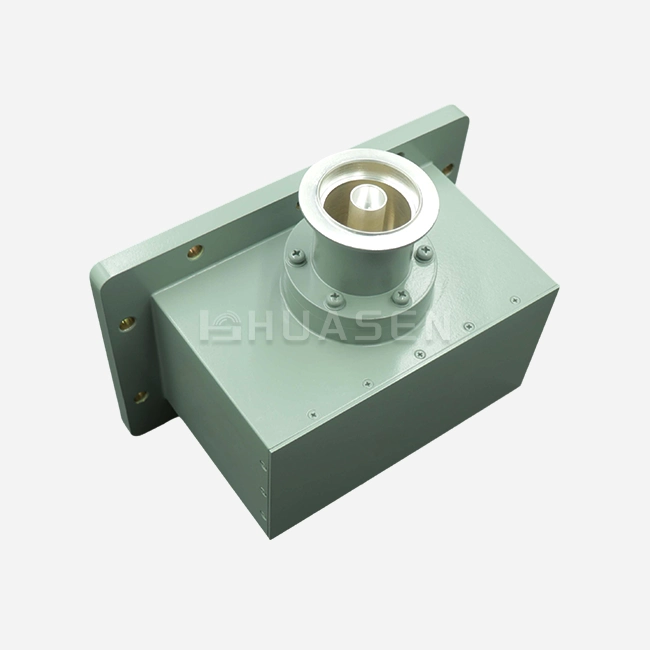
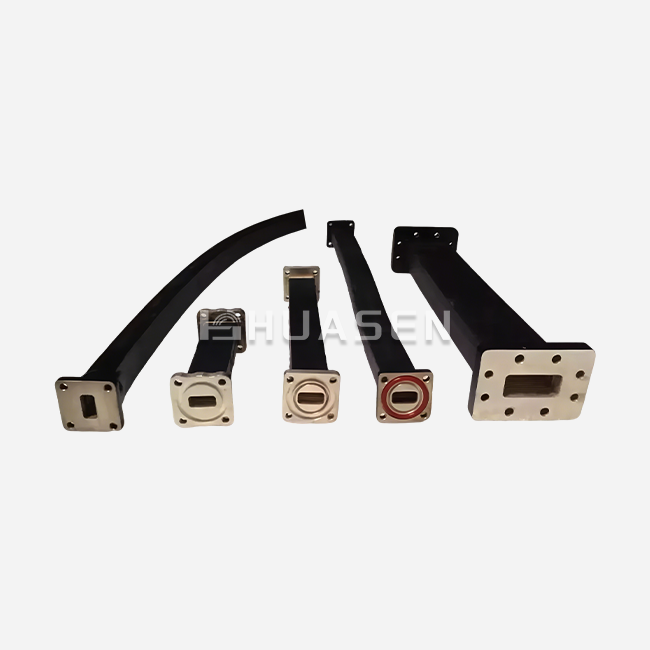
Huasen Microwave Technology Co., Ltd. has established itself as a premier manufacturer of circular straight waveguide components through more than three decades of engineering expertise and continuous innovation in RF and microwave technology. Our circular straight waveguides support multiple electromagnetic modes including TE11, TM01, and TE21, providing the flexibility to address diverse application requirements across telecommunications, aerospace, defense, and scientific research sectors. Material options encompassing copper, aluminum, and stainless steel variants ensure optimal performance trade-offs for each specific application, whether prioritizing minimal insertion loss, reduced weight, or enhanced environmental resistance.
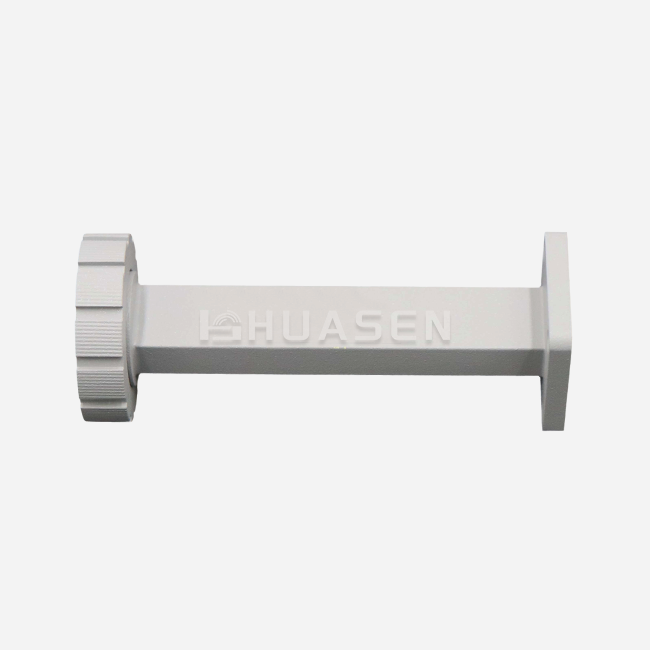
The advantages and features of Huasen's circular straight waveguide product line reflect our commitment to engineering excellence and customer satisfaction. Low conductor and dielectric loss characteristics ensure minimal signal attenuation, while the absence of radiation loss maintains power within the guided structure. High power capacity enables transmission of kilowatt-level signals without risk of breakdown or damage. The simple structure of straight waveguide sections facilitates reliable manufacturing and cost-effective production, while the availability of multiple materials—including lightweight aluminum and high-conductivity copper—supports application-specific optimization. Customizable length and radius options provide the flexibility necessary to integrate waveguide components into diverse system architectures.
Our manufacturing capabilities distinguish Huasen Microwave as a partner capable of delivering precision waveguide components that meet the most stringent performance requirements. Equipped with over 3,000 square meters of production facilities and supported by more than 200 experienced employees, our operations span precision CNC machining, advanced joining processes including silver brazing and aluminum brazing, and comprehensive quality verification procedures. The machining workshop features CNC lathes, CNC milling machines, EDM equipment, and wire cutting systems dedicated to producing waveguide components with tolerances measured in thousandths of an inch. Surface treatments including silver plating, gold plating, and passivation enhance electrical conductivity while providing long-term environmental protection.
Comprehensive Testing Capabilities Ensuring Performance Excellence
Quality assurance represents a non-negotiable priority at Huasen Microwave, reflected in our extensive testing infrastructure and rigorous verification procedures that validate every aspect of waveguide performance before components reach customer facilities. Our three microwave anechoic chambers—spanning 21 meters, 9 meters, and 5 meters in length—provide controlled environments for antenna radiation pattern measurements and waveguide characterization across frequency ranges from 0.5 GHz to 220 GHz. These facilities, calibrated by the Metrology Laboratory of Xi'an Electronic Engineering Research Institute, ensure measurement accuracy and traceability to national standards. Far-field test systems incorporating two-dimensional turntables and sophisticated software analysis capabilities characterize radiation patterns, gain, and polarization characteristics essential for validating waveguide-fed antenna systems.
Network analyzer measurements form the foundation of electrical performance verification for circular straight waveguide components. Our instrumentation suite includes more than 40 vector network analyzers spanning frequencies from sub-gigahertz through 110 GHz and beyond, enabling comprehensive characterization of insertion loss, return loss, VSWR, and phase characteristics across the full operating bandwidth. Advanced measurement techniques including time-domain reflectometry identify discontinuities or imperfections that could degrade performance, while calibrated power meters verify actual transmission efficiency under various power level conditions. Spectrum analyzers extending to 320 GHz support harmonic and spurious emission testing, ensuring waveguide components maintain signal purity in sensitive applications.
Environmental testing capabilities verify that Huasen's circular straight waveguide products maintain performance specifications under the temperature extremes, humidity levels, and mechanical stresses encountered in real-world deployments. Temperature shock test chambers subject components to rapid thermal cycling between -65°C and +150°C, validating dimensional stability and electrical performance across the full specified temperature range. Alternating humidity and heat test chambers simulate tropical and marine environments, confirming that surface treatments and sealing techniques provide adequate protection against corrosion and moisture ingress. Vibration test benches verify mechanical integrity under the acceleration profiles typical of aerospace, vehicular, and shipboard installations, ensuring that precision dimensions and flange interfaces remain within specification despite dynamic loading conditions.
Conclusion
The straight waveguide proves critical in signal paths through its unmatched combination of low-loss transmission, high power handling, and reliable performance across demanding applications where signal integrity directly impacts system success.
Cooperate with Huasen Microwave Technology Co., Ltd.
Founded in 1993, Huasen Microwave Technology Co., Ltd. stands as a trusted China straight waveguide manufacturer, supplier, and factory offering High Quality straight waveguide solutions at competitive straight waveguide prices. Our straight waveguide for sale encompasses customized configurations backed by ISO9001 certification and comprehensive testing capabilities spanning microwave anechoic chambers, vector network analyzers, and environmental verification systems. Whether you need China straight waveguide wholesale quantities for large-scale deployments or specialized components for research applications, our expert team provides technical consultation and rapid delivery worldwide. Contact our sales team at sales@huasenmicrowave.com to discuss your specific requirements—click to save this resource and reference our solutions whenever signal path performance matters. Let Huasen's three decades of RF engineering excellence support your next project with circular straight waveguides engineered for reliability, precision, and exceptional performance.
References
1. Pozar, David M. "Microwave Engineering," 4th Edition. John Wiley & Sons, 2012.
2. Collin, Robert E. "Foundations for Microwave Engineering," 2nd Edition. IEEE Press, 2001.
3. Balanis, Constantine A. "Advanced Engineering Electromagnetics," 2nd Edition. John Wiley & Sons, 2012.
4. Southworth, George C. "Principles and Applications of Waveguide Transmission." D. Van Nostrand Company, 1950.
5. Marcuvitz, Nathan. "Waveguide Handbook," MIT Radiation Laboratory Series Volume 10. McGraw-Hill, 1951.
Send Inquiry