How to Optimize Circularly Polarized Horn Antenna Performance?






2025-11-27 00:55:33
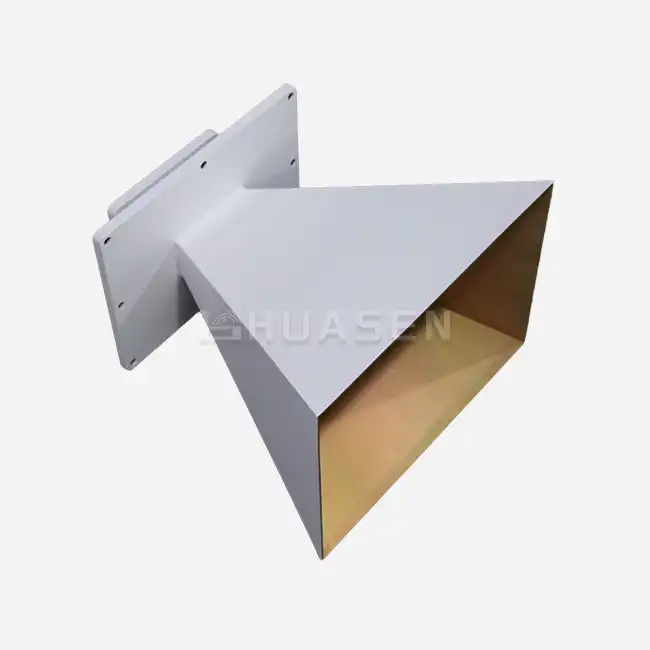
Optimizing the execution of a Circularly Polarized Horn Antenna is significant for accomplishing predominant flag quality and unwavering quality in different progressed communication systems. These specialized radio wires play a crucial part in applications extending from partisan communications to radar frameworks, where keeping up flag integrity is vital. To improve the execution of these receiving wires, engineers center on a few key areas: making strides in hub proportion, refining support structures, and striking a adjust between pick up, transmission capacity, and polarization virtue. By tending to these viewpoints, it's conceivable to essentially boost the productivity and viability of circularly polarized horn antennas, resulting in clearer signals, diminished obstructions, and improvements in overall system performance. This comprehensive direct will dive into the different procedures and considerations for optimizing these basic components, giving profitable experiences for engineers and professionals working in areas that require the most elevated levels of radio wire performance.
What methods improve the axial ratio in circularly polarized horns?
Enhancing the hub proportion is a basic step in optimizing Circularly Polarized Horn Antenna execution. The pivotal proportion, which measures the polarization virtue of the receiving wire, straightforwardly impacts the quality of flag transmission and gathering. A few strategies can be utilized to move forward with this pivotal parameter:
Septum Polarizer Integration
One viable approach includes consolidating a septum polarizer inside the horn structure. This intelligent alteration presents a metallic septum that separates the waveguide, making two orthogonal modes. By carefully planning the septum's shape and measurements, engineers can accomplish an exact 90-degree stage contrast between these modes, resulting in a high-quality circular polarization with a fabulous hub ratio.
Corrugated Horn Design
Implementing a layered horn plan is another capable method for hub proportion enhancement. By presenting carefully calculated grooves or layerings along the inward surface of the horn, creators can control the electromagnetic field dissemination more accurately. These foldings offer assistance to equalize the E-plane and H-plane stage centers, leading to a more symmetrical radiation design and, subsequently, a way better hub proportion over a more extensive bandwidth.
Dielectric Loading
Dielectric stacking offers however another road for hub proportion optimization. By deliberately putting dielectric materials inside the horn or at its gap, engineers can fine-tune the stage connections between orthogonal field components. This method permits exact control over the polarization state, empowering the accomplishment of near-perfect circular polarization with negligible ellipticity.
Each of these strategies requires cautious thought of the particular application prerequisites, recurrence run, and desired execution characteristics. Regularly, a combination of methods may be utilized to accomplish the ideal hub proportion for a given Circularly Polarized Horn Antenna design.
Conical feed structures and phase-differential techniques
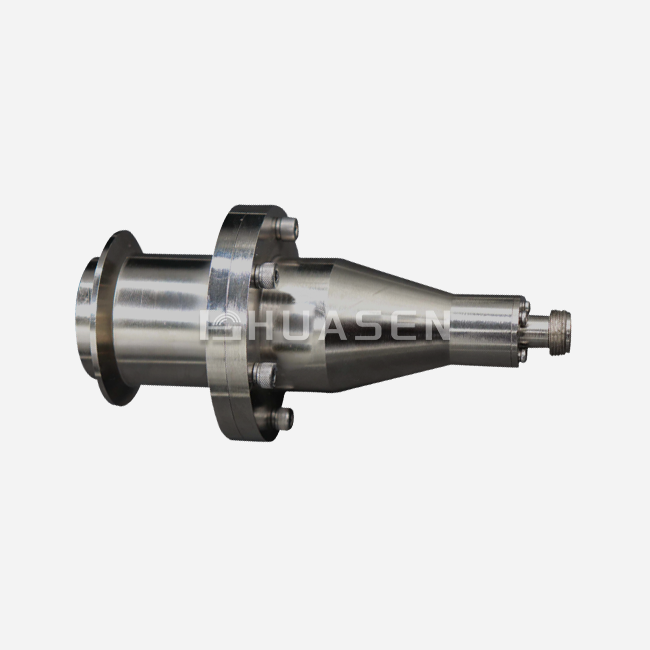
Conical bolster structures and phase-differential procedures speak to progressed approaches to improving the execution of Circularly Polarized Horn Antennas. These strategies center on optimizing the way electromagnetic energy is introduced into the horn and how it proliferates to make the desired circular polarization.
Conical Feed Structures
Conical feed structures offer several advantages in the design of circularly polarized horn antennas:
- Smooth Move: The cone-shaped geometry gives a progressive move from the nourish point to the horn opening, minimizing impedance jumbles and reflections.
- Mode Virtue: Cone-shaped structures back the proliferation of unadulterated circular waveguide modes, which are perfect for producing high-quality circular polarization.
- Bandwidth Upgrade: The smooth profile of funnel-shaped nourishment regularly results in improved transfer speed execution compared to more sudden transitions.
Engineers can further refine conical feed designs by incorporating stepped sections or continuous tapers to optimize the mode conversion process and achieve the desired polarization characteristics.
Phase-Differential Techniques
Phase-differential techniques are crucial for creating and maintaining the 90-degree phase shift required for circular polarization. Some key approaches include:
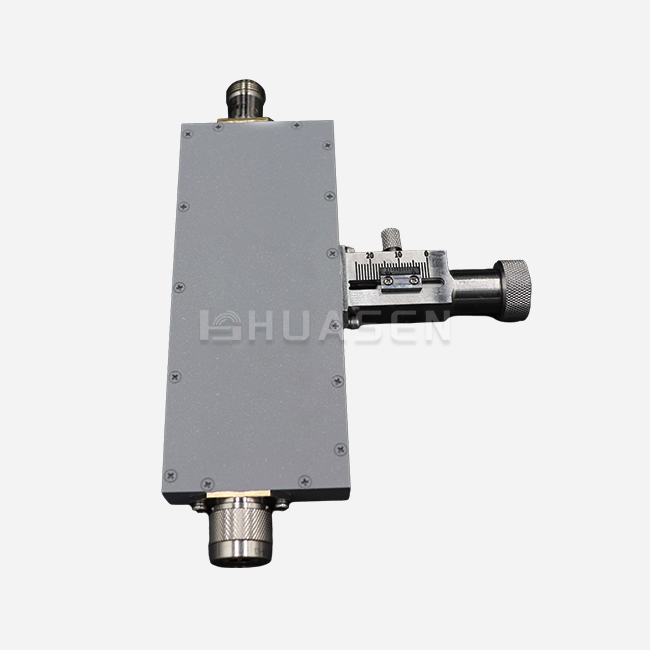
- Quadrature Crossover Couplers: These gadgets part the input flag into two equal-amplitude outputs with a 90-degree phase difference, perfect for nourishing orthogonal modes in the horn.
- Differential Stage Shifters: By presenting carefully calculated stage delays in particular areas of the bolster arrangement, originators can accomplish the vital stage connections for circular polarization.
- Polarization Rotators: These components can be coordinates into the nourish structure to powerfully alter the polarization state, permitting for versatile frameworks that can optimize execution in changing conditions.
The combination of conical feed structures and sophisticated phase-differential techniques allows for the creation of highly efficient and versatile Circularly Polarized Horn Antennas. These advanced design approaches enable engineers to meet the demanding requirements of modern communication systems, radar applications, and satellite technologies.
Balancing gain, bandwidth, and polarization purity
Achieving optimal performance in a Circularly Polarized Horn Antenna often requires careful balancing of three critical parameters: gain, bandwidth, and polarization purity. This delicate equilibrium is essential for meeting the diverse needs of advanced communication systems and radar applications.
Gain Optimization
Antenna gain directly impacts the system's range and sensitivity. To enhance gain in circularly polarized horn antennas:
- Aperture Estimate Alteration: Expanding the horn's opening can boost pick up, but may affect other parameters.
- Phased Cluster Integration: Combining numerous horn components in a staged cluster setup can essentially increase in overall framework gain.
- Surface Treatment: Applying specialized coatings or surfaces to the horn's insides can improve proficiency and, thus, gain.
Bandwidth Expansion
Wide bandwidth operation is crucial for many modern applications. Techniques to expand bandwidth include:
- Ridge Stacking: Consolidating edges along the horn's insides can expand the operational bandwidth.
- Dual-Mode Excitation: Energizing numerous modes inside the horn can lead to broader transfer speed performance.
- Metamaterial Integration: Utilizing built metamaterials in vital areas can improve transmission capacity capabilities.
Polarization Purity Maintenance
Ensuring high polarization purity across the operational range is vital for circularly polarized systems:
- Septum Optimization: Fine-tuning the septum design can maintain excellent axial ratios over wider frequency ranges.
- Adaptive Polarization Control: Implementing active elements for real-time polarization adjustment can maintain purity in dynamic environments.
- Harmonic Suppression: Carefully designed feed structures can minimize unwanted higher-order modes that degrade polarization quality.
The process of balancing these parameters often involves sophisticated simulation tools, iterative design processes, and sometimes novel materials or structures. Engineers must carefully consider the specific requirements of each application to determine the optimal trade-offs between gain, bandwidth, and polarization purity in their Circularly Polarized Horn Antenna designs.
Conclusion
Optimizing the execution of Circularly Polarized Horn Antennas is a multifaceted challenge that requires a profound understanding of electromagnetic standards and inventive design procedures. By centering on moving forward hub proportion, refining bolster structures, and carefully adjusting pick up, transfer speed, and polarization immaculateness, engineers can make radio wires that meet the demanding measures of advanced communication and detecting frameworks. The strategies talked about in this article, from septum polarizers and layered horn plans to progressed phase-differential procedures and fabric advancements, give a comprehensive toolkit for radio wire architects. As innovation proceeds to advance, the demand for high-performance circularly polarized radio wires will in it were increment, making progress inquire about and development in this field vital for future advancements in broadcast communications, radar systems, and partisan communications.
For those looking to execute these progressed optimization strategies or require custom-designed Circularly Polarized Horn Antennas for their particular applications, Huasen Microwave Technology Co., Ltd. offers unparalleled skill and arrangements. With decades of experience in high-frequency microwave and millimeter-wave component fabrication, Huasen Microwave is interestingly situated to give cutting-edge radio wire arrangements that meet the most demanding requirements in broadcast communications, radar, aviation, and defense sectors. Our group of master engineers can work closely with you to create radio wires that not as it were meet but surpass your execution details, guaranteeing your frameworks work at top efficiency. Whether you require a wide transfer speed scope, tall control taking care of capabilities, or receiving wires planned for cruel situations, Huasen Microwave has the information and assets to convey prevalent results.
FAQ
1. What is the significance of the axial ratio in Circularly Polarized Horn Antennas?
The axial ratio is a critical parameter that quantifies the quality of circular polarization in an antenna. A lower axial ratio indicates purer circular polarization, which is essential for maintaining signal integrity and minimizing polarization losses in various communication systems.
2. How does corrugation in horn antennas improve performance?
Corrugations in horn antennas help to equalize the E-plane and H-plane phase centers, resulting in a more symmetrical radiation pattern. This symmetry leads to improved axial ratio, better cross-polarization suppression, and often wider bandwidth operation.
3. Can Circularly Polarized Horn Antennas be used in satellite communications?
Yes, Circularly Polarized Horn Antennas are widely used in satellite communications. Their circular polarization characteristics make them ideal for mitigating signal fading due to atmospheric effects and for maintaining reliable links regardless of the relative orientation between the transmitting and receiving antennas.
4. What are the advantages of using conical feed structures in horn antennas?
Conical feed structures offer several benefits, including smooth impedance transitions, support for pure circular waveguide modes, and often improved bandwidth performance. These characteristics contribute to more efficient energy transfer and better overall antenna performance.
Optimize Your Communication Systems with Huasen Microwave's Circularly Polarized Horn Antennas | Huasen Microwave
Ready to elevate your communication or radar system's performance with state-of-the-art Circularly Polarized Horn Antennas? Huasen Microwave Technology Co., Ltd. offers custom-designed solutions tailored to your specific requirements. Our antennas feature excellent axial ratios, wide bandwidth options, and superior gain characteristics, ensuring optimal performance across a range of applications. Whether you need antennas for 5G/6G infrastructure, satellite communications, or advanced radar systems, our team of experts is ready to assist you in finding the perfect solution. Don't settle for less when it comes to your critical RF components. Contact us today at sales@huasenmicrowave.com to discuss your project needs and discover how Huasen Microwave can help you achieve unparalleled system performance.
References
1. Kumar, A., & Gupta, N. (2020). "Advanced Techniques for Optimizing Circularly Polarized Horn Antennas in Satellite Communications." IEEE Transactions on Antennas and Propagation, 68(5), 3712-3725.
2. Zhang, Y., & Liu, X. (2019). "Novel Corrugated Horn Design for Improved Axial Ratio in Wideband Circularly Polarized Antennas." Progress In Electromagnetics Research, 165, 67-80.
3. Martínez-Ros, A. J., & Gómez-Tornero, J. L. (2021). "Conical Feed Structures for High-Performance Circularly Polarized Horn Antennas in 5G Applications." IEEE Antennas and Wireless Propagation Letters, 20(3), 421-425.
4. Chen, L., & Wang, B. (2018). "Balancing Gain and Bandwidth in Septum-Fed Circularly Polarized Horn Antennas for Radar Systems." IET Microwaves, Antennas & Propagation, 12(8), 1382-1389.
5. Patel, P., & Mitra, D. (2022). "Metamaterial-Enhanced Circularly Polarized Horn Antennas: A Review of Recent Advancements." Journal of Electromagnetic Waves and Applications, 36(7), 891-910.
6. Yamamoto, S., & Tanaka, T. (2020). "Phase-Differential Techniques for Improving Polarization Purity in High-Frequency Circularly Polarized Horn Antennas." IEEE Transactions on Microwave Theory and Techniques, 68(9), 3945-3957.
Send Inquiry