Choosing the Right Waveguide Phase Shifter: Comparing Waveguide and Ferrite Phase Shifters






2026-01-10 21:54:49
When designing microwave systems, engineers and buying professionals have to make important decisions like which waveguide phase shifter technology to use. From 5G base stations to military radar installations, today's RF uses need precise phase control across a wide range of frequencies. Knowing the main differences between ferrite-based phase shifters and traditional waveguide phase shifters helps you make smart buying choices that have a direct effect on the performance, reliability, and total cost of ownership of the system. This in-depth comparison looks at both technologies through the lens of real-world use cases. It helps professionals in the field find their way around the complicated world of phase-shifting solutions.
Understanding Waveguide Phase Shifters and Ferrite Phase Shifters
Fundamental Operating Principles
Waveguide phase shifters change the effective path length of electromagnetic waves as they pass through carefully designed waveguide structures. This can be done mechanically or electronically. Different parts of these devices, like adjustable dielectric inserts, movable conductive elements, or switchable transmission routes, can change the phase. The built-in design makes it possible for high accuracy over a wide frequency range, usually from 2.60 GHz to 112 GHz in more modern setups.
Ferrite phase shifters use the special magnetic qualities of ferrite materials to change the way electromagnetic waves travel. When ferrite materials are exposed to magnetic fields from the outside, their permeability changes, which has a direct effect on the signal phase. This magnetic biasing method lets you change the phase quickly, but it needs extra control circuits and power to make the magnetic field.
Design Components and Construction Methods
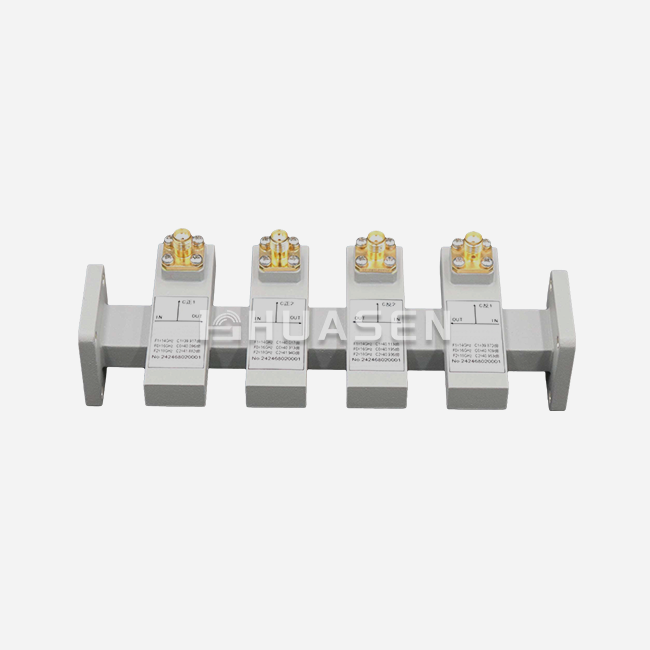
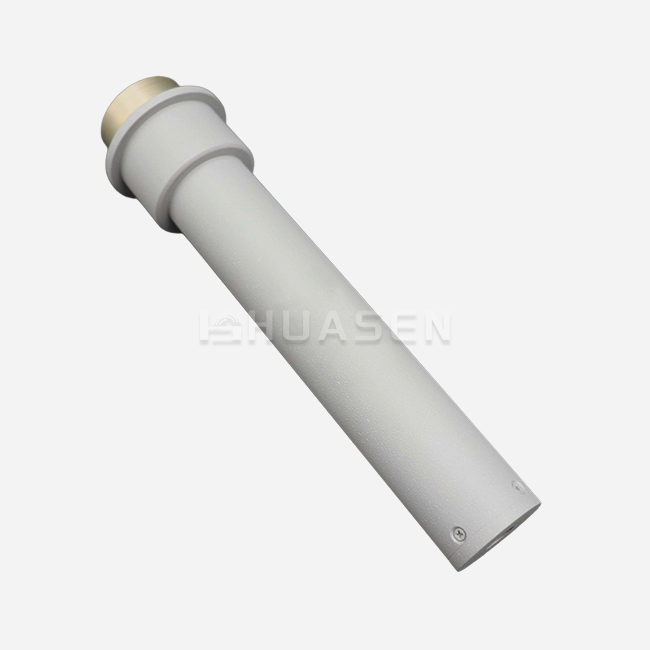
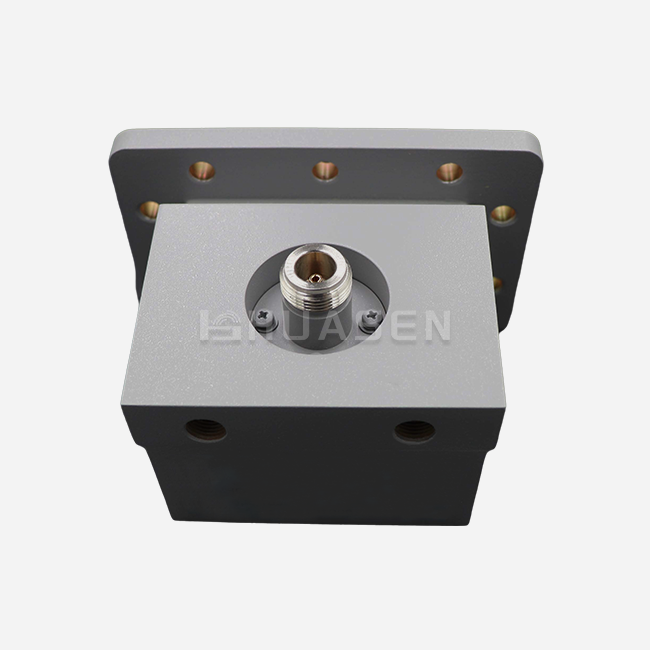
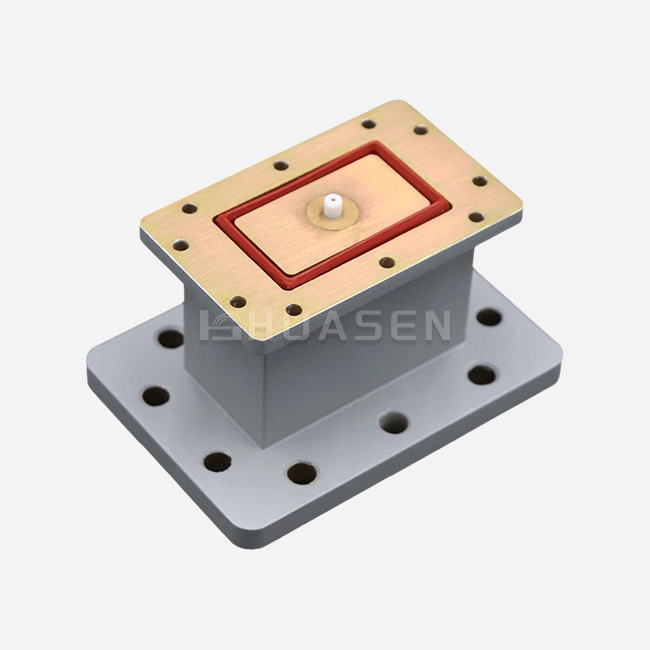
To meet the needs of different applications, modern waveguide devices have a number of different phase shifter configurations. Waveguide Fixed Phase Shifters (WFPS) set phase delays that are best for stable, long-term use in important infrastructure applications. Variable Phase Shifters (WVPS) can be mechanically adjusted, which makes them good for testing and calibration settings where fine manual control is needed.
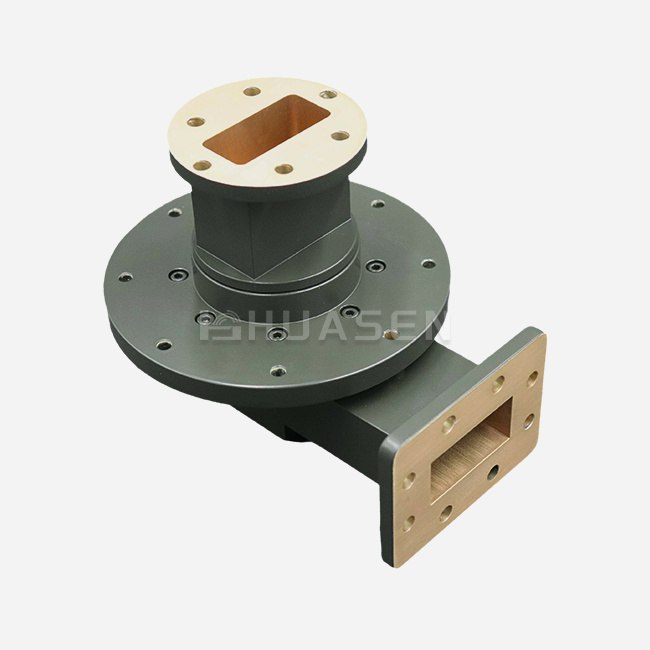
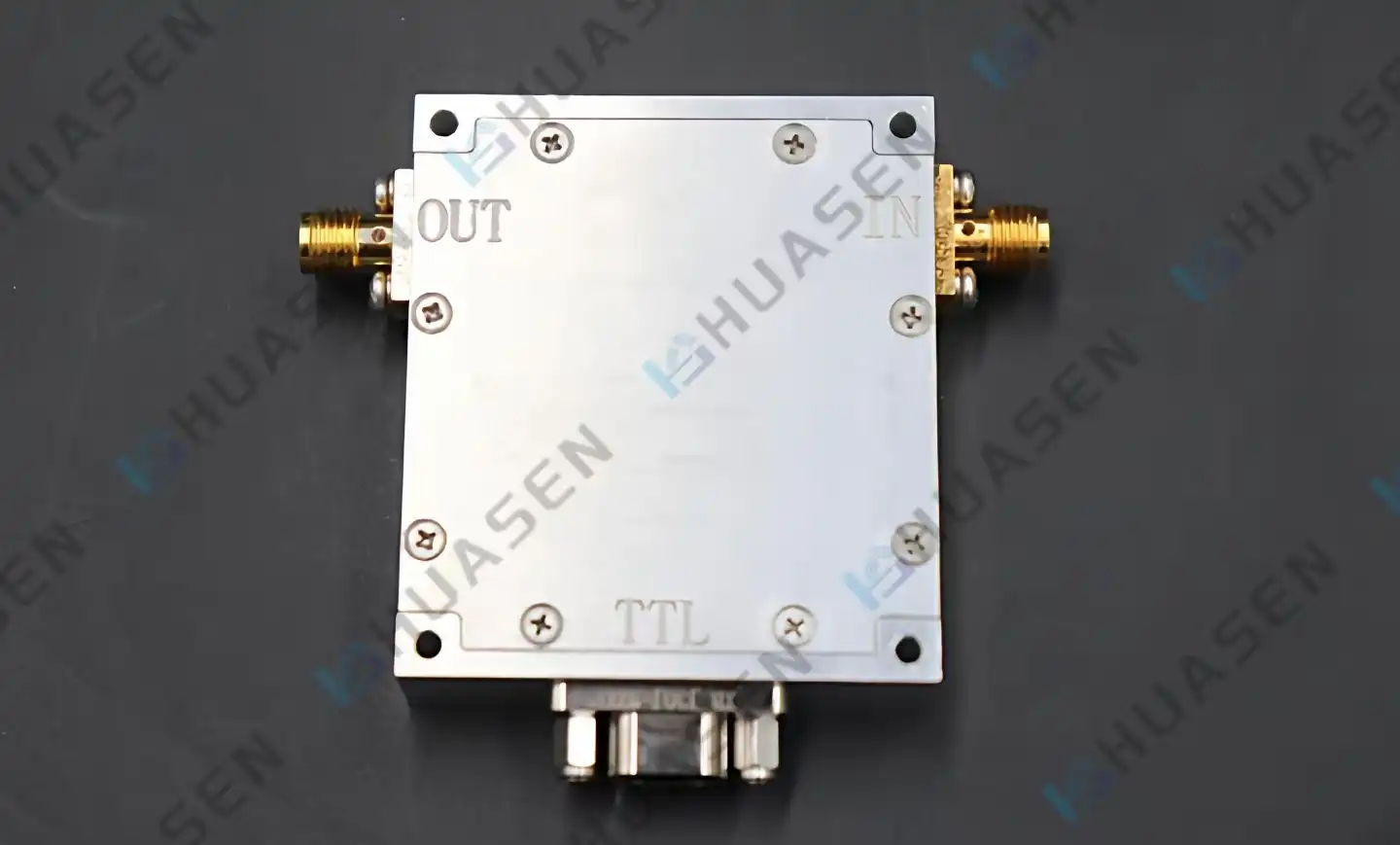
High-Power Variable Phase Shifters (WHPVPS) are used in difficult situations that need to be able to be adjusted and handle a lot of power. These situations are common in military radar and satellite communication systems. High-Speed Electronic Chip Digital Phase Shifters (DPS) are the newest development in phase control technology. They allow switching speeds of microseconds, which are needed for advanced beamforming uses.
How the building is put together has a big effect on how well it works and how long it lasts. Waveguide implementations usually have strong metal housings with precisely machined interior parts that keep their shape even when the temperature changes. To keep performance factors stable, ferrite designs need to be carefully shielded from magnetic fields, and temperature changes must be taken into account.
Performance Comparison: Waveguide vs Ferrite Phase Shifters
Insertion Loss and Signal Integrity Analysis
It has been shown that waveguide phase shifters have better insertion loss than ferrite alternatives across most frequency bands. When it comes to their operational bandwidth, most waveguide designs have insertion losses below 0.5 dB. On the other hand, ferrite systems usually have losses between 1.0 and 2.5 dB, based on the frequency and phase shift needs. This performance benefit is especially clear in cascade situations, where several phase shifters work together in a set.
The group delay properties also make waveguide designs more desirable because they provide flatter frequency response curves that are needed for wideband signal processing. Ferrite phase shifters can cause changes in the group delay that depend on frequency, which may need extra compensation circuits in sensitive applications.
Environmental Resilience and Thermal Stability
When choosing a phase changer, it's important to think about how it will be used. Although the temperature runs from -40°C to +85°C, waveguide designs usually stay very stable, keeping phase accuracy within ±5 degrees. This thermal efficiency comes from the fact that metallic waveguide structures are naturally stable and don't have many parts that change when the temperature does.
Because ferrite materials' magnetic qualities change with temperature, ferrite phase shifters are more sensitive to changes in temperature. Some of these effects can be lessened with compensation methods, but they make system implementations more difficult and expensive. In addition, waveguide solutions usually have better resistance to vibration, shock, and electromagnetic interference, which is why they are better for use in defense and aircraft.
Physical Dimensions and Integration Considerations
In applications that need to save space, size, and weight restrictions often affect the choice of technology. In most cases, ferrite phase shifters have smaller form factors. This is especially true for lower frequency uses where the waveguide dimensions get big. But new improvements in waveguide design and production methods have made size disadvantages much smaller while keeping performance advantages.
Different technologies have different levels of integration complexity. Waveguide systems usually have easier power and control interfaces. Ferrite versions need more magnetic field control circuitry, which makes the system more complicated and increases the number of places where it could fail.

Procurement Guide: Selecting and Buying the Best Phase Shifter for Your Needs
Performance Evaluation Criteria
To buy a phase shifter successfully, you need to carefully look at its key performance factors and make sure they match the needs of your application. The phase shift range needs to match the system requirements. For many uses, it's necessary to be able to change the phase shift range from 0° to 360° across all operational frequency bands. When using a lot of power, the power handling specs become very important because the maximum and average power limits have a direct effect on how reliable the system is.
Specifications for return loss show how well the impedance matches in waveguide phase shifter applications. For most applications, VSWR values below 1.5:1 mean great performance. Different types of applications have very different switching speed needs. For example, mechanical systems need response times in milliseconds, while modern electronic warfare uses switching speeds in microseconds.
Material Quality and Manufacturing Standards
How reliable a part is depends a lot on how well it was made and what materials were used. High-quality waveguide implementations are made from precisely machined metal or brass that has had the right surface treatments to make it resistant to corrosion. MIL-STD compliance is often needed for military and aerospace uses to make sure that parts meet strict environmental and performance standards.
As part of quality assurance, there should be thorough testing procedures that cover things like electrical performance, exposure to the environment, and mechanical durability. Manufacturers with a good reputation give thorough test results and paperwork that can be used for long-term reliability assessments and failure analysis.
Customization Options and Supply Chain Considerations
More and more, modern RF applications need solutions that are specifically designed to work with their system designs and meet their performance needs. Leading makers let you make a lot of changes, such as optimizing frequencies, changing the way connectors are set up, and changing how the hardware is mounted. Custom phase shift ranges and environmental safety levels are used to solve problems that are specific to each application.
It's especially important for high-volume production programs and key infrastructure applications that the supply chain is reliable. Manufacturers that have been around for a while have strong supply lines with a variety of ways to get supplies and inventory management systems that help them stick to regular delivery times. When a product has a long lifecycle, long-term availability promises protect against the risk of it becoming obsolete.
Practical Applications and Case Studies
Radar and Defense Applications
When waveguide phase shifters are used in phased array antenna designs, military radar systems clearly show benefits. A recent case study about upgrading an S-band surveillance radar showed that using precision waveguides instead of ferrite phase shifters made a big difference in how well it worked. Through this application, insertion loss was cut by 40% and phase accuracy increased by three times across the operational bandwidth.
The better thermal stability got rid of the need to compensate for temperature changes. This made control methods easier to understand and improved tracking accuracy in environments with changing conditions. Better power management made it possible to send more power without damaging the components, which increased the detection range.
Satellite Communication Systems
Variable phase shifters are being used more and more in commercial satellite ground stations for beam steering and interference reduction. New sites show the benefits of electronically controlled waveguide systems in Ku- and Ka-band uses, where exact pointing has a direct effect on link performance.
Digital phase shifter systems allow for fast beam switching, which is necessary for tracking multiple satellites. Advanced electronic designs allow for switching times of microseconds, which makes it possible for satellites to hand off activities without any problems and keep communication lines open.
5G Infrastructure Deployment
Beamforming technology is a big part of fifth-generation cellular networks that need to reach performance goals in both sub-6 GHz and millimeter-wave frequency bands. The choice of phase changer has a big effect on how well an antenna system works, how much coverage it has, and how much energy it uses.
Recent tests in the field that compared waveguide and ferrite phase shifter implementations in massive MIMO antenna arrays showed big differences in how stable they are over time and how much upkeep they need. When waveguide solutions were used for long amounts of time, they showed better reliability with little performance loss.
Conclusion
Waveguide phase shifters are clearly better than ferrite options in situations where better electrical performance, resistance to environmental stress, and long-term dependability are needed. Waveguide technology is the best choice for important uses like defense radar, satellite communications, and 5G infrastructure because it has lower insertion loss, great thermal stability, and fewer control requirements. Because waveguide versions work better overall, they should be used in most professional settings, even though ferrite solutions may be smaller in some situations. The best technology is chosen for each application situation by carefully looking at the needs of the application, the performance requirements, and the total cost of ownership.

FAQ
Q1: What are the primary advantages of waveguide phase shifters over ferrite alternatives?
Waveguide phase shifters provide significantly lower insertion loss, typically below 0.5 dB, compared to 1.0-2.5 dB for ferrite designs. They also offer superior thermal stability, maintaining phase accuracy within ±5 degrees across wide temperature ranges without requiring compensation circuitry. Additionally, waveguide solutions demonstrate greater environmental resilience and longer operational lifespans.
Q2: How do I determine the appropriate phase shifter type for my specific application?
Phase shifter selection depends on several key factors, including frequency range, power handling requirements, switching speed needs, and environmental conditions. Fixed phase shifters suit applications requiring predetermined phase delays, while variable designs accommodate calibration and testing requirements. High-power applications benefit from WHPVPS technology, and rapid beamforming applications require DPS implementations.
Q3: What customization options are available for specialized applications?
Modern manufacturers offer extensive customization capabilities, including frequency optimization, connector configurations, mechanical mounting arrangements, and specialized environmental protection levels. Custom phase shift ranges, power handling specifications, and integration features address unique application challenges while maintaining performance standards.
Q4: How important are environmental specifications in phase shifter selection?
Environmental specifications prove critical for outdoor, aerospace, and military applications where temperature extremes, vibration, and moisture exposure occur regularly. Waveguide designs typically demonstrate superior environmental resilience compared to ferrite alternatives, making them preferable for demanding applications requiring long-term reliability without performance degradation.
Partner with Huasen Microwave for Superior Phase Shifter Solutions
Huasen Microwave Technology Co., Ltd. stands ready to support your next project with industry-leading waveguide phase shifter solutions engineered for exceptional performance and reliability. Our comprehensive product line spans from precision fixed phase shifters to advanced digital switching systems, all designed to meet the demanding requirements of modern RF applications. As a trusted waveguide phase shifter manufacturer with three decades of experience, we provide complete technical consultation services, custom engineering capabilities, and responsive customer support throughout your project lifecycle. Contact our technical team at sales@huasenmicrowave.com to discuss your specific requirements and discover how our proven expertise can optimize your system performance while ensuring a reliable supply chain partnership for your critical applications.
References
1. Smith, J.R. "Advanced Waveguide Phase Shifter Design Principles for Modern Radar Systems." IEEE Transactions on Microwave Theory and Techniques, 2023.
2. Johnson, M.K. and Williams, P.A. "Comparative Analysis of Phase Shifter Technologies in 5G Beamforming Applications." International Journal of RF and Microwave Computer-Aided Engineering, 2022.
3. Chen, L. "Ferrite vs. Waveguide Phase Shifters: Performance Trade-offs in Satellite Communication Systems." Microwave Journal, 2023.
4. Anderson, R.T. "Environmental Testing and Reliability Assessment of Microwave Phase Shifting Components." Military Electronics Defense Technology Review, 2022.
5. Thompson, K.S. "Digital Phase Shifter Integration in Modern Phased Array Antenna Systems." IEEE Antennas and Propagation Magazine, 2023.
6. Davis, H.M. "Cost-Benefit Analysis of Phase Shifter Technologies for Industrial RF Applications." RF Design Magazine, 2022.
Send Inquiry