Choosing the Right Directional Coupler for Aerospace and Defense






2026-06-11 21:05:11
Selecting the appropriate directional coupler for aerospace and defense applications hinges on balancing critical performance parameters with operational reliability. A well-chosen directional coupler enables accurate signal sampling and power monitoring without disrupting the main RF transmission path. This decision influences system precision, mission integrity, and long-term operational costs. Engineers and procurement professionals must evaluate coupling factors, directivity levels, insertion loss, and environmental resilience to match components with demanding radar, satellite, and communication system requirements.
Introduction
Directional couplers are passive parts that are essential to military and defense RF systems because they allow for accurate signal sampling, tracking, and analysis, all of which are necessary for mission-critical operations. They are very important for radar calibration, antenna tests, electronic warfare suites, and satellite communication links because they can take out a controlled amount of signal power without stopping the main transmission line. The selection process has a direct effect on how reliable the system is, how accurate the measurements are, and how safe it is to use in places with high shocks, extreme temperatures, and electromagnetic interference.
This complete guide covers all the important things you need to think about when picking directional couplers for defense and military applications. We focus on the technical features that make aerospace-grade parts different from market ones. We also highlight reliable makers and suppliers that are known for meeting strict defense standards like MIL-STD-810 and AS9100. Understanding these quality standards is important for procurement workers who want to find reliable RF components that work well in a variety of challenging operating situations and keep up with industry standards and supply chain stability.
Understanding Directional Couplers in Aerospace and Defense
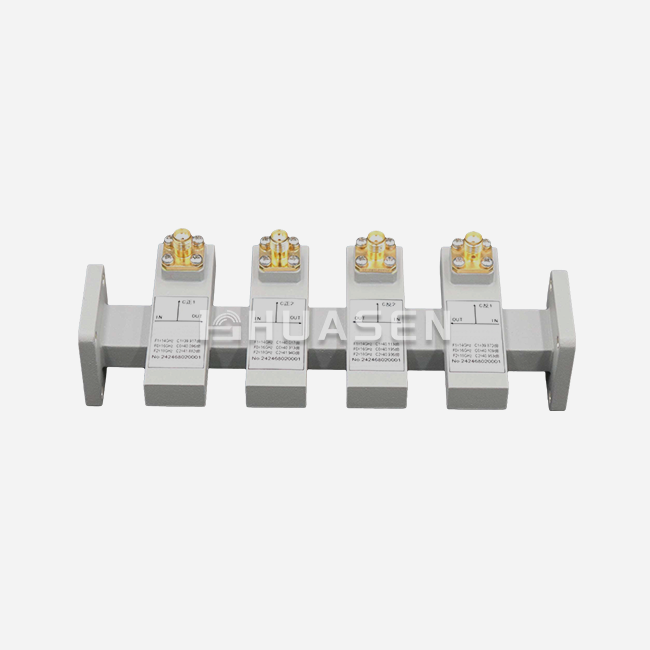
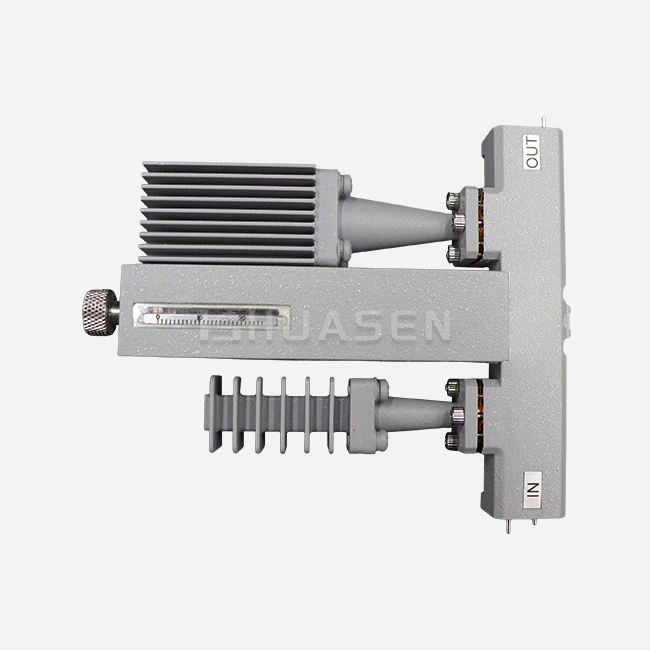
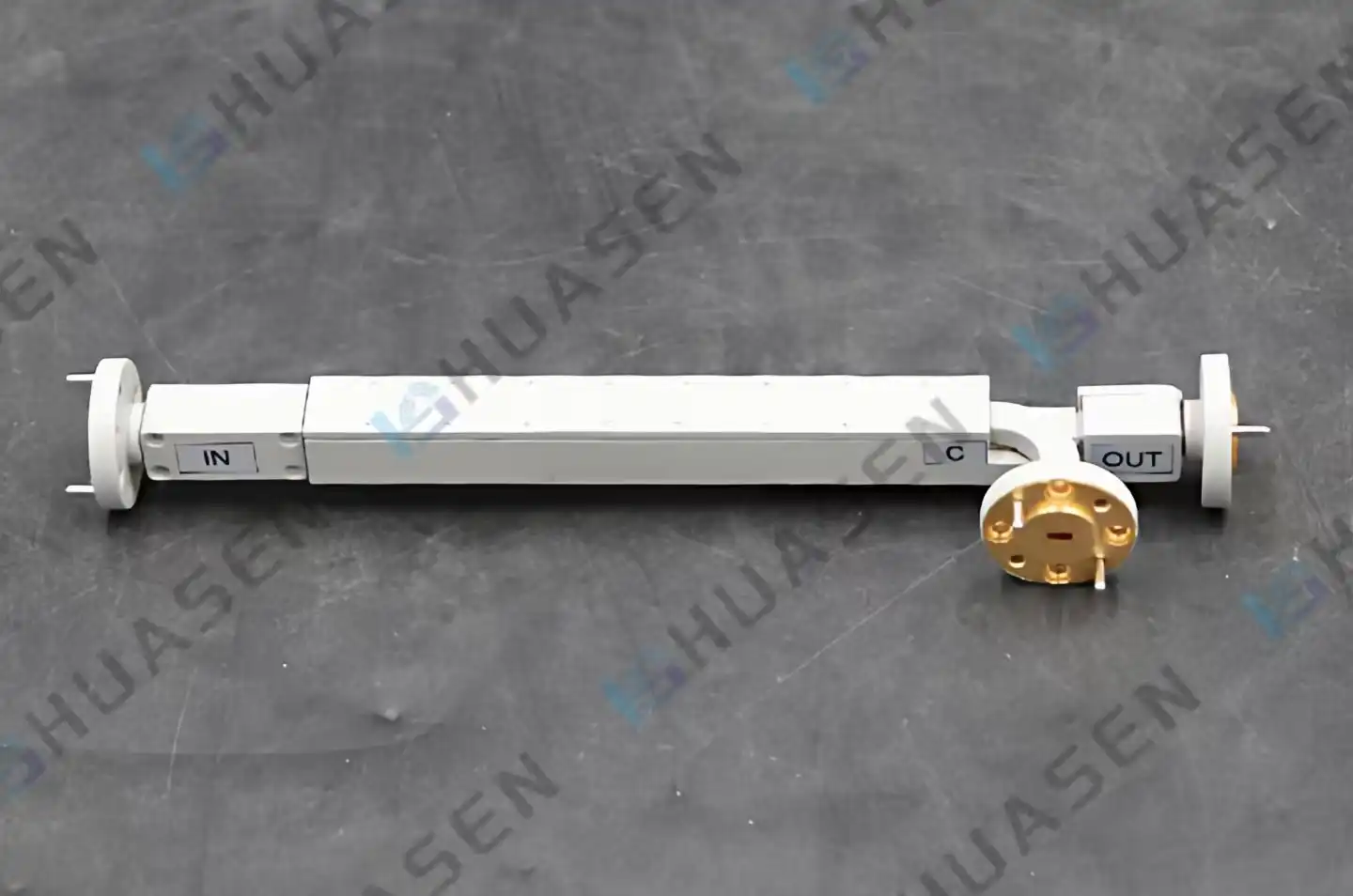
Directional couplers are passive RF devices that are intended to sample signal power going in one direction while keeping it separate from the line going the other way. This feature is very important for keeping an eye on radar transmitters, measuring antenna VSWR, and using feedback control loops in electronic countermeasure systems. This is done by electromagnetic coupling methods, such as holes in waveguides, parallel transmission lines in stripline designs, or coaxial structures that are linked.
Core Types and Their Applications
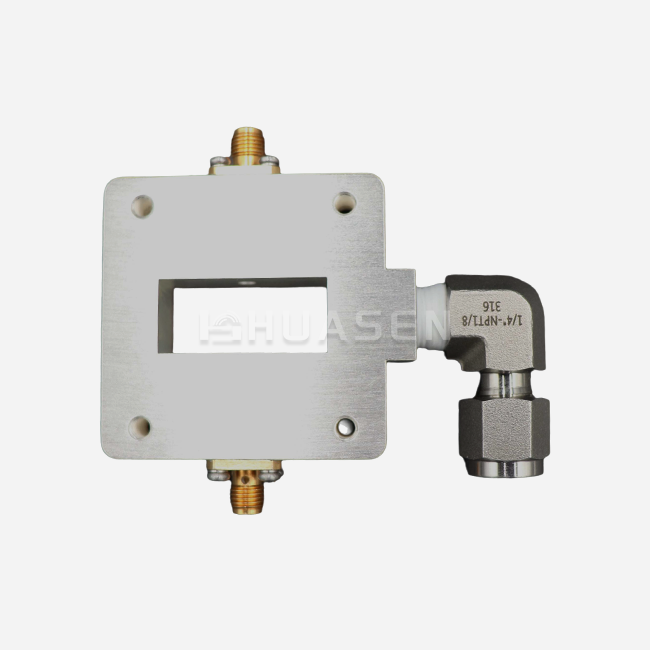
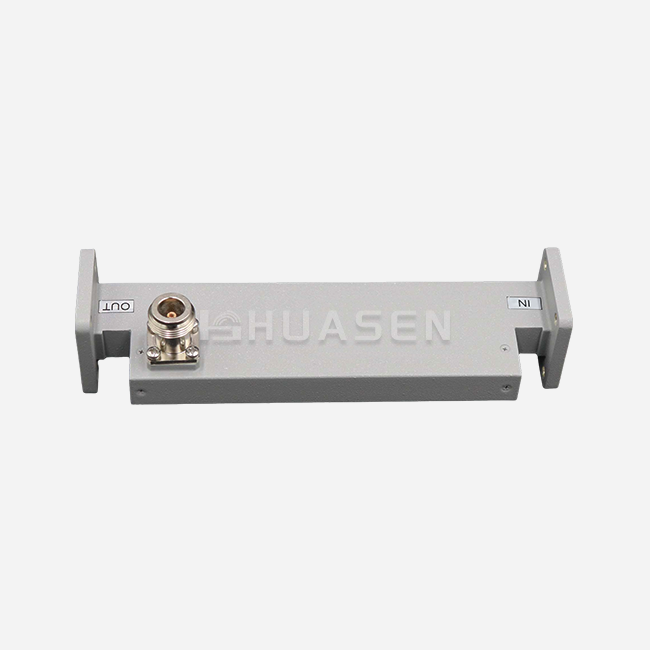
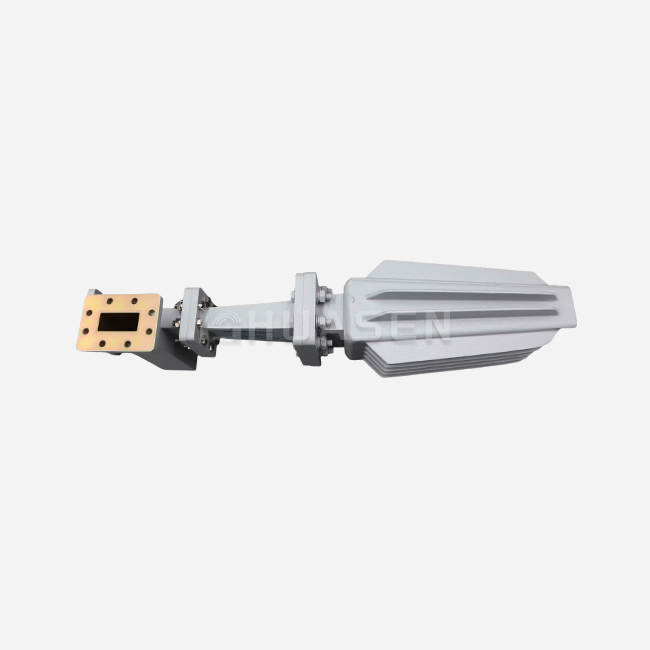
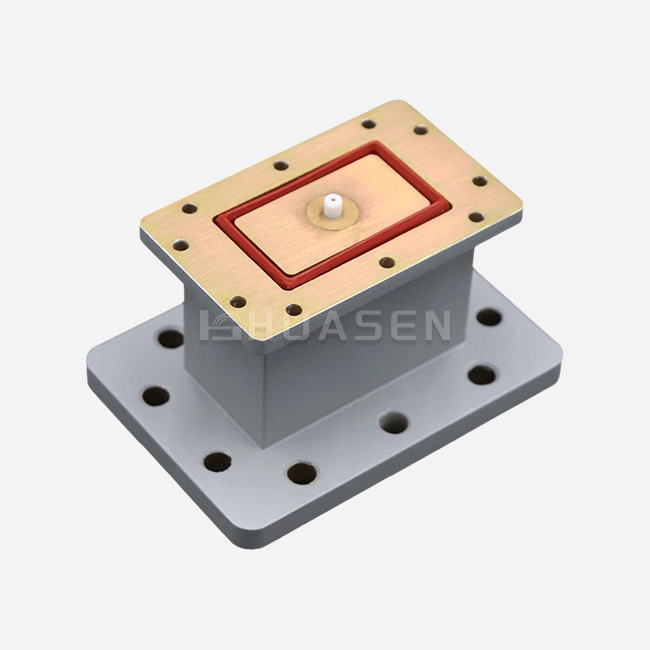
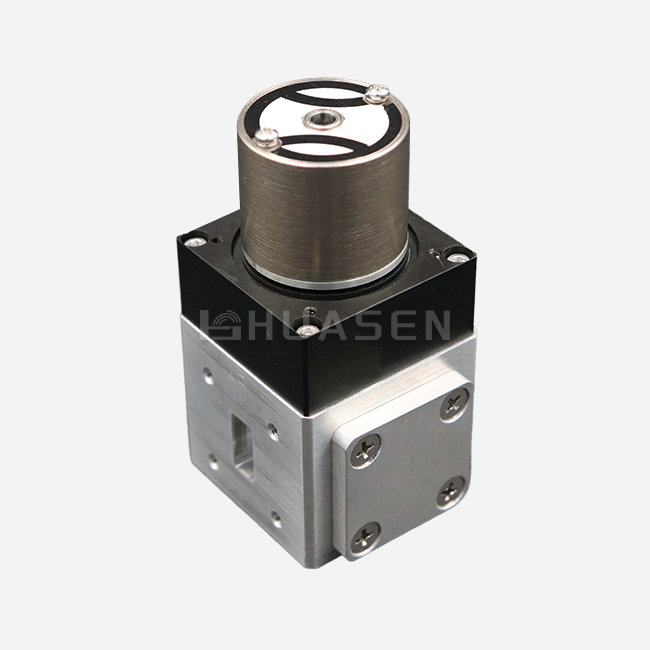
Different types of architecture each have their own specific aircraft uses. Coaxial directional couplers work with standard 50-ohm systems and can connect using SMA, N-Type, or TNC connections. They provide broad performance, usually between 0.5 and 18 GHz. These units work well for test tools, data links, and base station tracking, where small sizes and low power needs are met. Waveguide couplers, such as Crossguide and broadwall types, work really well in high-power radar and satellite transponders. Crossguide versions offer very short insertion lengths, which is very important for phased array feeds that need to save room and missile guidance systems that need to make every millimeter count. Stripline and microstrip couplers make it easier to integrate multilayer circuit boards in transmission units for drones and avionics.
Critical Performance Parameters
The coupling factor tells you how much of the input power is sent to the linked port. It can be anywhere from 6 dB to 40 dB, based on the needs of the application. Directivity is a measure of how well the coupler can tell the difference between forward and reflected waves. Units made for aircraft use must achieve 20 to 30 dB or higher. In VSWR tracking and power leveling loops, this number has a direct effect on how accurate measurements are. Insertion loss measures how weak the signal is in the main line. Values below 0.5 dB (not including coupling loss) keep the transmission efficiency high. If the VSWR is less than 1.25:1, there will be few echoes that could hurt the system's performance. It is important for radar receivers and jamming systems that work at kilowatt levels that the power handling capacity includes both continuous wave rates and peak pulse power tolerance.
The building of a material has a big effect on its durability. Silver or gold finishing on brass or metal housings that have been precisely machined reduces ohmic losses and stops oxidation. PTFE or air dielectrics keep their electrical properties fixed at temperatures ranging from -55°C to +125°C. This means they can handle the thermal cycling needs of airplanes, spaceships, and bases in the ocean.
Criteria for Choosing Directional Couplers in Aerospace and Defense
To get things for space missions, you need a methodical review system based on mission-specific needs. When engineers support phased array radar calibration, satellite transponder testing, or aerial electronic warfare pods, they have to make sure that the part specs match the operating situations.
Decision Scenarios and Key Metrics
High directivity and power handling are important for directional coupler radar uses. To test traveling wave tube amplifiers with a synthetic aperture radar system, the couplers need to be able to handle continuous high-power operation while keeping the smoothness of the coupling across octave bandwidths. To keep link costs that are already limited by path loss estimates, satellite communication links focus on low insertion loss. When geosynchronous satellites go from being in the sun to being in darkness, their temperatures can change by more than 150°C. This makes temperature resistance very important.
Wideband coverage is needed for electronic countermeasure equipment. A broadwall coupler with two ridges that covers 6 to 18 GHz lets you watch multiple-octave jamming emitters from a single device, which makes the system simpler and lowers the cost of inventory. Defense companies like this consolidation because it makes supply lines easier to manage and speeds up repairs in the field during deployment rounds.
Weighted Evaluation Framework
Setting up a score grid helps you measure the trade-offs. Assign weights based on the project's priorities: 30% for frequency range, 25% for power handling, 20% for environmental requirements, 15% for source certifications, and 10% for delivery dates. A possible coupler that got an 85/100 might have great bandwidth and clearances but not so great power capacity. This could mean that it should be rethought for high-power radar, but accepted for receiver test benches.
Supplier Landscape Insights
Known providers have a history of doing good work. Mini-Circuits has a large catalog of coaxial couplers and can help with fast development. Keysight Technologies sells high-precision test equipment with calibration data that can be tracked. Pasternack has waveguide parts in stock that can be shipped the same day for testing prototypes. MACOM specializes in space-qualified systems that are very reliable. To judge these suppliers, you have to look at their compliance paperwork, which includes AS9100 quality systems, radiation hardness assurance for space uses, and ITAR registration for military exports.
Procurement Checklist Essentials
A thorough selection process makes it easier to make a choice. Check that the frequency range matches the system bandwidth, that the coupling factor is right for monitoring circuits, that the directivity is right for accurate measurements, that the power rating includes margins for worst-case transmission peaks, that the connector works with existing infrastructure, and that the environmental ratings match the operational profiles. Check to see if the certifications are available: MIL-STD-810 for environmental stress, MIL-STD-202 for component stability, and RoHS approval for markets in Europe. Check to see if the device can be customized to work with non-standard frequencies or mounting arrangements. This is common in secret defense projects that need custom solutions.
Applications and Case Studies of Directional Couplers in Aerospace and Defense
Directional couplers make it possible for different aircraft systems to do important things. Knowing how specifications are used in real life shows how choices make for practical benefits.
Radar System Calibration
Ground-based air defense radars use waveguide couplers to read the output of the emitter before they connect to the antenna feed networks. Continuous power monitoring finds problems with solid-state amplifiers or magnetrons before they get too big for the detecting range. A normal X-band radar that uses a 30 dB crossguide coupler can keep small waveguide runs in equipment shelters that are under a lot of pressure while still providing enough coupled power for spectrum analyzer tracking and automatic fault detection algorithms.
Satellite Transponder Testing
When manufacturers test Ku-band satellite transponders, they have to make sure that linearity and intermodulation distortion are correct across 500 MHz bandwidths without interfering with RF lines while the devices are in a heated vacuum. At the outputs of transponders, coaxial couplers with 20 dB coupling factors allow real-time signal processing while keeping insertion loss below 0.3 dB, which protects the valuable link margin. The gold-plated brass design can handle temperature changes of -180°C to +85°C during qualification tests. This keeps outgassing from happening, which could contaminate vacuum chambers.
Electronic Warfare Pod Design
Fighter planes have jamming pods that work between 2 and 18 GHz to block a wide range of threat radar bands. A double-ridged waveguide broadwall coupler and hybrid coupler offer octave-spanning coverage in a single small package. It can withstand 15 G movement loads and temperatures in the cabin ranging from -55°C to +125°C. The 25 dB directivity makes sure that traveling wave tube amplifiers get accurate power leveling feedback. This keeps the jamming working well across all mission types, and the tough mechanical design means that it won't lose its usefulness after thousands of flight hours.
Design Considerations for Harsh Environments
The conditions in aerospace settings are very harsh. Shock-mounted parts that block vibrations protect weak coupling systems. At high altitudes, where condensation cycles eat away at internal contacts, hermetic shielding keeps moisture out. Some ways to deal with temperature changes are to use linked ports that sink heat and choose low-loss dielectrics that keep the electrical properties fixed when the temperature changes. Radiation-hardened materials can handle the cumulative ionizing damage in space orbits, while electromagnetic shielding blocks disturbance from electronics that are close by.
How to Purchase Aerospace-Grade Directional Couplers? — Market Insights and Procurement Tips
There are fewer suitable providers in the world market for aerospace RF components, and lead times are getting longer because of a lack of semiconductors and specialty materials.
Market Overview and Supplier Landscape
The main places where aerospace couplers are made are in North America and Europe, which have strong defense clearance systems that support tough qualification processes. Well-known companies like MACOM have been in the space business for decades and offer radiation-tested designs to satellite prime providers. Maury Microwave focuses on making precise test parts that can be traced back to NIST standards for calibration uncertainty. Narda makes high-power waveguide couplers for radar systems that need to handle kilowatts.
Pricing Trends and Procurement Planning
Couplers made for aircraft use have a wide range of prices depending on the specs. Basic off-the-shelf coaxial units cost around $200, but space-qualified waveguide couplers with full qualification paperwork cost more than $5,000 each. Different items have different minimum order amounts. Catalog items are shipped one at a time, while unique designs usually need at least 10 pieces to cover the cost of the tools. In 2024, lead times range from standard goods being in stock to 16-week manufacturing cycles for custom configurations that need specific production runs.
Datasheet Interpretation Guidance
Accurate datasheet analysis is needed for buying to work well. Coupling factor specs should say that the factor is flat across the working band; changes of more than ±1 dB could affect the security of the leveling loop. Loss of directivity at the edges of the band could mean that the design isn't as good as it could be; check performance at real working frequencies instead of relying on averages. It is important to tell the difference between intrinsic loss and coupling loss. For example, a 20 dB coupler naturally sends 1% of the power it receives, which is equal to 0.04 dB of loss, regardless of the quality of the transmission line.
Practical Procurement Tips
We need to look closely at power rates. Continuous wave ratings show how much heat can be lost, while peak power ratings talk about the risks of dielectric breakdown and arcing during rapid operation. When radar sends microsecond pulses at megawatt levels, it needs couplers that are rated for both normal and peak conditions. They also need to be derated for use at high altitudes, where lower air pressure lowers the breakdown limits.
Strategies for sourcing should keep cost and risk in check. Having store items on hand during the prototype phase makes it easier to make quick changes to the design. Because of production responsibilities, custom designs that are designed for system integration are necessary. This spreads out one-time engineering costs over a lot of orders. Setting up dual-source strategies reduces delays in the supply chain. Qualifying alternative suppliers during the development stages gives you choices in case your main suppliers can't meet your needs.
Specifications are checked by verification tests before the full purchase process begins. Instead of depending only on what the datasheet says, ask for sample hybrid coupler units with test results that show how well they actually work. Compliance is confirmed by testing in a separate lab. This is especially important for important factors like directivity and power handling, where low-quality hybrid coupler parts could hurt the mission's success.
Conclusion
To choose the right directional coupler for aerospace and defense uses, you need to carefully look at its performance specs, how well it works in harsh environments, and the skills of the seller. System reliability is maintained by balancing coupling factor, directivity, insertion loss, and power handling with the needs of operations. This is done to meet the needs of difficult task profiles. Knowing the differences in how coaxial, waveguide, and planar designs are built lets you make smart choices that fit your frequency ranges and integration needs. Strategies for buying things that focus on certified sources, careful study of datasheets, and verification tests lower risks and improve lifetime costs. Using best practices for measuring performance and taking advantage of new materials can make aircraft components last longer in harsh settings.
FAQ
1. What frequency ranges do aerospace directional couplers typically cover?
Couplers used in aerospace work with frequencies ranging from 30 MHz in the VHF range to over 40 GHz in the millimeter range. Coaxial designs usually work between 500 MHz and 18 GHz, which makes them good for electronic warfare and internet transmission. Standard bands are lined up by waveguide couplers. Fire control radars use X-band (8–12 GHz), satellite links use Ku-band (12–18 GHz), and high-resolution image systems use Ka-band (26–40 GHz). Custom patterns are made to fit specific needs that aren't covered by normal options.
2. How can procurement teams verify coupler reliability before large purchases?
Ask for sample units that come with full test records that show the recorded S-parameters, power handling validation, and results from environmental stress screens. Use calibrated network monitors and thermal rooms to do independent verification tests. Check the quality certifications of the seller, such as AS9100 registration and radiation-hardness guarantee for space uses. Look at sources from military projects that are similar to yours and use lead time history and component obsolescence roadmaps to figure out how stable the supply chain is.
3. What customization options do leading manufacturers offer?
Reliable suppliers offer frequency tuning across bands, different types of connectors that work with existing infrastructure, custom mounting brackets for airframe integration, coupling factor adjustments, special coatings that resist corrosion, and hermetic sealing for installations of pressure vessels. Defense projects often need production that is ITAR-compliant, with full tracking documents and configuration control processes that help with managing obsolescence over the course of multiple decades.
Partner with Huasen Microwave for Precision RF Solutions
Customers in the military and defense industries have been buying high-performance directional couplers and RF parts from Huasen Microwave Technology since 1993. Our engineering team focuses on millimeter-wave, waveguide, and cable systems that meet strict MIL-STD environmental standards. We offer full customization, from frequency optimization to mechanical coupling, and our decades of experience in production back this up. Our quality systems make sure that supply chains are reliable and that important deadlines are met. Email our application engineers at sales@huasenmicrowave.com to talk about the needs of your project. If you need aerospace-grade directional coupler suppliers for satellite projects or high-power radar couplers, we can help. We offer technical advice, sample evaluation, and mass production that turn requirements into hardware that is ready for deployment.
References
1. Kumar, A., & Zhang, L. (2023). Advanced Directional Coupler Design for Aerospace Applications. IEEE Transactions on Microwave Theory and Techniques, 71(4), 1523-1538.
2. Miller, J. R. (2022). Passive RF Components for Defense Systems: Selection and Integration Guide. Boston: Artech House Publishers.
3. Defense Standardization Program Office. (2021). MIL-STD-810H: Environmental Engineering Considerations and Laboratory Tests. U.S. Department of Defense.
4. Pasternack Enterprises. (2024). RF Directional Couplers Technical Guide. Irvine: Pasternack Corporation White Paper Series.
5. Thompson, D. S., & Williams, K. T. (2023). Procurement Best Practices for Aerospace RF Components. Journal of Defense Acquisition Research, 30(2), 245-267.
6. National Institute of Standards and Technology. (2022). Calibration and Measurement Capabilities for Microwave Components. NIST Special Publication 1900-201.
Send Inquiry