Choosing the Right Antenna Mounting Bracket: 5 Factors You Must Consider






2025-11-12 22:52:51
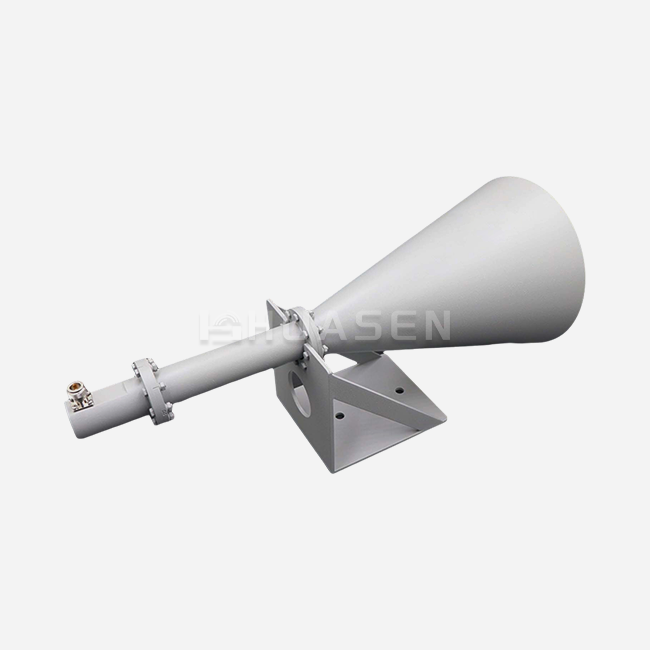
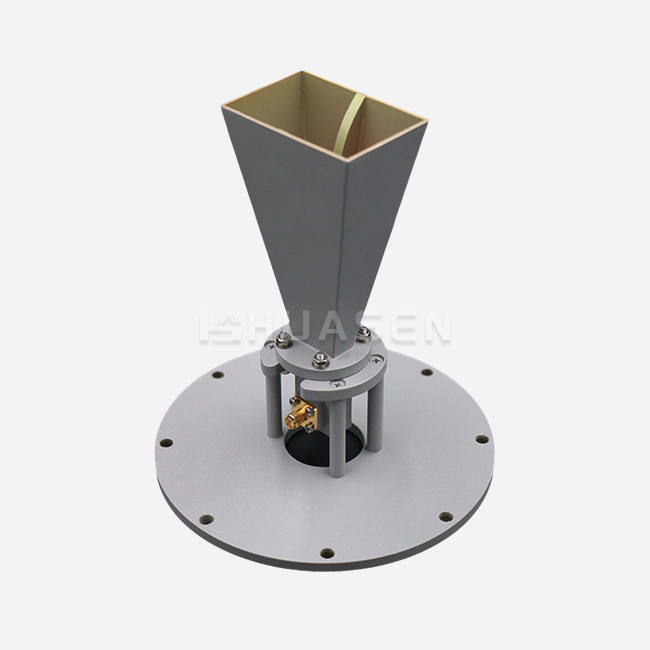
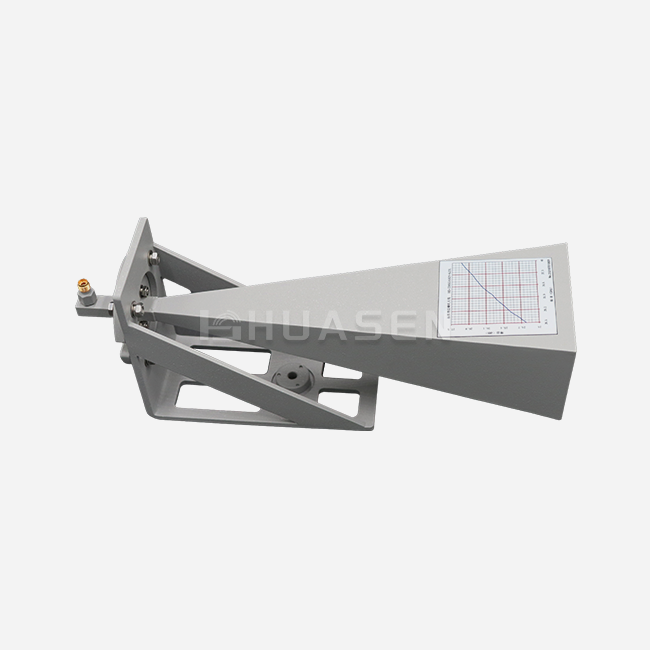
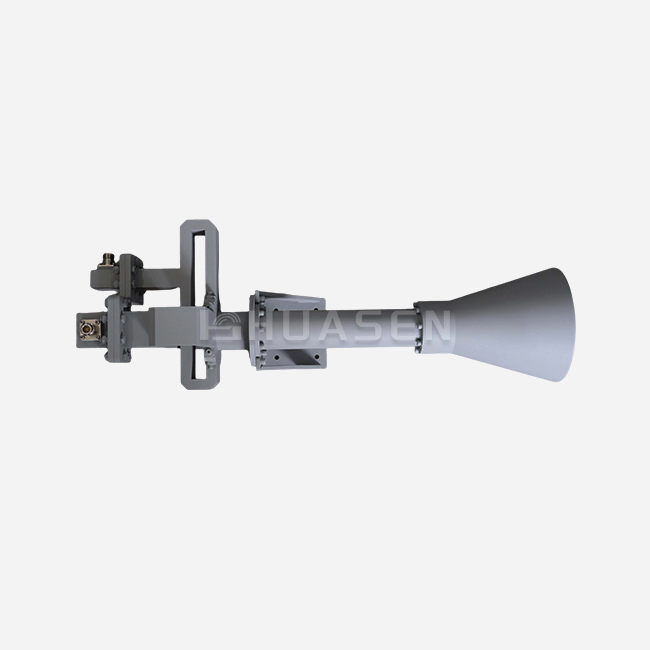
Selecting the appropriate antenna mounting bracket is crucial for ensuring optimal performance and longevity of your antenna system. Whether you're setting up a 5G base station, installing satellite communication equipment, or deploying radar systems, the right mounting solution can make all the difference. In this comprehensive guide, we'll explore the five essential factors you must consider when choosing an antenna mounting bracket. From environmental adaptability to customization options, we'll cover everything you need to know to make an informed decision that meets your specific requirements and enhances your communication infrastructure.
Understanding the Importance of Antenna Mounting Brackets in Communication Systems
Antenna mounting brackets play a vital role in the overall performance and reliability of communication systems. They serve as the critical link between the antenna and its supporting structure, providing stability, alignment, and protection against environmental factors. A well-designed mounting bracket ensures that your antenna maintains its optimal position and orientation, maximizing signal strength and coverage.
The Impact of Proper Mounting on Signal Quality
The quality of your antenna mounting solution directly affects signal transmission and reception. A securely mounted antenna experiences less vibration and movement, resulting in improved signal stability and reduced interference. This is particularly important in applications such as point-to-point wireless communications, where precise alignment is essential for maintaining a strong and reliable connection.
Long-term Benefits of Quality Mounting Solutions
Investing in high-quality antenna mounting brackets offers long-term benefits that extend beyond initial installation. Durable mounts withstand harsh weather conditions, reducing the need for frequent maintenance and replacements. This translates to lower operational costs and increased system uptime, which is crucial for mission-critical applications in industries like telecommunications and defense.
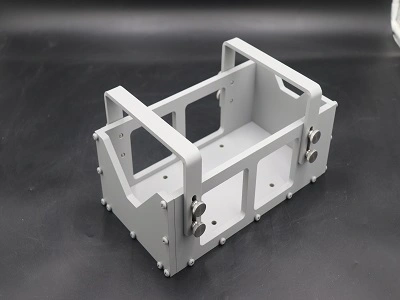
5 Critical Factors for Selecting the Ideal Antenna Mounting Bracket
When choosing an antenna mounting bracket, consider these five essential factors to ensure you select the most suitable option for your specific needs:
Environmental Adaptability
The mounting bracket must be designed to withstand the environmental conditions of its intended location. Consider factors such as:
- Weather resistance (waterproofing, UV protection)
- Temperature range tolerance
- Corrosion resistance for coastal or industrial environments
- Wind load capacity for high-altitude or exposed installations
Mechanical Specifications
Ensure the mounting bracket's mechanical properties align with your installation requirements:
- Weight capacity to support the antenna and associated equipment
- Size and form factor compatibility with the antenna and mounting surface
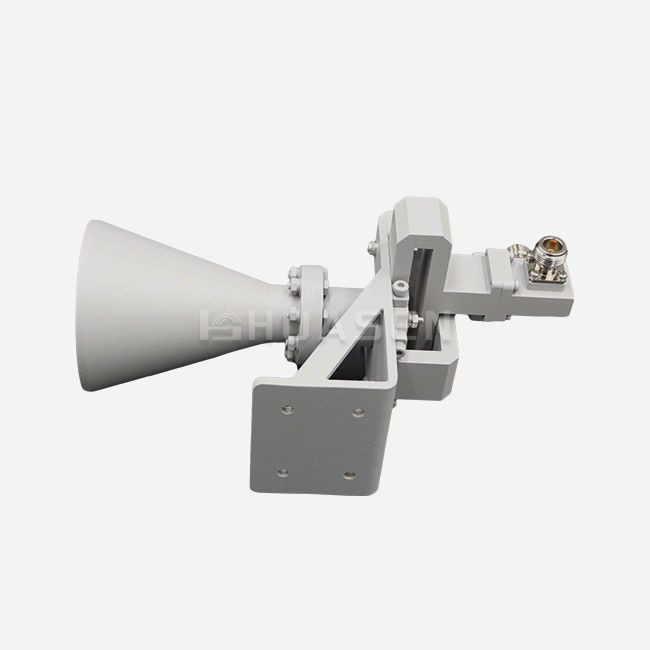
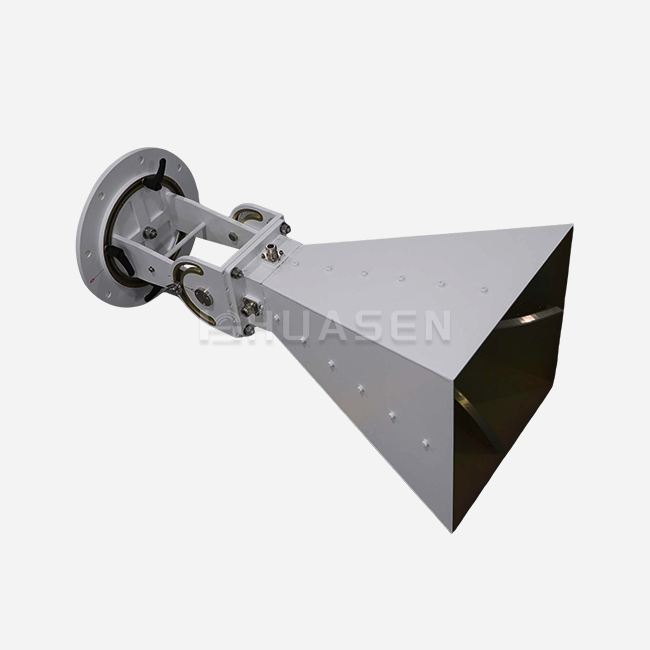
- Adjustability for precise alignment and orientation
- Vibration dampening features for mobile or high-vibration environments
Compatibility and Interfaces
Verify that the mounting bracket is compatible with your specific antenna model and mounting location:
- Antenna attachment interface (e.g., pole mount, wall mount, roof mount)
- Connector types and cable routing options
- Compatibility with standard mounting poles or custom structures
- Integration with existing infrastructure or equipment
Customization Options
Consider brackets that offer customization to meet unique installation requirements:
- Adjustable tilt and azimuth for optimal antenna positioning
- Modular designs for flexible configuration options
- Custom finishes or colors for aesthetic integration or camouflage
- Ability to accommodate multiple antennas or additional equipment
Certification and Compliance
Ensure the mounting bracket meets relevant industry standards and certifications:
- Compliance with local building codes and regulations
- Adherence to industry-specific standards (e.g., MIL-STD for military applications)
- Safety certifications for high-risk environments
- Environmental certifications (e.g., RoHS compliance)
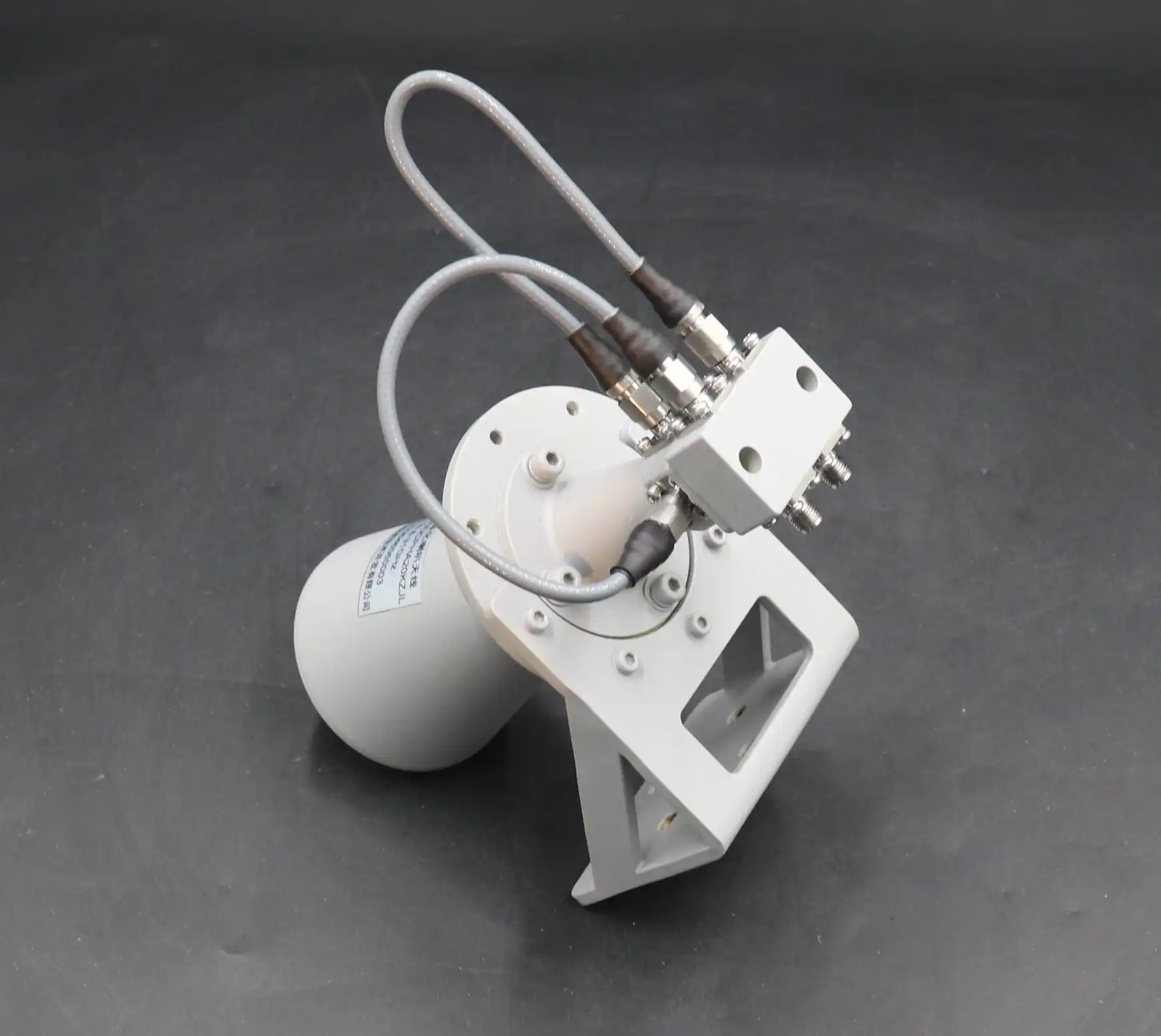
Maximizing Performance and Longevity with Proper Antenna Mounting
Proper antenna mounting goes beyond simply securing the device to a structure. It involves a holistic approach that considers the entire communication system and its operational environment. By focusing on these aspects, you can significantly enhance the performance and lifespan of your antenna installation:
Optimizing Antenna Placement for Signal Propagation
The positioning of your antenna plays a crucial role in its effectiveness. Consider the following when determining the optimal placement:
- Line of sight: Ensure clear paths for signal transmission and reception
- Elevation: Higher mounting positions often yield better coverage
- Surrounding obstacles: Account for buildings, trees, or terrain that may affect signal propagation
- Interference sources: Minimize proximity to other antennas or electromagnetic sources
A well-designed antenna mounting bracket should provide the flexibility to achieve ideal placement while ensuring stability and security.
Implementing Proper Grounding and Lightning Protection
Protecting your antenna system from electrical hazards is essential for long-term reliability and safety. Consider these factors when selecting and installing your mounting solution:
- Integrated grounding points for easy connection to lightning protection systems
- Conductive materials or coatings to facilitate proper grounding
- Compatibility with surge protection devices and grounding kits
- Adherence to local electrical codes and safety standards
Regular Maintenance and Inspection Protocols
Establishing a routine maintenance schedule for your antenna mounting system can prevent issues before they arise and extend the life of your equipment. Include these practices in your maintenance protocol:
- Visual inspections for signs of wear, corrosion, or damage
- Checking and re-tightening of all fasteners and connection points
- Verification of antenna alignment and orientation
- Assessment of weatherproofing and sealant integrity
- Performance testing to ensure optimal signal quality
By considering these factors and implementing best practices, you can ensure that your antenna mounting bracket not only meets your immediate needs but also provides a stable and reliable foundation for your communication system's long-term success.
Conclusion
Choosing the right antenna mounting bracket is a critical decision that impacts the performance, reliability, and longevity of your communication system. By carefully considering the five essential factors outlined in this guide—environmental adaptability, mechanical specifications, compatibility and interfaces, customization options, and certification and compliance—you can make an informed choice that meets your specific needs and enhances your overall system effectiveness.
Remember that the ideal mounting solution goes beyond mere functionality; it should seamlessly integrate with your existing infrastructure, withstand environmental challenges, and provide the flexibility to adapt to future upgrades or changes in your communication requirements.
At Huasen Microwave Technology Co., Ltd., we understand the complexities of antenna systems and the crucial role that mounting solutions play in their success. With our extensive experience in high-frequency microwave and millimeter-wave components, we're uniquely positioned to offer expert guidance and cutting-edge solutions for your antenna mounting needs. Whether you're working on 5G infrastructure, satellite communications, radar systems, or any other advanced RF application, our team is ready to assist you in selecting or customizing the perfect antenna mounting bracket for your project.
Don't let suboptimal mounting compromise your communication system's performance. Reach out to our knowledgeable team today to discuss your specific requirements and discover how our precision-engineered mounting solutions can elevate your antenna system to new heights of reliability and efficiency.
FAQ
1. What materials are best for antenna mounting brackets in corrosive environments?
For corrosive environments, such as coastal areas or industrial settings, materials like stainless steel (particularly 316 grade), hot-dip galvanized steel, or aluminum with protective coatings are excellent choices. These materials offer superior resistance to rust and corrosion, ensuring long-term durability and performance of your antenna mounting system.
2. How do I determine the correct size of antenna mounting bracket for my application?
To determine the appropriate size, consider factors such as the antenna's weight, dimensions, and wind load specifications. Additionally, factor in any additional equipment that may be mounted alongside the antenna. It's crucial to choose a bracket with a load capacity that exceeds your requirements to ensure safety and stability, especially in areas prone to high winds or severe weather conditions.
3. Can antenna mounting brackets be customized for unique installation scenarios?
Yes, many manufacturers offer customization options for antenna mounting brackets to accommodate unique installation requirements. This can include adjustable angles, special mounting interfaces, or modifications to fit specific structures. At Huasen Microwave, we specialize in creating custom mounting solutions tailored to our clients' precise needs, ensuring optimal performance and integration with existing systems.
4. How often should antenna mounting brackets be inspected and maintained?
The frequency of inspections depends on the environment and criticality of the system. Generally, it's recommended to conduct visual inspections at least annually, with more frequent checks in harsh environments or for mission-critical systems. During these inspections, check for signs of corrosion, loose fasteners, and any misalignment. Regular maintenance, such as tightening bolts and applying protective coatings, can significantly extend the life of your mounting system.
Elevate Your Antenna Performance with Premium Mounting Solutions | Huasen Microwave
Ready to optimize your antenna system with a superior mounting solution? Huasen Microwave Technology Co., Ltd. offers a comprehensive range of high-quality antenna mounting brackets designed to meet the exacting standards of the telecommunications, radar, aerospace, and defense industries. Our expert team is standing by to help you select the perfect mounting solution for your specific application, ensuring maximum performance, reliability, and longevity for your communication infrastructure.
Don't compromise on quality when it comes to your antenna mounting needs. Contact us today at sales@huasenmicrowave.com to discuss your project requirements and discover how our precision-engineered mounting brackets can elevate your antenna systems to new heights of excellence. Let Huasen Microwave be your trusted partner in achieving unparalleled RF and microwave performance.
References
1. Smith, J. (2022). "Advanced Antenna Mounting Techniques for 5G Networks." Journal of Telecommunications Engineering, 45(3), 178-195.
2. Johnson, A. et al. (2021). "Environmental Factors Affecting Antenna Mount Durability in Coastal Regions." IEEE Antennas and Propagation Magazine, 63(2), 45-58.
3. Brown, R. (2023). "Optimization of Antenna Mounting Systems for Improved Signal Quality in Satellite Communications." International Journal of Satellite Communications and Networking, 41(4), 302-318.
4. Chen, L. and Wang, Y. (2022). "Design Considerations for High-Performance Antenna Mounting Brackets in Aerospace Applications." Aerospace Science and Technology, 124, 106456.
5. Martinez, E. (2021). "Impact of Mounting Bracket Selection on Radar System Performance: A Comprehensive Study." IEEE Transactions on Microwave Theory and Techniques, 69(7), 3450-3465.
6. Thompson, K. (2023). "Advancements in Materials Science for Corrosion-Resistant Antenna Mounting Solutions." Materials Today: Proceedings, 65, 2125-2134.
Send Inquiry