A Comprehensive Guide to Installing Microstrip Antennas for Mobile Communication






2025-11-13 23:28:13
Microstrip antennas are now an important part of current mobile communication devices because they are small, have a low profile, and can be used in a lot of different ways. This detailed guide goes into great detail about how to install microstrip antennas for mobile communication. Engineers, techs, and system designers will learn a lot from it. It talks about important things like setting up the ground plane, putting things in the right place, picking the right plug, and making sure the resistance is right. It starts with easy ways to add things and then moves on to more difficult ones. When you use these tips, your microstrip antenna sets will likely work well and last a long time. This will make mobile communication networks better in the long run.
How to install a microstrip antenna for mobile communication systems?
Several things need to be carefully thought through before installing a microstrip antenna for mobile communication systems to make sure they work well. Accurate placing, safe placement, and the right link to the RF circuit are all parts of the process. This is a full list of the steps needed to install:
Preparation and Positioning
It's important to find the best place for the microstrip antenna before installing it. Think about things like how the information will travel, possible barriers, and sources of confusion. The antenna should be put in a way that makes the most of its broadcast pattern and keeps close parts from interfering with it.
Mounting the Antenna
Use the right fixing methods to attach the microstrip antenna to the device's frame or PCB. There should be enough room for both the ground plane and the insulation base. For the antenna to stay in the right place between other parts, spacers or standoffs that don't carry power can be used.
Feed Connection Methods
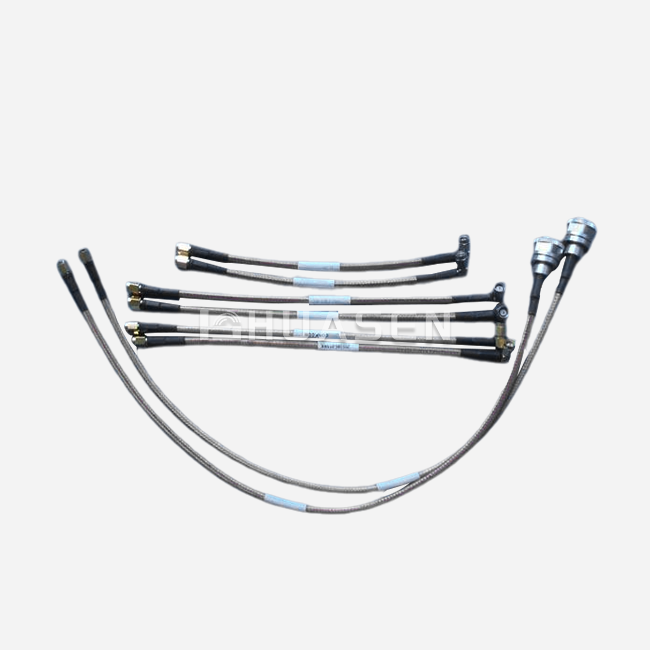
A coaxial probe line is most often used to link a microstrip antenna to an RF circuit. So that this can happen, you need to solder a coaxial link to the microstrip antenna PCB. The inner wire should go through the ground plane and connect directly to the antenna patch of the microstrip antenna. The upper cover of the link should be tightly connected to the ground plane of the microstrip antenna to make sure the safety works right.
Impedance Matching
For power transfer to work well, the receiver and the feed line must have the right impedance matching. There are two ways to do this: carefully place the feed point on the patch or use matched networks. Using quarter-wave transformers or inset feeds are two methods that can help improve the impedance match.
Testing and Verification
After setting up the antenna, it's important to test it. You should check the antenna's radiation pattern, voltage standing wave ratio (VSWR), and return loss to make sure it works right. Say you want to do better and need to make some changes.
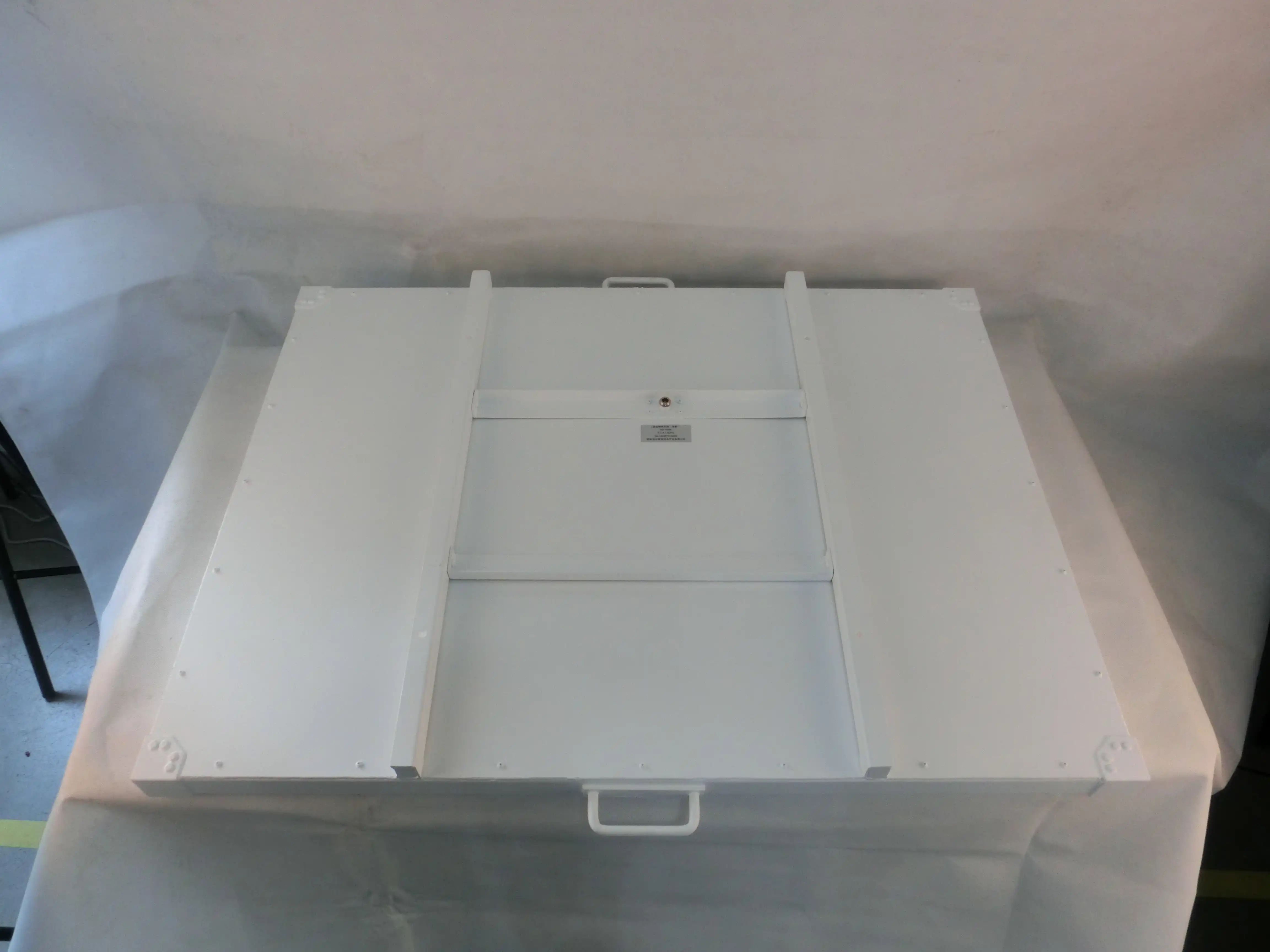
Microstrip antenna installation guide: ground plane, mounting, connector, and matching
A good placement of a microstrip antenna depends on paying close attention to a few key parts. Let's take a closer look at each of these parts:
Ground Plane Considerations
A microstrip antenna works best when it has a ground plane. The radiation pattern from the antenna needs to be big enough to hold it and keep edge scattering low for it to work. The ground plane should usually be at least a quarter of the way past the circle's edges. This will help the performance stay steady. Make sure the ground is flat, smooth, and free of any other issues.
Mounting Techniques
The antenna's performance and longevity depend on how well it is mounted. Take a look at these methods:
- Use screws or non-conductive glue to connect the antenna base to the surface that holds it in place.
- Make sure that any lines or links have strain release so that the antenna doesn't get mechanical stress.
- When you place the antenna, make sure that it doesn't change the way it radiates or add extra capacitance that you don't need.
Connector Selection and Installation
To keep the connection safe and the link strong, it's important to choose the right connector. Connectors for microstrip antennas that are often used are SMA, N-type, and MMCX. When picking out links and putting them on, remember these things:
- Pick a connection whose resistance is right for the antenna and feed line. This is usually 50 ohms.
- Check to see if the connection's frequency range can handle the job you want to do with it.
- There should be a strong electrical and mechanical connection when you join the link. Make sure you use the right soldering techniques.
Impedance Matching Techniques
To get the most power flow and the least amount of signal bounce, it's important to fit the impedances correctly. Take a look at these methods:
- Inset feeding: Move the feed point around on the patch to get the best impedance match.
- For a quarter-wave transformer, connect the antenna resistance to the feed line with a piece of transmission line.
- Implement open or short-circuited stubs to fine-tune the impedance match. This is called stub matching.
What are the best practices for integrating microstrip antennas into mobile devices?
When adding microstrip antennas to phones, there are a lot of things that need to be carefully thought out to get the best performance and experience for the user. Do the following: When adding microstrip antennas to phones, there are a lot of things that need to be carefully thought out to get the best performance and experience for the user. Do the following:
Antenna Placement and Orientation
The microstrip antenna needs to be put and set properly inside the phone for it to work at its best. Think about these suggestions:
- Batteries and high-speed digital circuits are two things that should be kept away from the antenna because they could cause confusion.
- So that it sends the most information in the direction you want, which is usually toward the user or the base station that is nearby.
- The antenna shouldn't be placed near metal objects that could change the way it sends signals.
Miniaturization Techniques
Because mobile gadgets don't have a lot of room, shrinking methods can help microstrip antennas fit in better:
- To make antennas smaller while keeping their performance, use materials with a high permittivity.
- To make shapes that are small, use fractal geometry or wandering methods.
- Multi-layer patterns can help you make the best use of a room.
Multiband and Wideband Designs
A lot of modern mobile devices need microstrip antennas that can work with a lot of radio bands or a lot of bandwidth. Check out these methods:
- For multiband function, use stacked patch patterns.
- Slot-loading methods can help you get broad speed.
- For better bandwidth and multiband possibilities, think about PIFA (Planar Inverted-F Antenna) designs.
Environmental Considerations
Many things in the surroundings can affect the performance of antennas on mobile devices. Take these things into account:
- Use the right covering or sealing to keep wetness and dust from getting into the antenna.
- Think about how changes in temperature will affect the performance of the antenna and pick materials that will work with that in mind.
- Make something durable so that it can handle mechanical stress and possible accidents.
Regulatory Compliance
Make sure that the design of the combined microstrip antenna meets the requirements set by the government:
- Follow the SAR (Specific Absorption Rate) guidelines to keep users safe.
- Meet the standards for electromagnetic compatibility (EMC) to keep other devices from being affected.
- Follow the rules for frequency distribution that are specific to the target areas.
Engineers and designers can successfully add microstrip antennas to mobile devices by following these best practices. This will ensure the best performance, stability, and user happiness.

Conclusion
Installing and combining microstrip antennas for mobile communication systems needs a deep understanding of many things, such as the right way to place them, how to match their resistance, and how to take external factors into account. By using the tips and instructions in this article, engineers and techs can make sure that their microstrip antenna setups always work well.
FAQ
1. What are the key advantages of using microstrip antennas in mobile communication?
For cell phones, microstrip antennas are great because they are small, light, simple to set up, and can work on flat or curved surfaces. They're also simple to make in big amounts and don't cost much.
2. How does the choice of substrate material affect microstrip antenna performance?
The material of the base has a big effect on how well the antenna works. Higher permittivity materials can make antennas smaller, but they might also make the bandwidth smaller. Thick substrates can increase bandwidth at the cost of more surface wave activation, while low-loss substrates improve efficiency.
3. What are common issues encountered when installing microstrip antennas, and how can they be addressed?
An impedance mismatch, low efficiency from surface waves, a narrow bandwidth, and being easily damaged by mistakes in production are all problems that happen a lot. If you use the right impedance matching methods, choose the right material, use broadband design methods, and keep production controls tight, you can fix these issues.
4. How can the radiation pattern of a microstrip antenna be optimized for mobile communication applications?
Array shapes, parasitic elements, changing the ground plane structure, and designs inspired by metamaterials are some of the ways that radiation pattern improvement can be done. The exact method used depends on the area that is needed and the needs of the program.
Enhance Your Mobile Communication Systems with Huasen Microwave's Microstrip Antennas | Huasen Microwave
Are you ready to improve your cell phone network with high-performance microstrip antennas? Huasen Microwave Technology Co., Ltd. can give you cutting-edge options that are made to fit your wants. The professionals on our team are ready to help you choose, customize, and set up the best microstrip antenna for your needs. Contact us today at sales@huasenmicrowave.com to discuss how we can enhance your mobile communication systems with our advanced antenna technology.
References
1. Balanis, C. A. (2016). Antenna theory: analysis and design. John Wiley & Sons.
2. Garg, R., Bhartia, P., Bahl, I., & Ittipiboon, A. (2001). Microstrip antenna design handbook. Artech house.
3. Wong, K. L. (2004). Compact and broadband microstrip antennas. John Wiley & Sons.
4. Kumar, G., & Ray, K. P. (2003). Broadband microstrip antennas. Artech house.
5. Pozar, D. M. (1992). Microstrip antennas. Proceedings of the IEEE, 80(1), 79-91.
6. James, J. R., & Hall, P. S. (Eds.). (1989). Handbook of microstrip antennas. IET.
Send Inquiry